
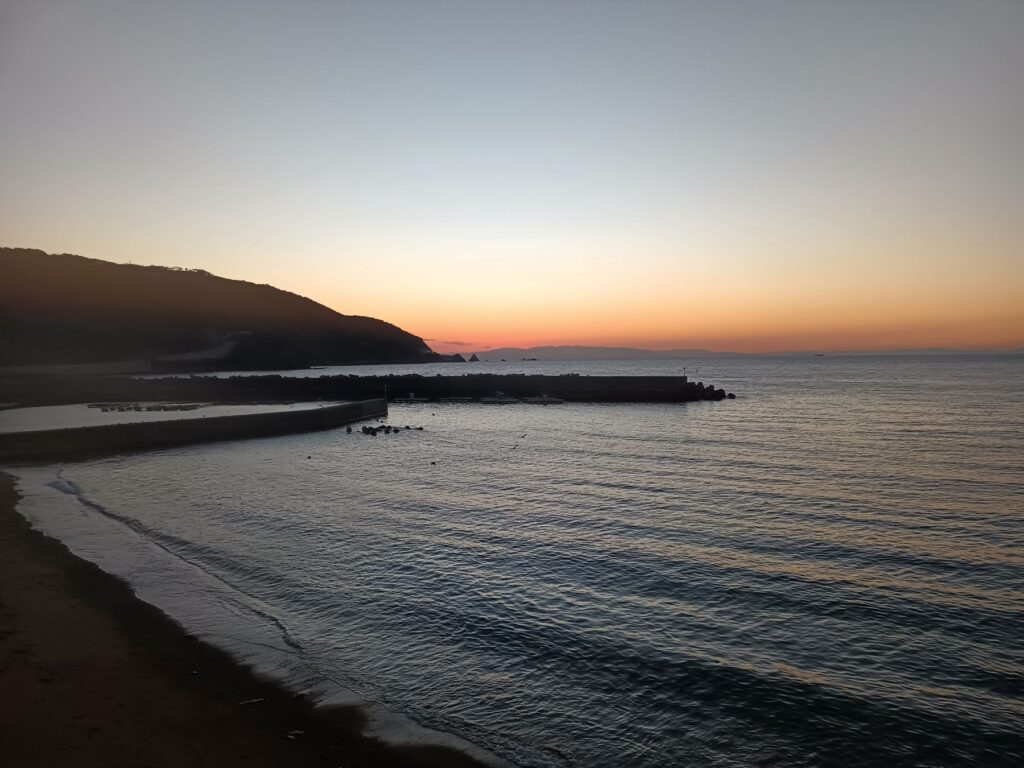
Japan is an island country, so it should come as no surprise that some of its most memorable cycling routes follow the coast.
But coastal cycling in Japan is about much more than beautiful ocean views.
A ride might take you across bridges between small islands, through citrus orchards overlooking the sea, past fishing villages where local life continues much as it has for generations, or along a coastline shaped by volcanoes and ancient geological forces.
For travelers, this makes cycling an unusually good way to experience Japan beyond its major cities.
Here are seven coastal destinations worth considering if you want to combine cycling with scenery, local food, history, and a slower way of traveling.
1. Shimanami Kaido — Cycling Between the Islands of the Seto Inland Sea
Best for: First-time coastal cycling, island-hopping, iconic scenery
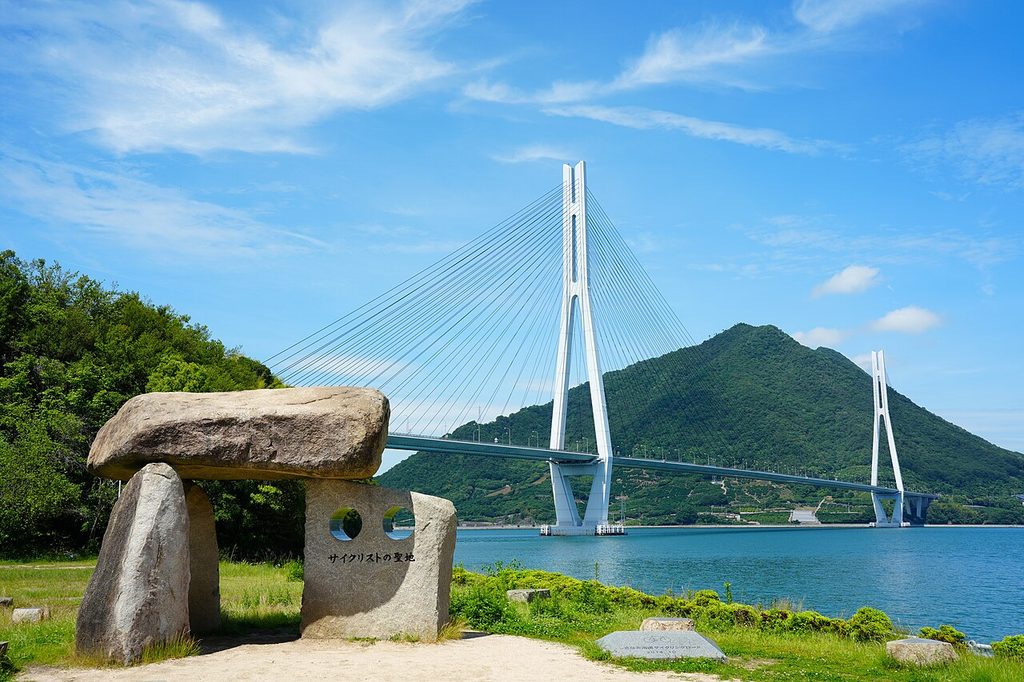
The Shimanami Kaido is probably the most famous cycling route in Japan.
Stretching approximately 70 km between Onomichi in Hiroshima Prefecture and Imabari in Ehime Prefecture, the route crosses six islands in the Seto Inland Sea. Cyclists travel from island to island across a series of spectacular bridges, with the sea almost constantly in view.
What makes the route special is the combination of infrastructure and landscape. Dedicated cycling paths make the major bridges accessible by bicycle, while the islands themselves offer small towns, citrus orchards, temples, beaches, cafés, and local seafood.
You do not necessarily need to complete the entire route.
Experienced cyclists can ride the full distance in a day, while travelers who prefer a slower experience can spend two or three days exploring individual islands.
Why ride here?
The Shimanami Kaido is ideal if cycling itself is an important part of your trip.
But it also demonstrates something that makes coastal cycling in Japan particularly rewarding: the bicycle becomes a way to move between different landscapes and communities.
You are not simply following a road beside the sea. You are moving from island to island.
2. Wakayama — White Cliffs, Fishing Villages & the Birthplace of Shoyu Soy Sauce
Best for: Travelers who want cycling combined with food, history, and local culture
Wakayama offers a very different kind of coastal cycling experience.
Rather than focusing on one famous cycling road, the attraction is the variety of experiences that can be connected by bicycle.
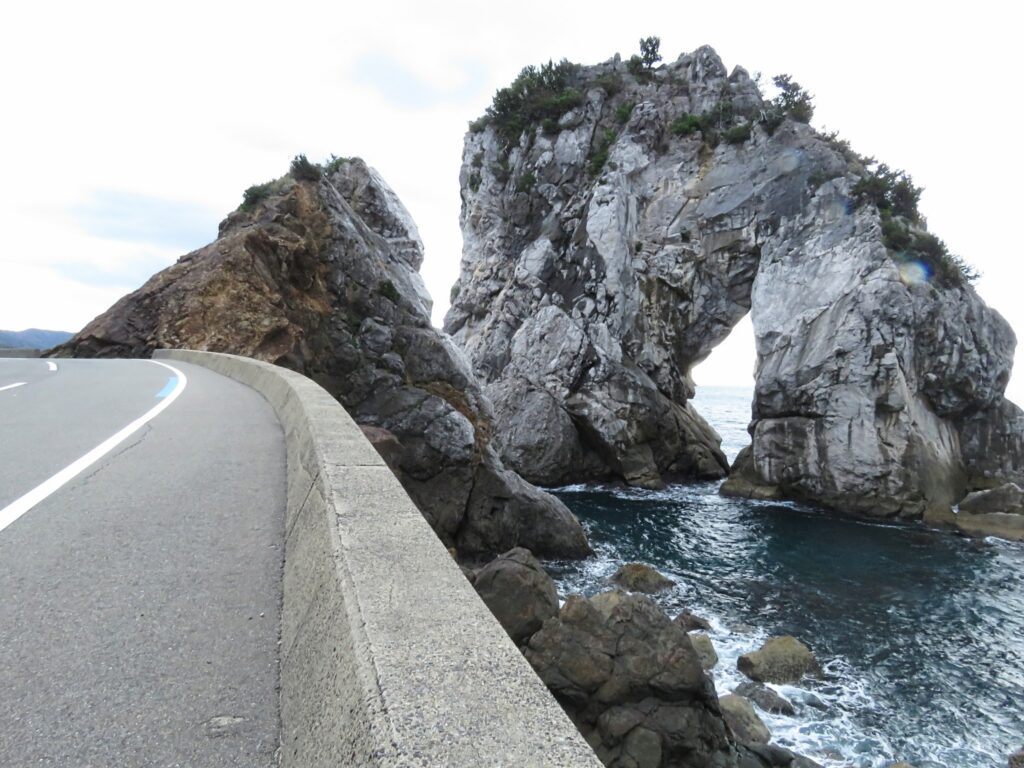
One particularly rewarding area lies along the coast between the dramatic white limestone landscape of Shirasaki and the historic town of Yuasa.
At Shirasaki Coast, enormous white limestone formations meet the deep blue sea. The area is known for its striking scenery and is also a popular diving destination.
From there, a coastal ride can lead toward smaller fishing communities and eventually Yuasa, a historic town closely associated with the development of Japanese soy sauce.
Here, cycling becomes part of a much broader cultural journey.
You can explore old streets, discover traditional food and fermentation culture, and learn why a small coastal town became associated with one of Japan’s most important seasonings. Wakayama’s official tourism site also highlights cycling routes around Shirasaki Coast and Yuasa as one of the prefecture’s scenic cycling experiences.
Why ride here?
Wakayama is particularly interesting for travelers who are less interested in cycling for its own sake.
The bicycle simply provides a slower way to connect:
coast → fishing villages → local food → fermentation → history → traditional townscape
That makes it especially suitable for travelers interested in culture and local life rather than simply accumulating kilometers.
Related post:
Cycling from Yuasa to Yura: White Cliffs, Fishing Villages & Local Flavors
3. Izu Peninsula — Volcanoes, Cliffs & Hot Springs by the Pacific
Best for: Dramatic scenery, hot springs, coastal landscapes
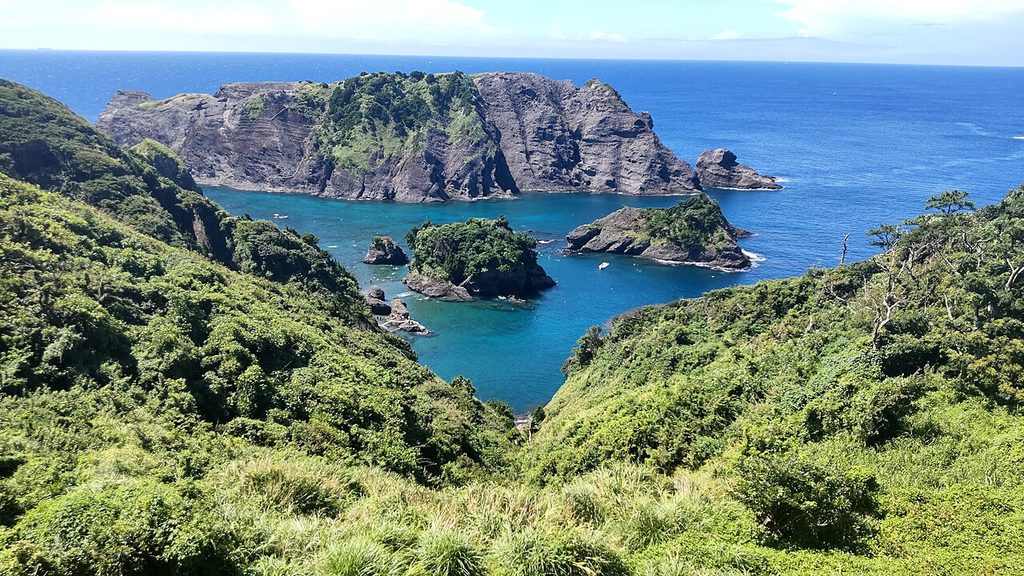
The Izu Peninsula offers some of the most dramatic coastal scenery accessible from the Tokyo region.
The peninsula was shaped by volcanic activity, creating a landscape of rugged cliffs, rocky coastlines, beaches, forests, and mountains.
A coastal cycling trip here can be combined with some of the peninsula’s other defining experiences: hot springs, seafood, small fishing communities, and views toward the Pacific.
The terrain can be demanding, particularly on routes around the southern peninsula, so this is not necessarily the easiest choice for casual cyclists.
But that is also part of its appeal.
Unlike a purpose-built cycling route, Izu feels like a journey through an entire geographical region.
Why ride here?
Izu works particularly well for travelers who want to combine:
- Cycling
- Ocean scenery
- Hot springs
- Seafood
- Small coastal towns
- Outdoor activities
It is an excellent example of cycling as part of a wider slow-travel itinerary.
4. Tobishima Kaido — A Quieter Side of the Seto Inland Sea
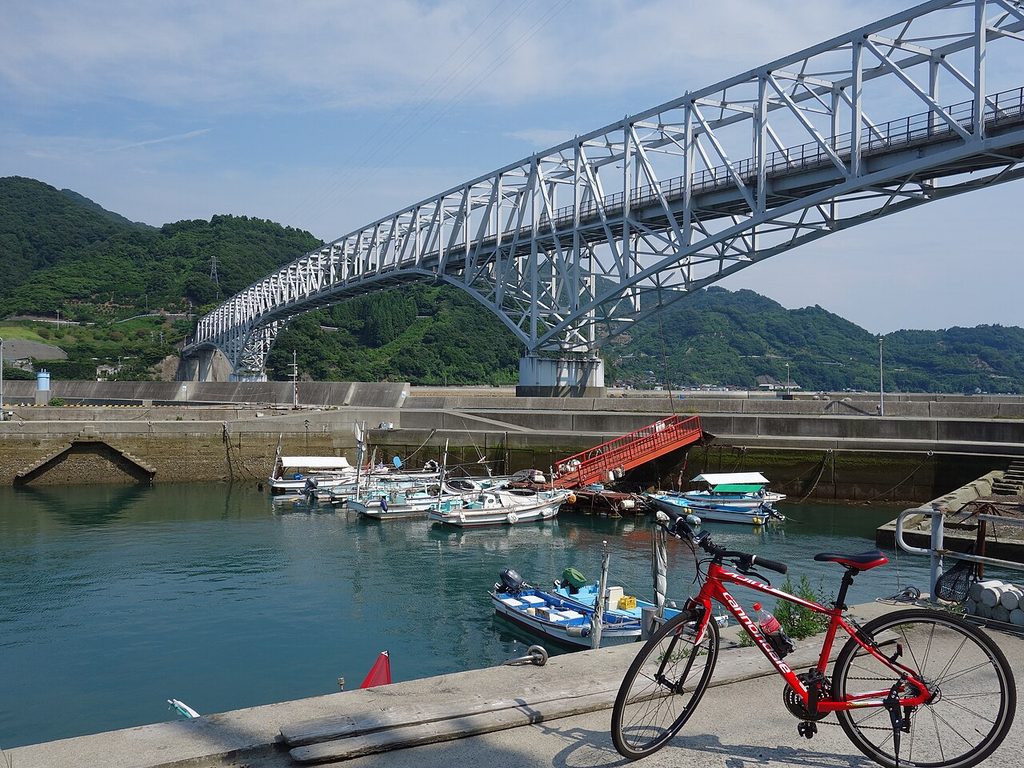
Best for: Travelers looking for island scenery without the crowds of Japan’s most famous cycling route
If the Shimanami Kaido feels a little too well known, consider the Tobishima Kaido.
This route connects the mainland around Kure in Hiroshima Prefecture with Okamura Island in Ehime, crossing a series of smaller islands and bridges.
The shortest route is about 30 km, while longer variations can reach around 50 km. There are also shorter options for beginners and families. Much of the route follows the coastline, providing continuous views across the Seto Inland Sea.
What makes Tobishima interesting is its quieter atmosphere.
Instead of feeling like a major cycling attraction, the route passes through small island communities where the journey itself becomes the experience.
Why ride here?
Tobishima Kaido is a good choice if you want:
islands + bridges + sea views + slower local life
It is less about checking off a famous route and more about discovering the landscape at your own pace.
5. Toyama Bay — Sea, Mountains & Seafood
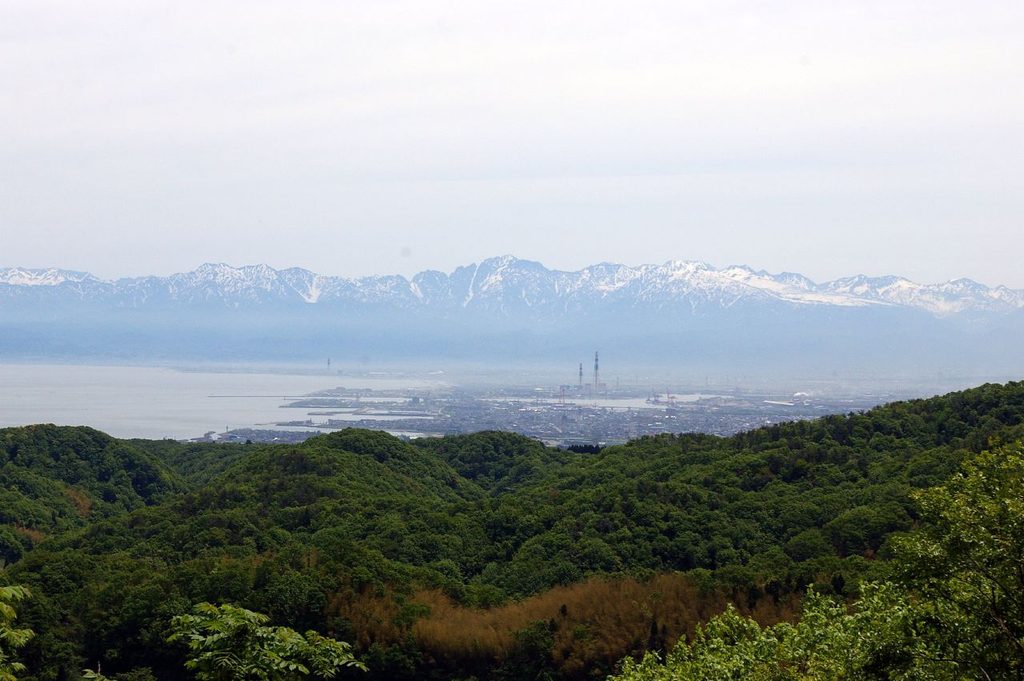
Best for: Food lovers, landscape photographers, and travelers who want dramatic geographical contrasts
Toyama Bay offers one of the most distinctive landscapes for coastal cycling in Japan.
The sea is backed by the dramatic mountains of the Japanese Alps, creating an unusual combination of ocean and high mountains within a relatively compact area.
The official Toyama cycling network includes a dedicated Toyama Bay Coastal Cycling Route, alongside inland cycling routes. The region also encourages visitors to combine cycling with local sightseeing and food.
And food is an important part of the experience.
Toyama is famous for seafood, and riding along the coast provides an opportunity to combine physical activity with one of Japan’s great seafood regions.
Why ride here?
The appeal is the contrast.
Sea in front of you. Mountains behind you.
For photographers and travelers interested in landscapes, this can make Toyama particularly rewarding.
6. Noto Peninsula — Coastal Villages & Rural Japan

Best for: Rural landscapes, traditional communities, and slower travel
The Noto Peninsula is a destination for travelers who want to see a quieter side of Japan.
The long peninsula extends into the Sea of Japan, with a coastline shaped by rocky shores, fishing villages, small harbors, rice fields, and rural communities.
Rather than approaching Noto as a single cycling challenge, it can be more rewarding to select sections of the peninsula and explore them slowly.
A day of cycling can become a way to connect small settlements, coastal viewpoints, local food, and traditional landscapes.
The appeal is not speed.
It is the feeling of moving through a part of Japan where the relationship between people and the sea remains particularly visible.
Why ride here?
Noto is a strong choice for travelers who have already seen Tokyo, Kyoto, and Osaka and want something more rural.
It also works particularly well as part of a longer slow-travel itinerary rather than a short cycling excursion.
Important: Because the Noto Peninsula has been affected by the 2024 Noto Peninsula earthquake and subsequent disasters, travelers should check current road conditions, accommodation availability, and local tourism information before planning a cycling route.
7. Awaji Island — Sea, Food & the Complete Island Ride
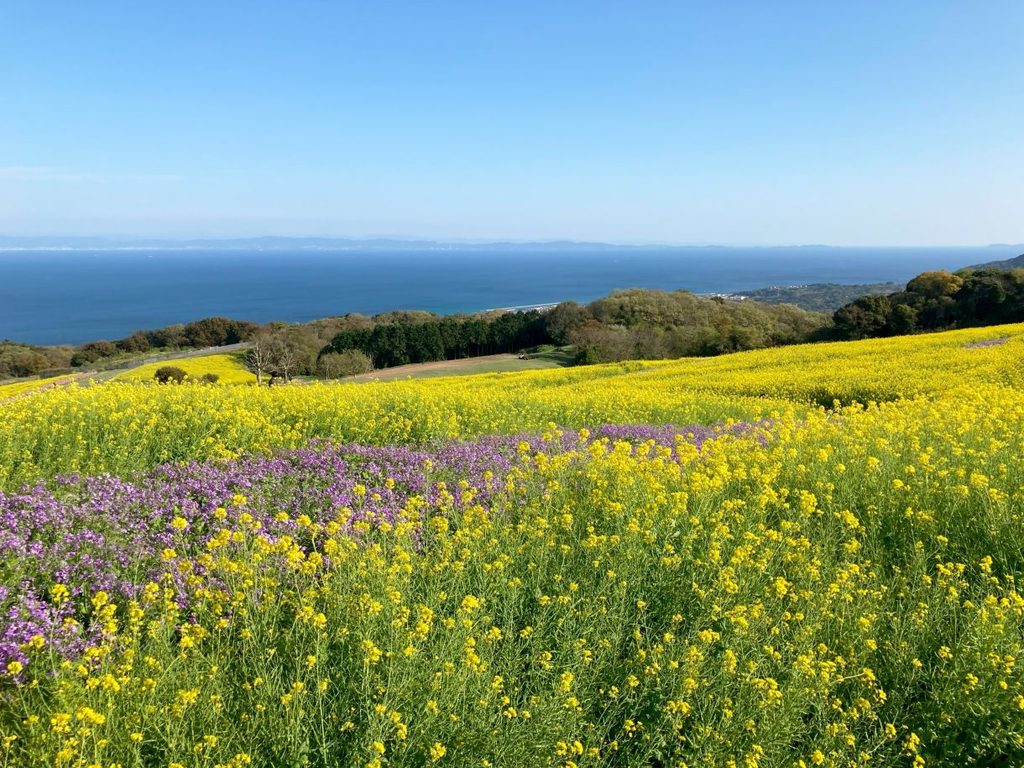
Best for: Active travelers, food-focused trips, and island cycling
Awaji Island sits between Honshu and Shikoku and has become one of Japan’s best-known cycling destinations.
Its signature challenge is Awaichi, the circuit around the island.
The full island circuit is approximately 150 km, making it a serious ride for experienced cyclists. But shorter routes are also available, including a 38 km southern coastal course designed for beginners.
This flexibility makes Awaji interesting beyond the hardcore cycling community.
The island offers beaches, fishing ports, local produce, restaurants, and viewpoints toward the Naruto Strait.
Why ride here?
Awaji works particularly well when cycling is combined with food.
The island’s agricultural production and seafood culture give travelers plenty of reasons to stop along the way rather than simply trying to finish the circuit as quickly as possible.
How to Choose the Right Coastal Cycling Route
These seven destinations offer very different experiences.
| Destination | Best for | Cycling character |
|---|---|---|
| Shimanami Kaido | Iconic island cycling | Bridges & islands |
| Wakayama | Culture & local life | Coast, villages & food |
| Izu Peninsula | Dramatic scenery & hot springs | Rugged Pacific coast |
| Tobishima Kaido | Quiet island travel | Small islands & villages |
| Toyama Bay | Food & landscapes | Sea & mountain views |
| Noto Peninsula | Rural Japan | Coastal communities |
| Awaji Island | Active travelers & food | Island circuit |
There is no single “best” coastal cycling route in Japan.
It depends on what you want the bicycle to do for you.
If you want cycling itself to be the main adventure, Shimanami Kaido or Awaji Island are obvious choices.
If you want spectacular geography, Izu or Toyama may be more rewarding.
If you prefer quiet island communities, consider Tobishima Kaido or Noto.
And if you want cycling to become a gateway into food, history, fishing villages, and traditional culture, Wakayama offers something rather different.
Cycling in Japan Doesn’t Have to Mean Cycling All Day
One of the biggest misconceptions about cycling travel is that you need to be a serious cyclist to enjoy it.
You don’t.
In many parts of Japan, a bicycle simply gives you a different scale of travel.
A train takes you between towns.
A car takes you efficiently from one attraction to another.
But a bicycle lets you notice the spaces in between.
You can stop at a fishing port.
Take a photograph.
Buy fruit from a roadside shop.
Explore a small shrine.
Have lunch overlooking the sea.
Talk to a local producer.
Then continue riding.
That is particularly valuable in coastal regions, where the distance between major attractions may be less important than the landscapes and communities connecting them.
A Different Way to See Japan
Japan’s famous cities and major tourist attractions are often experienced at a relatively fast pace.
Coastal cycling offers another possibility.
You can cross an island bridge in the morning, eat seafood at a small harbor for lunch, explore a historic town in the afternoon, and finish the day in a hot spring.
The bicycle is not necessarily the destination.
It is the way you slow down enough to notice the destination.
And for travelers looking beyond the usual Japan itinerary, that may be the real attraction of coastal cycling.
Related Posts
- Cycling To Learn How the Pacific Shaped Shirahama
- Spring Cycling Through Kinokawa: Cherry Blossoms, Peach Blossoms, and Strawberry Fields
- Beyond Koyasan: Cycling Through the Gateway Towns of Kudoyama and Koyaguchi
No responses yet