
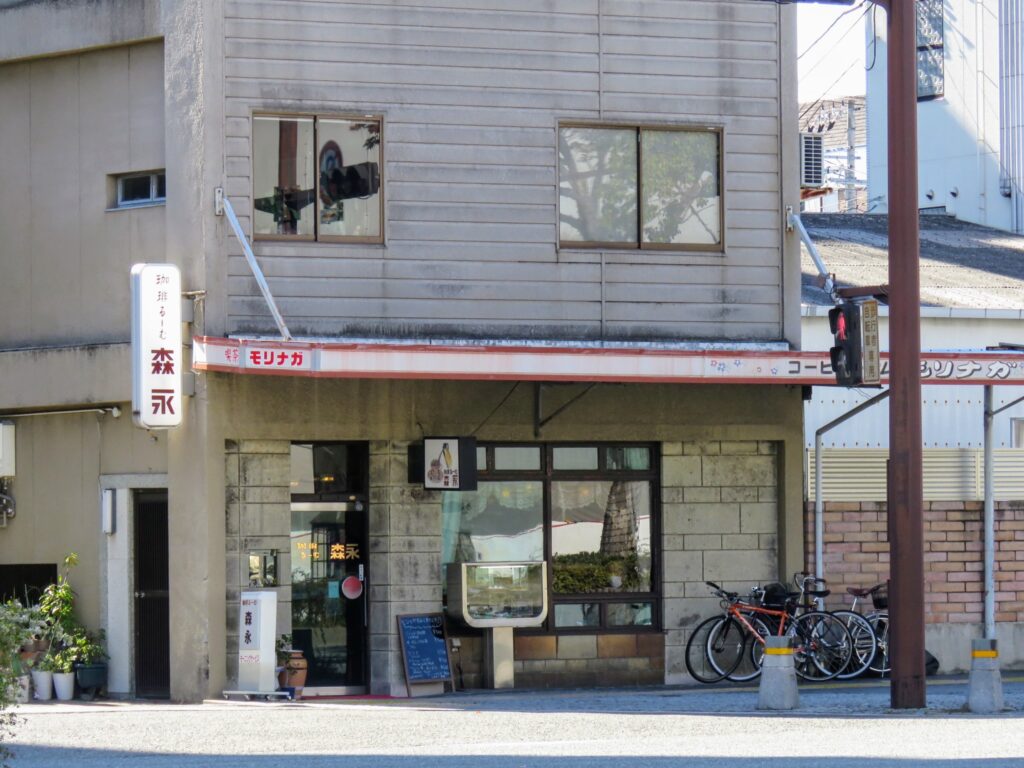
How Cafés Become Places Where Travelers and Locals Naturally Meet
When people imagine coffee culture in Japan, they often think of trendy cafés in Tokyo or specialty roasters in Osaka.
But in Wakayama, coffee tells a different story.
Here, cafés are not only places to drink coffee. They are places where everyday life unfolds.
Morning regulars read newspapers over toast and coffee. Friends stop by after work. Retired neighbors gather for conversations. Students study quietly in the corner. Travelers rest after exploring the town.
For a brief moment, everyone shares the same space.
And perhaps that is one of the most meaningful ways to experience Japan.
More Than a Cup of Coffee
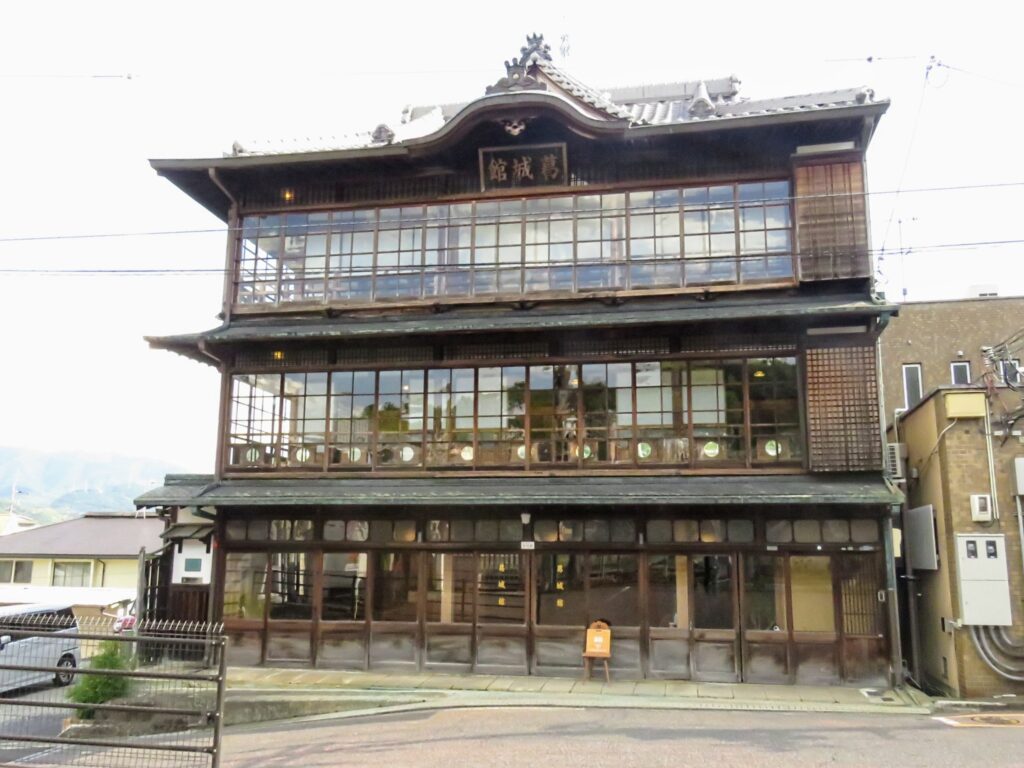
Compared with larger cities, Wakayama has relatively few national coffee chains.
Instead, many cafés are independently owned, each reflecting the personality of its owner and the character of the neighborhood around it.
Some are traditional kissaten that have served customers for decades.
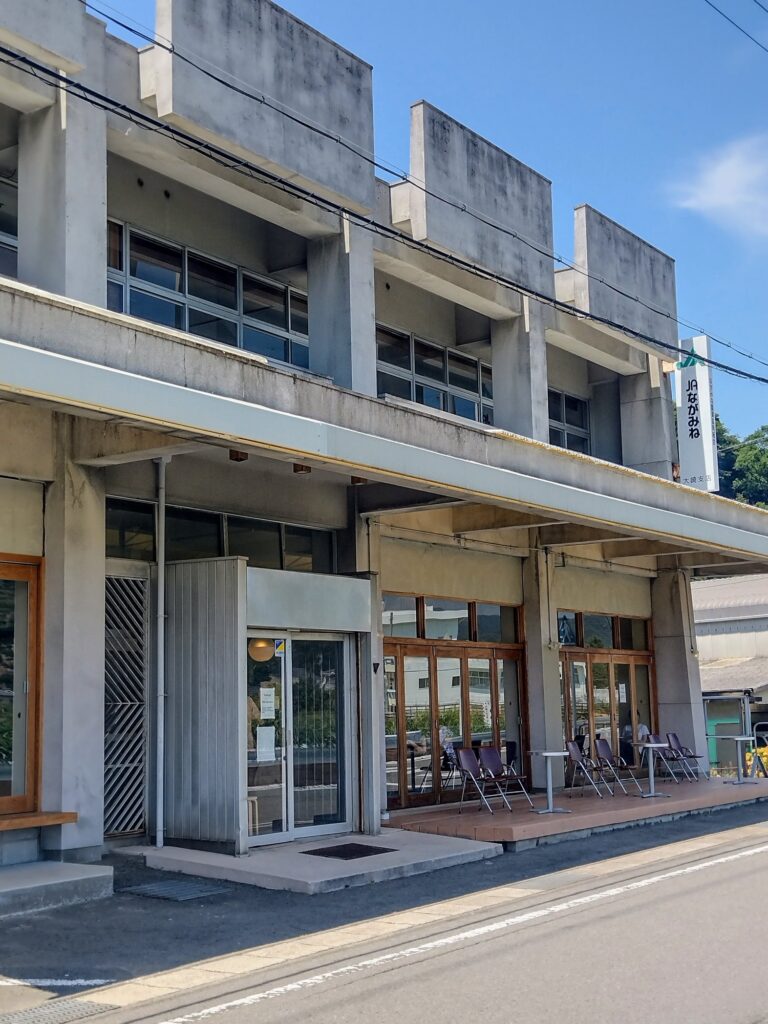
Others are modern specialty coffee shops roasting beans from around the world.
Some occupy renovated traditional houses. Others overlook the sea, rivers, or small shopping streets.
No two places feel exactly alike.
Because these cafés are deeply rooted in their communities, visiting one often feels less like entering a business and more like stepping into a small piece of local life.
The Café as a “Third Place”
In many countries, sociologists describe cafés as a “third place”—neither home nor workplace, but somewhere people gather naturally.
Wakayama’s cafés often serve exactly this role.
Unlike tourist attractions, cafés are shared spaces.
Locals and visitors sit side by side.
Nobody needs to speak perfect Japanese. Nobody needs an itinerary.
Sometimes the experience is nothing more than exchanging smiles with the owner or listening to the rhythm of conversations around you.
But these small moments often become the memories travelers remember most.
A Different Kind of Cultural Experience
Many travelers come to Japan searching for famous landmarks.
Temples.
Castles.
Historic districts.
But culture is not found only in special places.
Culture also lives in ordinary routines.
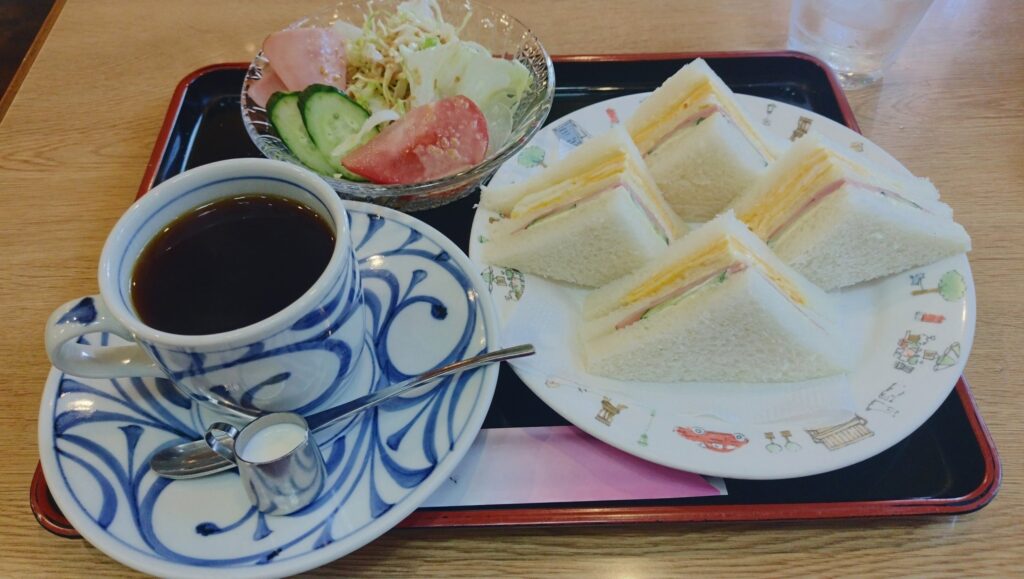
It exists in the morning set served with coffee.
It exists in handwritten menus.
It exists in the owner’s favorite jazz records, the seasonal flowers near the entrance, and the familiar greetings exchanged between customers.
These details reveal something difficult to find in guidebooks:
How people actually live.
Coffee Communities Beyond Individual Shops
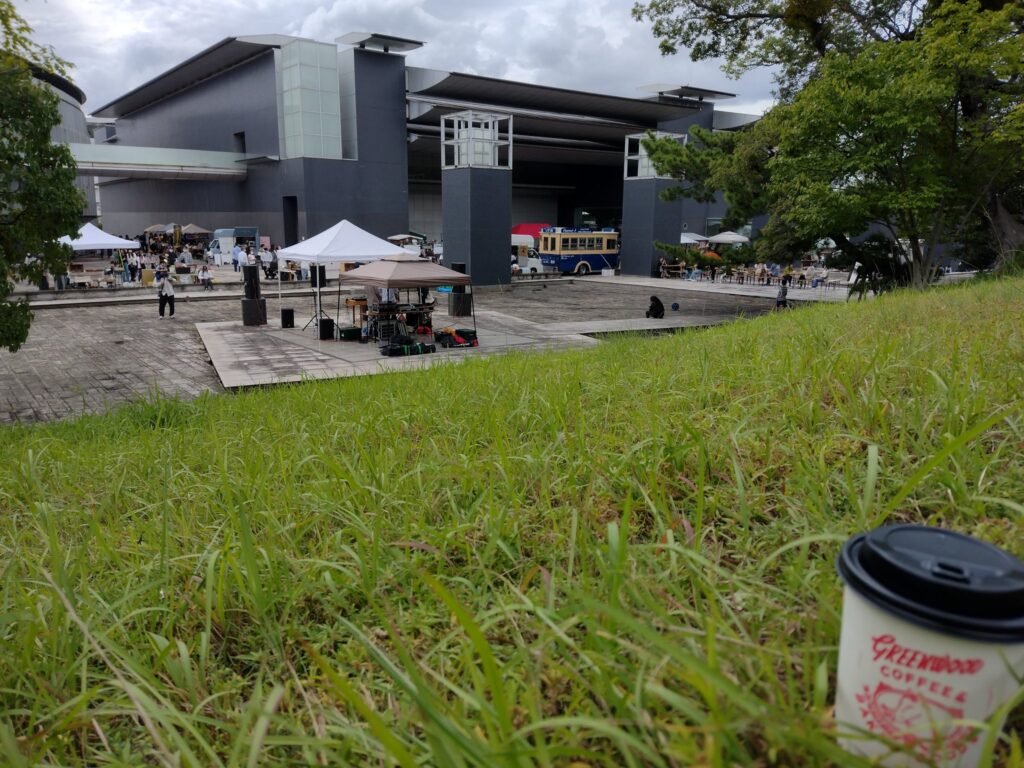
Wakayama’s coffee culture extends beyond individual cafés.
Several times each year, coffee events bring together roasters and café owners from across the prefecture and beyond.
These gatherings create opportunities for people who might never have met otherwise.
Residents, visitors, coffee enthusiasts, and curious first-time guests all come together through a shared appreciation for coffee.
The atmosphere is rarely formal.
People talk.
They discover new flavors.
They exchange stories.
And for a few hours, strangers become part of the same community.
Exploring Wakayama One Café at a Time
One of the pleasures of traveling in Wakayama is that cafés naturally connect with the places around them.
A morning coffee before walking through Wakaura.
A break after exploring the lacquerware town of Kuroe.
An afternoon stop while wandering the historic streets of Yuasa.
A quiet café after a hike along the Kumano Kodo.
Coffee becomes part of the rhythm of the journey.
Not the destination itself, but a gentle pause between experiences.
Perhaps This Is Slow Travel
Slow travel is not necessarily about doing less.
It is about paying attention.
And sometimes, paying attention begins with something as simple as sitting down with a cup of coffee.
In Wakayama, cafés offer more than refreshments.
They offer a chance to experience the everyday life of a place.
Not as a spectator.
But as someone sharing a moment within it.
And sometimes, that is where the most meaningful journeys begin.
Explore the coffee culture in Wakayama through my Curated Kii Peninsula Journey
Or Slow Living Stay.
Related Post
- Wakaura: A Living Cultural Landscape in Japan
- The Lost Culture of Japanese Kissaten Cafes
- Exploring Kuroe: Japanese Lacquerware and the Dining Experience
- Yuasa Travel Guide: The Birthplace of Shoyu Soy Sauce in Japan
No responses yet