
Background: A Chef Completing His Ingredient Journey
Recently, I hosted a sushi restaurant owner from the United States who had been sourcing ingredients from across Japan. He was not simply traveling as a tourist; he had already spent considerable time building relationships with producers in different regions, carefully selecting the ingredients that would ultimately define the quality and identity of his restaurant.
Through these journeys, he had found trusted suppliers for many of the elements he needed. Yet one important piece was still missing: shoyu. Not just any soy sauce, but one with a clear origin, a meaningful story, and a direct connection to Japanese culinary tradition.
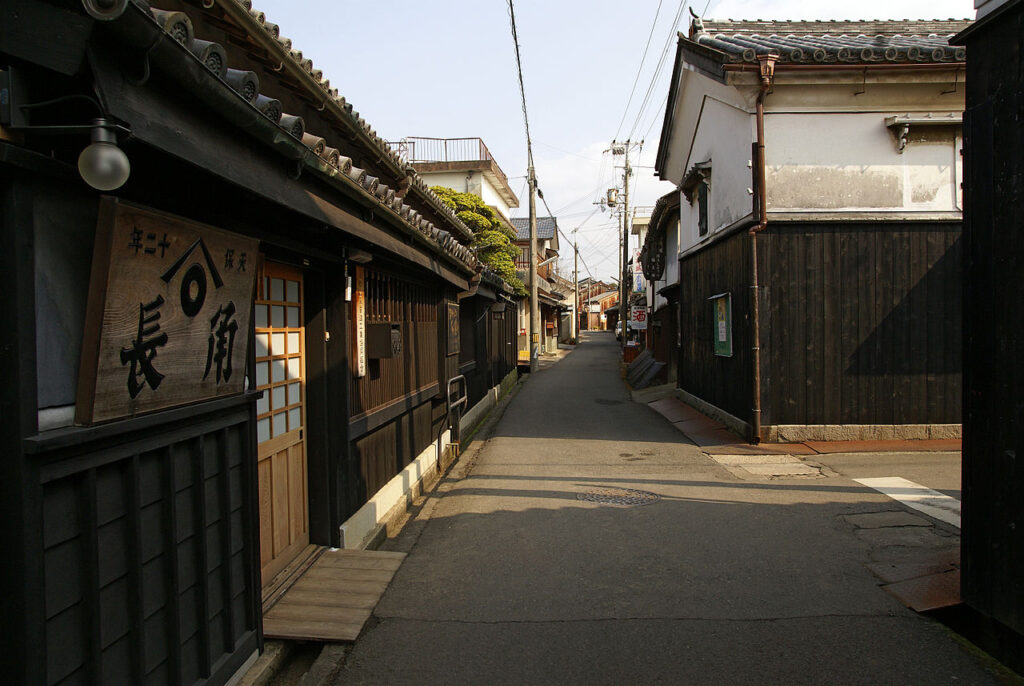
That search eventually brought him to Yuasa Town, the birthplace of shoyu soy sauce. For someone who valued traceability and craftsmanship, Yuasa represented more than a production area. It was a place where the history of one of Japan’s most essential seasonings could still be experienced through the people, techniques, and traditions that have been preserved for generations.
His visit was a reminder that for many chefs and food professionals, understanding an ingredient means more than tasting it. It means understanding where it comes from, how it is made, and the culture that shaped it. In the case of shoyu, that journey often begins in Yuasa.
Why Yuasa Was the Final Piece
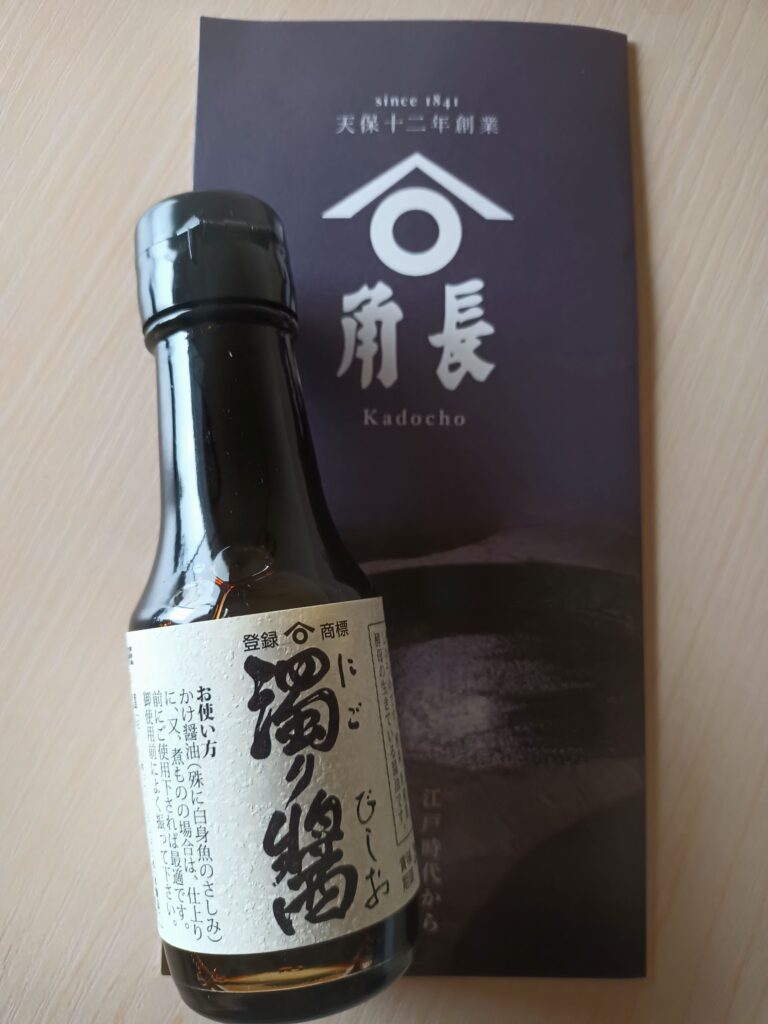
For this chef, choosing shoyu was not simply about finding a supplier. It was about completing a philosophy that guided every aspect of his restaurant. He sought ingredients sourced directly from their places of origin, producers whose methods reflected tradition and integrity, and a story that connected every element on the plate.
Within that philosophy, Yuasa was not optional—it was essential. If each ingredient was meant to express authenticity and a sense of place, then the seasoning at the foundation of Japanese cuisine deserved the same level of attention and respect.
After all, if soy sauce forms the basis of so many Japanese dishes, understanding its origins becomes an important part of understanding the cuisine itself. For a chef committed to tracing ingredients back to their roots, visiting the birthplace of shoyu was a natural step.
Yuasa offered more than a product. It offered context. By meeting producers, learning about traditional brewing methods, and experiencing the town where shoyu first developed, he was able to connect the flavor in the bottle with the history, craftsmanship, and culture behind it. In that sense, the journey was not merely about sourcing an ingredient—it was about deepening the story he could share with every meal he served.
A Different Kind of Selection Process
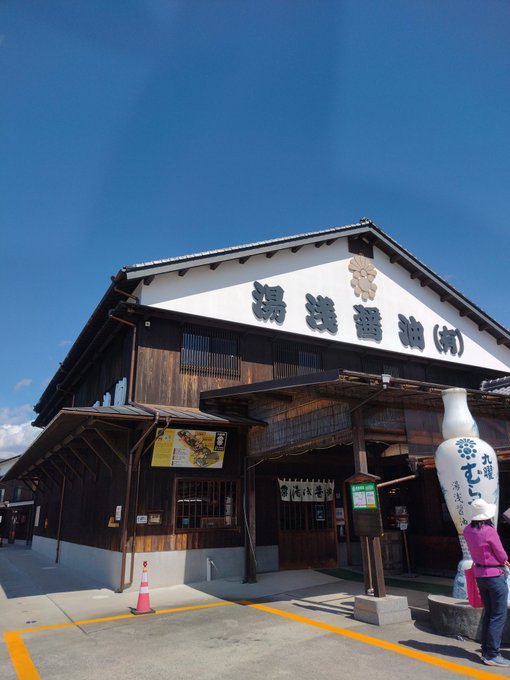
What made this visit unique was the intent behind it. He was not comparing brands on a supermarket shelf or evaluating products through marketing materials. Instead, he wanted to understand the people, places, and processes behind the shoyu itself.
During his time in Yuasa, he walked into fermentation spaces where generations of craftsmanship could be seen and felt. He tasted shoyu directly from barrels, experiencing subtle differences that are often impossible to appreciate in a commercial setting. He also spent time speaking with producers about their methods, discussing not only ingredients and techniques but also the role of time in fermentation and maturation.
These experiences transformed the act of choosing soy sauce into something much deeper. Rather than simply selecting a product, he was selecting a partner in his cuisine—someone whose values, craftsmanship, and commitment to quality would become part of every dish served in his restaurant.
For chefs who care deeply about provenance, this distinction matters. The relationship is no longer transactional. It becomes a collaboration between producer and chef, connected by a shared belief that great food begins with respect for ingredients and the people who create them.
A Key Insight: Taste Beyond “Soy Sauce”
For the visiting chef, the biggest realization was simple: this was not just soy sauce. It was an ingredient with layers. What had initially seemed like a familiar seasoning revealed a remarkable depth of complexity once he began exploring its production and tasting it at the source.
During his visit, he discovered how fermentation time can dramatically influence flavor, aroma, and texture. He experienced variations in umami, sweetness, acidity, and fragrance that are often overlooked when shoyu is treated as a standard pantry item. He also learned how different styles of shoyu can contribute distinct characteristics to a dish, shaping its overall balance rather than merely adding saltiness.
Perhaps most importantly, he came to understand that shoyu can be used as far more than a seasoning. In many Japanese dishes, it functions as a core flavor component that helps define the identity of the cuisine itself. Its role is not simply to enhance other ingredients, but to bring depth, harmony, and complexity to the entire dish.
This shifted his perspective from simply “using shoyu” to understanding and selecting shoyu with the same care he applied to fish, rice, or vegetables. Rather than viewing it as a supporting ingredient, he began to see it as a foundational element of his culinary philosophy—one capable of expressing place, craftsmanship, and tradition in every meal.
“designing dishes around it.”
Business Impact: From Visit to Menu Development
This kind of experience creates tangible business outcomes.
1. Menu Differentiation
- Unique flavor profiles not easily replicated
- Ability to tell a story behind each dish
2. Brand Storytelling
- “We visited the birthplace of shoyu”
- Direct connection to producers
3. Potential Sourcing Relationships
- Interest in importing small-batch products
- Exploring long-term partnerships
Why Yuasa Works for Culinary Professionals
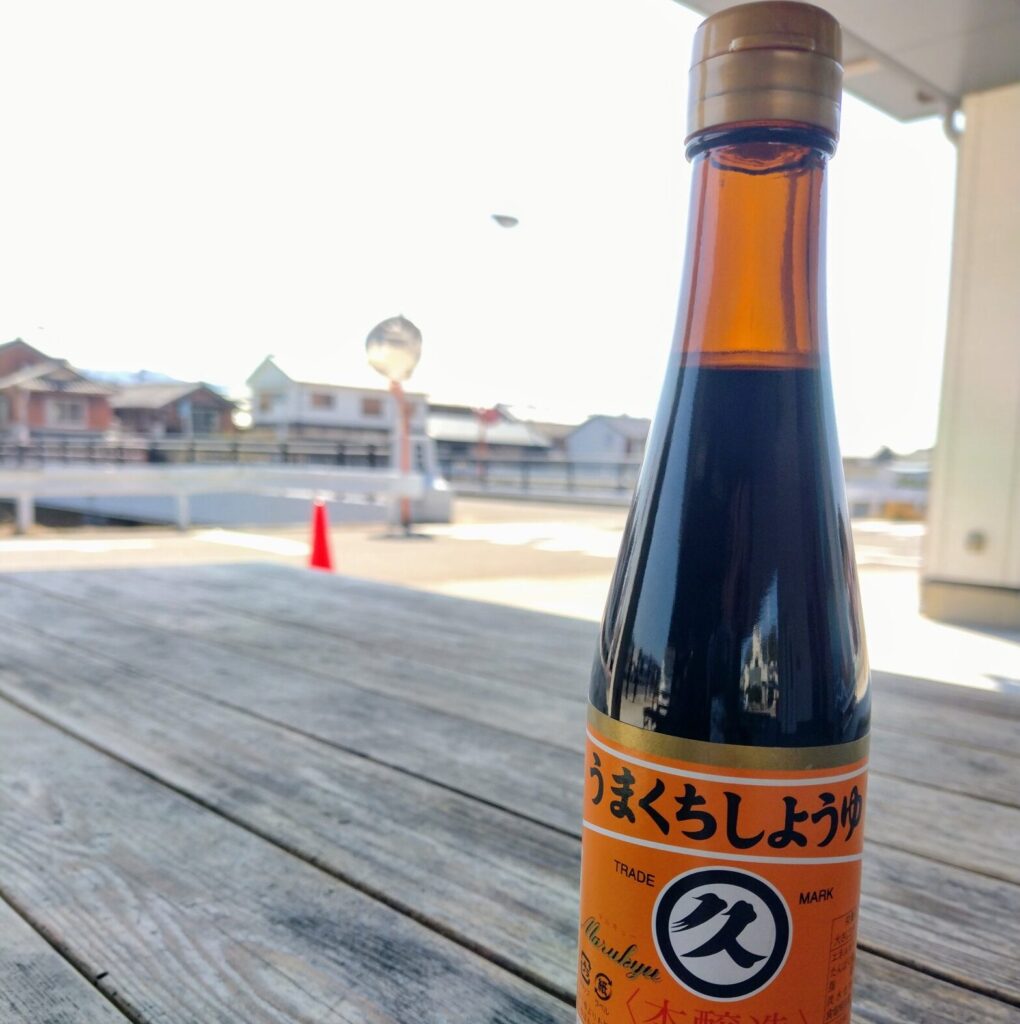
Unlike major culinary destinations, Yuasa offers something increasingly difficult to find: direct access to producers rather than intermediaries. Visitors can meet the people who make the products, observe traditional brewing methods firsthand, and gain an understanding of the craftsmanship that shapes each bottle of shoyu.
The town is also characterized by its small-scale production and a sense of authenticity that has not been overshadowed by large-scale commercialization. Rather than being presented as a carefully packaged attraction, the brewing culture remains closely connected to the everyday lives of the people who continue the tradition. This allows visitors to experience a working food culture rather than a staged representation of one.
For chefs, this environment can be particularly valuable. It offers opportunities to discover new sources of inspiration, encounter unique ingredients, and develop a deeper appreciation for the processes behind them. The experience often extends beyond sourcing products to building relationships and gaining insights that influence how ingredients are used and presented.
Perhaps most importantly, Yuasa provides something that many chefs are actively seeking today: real stories. In an era when diners are increasingly interested in provenance and authenticity, understanding the people, history, and craftsmanship behind an ingredient can add meaning to every dish. These are the stories that chefs can bring back to their restaurants, creating a stronger connection between their cuisine and the traditions that inspired it.
Beyond Soy Sauce: Expanding the Experience
While shoyu was the primary focus of the visit, the region offered much more than soy sauce alone. Yuasa and the surrounding areas are home to a variety of traditional ingredients that together tell a broader story about the food culture of Wakayama and the Kii Peninsula.
Among the most significant is kinzanji miso, a fermented food closely connected to the origins of shoyu culture. Understanding kinzanji miso provides valuable insight into the historical development of Japanese fermentation techniques and the traditions that eventually gave rise to shoyu itself.
The region is also known for its ume (Japanese plum) products, which play an important role in local cuisine and food culture. Nearby areas produce seasonal citrus fruits as well, adding another dimension to the flavors and agricultural heritage of Wakayama. Along the coast, the waters of the Kii Peninsula provide a rich variety of fresh seafood that has long shaped the diets and livelihoods of local communities.
Each of these ingredients adds another layer to the culinary narrative. Together, they reveal that Yuasa is not simply the birthplace of shoyu, but part of a larger food landscape where fermentation, agriculture, and coastal traditions have evolved side by side for centuries. For chefs and food enthusiasts, exploring these connections can be just as rewarding as discovering the soy sauce itself.
The Role of a Private Guide
Many small and medium-sized producers in Japan create exceptional products, from traditional crafts to local foods. However, language barriers, cultural differences, and limited international marketing experience often make it difficult for them to connect directly with overseas buyers.
A private guide can act as a bridge between producers and international partners. Beyond simple interpretation, a guide helps explain the cultural background, production process, and unique value of local products in a way that resonates with foreign markets. By facilitating communication, arranging site visits, and providing cultural context, a private guide helps build trust and mutual understanding between both sides.
In this role, the guide becomes not only a translator, but also a local ambassador who supports meaningful business relationships and opens new opportunities for Japanese producers in the global marketplace.or.
Conclusion: More Than a Visit
For culinary professionals, visiting Yuasa is not primarily about sightseeing. Instead, it is an opportunity to understand ingredients at their source, build relationships with producers, and transform new ideas into dishes that reflect a deeper connection to place and tradition.
By visiting breweries, speaking directly with craftspeople, and experiencing the culture surrounding shoyu production, chefs gain insights that cannot be obtained through catalogs or supplier meetings alone. The experience provides context for flavor, technique, and history, helping them make more informed and meaningful decisions about the ingredients they use.
Equally important are the relationships that develop during these visits. Direct connections with producers can lead to ongoing collaborations, greater trust, and a stronger understanding of the values that shape the products themselves. For many chefs, these relationships become as valuable as the ingredients they discover.
In this case, what began as a simple visit became a creative and commercial catalyst. New ideas emerged, potential partnerships were explored, and the chef returned home with more than a source for shoyu. He gained a deeper understanding of an essential ingredient and new ways to communicate its story through his cuisine. The visit demonstrated how traveling to the source of an ingredient can influence not only what appears on the plate, but also the philosophy behind it.t.
Plan Your Own B2B Culinary Visit
If you are a chef, buyer, or food professional interested in:
- Private access to traditional producers
- Ingredient-focused travel
- Custom-designed culinary experiences
Feel free to reach out.
Each visit is tailored based on your goals—whether it’s inspiration, sourcing, or collaboration.
→Contact me to plan your culinary visit
Related Posts
- Shoyu Is More Than Soy Sauce
- Yuasa Shoyu Soy Sauce & Fermentation Journey
- Why Yuasa Is the Birthplace of Shoyu (Japanese Soy Sauce)
- The Origin of Shoyu Soy Sauce
No responses yet