
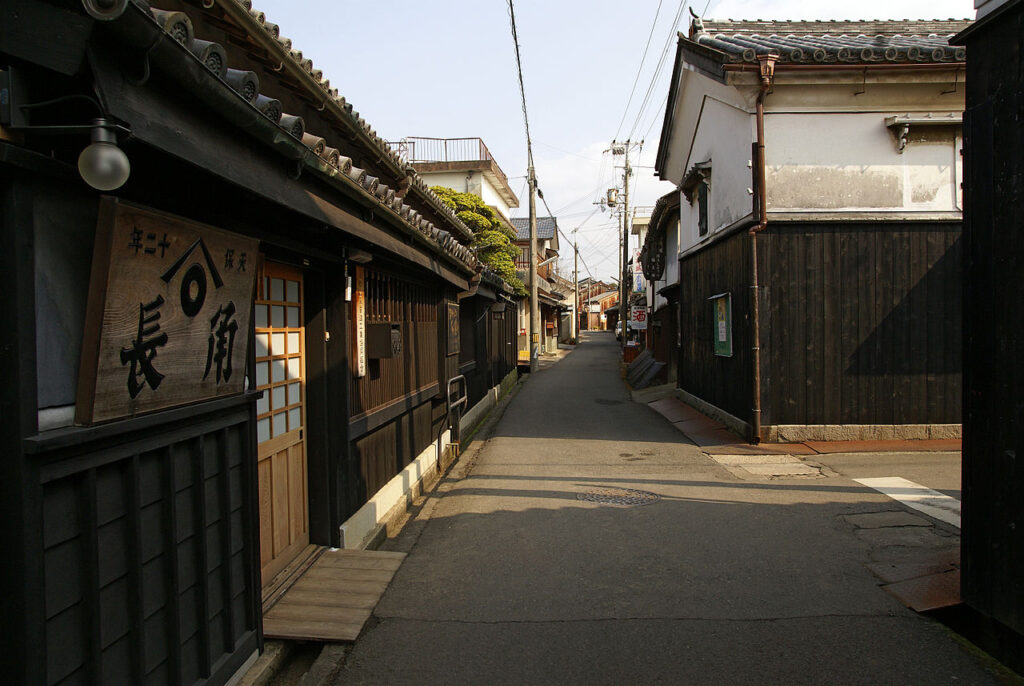
— Irreproducible Craft at Kadocho in Wakayama —
Shoyu Is Not Just “Soy Sauce”
Around the world, it is commonly called “soy sauce.” In Japan, however, it is known as shoyu. This distinction is more than a matter of language. The two terms can suggest very different ways of thinking about the product itself.
The phrase “soy sauce” often implies something standardized—a seasoning that can be manufactured and replicated anywhere in the world. While many products fit that description, traditional Japanese shoyu has historically been shaped by factors that are deeply connected to its place of origin.
Shoyu is influenced by local climate, regional brewing traditions, microorganisms that develop during fermentation, and the knowledge passed down through generations of producers. Time is also an essential ingredient. Months, and sometimes years, of fermentation contribute to flavors and aromas that cannot be rushed or easily reproduced.
To fully appreciate this, it helps to visit the place where the tradition began. In Yuasa, the birthplace of shoyu, the connection between ingredient, environment, and culture becomes tangible. The wooden barrels, fermentation spaces, and brewing practices reveal that shoyu is not simply a condiment—it is the result of a living tradition shaped by centuries of craftsmanship.
Understanding shoyu in this way changes how it is perceived. It is no longer just a bottle on a shelf, but a cultural product whose character reflects the people, history, and environment that created it. To understand that story at its source, there is no better place to begin than Yuasa.
Kadocho Soy Sauce Brewery — Where Shoyu Cannot Be Reproduced
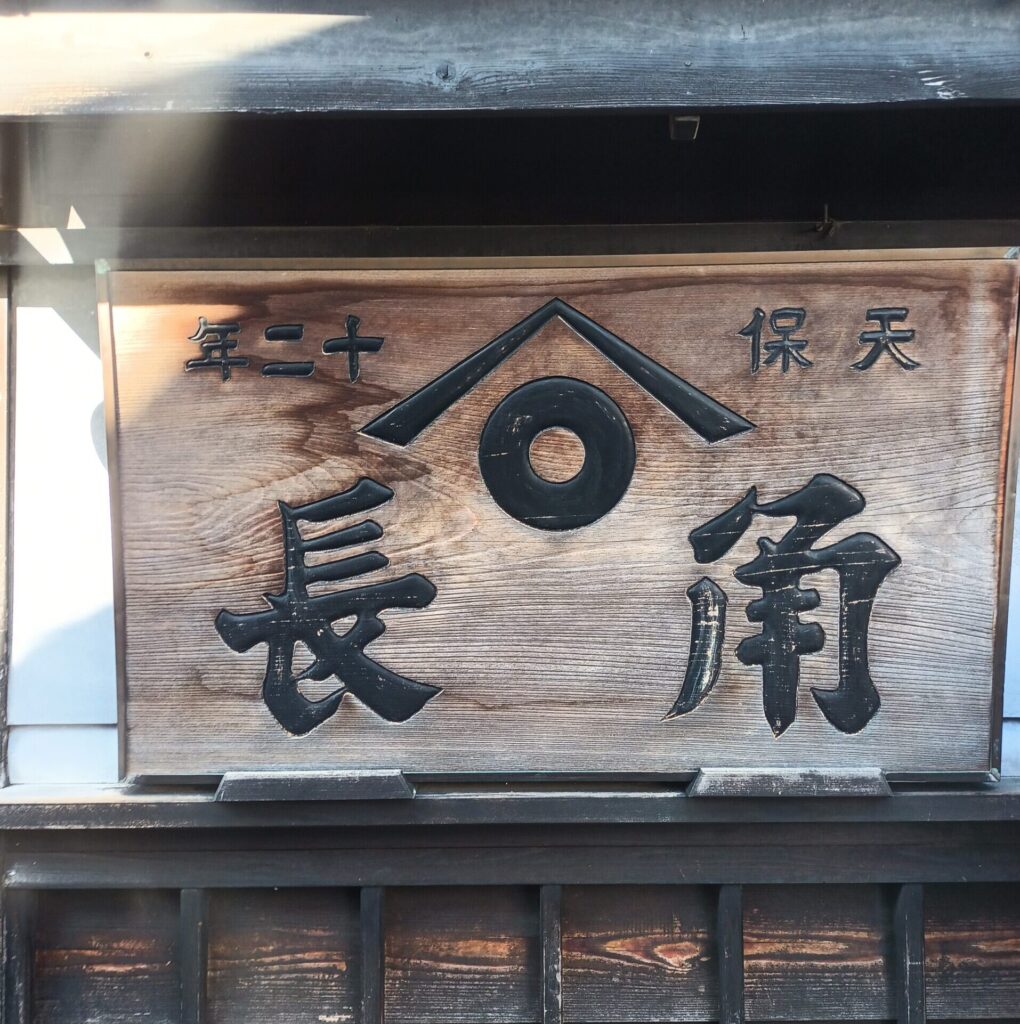
At Kadocho, shoyu is not simply made—it is cultivated within an environment that has been evolving for generations. The brewery itself is an active participant in the process, shaped by decades of continuous fermentation and the accumulation of living microorganisms that contribute to the character of the final product.
Inside the brewery, something largely invisible defines everything: kuratsuki yeast and other microorganisms that live within the building itself. These microbial communities inhabit the wooden pillars and beams, exist in the air, and become part of the unique ecosystem of the brewery. Over time, they help create flavors and aromas that are distinctive to that specific place.
Many of these microorganisms have been present for decades, and in some cases, their lineage may stretch back even further. They are not simply added as ingredients; they are part of the living environment in which fermentation takes place. This is one reason why traditional breweries often place such importance on preserving their historic buildings and production methods.
Perhaps most remarkably, these microbial communities cannot simply be transferred elsewhere. A new facility can replicate the equipment, ingredients, and techniques, but it cannot easily reproduce the exact biological environment that has developed over generations. This makes each traditional brewery unique.
At Kadocho, the flavor of shoyu is therefore connected not only to soybeans, wheat, and salt, but also to the living history contained within the brewery itself. The building is more than a place of production—it is part of the ingredient.
The Microorganisms You Cannot Move
Modern fermentation often seeks to isolate, control, and standardize microorganisms in order to produce predictable results. Kadocho takes a different approach. Rather than relying solely on selected laboratory cultures, the brewery works with the living microbial environment that already exists within the kura.
These microorganisms interact continuously with the ingredients throughout the fermentation process. They respond to changes in temperature, humidity, and the seasons, creating subtle variations that reflect the natural rhythms of the environment. Over time, they evolve within that specific space, becoming part of a unique ecosystem that cannot be separated from the brewery itself.
This is why even if another producer were to copy the exact same recipe, ingredients, and techniques, the result would never be completely identical. The visible process can be replicated, but the invisible biological environment cannot.
The most important ingredient is not written in any recipe. It is the living environment itself. The microorganisms that inhabit the brewery, the climate that shapes their activity, and the generations of fermentation that have taken place within those walls all contribute to the character of the final shoyu.
In this sense, Kadocho is not simply producing shoyu—it is stewarding an ecosystem. Each batch reflects a relationship between people, ingredients, time, and the living microbial community that has developed within the brewery over generations. This is one reason why traditional shoyu brewing remains so deeply connected to place, and why the flavor of authentic shoyu cannot be fully separated from its origin.
Barrels That Carry Time
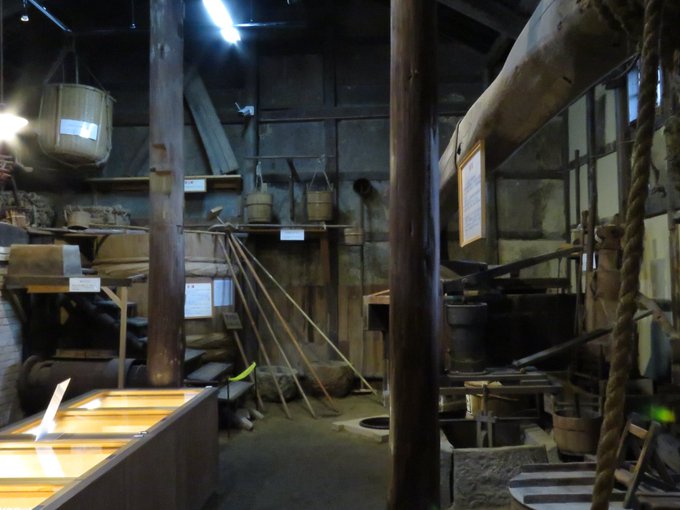
The fermentation does not take place in neutral containers. At Kadocho, it occurs inside large wooden barrels made from Yoshino cedar, many of which have been in continuous use for more than 200 years. These barrels are not simply vessels for holding liquid; they are an integral part of the brewing process itself.
Over generations, the wood has absorbed and retained countless microorganisms that contribute to the unique microbial environment of the brewery. As fermentation progresses, the barrels interact with the shoyu, helping to shape its character in ways that are difficult to measure but impossible to ignore. The cedar also contributes subtle layers of aroma and complexity that become part of the final product.
Unlike stainless steel tanks designed for consistency and control, these historic barrels participate in the fermentation process. They provide a living habitat where microorganisms can thrive and interact with the ingredients over long periods of time.
For this reason, a newly constructed barrel would not produce exactly the same result. Even if it were made from the same type of wood and built using the same techniques, it would lack the generations of microbial life that have accumulated within the older barrels.
In a sense, these barrels have become part of the ecosystem. They are not merely tools used to make shoyu; they are repositories of living history, carrying forward the biological and cultural legacy of centuries of brewing. The flavor of Kadocho’s shoyu is therefore shaped not only by the brewer and the ingredients, but also by the barrels themselves.
Ingredients That Resist Efficiency
Most mass-produced soy sauce today is made using defatted soybeans. From an industrial perspective, the approach makes sense: it is efficient, economical, and highly predictable. Producers can achieve consistent results while maximizing production efficiency and reducing costs.
Kadocho chooses a different path. Instead of defatted soybeans, the brewery uses whole soybeans sourced from Okayama. This decision may seem simple, but it influences every stage of the fermentation process and ultimately shapes the character of the finished shoyu.
Whole soybeans contain oils, proteins, and other components that contribute to a richer and more complex fermentation. As the ingredients break down over time, they create deeper layers of flavor, aroma, and umami. The process is less efficient from a production standpoint, but it allows for a broader range of flavors to develop naturally.
In many industries, optimization is considered an unquestionable goal. Kadocho takes a different view. Rather than pursuing maximum efficiency, the brewery prioritizes depth, character, and quality. The choice to use whole soybeans reflects a willingness to accept lower efficiency in exchange for a more expressive and distinctive product.
In this sense, the decision is more than a technical one. It is a statement about values. By choosing whole soybeans and traditional fermentation methods, Kadocho preserves an approach to brewing that places flavor and craftsmanship above convenience. The result is a shoyu that reflects not only its ingredients, but also a philosophy that resists standardization in favor of authenticity and depth.
Time as a Non-Negotiable Element
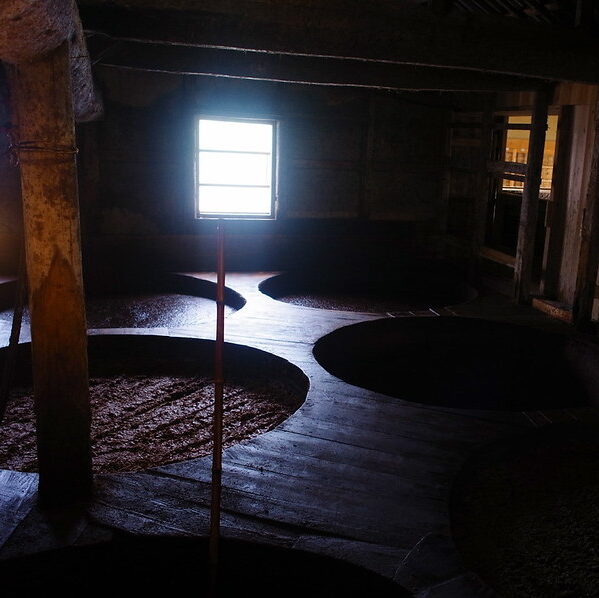
Even with the right environment, historic wooden barrels, and carefully selected ingredients, one element remains unavoidable: time. No amount of technology, expertise, or effort can eliminate the role that time plays in traditional shoyu brewing.
At Kadocho, shoyu is aged for at least 18 months, and often for more than two years. Throughout this period, microorganisms gradually break down proteins and starches, creating the complex flavors, aromas, and layers of umami that define traditionally brewed shoyu. The process unfolds slowly, following a natural pace that cannot be rushed without changing the result.
There is no way to compress this stage of production. Fermentation is not merely a chemical reaction that can be accelerated at will. It is a transformation that occurs through countless interactions between ingredients, microorganisms, climate, and time itself.
As the months pass, flavors deepen, aromas become more refined, and the character of the shoyu gradually emerges. What begins as a mixture of soybeans, wheat, salt, and water becomes something far more complex than the sum of its parts.
This is one of the defining characteristics of traditional brewing. Time is not simply a production cost or a scheduling challenge—it is an essential ingredient. Just as whole soybeans contribute depth and wooden barrels contribute character, time contributes maturity and complexity.
At Kadocho, that reality is accepted rather than resisted. The brewery’s approach reflects a simple understanding: transformation requires time, and some things cannot be negotiated. The quality of the final shoyu depends on allowing nature to proceed at its own pace.
Why It Cannot Be Replicated
When people try to understand traditional shoyu, they often ask:
“Can this be reproduced elsewhere?”
Technically, parts of it can.
But the whole cannot.
Because Kadocho’s shoyu is defined by a combination of factors that cannot be separated:
- Kuratsuki microorganisms living in the structure
- Centuries-old Yoshino cedar barrels
- Whole soybeans chosen over efficiency
- Time measured in years, not schedules
Remove any one of these, and the result changes.
Remove all of them, and it becomes something else entirely.
The Meaning of Pride
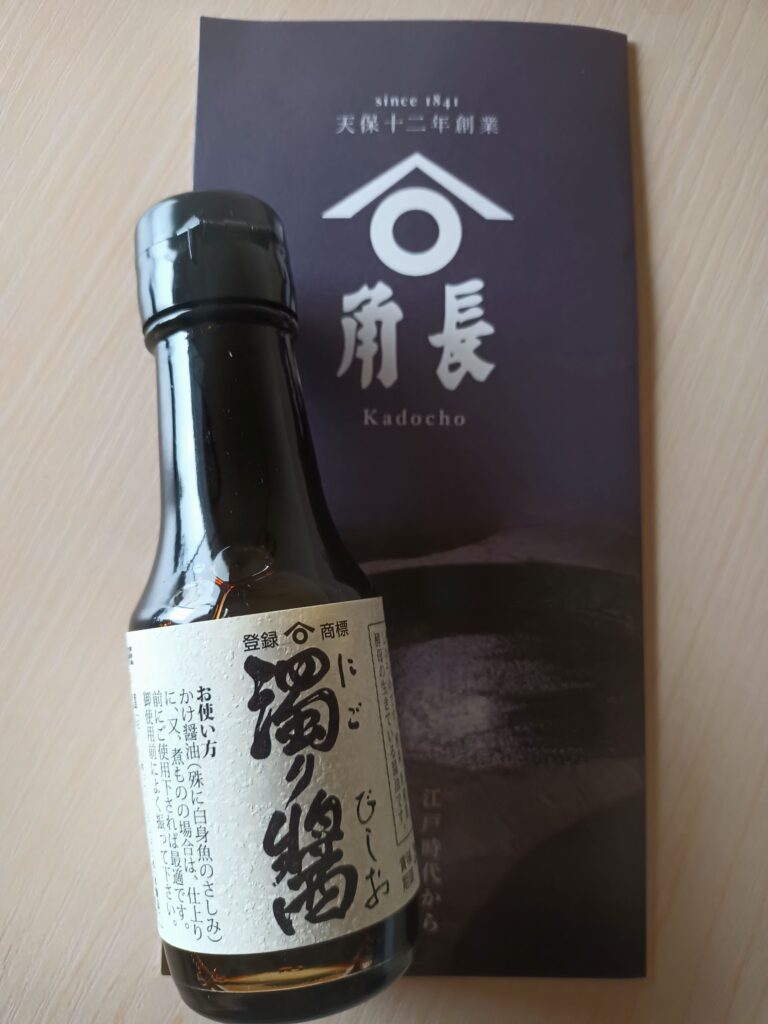
This is where pride exists. It is not found in branding, marketing campaigns, or production scale. Nor is it measured by how much can be produced in the shortest amount of time. Instead, it lies in the commitment to continue a way of making shoyu that refuses to conform entirely to the demands of efficiency and standardization.
At Kadocho, pride comes from the decision to preserve something that cannot be optimized. The brewery continues to work with living microorganisms, centuries-old wooden barrels, whole soybeans, and long fermentation periods, even though each of these choices requires greater patience and effort than modern alternatives.
There is also pride in protecting what cannot be replaced. Once a microbial ecosystem disappears, once historic barrels are discarded, or once traditional knowledge is lost, they cannot simply be recreated. Preserving them requires a conscious decision to value continuity over convenience.
In many industries, success is defined by increasing efficiency and reducing variability. Traditional shoyu brewing often moves in the opposite direction. It accepts uncertainty, embraces natural processes, and allows time to play its essential role. This approach resists the logic of modern production, not out of nostalgia, but because it produces something fundamentally different.
The result is more than a product. It is the continuation of a living tradition. The pride of breweries like Kadocho comes from serving as custodians of that tradition, ensuring that the accumulated knowledge, environment, and craftsmanship of generations remain alive for the future.
Beyond Flavor
When you taste Kadocho’s shoyu, you are not simply tasting a seasoning. The flavor reflects far more than a combination of soybeans, wheat, salt, and water. It represents the accumulated influence of countless factors that have interacted over generations.
With each drop, you are experiencing a living microbial environment that has developed within the brewery over decades and centuries. You are tasting the influence of wooden barrels that have supported fermentation for generations and materials that have been shaped by time, climate, and continuous use. You are also encountering the result of decisions made by brewers who chose preservation over convenience and continuity over efficiency.
The depth of the shoyu comes not only from its flavor, aroma, and umami, but also from the context behind it. Every stage of the process carries a story: the choice of whole soybeans, the use of centuries-old cedar barrels, the presence of kuratsuki microorganisms, and the patience required for long-term fermentation.
This is what makes traditional shoyu fundamentally different from a standardized industrial product. Its value cannot be understood through taste alone. The flavor is inseparable from the environment that produced it and the people who have maintained that environment across generations.
In that sense, what you experience is not simply depth of flavor. It is depth of context. The taste becomes a reflection of place, history, craftsmanship, and time—a reminder that some foods carry with them far more than their ingredients.
An Invitation
If you see shoyu as just an ingredient,
it will always appear interchangeable.
But if you begin to see it as something shaped by place, time, and life—
Then there is only one way to understand it.
You have to go there.
To Yuasa.
To Kadocho Soy Sauce Brewery.
Where shoyu is not reproduced—
But continues to exist.
Explore: Yuasa Shoyu Experience (for tourists)
Source Authentic Ingredients & Meet Artisans in Wakayama (for chefs and buyers)
Read: How Shoyu Shaped the Japanese Sense of Taste
:Yuasa Shoyu Soy Sauce & Fermentation Journey
No responses yet