
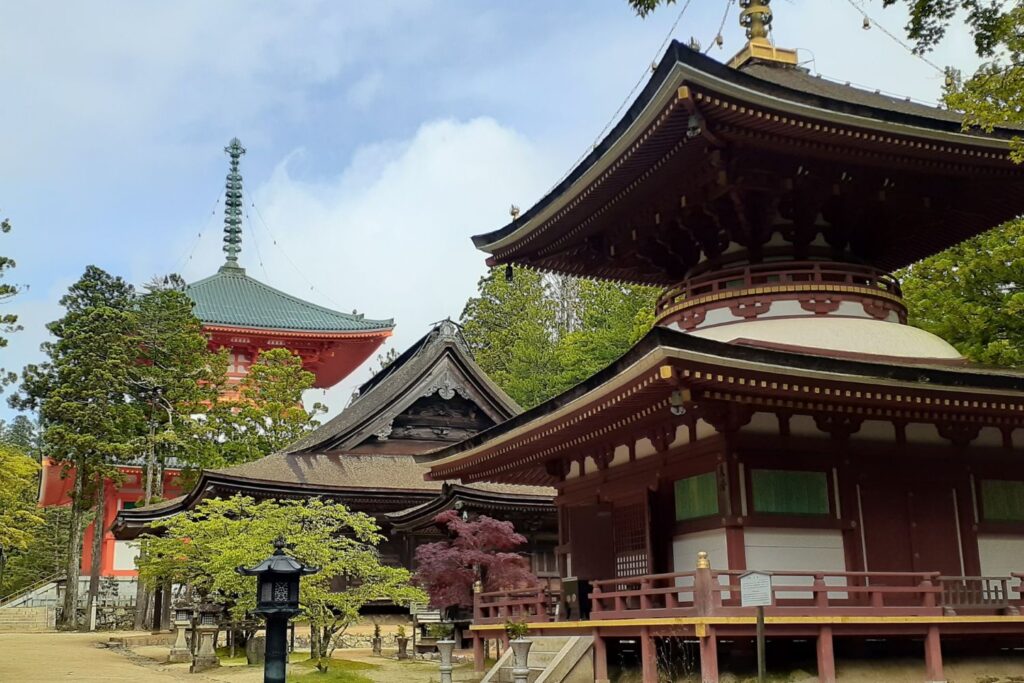
Koyasan is one of Japan’s most important Buddhist destinations. Located in the mountains of Wakayama Prefecture, this sacred settlement has been a center of Shingon Buddhism for more than 1,200 years.
For many travelers, a visit to Koyasan means exploring its magnificent temples and walking through the atmospheric cemetery of Okunoin. But there is much more to discover. You can experience Buddhist meditation, attend morning prayers, try traditional vegetarian cuisine, explore historic pilgrimage routes, and walk through a mountain landscape shaped by centuries of religious practice.
Rather than rushing from one famous site to another, consider spending a little more time here. Koyasan reveals a different side of Japan when you slow down and experience its daily rhythms.
Here are the best things to do in Koyasan, whether you are visiting on a day trip or planning an overnight stay.
1. Explore Danjo Garan, the Spiritual Heart of Koyasan
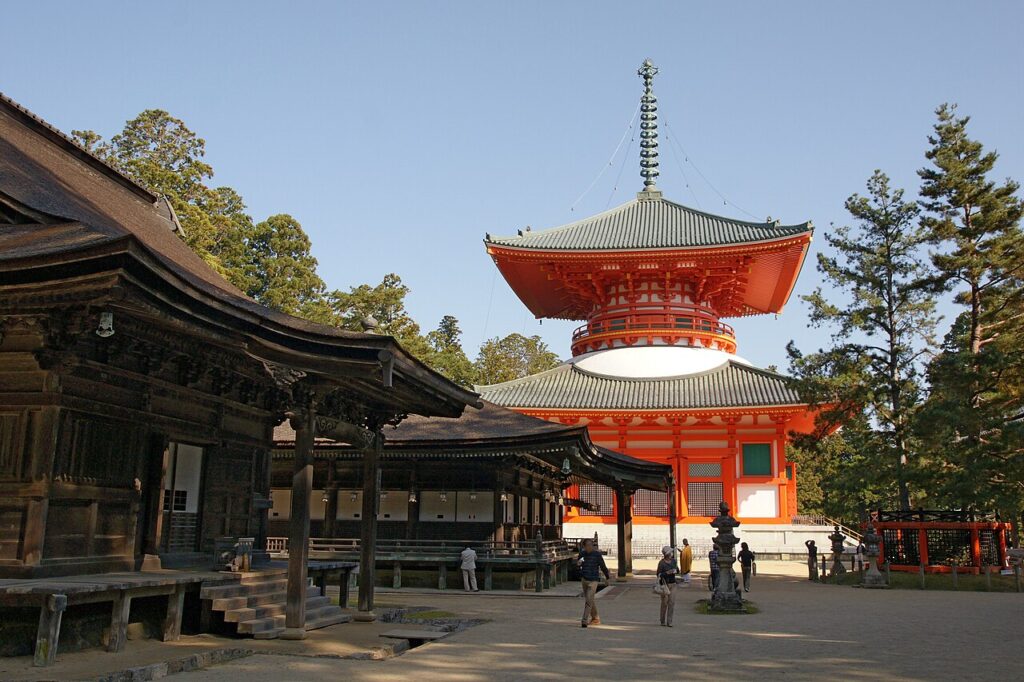
Danjo Garan is one of the two most sacred areas of Koyasan. It is closely associated with Kobo Daishi Kukai, the Buddhist monk who established Koyasan as a center of Shingon Buddhism in the early ninth century.
The complex contains several important halls and pagodas, surrounded by trees and traditional temple architecture. Rather than being a single temple, Danjo Garan is a collection of buildings that together express the religious world of Shingon Buddhism.
See the Konpon Daito Pagoda
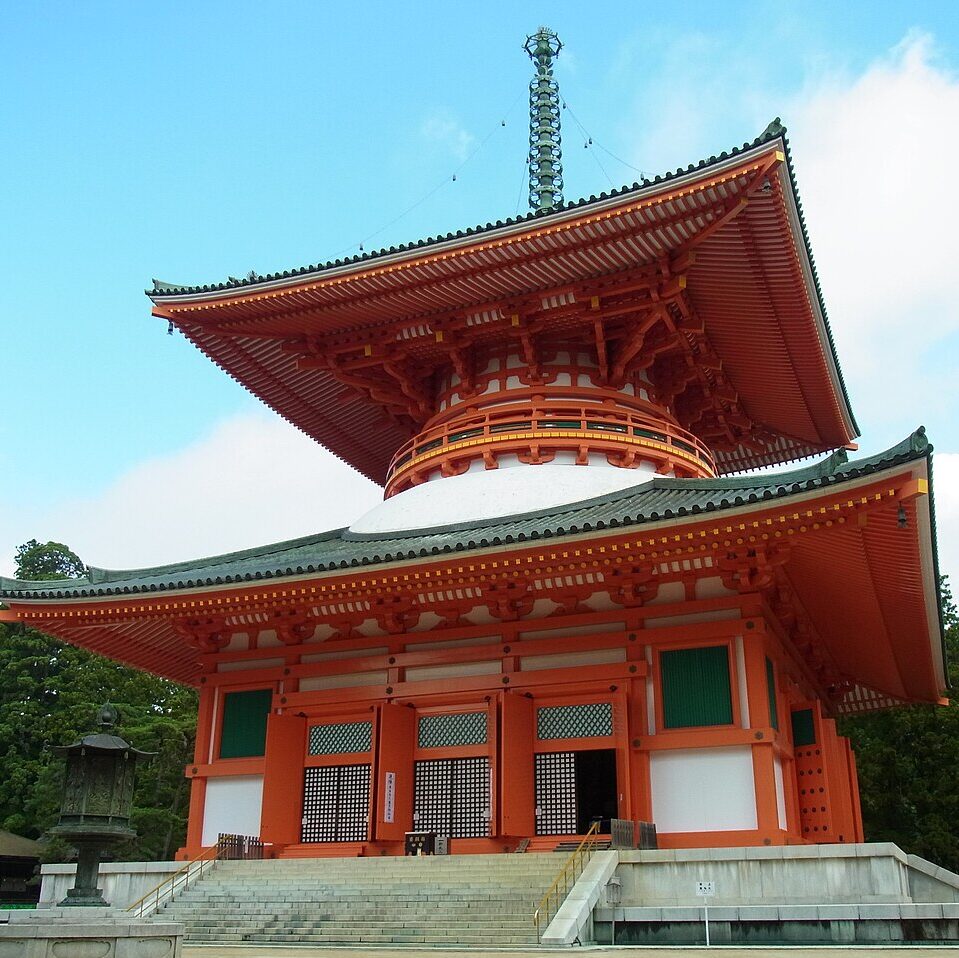
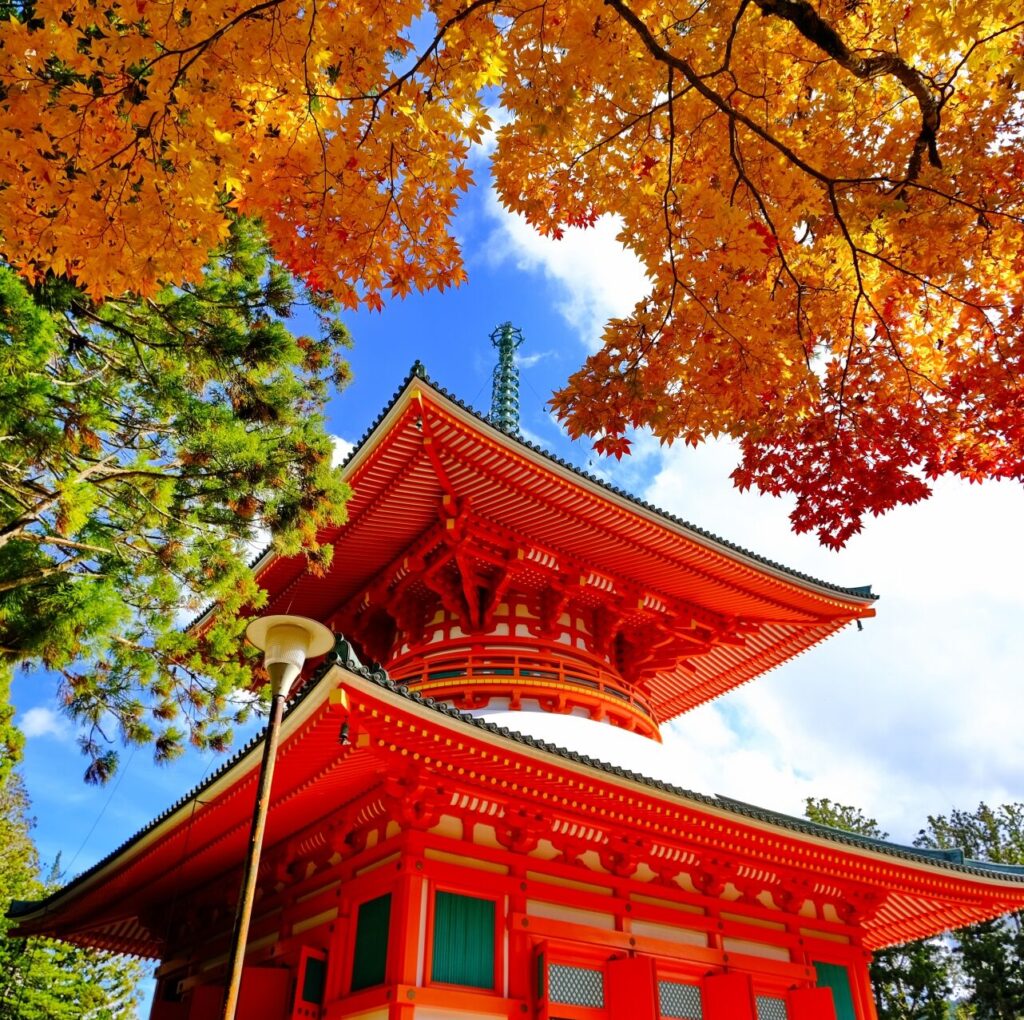
The striking Konpon Daito, or Great Fundamental Pagoda, is one of Koyasan’s most recognizable landmarks.
Its vivid color and distinctive architecture make it stand out among the surrounding cedar trees. Inside, Buddhist statues and a three-dimensional mandala represent the spiritual universe central to Shingon Buddhist thought.
A mandala is more than a decorative religious image. It offers a visual representation of Buddhist teachings and the relationship between different Buddhas and bodhisattvas.
Understanding this symbolism adds another dimension to the experience of visiting the pagoda.
Visit Kondo Hall
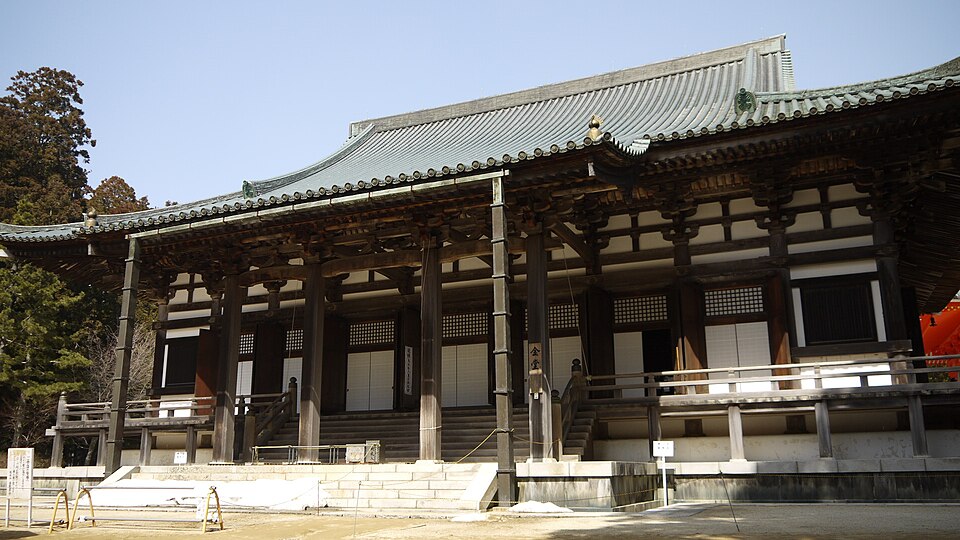
Kondo Hall is another important building within the complex. Major Buddhist ceremonies are held here, making it an important center of religious life on the mountain.
As you walk around Danjo Garan, pay attention to the relationships between the buildings, the surrounding forest, and the open spaces. The complex is not simply a collection of architectural attractions; it is a carefully established religious landscape.
A tip for visitors: Allow time to explore the grounds on foot rather than treating Danjo Garan as a quick photo stop. Even a short walk can reveal details that are easy to miss when following a checklist of famous sights.
2. Visit Kongobuji Temple and Discover the History of Koyasan
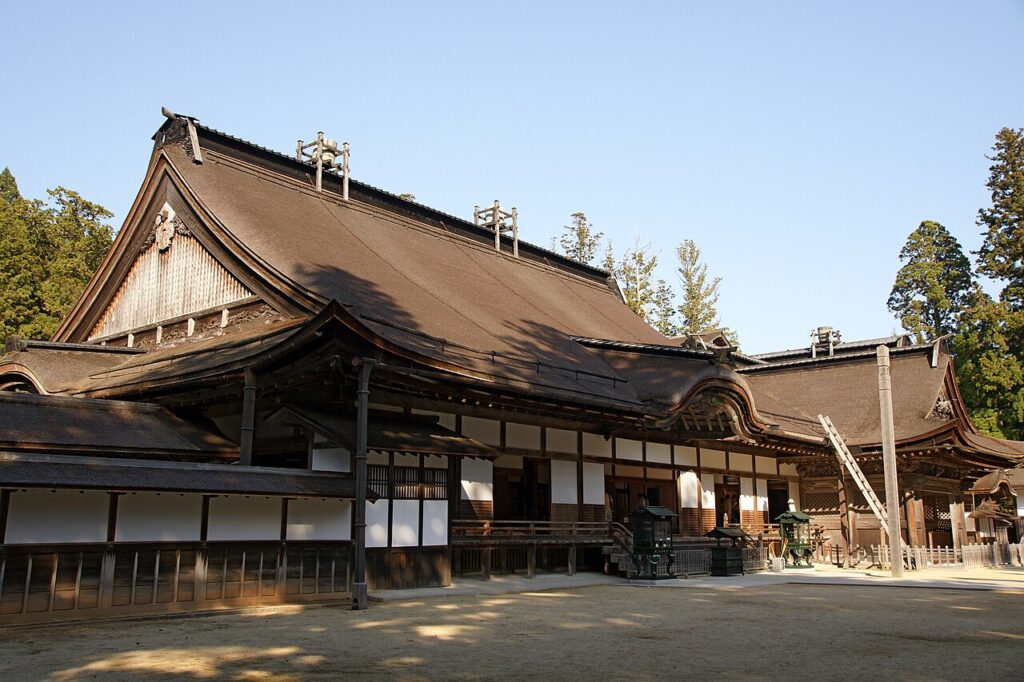
Kongobuji is the head temple of Koyasan Shingon Buddhism and one of the most important places to understand the mountain’s religious and historical significance.
The temple was established in 1593 by Toyotomi Hideyoshi, one of the most powerful figures in Japanese history. It was later merged with a neighboring temple and became the headquarters of the Koyasan Shingon Buddhist community.
This history reveals an important aspect of Koyasan: its development was influenced not only by religious teachings but also by political power, patronage, and the changing circumstances of Japan.
Admire the Banryutei Rock Garden
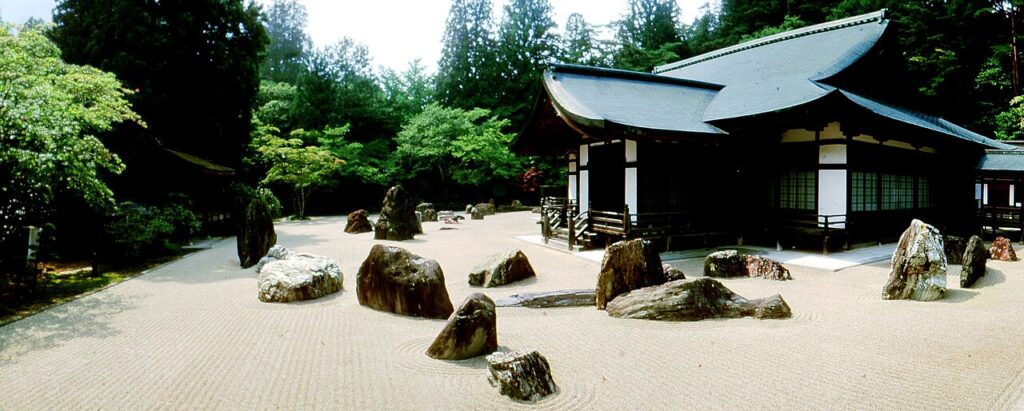
One of Kongobuji’s highlights is Banryutei, a large rock garden designed to evoke two dragons emerging from a sea of clouds.
The garden invites visitors to contemplate the relationship between natural forms and abstract symbolism. Its stones, gravel, and surrounding architecture create a different atmosphere from the densely wooded paths of Okunoin.
Inside the temple, you can also see rooms decorated with painted sliding doors, as well as the large traditional kitchen that once served the temple community.
These spaces offer glimpses into the practical side of monastic life, where religious activities depended on cooking, maintenance, administration, and the hospitality extended to visitors.
Look Beyond the Architecture
Kongobuji is especially interesting when considered in relation to the wider history of Koyasan.
How did a remote mountain community become one of Japan’s major religious centers? How did temples maintain their traditions through periods of political change? And how did patronage from powerful historical figures influence the development of Buddhist institutions?
These questions turn a temple visit into an exploration of Japanese history.
For travelers interested in history, religion, and traditional architecture, Kongobuji deserves more than a brief stop.
Related post: Kongobuji Temple, Koyasan: Exploring the Head Temple of Shingon Buddhism
3. Walk Through Okunoin, Koyasan’s Sacred Cemetery

Okunoin is often the most memorable part of a visit to Koyasan.
A path leads through an extensive cemetery beneath towering Japanese cedar trees. Stone monuments, memorial pagodas, and graves belonging to people from different periods of Japanese history line the route.
At the far end lies Kobo Daishi’s mausoleum, the spiritual focus of this sacred area.
For followers of Shingon Buddhism, Kobo Daishi is not simply a historical figure. According to the tradition, he remains in eternal meditation at Okunoin, continuing to watch over living beings.
This belief helps explain why Okunoin remains an active place of worship rather than merely a historical monument.
Discover the Stories Behind the Monuments
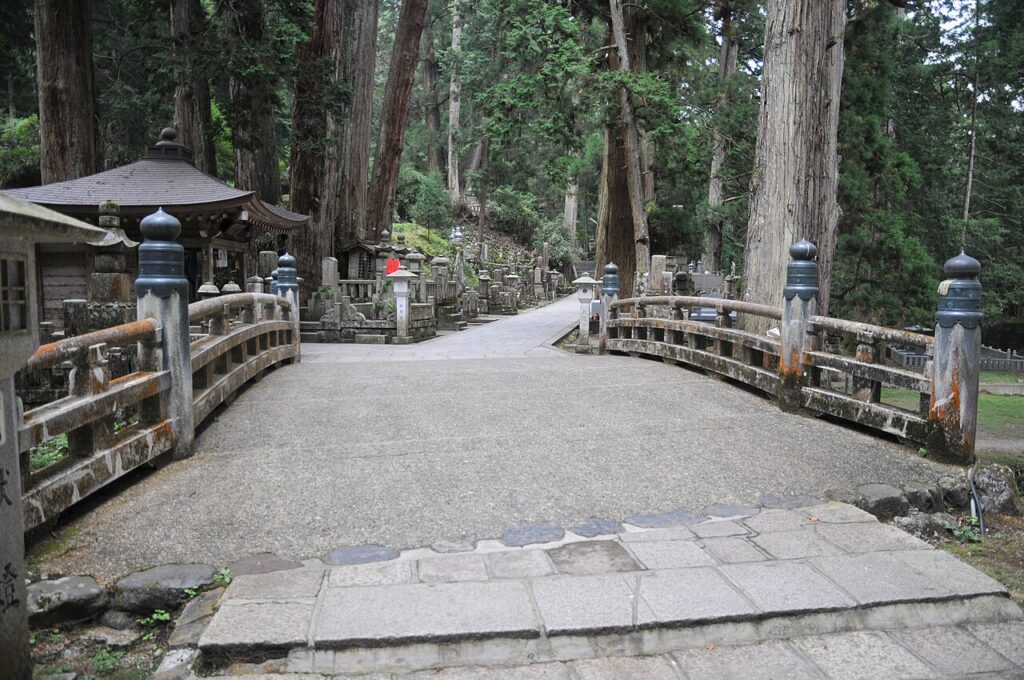
The cemetery contains memorials associated with prominent historical figures, including samurai leaders and influential Japanese families.
Yet the most interesting aspect of Okunoin is not necessarily the fame of the people buried there. It is the way the cemetery reflects centuries of Japanese attitudes toward death, remembrance, and religious devotion.
Different generations have placed their memorials in this sacred landscape, creating a place where history and religious belief coexist.
Some monuments are elaborate, while others are modest. Moss covers old stone surfaces, and the surrounding trees create a sense of continuity that is difficult to experience in a modern city.
Experience Okunoin at a Slower Pace
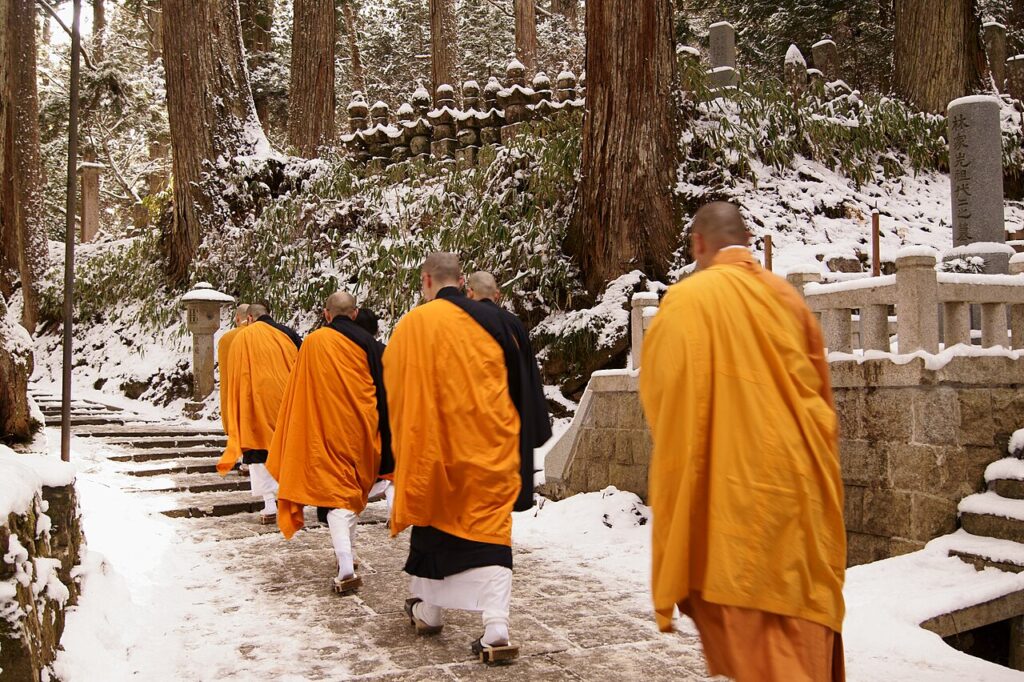
Rather than walking quickly to the mausoleum and returning immediately, take time to observe the details along the route.
Look at the different forms of memorials, notice how the forest changes the atmosphere, and consider why people have chosen this place to honor their ancestors and loved ones.
Visitors should remember that Okunoin is an active sacred site. Speak quietly, follow local instructions, and be considerate of people who are there to pray.
For travelers seeking a deeper understanding of Koyasan, Okunoin is best experienced as a place of living faith, not simply as a cemetery or sightseeing attraction.
Related post: What Makes Okunoin Different from Ordinary Cemeteries?
4. Learn About Buddhist Art and History at Reihokan Museum
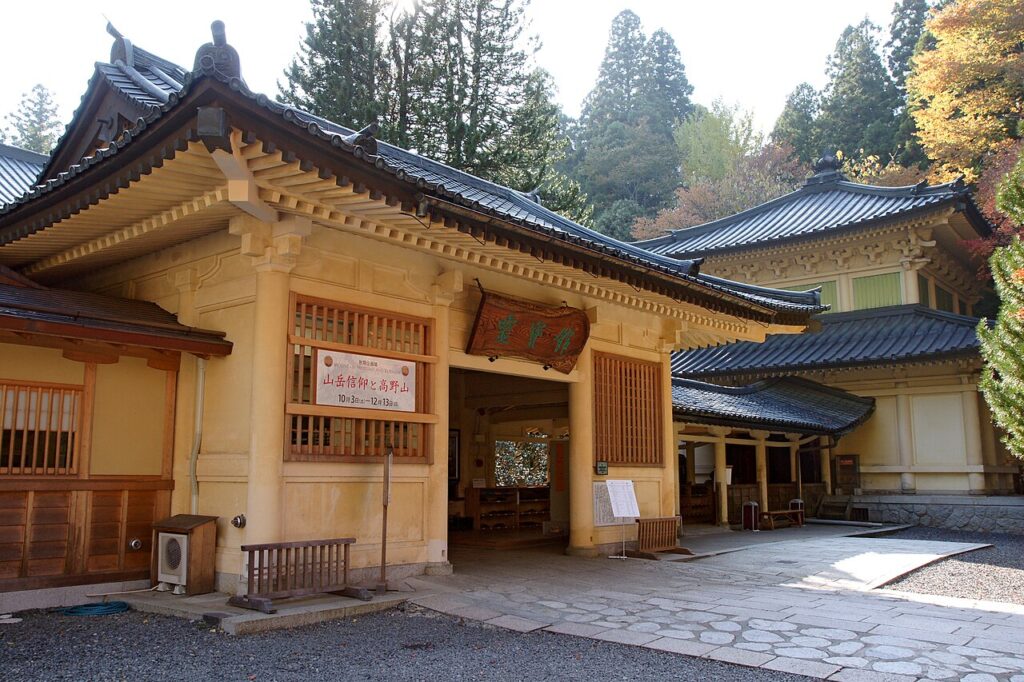
If you are interested in Japanese Buddhist art, Koyasan Reihokan Museum is well worth visiting.
The museum preserves and displays religious treasures associated with Koyasan, including Buddhist images, sculptures, and other cultural properties accumulated over centuries.
The collection provides another way to understand the mountain’s history. While temples reveal how religious spaces are used, the museum helps visitors appreciate the artistic traditions and craftsmanship that developed around Buddhist worship.
Buddhist sculptures, in particular, are not merely works of art. Their forms, gestures, and symbolic attributes communicate religious ideas.
A visit to Reihokan can therefore deepen your understanding of the statues and images encountered at Danjo Garan and other temples.
For visitors with a strong interest in Japanese history, religion, or art, it is a useful addition to a temple-focused itinerary.
Check the museum’s official website for current opening hours and exhibition information before visiting.
5. Experience Buddhist Practices: Meditation, Sutra Copying & Morning Prayers
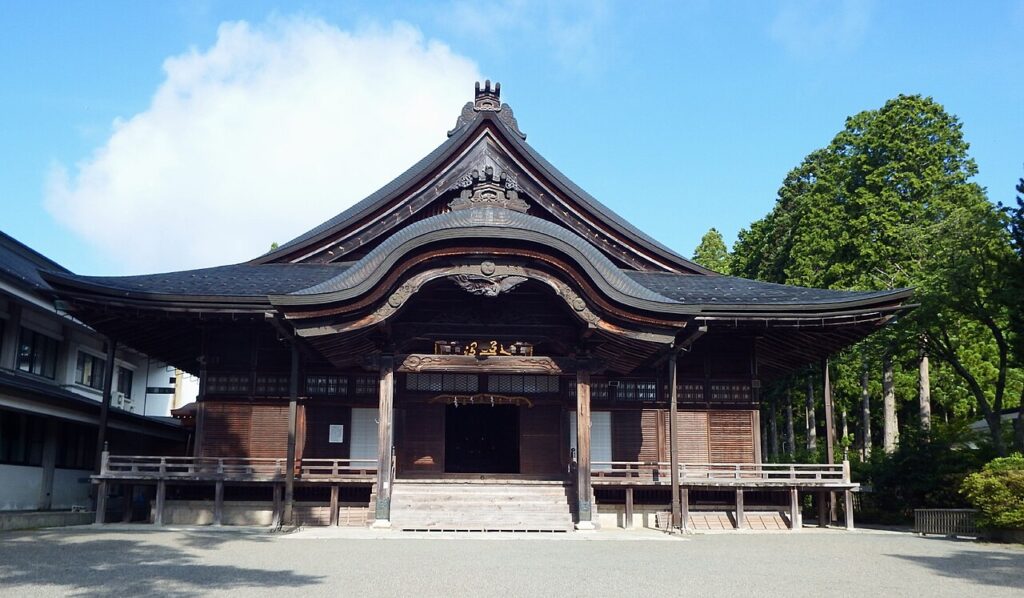
One of the most distinctive things to do in Koyasan is to participate in Buddhist activities.
Unlike many historic attractions, Koyasan is still a living religious community. Some temples welcome visitors to experience selected practices that have been part of monastic life for generations.
Availability varies by temple, so it is important to check the details and make reservations where required.
Try Ajikan Meditation
Ajikan is a form of meditation associated with Shingon Buddhism.
The practice involves focusing the mind through a specific form of contemplation. Depending on the session, participants may be introduced to the symbolism of the Sanskrit syllable A, which has an important place in Shingon Buddhist thought.
You do not need to be a Buddhist to appreciate the opportunity to sit quietly and experience a practice rooted in this tradition.
For travelers accustomed to busy sightseeing schedules, meditation can offer a different way to spend time in Koyasan: less focused on collecting impressions and more focused on paying attention to the present moment.
Try Sutra Copying
Sutra copying, known as shakyo, involves carefully tracing or writing Buddhist scripture.
The process requires patience and concentration. Rather than treating it as a calligraphy lesson alone, participants can approach it as an opportunity to slow down and reflect.
You do not need advanced Japanese writing skills to appreciate the experience, although the format and language used will depend on the temple offering the activity.
Attend Morning Prayers
If you stay overnight at a temple lodging, known as shukubo, you may have the opportunity to attend morning prayers.
The sound of chanting, the scent of incense, and the quiet atmosphere of the temple create an experience very different from ordinary sightseeing.
The precise arrangements vary between temples, but morning services are an important part of the experience offered by many shukubo.
Visitors should remember that these are religious ceremonies, not performances staged exclusively for tourists. Observe respectfully and follow any guidance provided by the temple.
Consider a Jukai Experience
Another possible activity is jukai, a ceremony in which participants receive Buddhist precepts and learn about ethical principles in Buddhist practice.
The Koyasan Daishi Kyokai offers opportunities for visitors to learn about Shingon Buddhist teachings, including the ten precepts. Check current arrangements before planning your visit.
For travelers who want more than a superficial introduction to Japanese religion, these experiences can help connect Koyasan’s history with questions about how people live today.
6. Stay at a Shukubo and Experience Temple Life
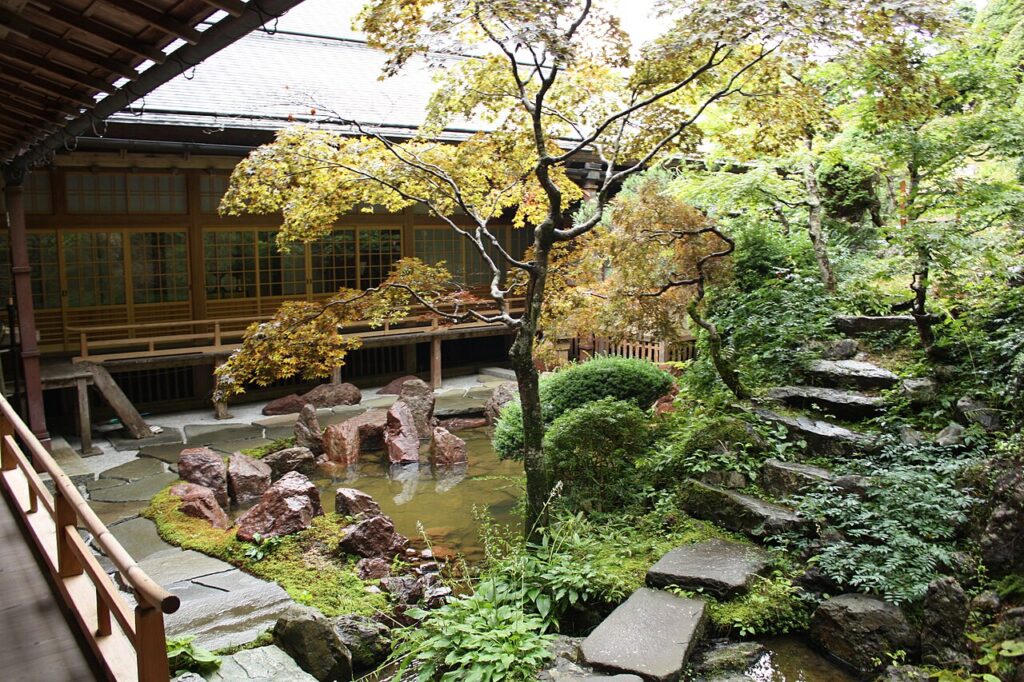
A temple stay is one of the best ways to experience Koyasan beyond its major sightseeing spots.
Known as shukubo, temple lodgings originally served pilgrims visiting the mountain. Today, many welcome travelers who want to experience the atmosphere of a Buddhist temple.
A typical stay may include a traditional Japanese-style room, Buddhist vegetarian meals, and the opportunity to attend morning prayers. Some temples also offer meditation, sutra copying, or other activities.
The exact facilities and experiences differ from one temple to another.
What Is a Temple Stay Like?
The experience is often quieter and more structured than staying at a conventional hotel.
You may sleep on futons laid out on tatami flooring, enjoy meals prepared according to Buddhist culinary traditions, and wake early for morning prayers.
Some temples have elaborate gardens and historic buildings, while others offer a simpler setting.
The value of a temple stay is not necessarily luxury or convenience. It is the opportunity to spend time in a place where religious practice remains part of daily life.
Choose a Temple That Suits Your Interests
Some travelers prioritize beautiful architecture and gardens. Others are more interested in meditation, Buddhist ceremonies, or food.
When selecting a shukubo, consider which aspects matter most to you.
If you want to attend morning prayers, check the schedule and whether visitors may participate. If meditation is a priority, confirm whether a session is available during your stay.
Reservations are recommended, particularly during busy travel periods.
A temple stay also makes it easier to appreciate Koyasan’s quieter hours, when the atmosphere can feel very different from the busiest parts of the day.
7. Taste Shojin Ryori and Koyasan’s Local Specialties
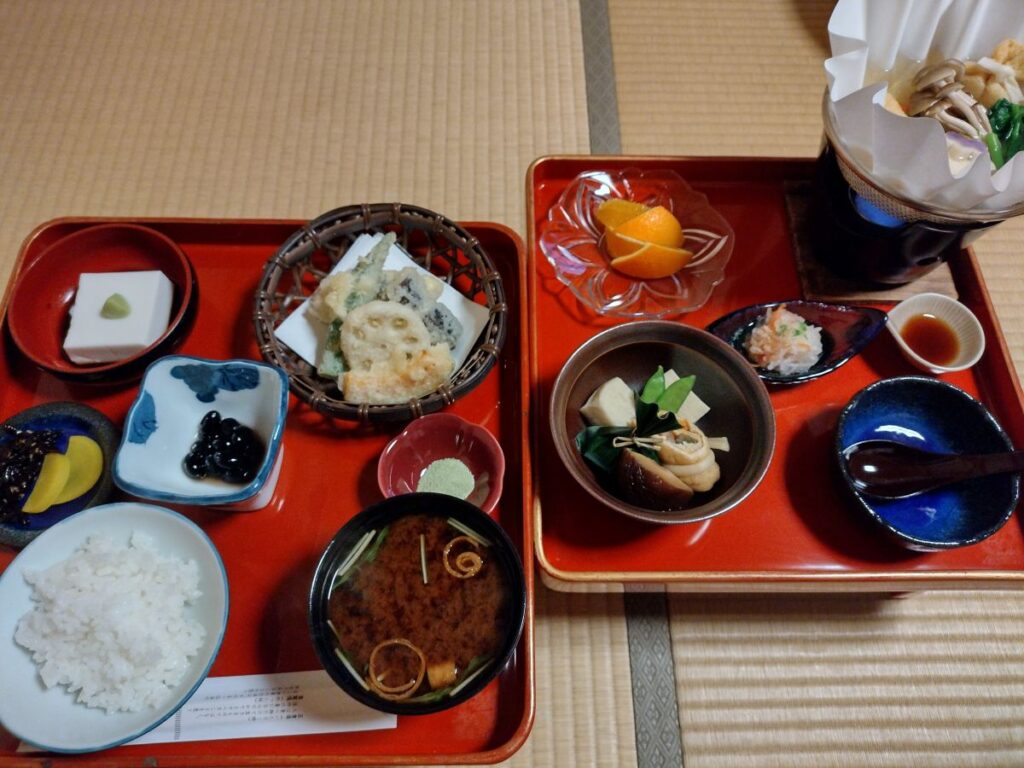
Food is another important part of experiencing Koyasan.
The mountain is particularly known for shojin ryori, the vegetarian cuisine associated with Buddhist practice. Rather than centering a meal on meat or fish, this tradition emphasizes vegetables, tofu, seasonal ingredients, and careful preparation.
Shojin ryori is not simply a vegetarian substitute for an ordinary Japanese meal. It reflects a culinary tradition shaped by Buddhist teachings, seasonality, and the desire to prepare food thoughtfully.
Discover the Variety of Shojin Ryori
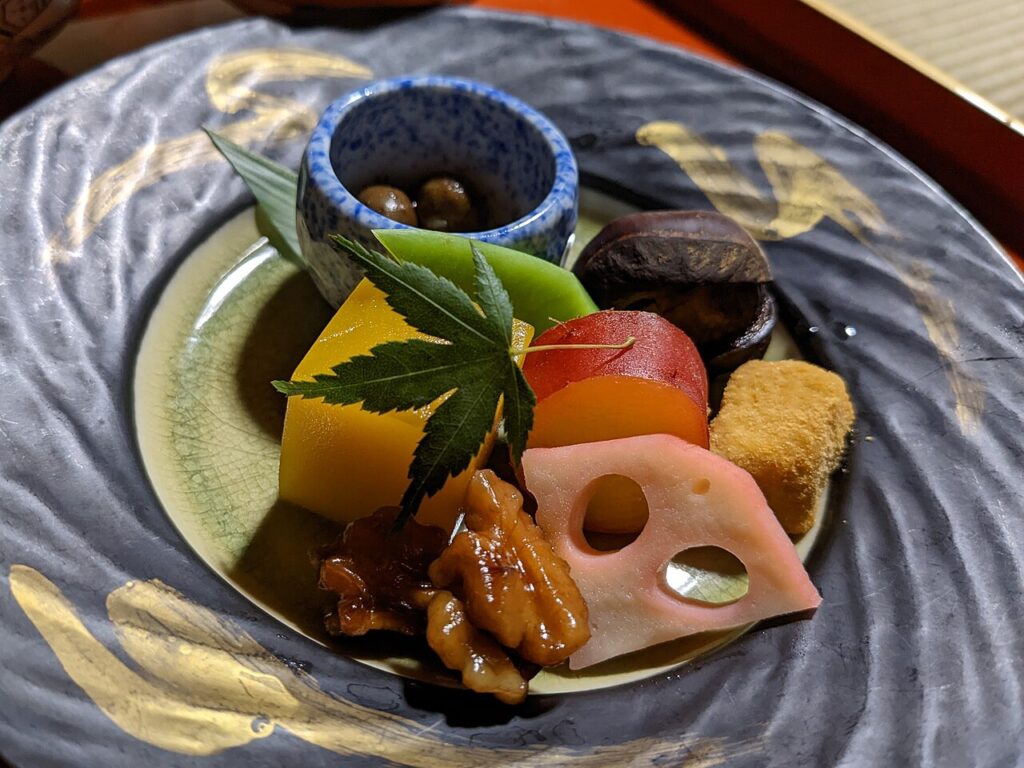
A traditional meal may include several small dishes, each with different textures, colors, and methods of preparation.
Depending on the season and the establishment, you might encounter simmered vegetables, tofu dishes, pickled vegetables, sesame-based preparations, and other plant-based foods.
The presentation is often as important as the taste. A meal may balance contrasting colors and textures while making use of seasonal ingredients.
For travelers interested in Japanese food culture, shojin ryori offers a perspective that differs from the sushi, ramen, and grilled dishes that often dominate international perceptions of Japanese cuisine.
Try Koya-dofu
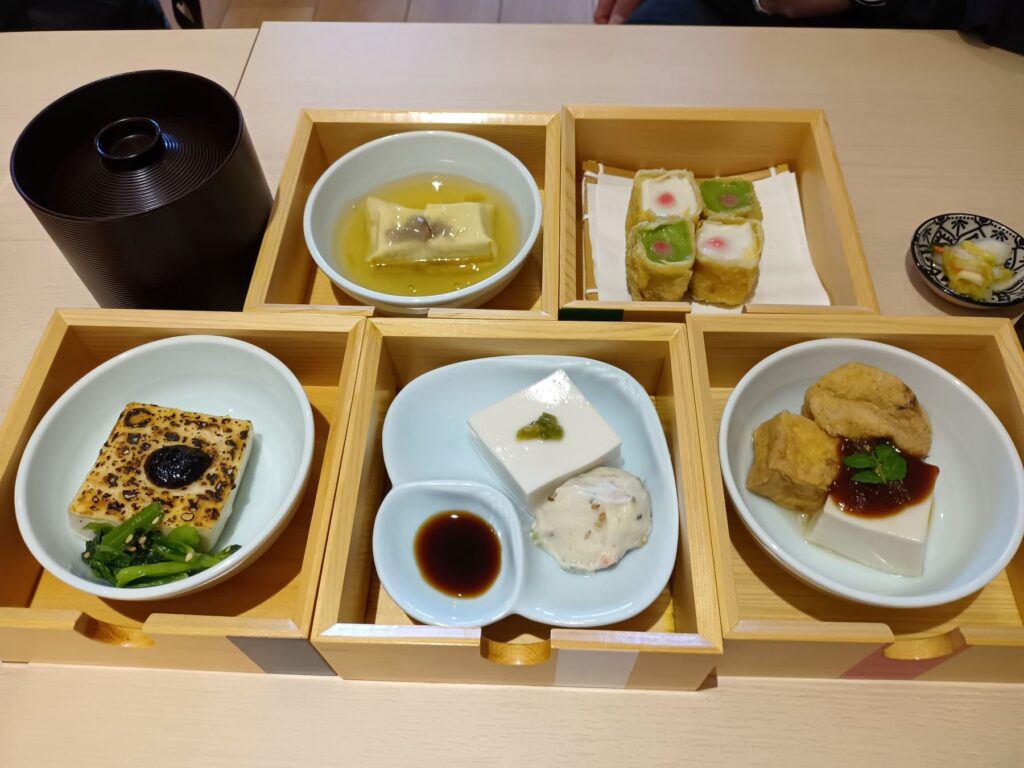
Koya-dofu, or freeze-dried tofu, is one of the foods closely associated with the mountain.
Its distinctive texture comes from the preservation process, which allows it to be stored and later rehydrated for cooking.
It is commonly served in simmered dishes, where it absorbs the surrounding broth and seasoning.
Koya-dofu also illustrates the practical relationship between food and life in a mountain environment, where preserving ingredients has long been important.
Taste Goma-dofu
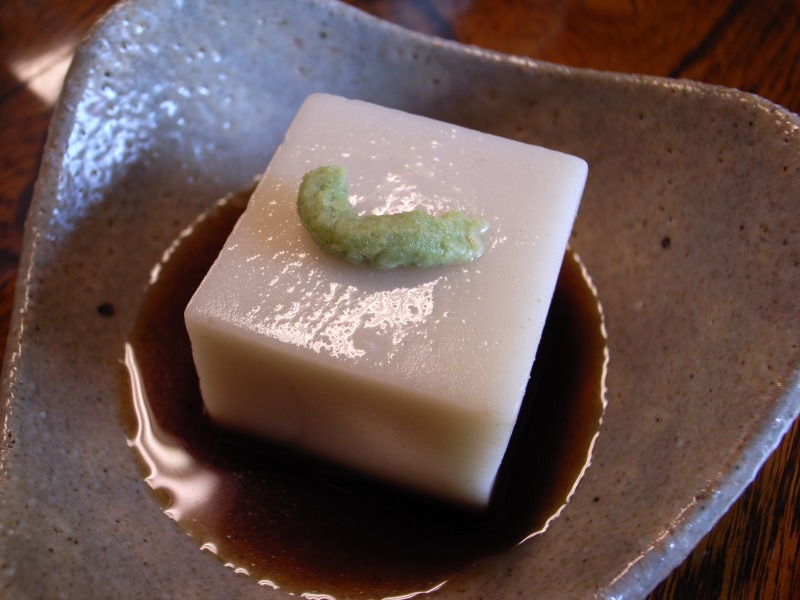
Another specialty is goma-dofu, or sesame tofu.
Despite its name, it is not made in the same way as ordinary tofu from soy milk. Sesame paste is combined with a starch, commonly kudzu starch, and carefully cooked to create a smooth, delicate texture.
Its mild flavor and distinctive consistency make it a memorable part of Koyasan’s food culture.
Goma-dofu can be served as part of shojin ryori or enjoyed separately, depending on the establishment.
Can You Try Shojin Ryori Without Staying Overnight?
Yes. Some temples and restaurants offer shojin ryori lunches to visitors who are not staying at a temple.
However, availability varies, and reservations may be necessary.
If you want to experience both temple culture and local food during a day trip, arranging lunch in advance is a good idea.
For a richer experience, pay attention not only to the dishes themselves but also to the traditions behind them. Food is one way to understand how religious beliefs have influenced everyday life on the mountain.
8. Explore Koyasan on Foot Beyond the Main Temples
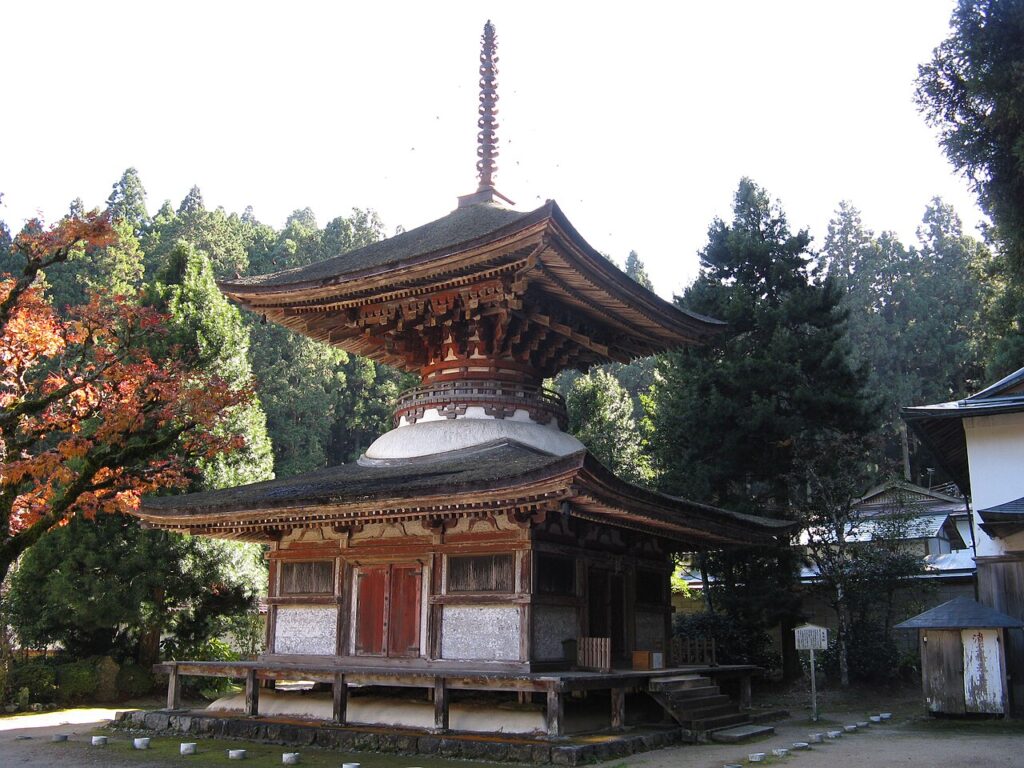
Many visitors concentrate on Danjo Garan, Kongobuji, and Okunoin. These are essential sights, but exploring the town on foot can reveal another side of Koyasan.
The settlement developed around its religious institutions. Temples, traditional buildings, small shops, and streets used by pilgrims form part of a landscape that has evolved over centuries.
Walking between the major sites allows you to appreciate how the town fits into its mountain setting.
Visit Daimon, the Great Gate
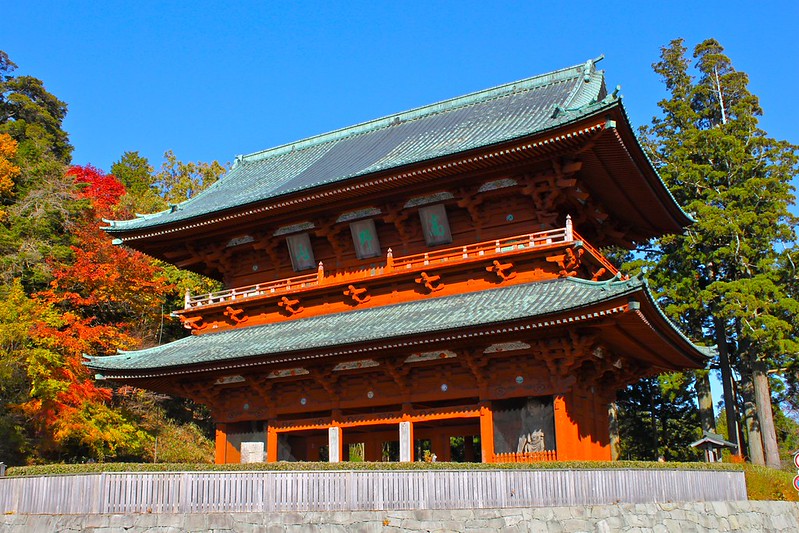
Daimon marks one of the traditional entrances to Koyasan.
The imposing gate, rebuilt in its present location in 1705, stands at the western approach to the settlement. Its large wooden structure and guardian figures create a dramatic entrance to the sacred mountain.
It is worth visiting not only for its architecture but also for the way it expresses the idea of crossing from the ordinary world into a religious landscape.
On a clear day, the surrounding area can also offer impressive views of the mountains.
Discover Nyonindo and the History of Women at Koyasan
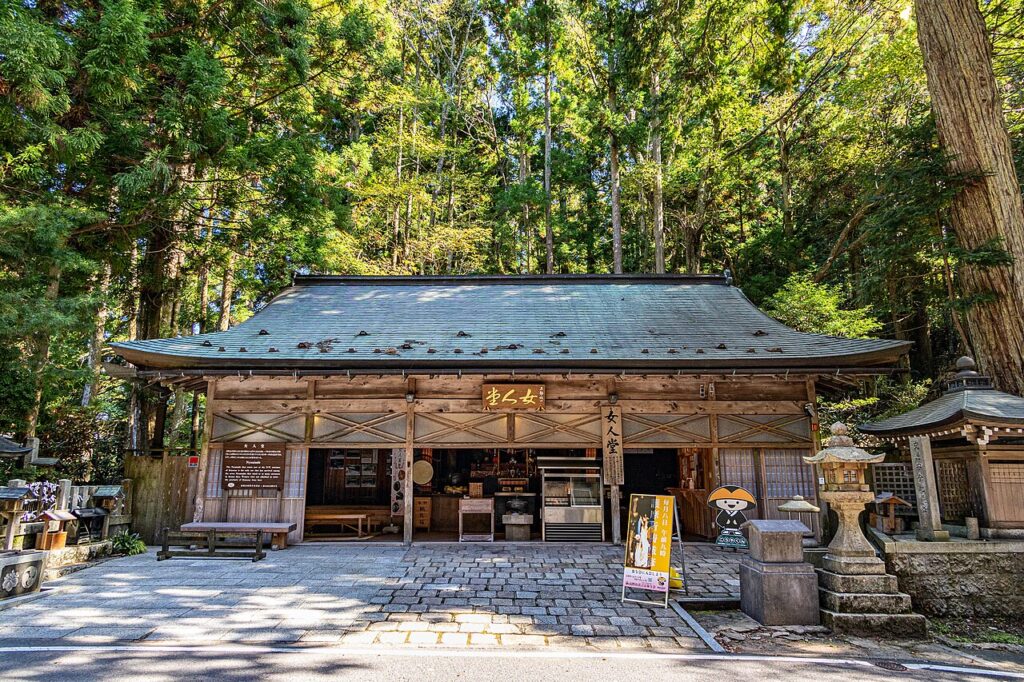
Nyonindo is a small but historically significant site connected to the former restrictions on women entering Koyasan.
For centuries, women were prohibited from entering the sacred mountain itself. Special prayer halls known as nyonindo were established near the entrances, allowing women to worship outside the restricted area.
The surviving Nyonindo provides a tangible reminder of this history.
Visiting it offers an opportunity to discuss the relationship between religious traditions, social rules, and changing attitudes in Japan.
It also helps visitors understand that sacred places are shaped by human history, including both the practices they preserve and the restrictions that once surrounded them.
Visit the Tokugawa Mausoleum
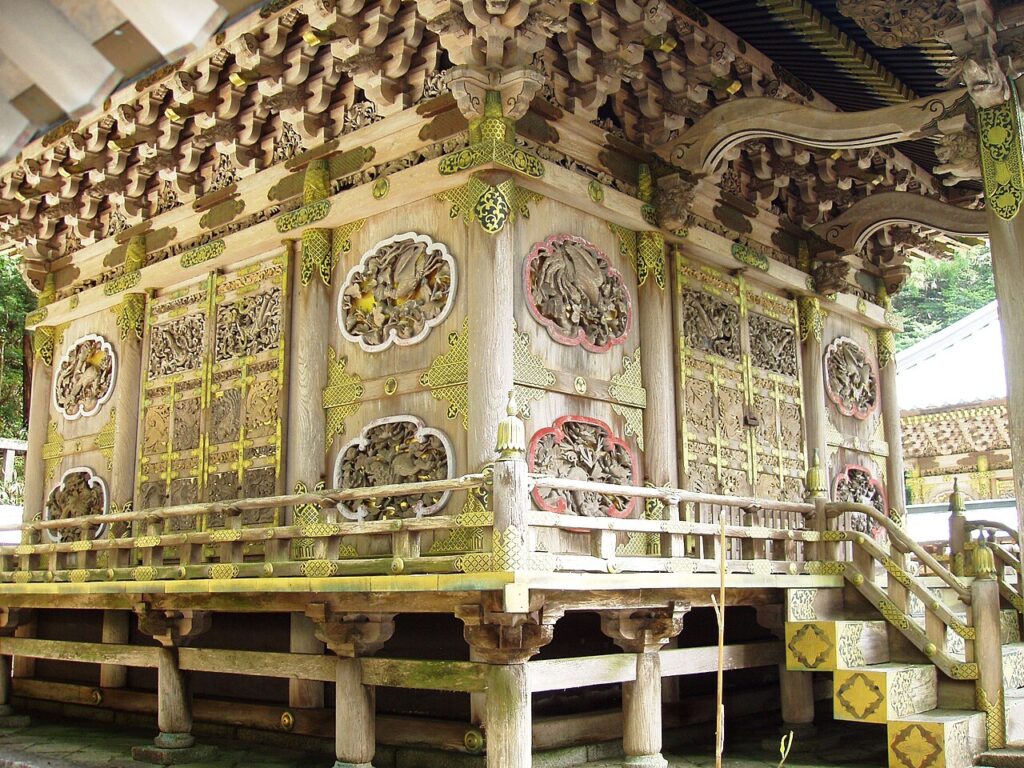
The Tokugawa Mausoleum is another worthwhile stop for travelers interested in Japanese history.
Built under the third Tokugawa shogun, Tokugawa Iemitsu, the mausoleum commemorates Tokugawa Ieyasu and Tokugawa Hidetada.
Its architecture reflects the importance of the Tokugawa family and the relationship between political authority and religious institutions.
For visitors who have already explored Kongobuji, the mausoleum adds another perspective on the historical forces that influenced Koyasan.
Take Time for the Small Details
A walk through Koyasan does not need to be a continuous sequence of famous monuments.
Notice the architecture of smaller temples, the way moss grows around stonework, the forest surrounding the settlement, and the changing atmosphere between busier streets and quieter paths.
These details can make the experience feel less like a conventional sightseeing trip and more like an encounter with a historic mountain community.
9. Hike the Pilgrimage Routes Around Koyasan
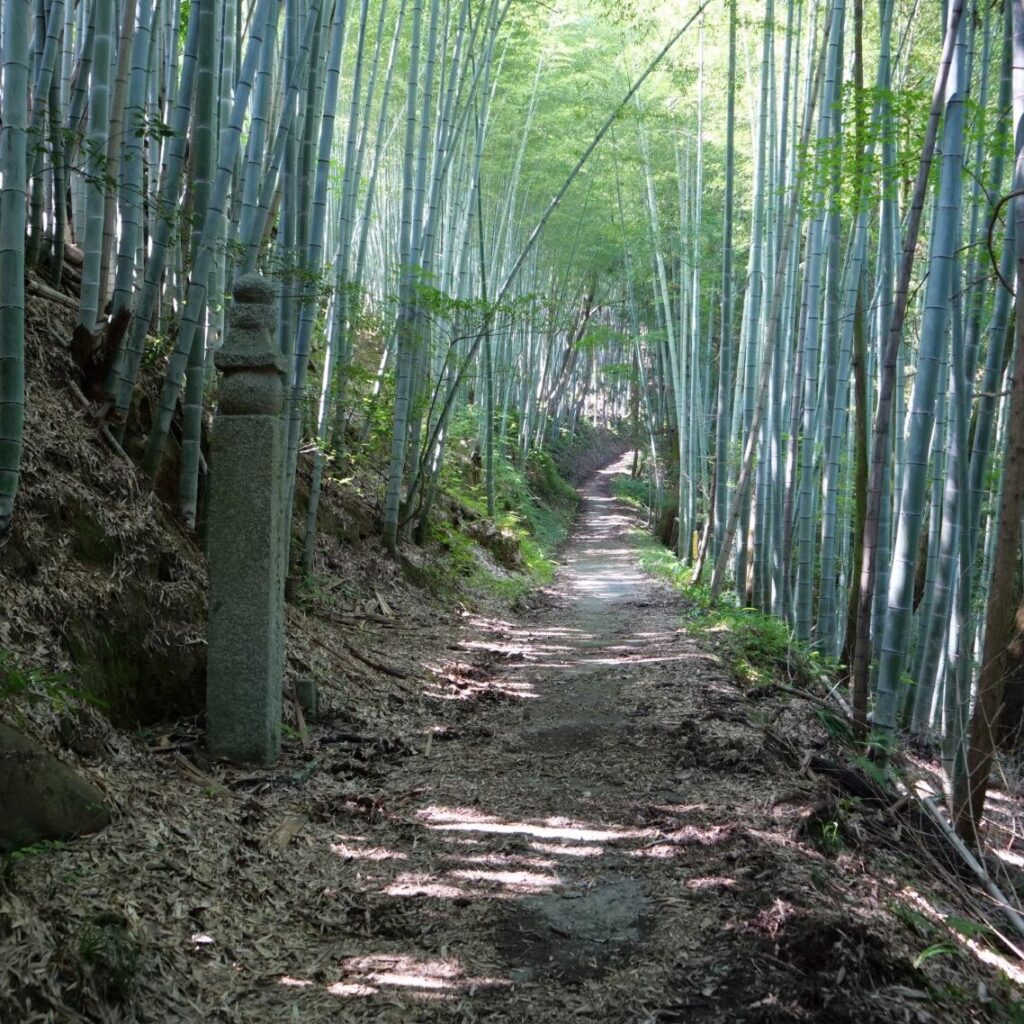
Koyasan is not only a destination for temple visits. It is also a gateway to historic pilgrimage routes through the mountains of the Kii Peninsula.
For travelers who enjoy hiking, these routes offer a way to experience the connection between religious practice and the natural environment.
The best route depends on your available time, fitness level, and interest in the history of pilgrimage.
Walk the Choishi-michi Pilgrimage Route
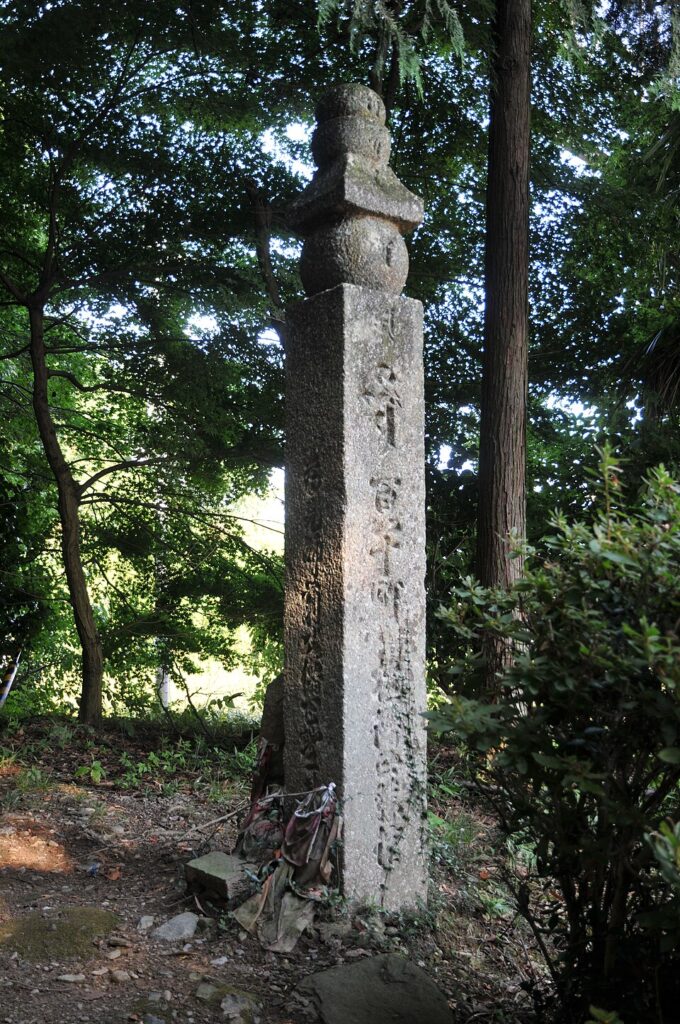
Choishi-michi is one of the historic approaches to Koyasan.
The name refers to the stone markers placed at intervals along the route. These markers helped pilgrims navigate their way toward the sacred mountain.
Walking this trail offers a very different experience from exploring the temple district. Instead of moving between buildings, you follow a path through the landscape, encountering forest, changes in elevation, and reminders of the people who traveled here before you.
The route is a meaningful option for hikers interested in experiencing Koyasan as a pilgrimage destination rather than simply visiting it by public transport.
However, the full route is a substantial hike and should not be treated as a casual walk. Check the distance, elevation changes, weather, trail conditions, and transportation arrangements before setting out.
If you have limited time, consider a shorter section or choose a walk within the Koyasan area instead.
Related post: Walking Choishi-michi: Following the Pilgrims to Koyasan
Walk the Nyonin-michi Trail
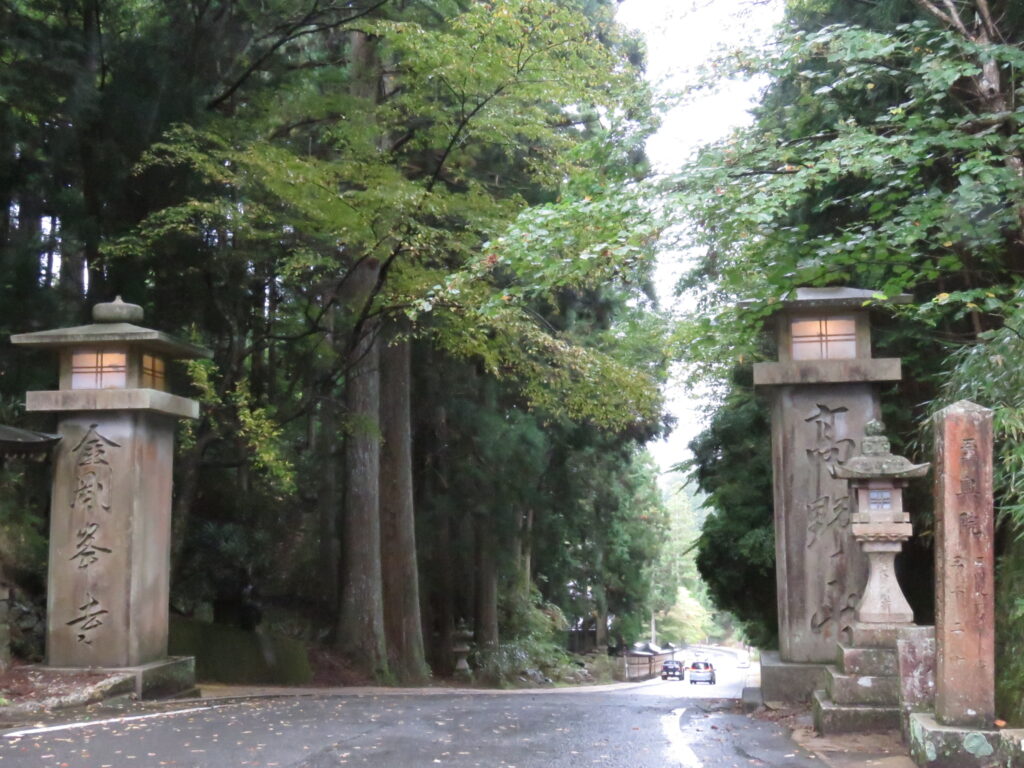
Nyonin-michi, or the Women’s Pilgrimage Route, follows a historic path around Koyasan.
It is associated with the period when women were not permitted to enter the sacred mountain’s central area. The route allowed women to approach and pay their respects from outside the restricted precinct.
Walking this trail connects the landscape with a significant chapter in the history of Japanese religion and society.
The experience is especially interesting for travelers who want to combine hiking with cultural interpretation.
As with any mountain trail, check current conditions and choose a section appropriate to your ability and available time.
Combine Hiking with Cultural Exploration
For many visitors, the most rewarding approach is to combine walking with an understanding of the places along the route.
A stone marker is more than a navigational feature when you understand its role in the pilgrimage system. A forest path becomes more meaningful when you consider the generations of travelers who walked it as an act of religious devotion.
This combination of nature, history, and cultural context is what makes hiking around Koyasan distinctive.
For those planning a longer journey through Wakayama, Koyasan can also serve as a starting point for exploring other pilgrimage routes in the Kii Peninsula, including the Kumano Kodo.
Related post: Women’s Koyasan: Understanding Nyonin Koya, the Nyonin-do, and the Nyonin-michi
10. Visit Daimon and Discover Koyasan’s Mountain Landscape
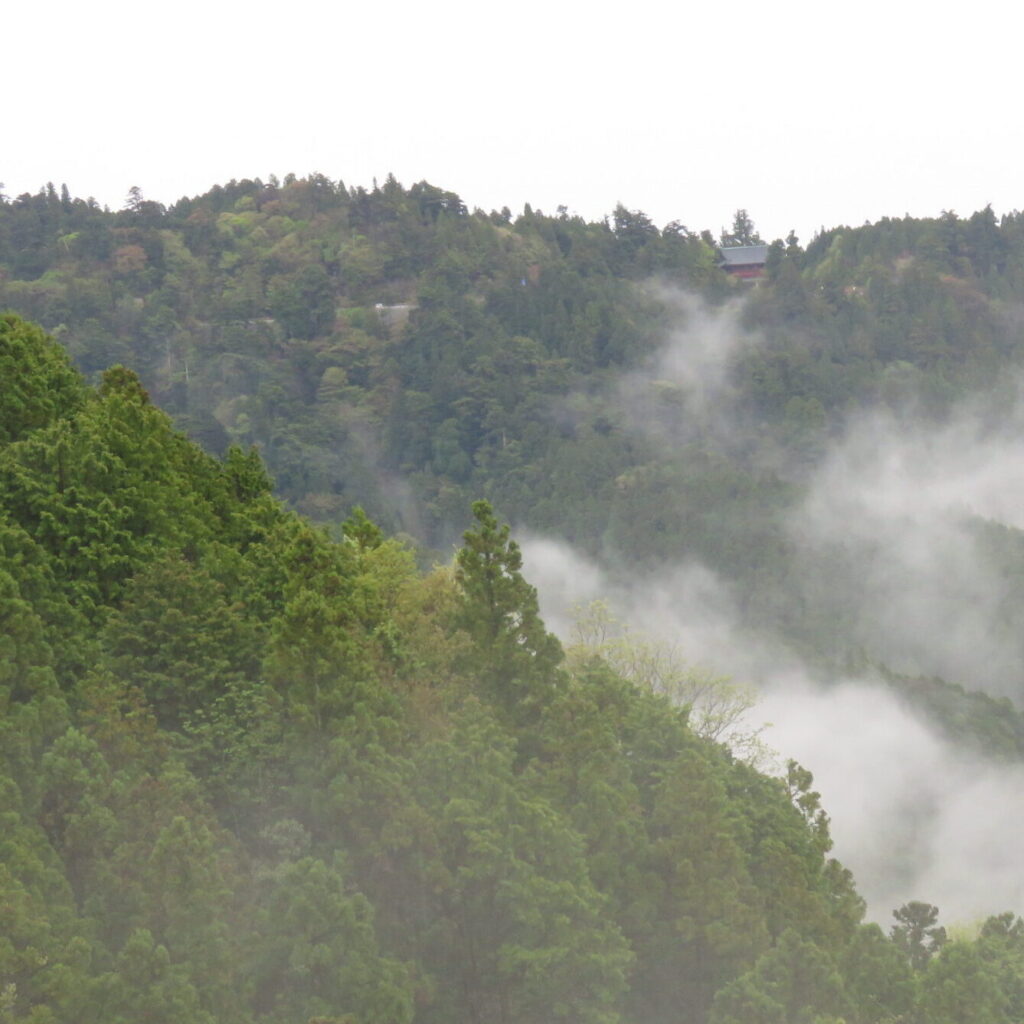
Although Daimon is often treated as a brief sightseeing stop, its location makes it a useful place to appreciate the geography of Koyasan.
The gate stands at the western edge of the settlement, marking a traditional entrance to the sacred mountain.
From here, you can begin to appreciate the relationship between Koyasan and the surrounding landscape.
The mountain setting is not merely a beautiful backdrop. It has influenced the development of the settlement, the movement of pilgrims, and the atmosphere of religious practice for centuries.
If the weather is clear, the surrounding mountain views can be particularly rewarding.
For travelers who enjoy photography, architecture, or quiet walks, Daimon offers a different perspective from the more enclosed spaces of the temple district.
It can also be combined with a walk through nearby areas, depending on your schedule and the weather.
11. Enjoy Koyasan at Different Times of Day
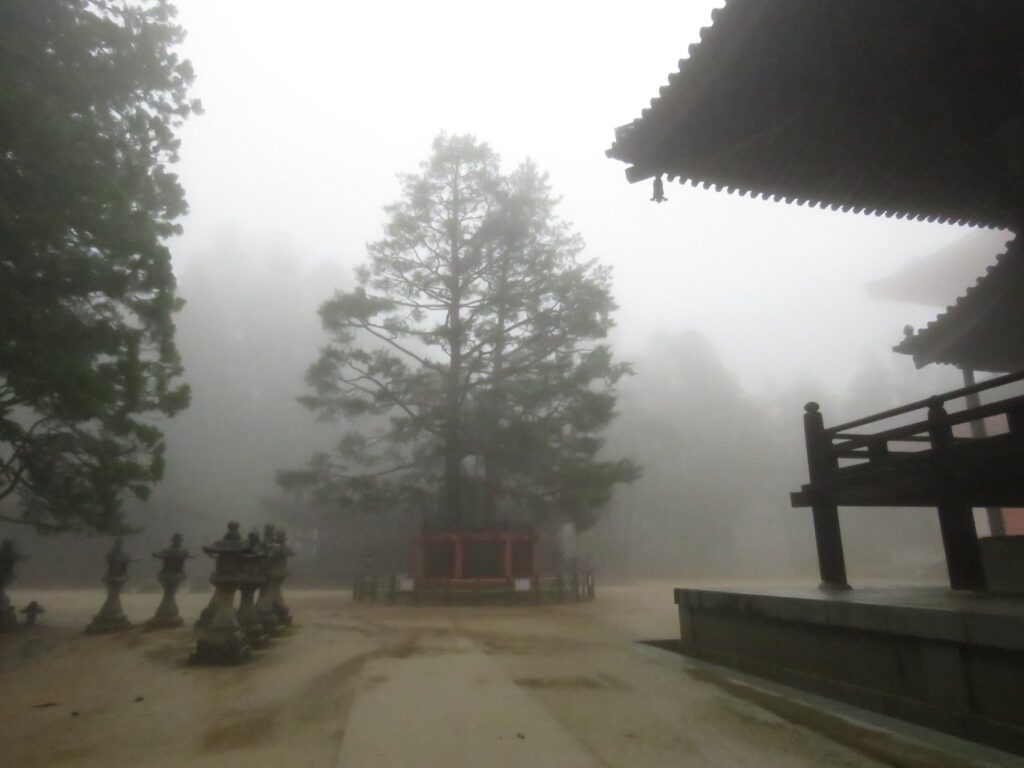
One of the reasons to stay overnight is that Koyasan’s atmosphere changes throughout the day.
During busier hours, the main temple areas can attract groups of visitors and day-trippers. Early morning and evening offer a different experience, although the exact atmosphere depends on the season, weather, and number of visitors.
Early Morning: Experience the Rhythm of Temple Life
If you stay at a shukubo, waking early for morning prayers can be a highlight of your visit.
Even if you do not participate in a ceremony, the early hours offer an opportunity to experience the mountain before the day becomes busy.
The quiet streets and surrounding forest provide a different perspective from the same places visited in the middle of the day.
Evening: Experience the Quiet of the Mountain
An overnight stay gives you more time to explore the settlement after the main sightseeing hours.
Some visitors also join guided evening walks around Okunoin, where the cemetery takes on a different atmosphere beneath the tall cedar trees.
If you are interested in a night tour, check the available operators and meeting arrangements in advance. Visitors should always follow the rules of the sacred site and avoid disturbing people who are praying.
Why Staying Longer Matters
A day trip can cover several of Koyasan’s major attractions, but it often leaves little room for meditation, hiking, or an unhurried meal.
An overnight stay allows you to experience the mountain at a slower pace.
For travelers who want to understand not only what Koyasan looks like but also how it feels to spend time there, this extra time can make a significant difference.
How to Spend One Day in Koyasan
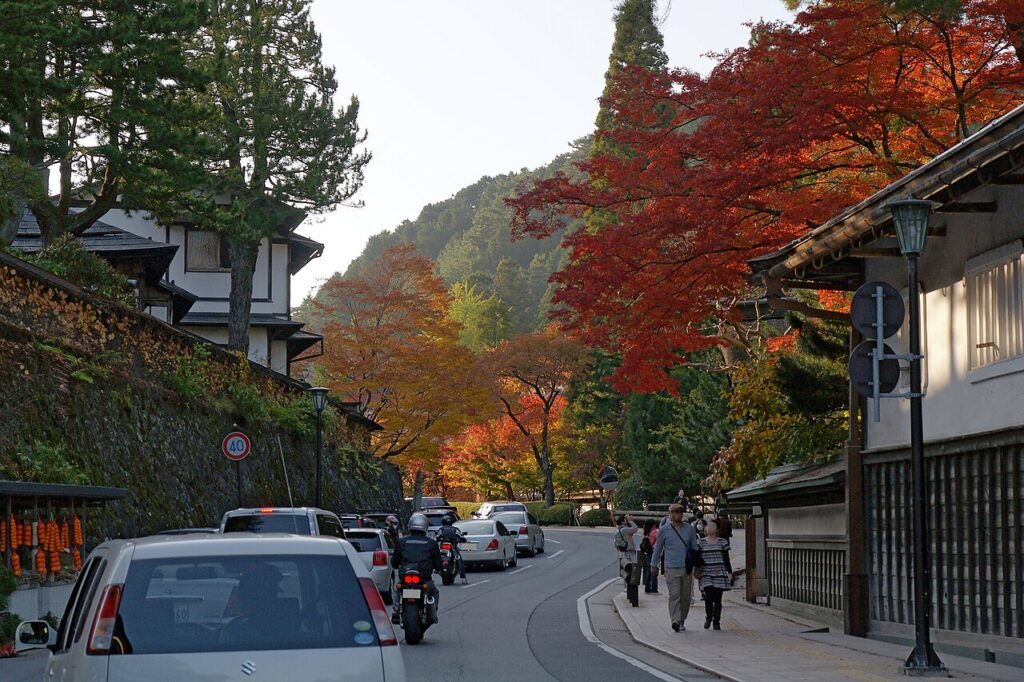
If you have only one day, it is still possible to experience several of Koyasan’s main highlights.
The following itinerary balances major temples, local food, and time to explore on foot.
Morning: Danjo Garan and Kongobuji
Begin with Danjo Garan, exploring the pagodas and halls associated with the founding of Koyasan.
Continue to Kongobuji to learn about the history of the mountain’s religious institutions and see the Banryutei Rock Garden.
Allow enough time to appreciate the architecture rather than rushing between the sites.
Lunch: Shojin Ryori and Local Specialties
Enjoy a vegetarian Buddhist meal at a restaurant or temple offering shojin ryori.
If a full meal is not available, look for local specialties such as goma-dofu or koya-dofu.
Advance reservations may be necessary, particularly if you want to eat at a temple.
Afternoon: Okunoin and a Walk Through the Town
Spend the afternoon walking through Okunoin, taking time to appreciate its cedar trees, memorial monuments, and religious atmosphere.
Depending on your interests and available time, you could also visit Reihokan Museum, Daimon, or Nyonindo.
Trying to include every attraction in one day may make the experience feel rushed, so choose the places that best match your interests.
Evening: Stay at a Shukubo or Return to Osaka
If you are staying overnight, settle into your temple lodging and enjoy the evening atmosphere.
If you are returning to Osaka, check transport times carefully and allow sufficient time to reach Koyasan Station.
For visitors interested in meditation, morning prayers, or a longer hike, an overnight stay is generally the more rewarding option.
How Many Days Do You Need in Koyasan?
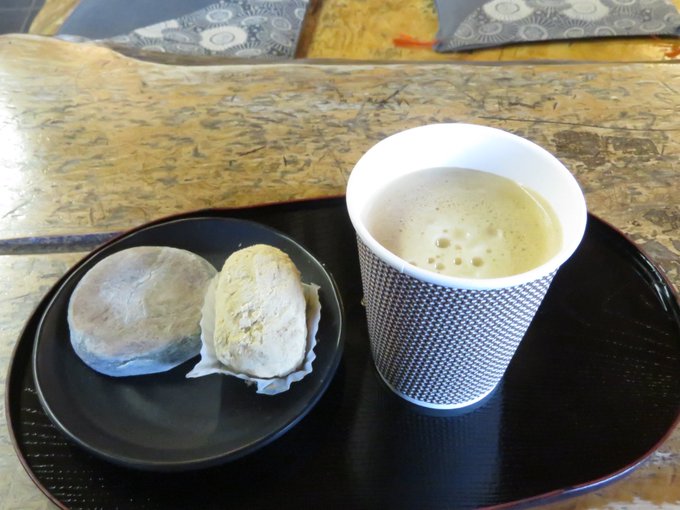
The ideal length of stay depends on what you want to experience.
Half a Day
A half-day visit is best suited to travelers who want to see one or two major attractions.
You will need to prioritize carefully, as visiting Danjo Garan, Kongobuji, and Okunoin in depth can be difficult within a short window.
One Full Day
A full day allows you to explore the main temple areas, walk through Okunoin, and enjoy a local meal.
This is a good option for visitors who want an introduction to Koyasan without staying overnight.
Two Days and One Night
For many travelers, this is the best balance.
You can explore the major temples during the day, stay at a shukubo, and experience Buddhist activities such as morning prayers or meditation where available.
You will also have more flexibility to explore smaller historic sites and enjoy the mountain atmosphere.
Two Days or Longer
If you enjoy hiking, Japanese religious history, or slow travel, consider spending additional time in the area.
A longer stay allows you to combine temple visits with sections of the pilgrimage routes, visit the museum, or explore Koyasan at a more relaxed pace.
It also makes it easier to connect Koyasan with other destinations in Wakayama, including the Kumano Kodo and the wider Kii Peninsula.
Practical Tips for Visiting Koyasan
How to Get to Koyasan
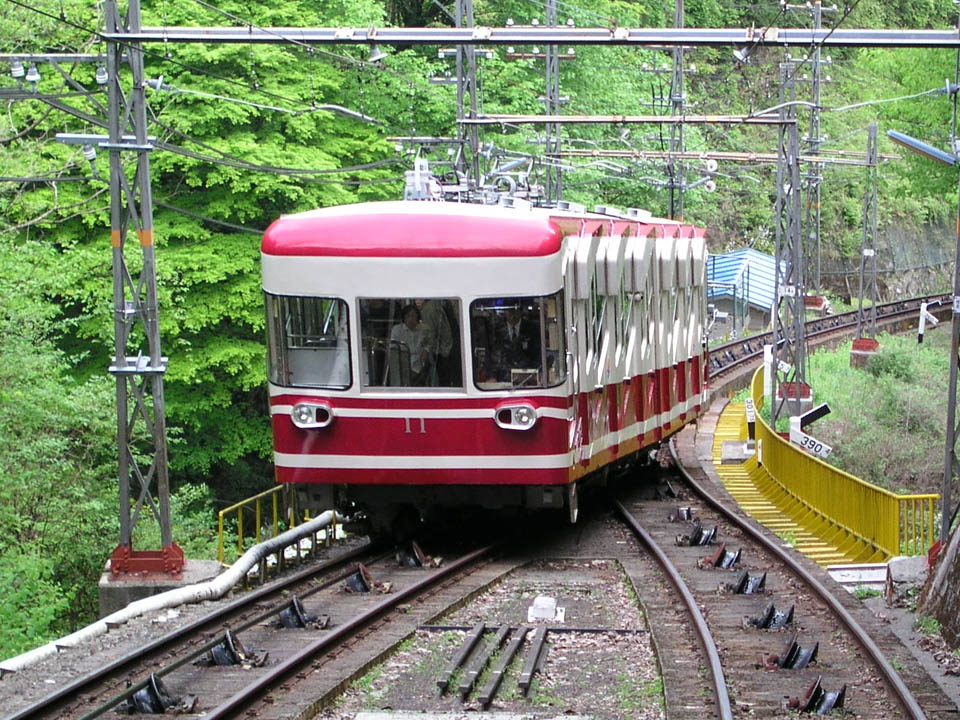
Koyasan can be reached from Osaka by train and cable car, followed by a local bus into the temple district.
Travelers commonly use the Nankai Railway from Osaka’s Namba area to reach Gokurakubashi, where they transfer to the cable car for Koyasan Station.
From there, local buses connect the station with the main temple areas.
Travel times and connections depend on the service you choose, so check the current timetable before departure.
Although many attractions are within walking distance of one another, the settlement is spread across a mountainous area. Local buses can be useful when visiting places farther apart.
Related post: How to Visit Koyasan Without Stress (Detailed Transport Guide)
What Should You Wear?
Comfortable walking shoes are essential, particularly if you plan to explore Okunoin or walk between several temple areas.
The weather can be cooler than in Osaka because of Koyasan’s elevation, so bring an additional layer even when visiting during warmer months.
For hiking, wear suitable footwear and check trail conditions before setting out.
Is Koyasan Suitable for a Day Trip?
Yes. A day trip is possible, particularly if you focus on the main temple attractions.
However, travelers interested in Buddhist experiences, temple cuisine, or hiking may find an overnight stay more rewarding.
Can You Visit Without Being Buddhist?
Yes. Visitors of different backgrounds and beliefs are welcome at many of Koyasan’s attractions and participating temples.
Some activities are designed to introduce visitors to Buddhist practices, while others take place as part of regular religious life.
The important thing is to approach these places with curiosity and respect.
Do You Need a Guide?
You can explore many of Koyasan’s main attractions independently.
However, a guide can help connect the places you visit with the history, religious ideas, and social changes that shaped them.
For example, understanding why Kobo Daishi is central to Okunoin, how Danjo Garan expresses Shingon Buddhist ideas, or why Nyonindo is associated with restrictions on women can change the way you experience these places.
A guide can also help you choose a realistic route based on your interests, available time, and walking ability.
Related post: Self-Guided vs Guided Koyasan: Which Experience Is Right for You?
Experience Koyasan Beyond the Famous Sights
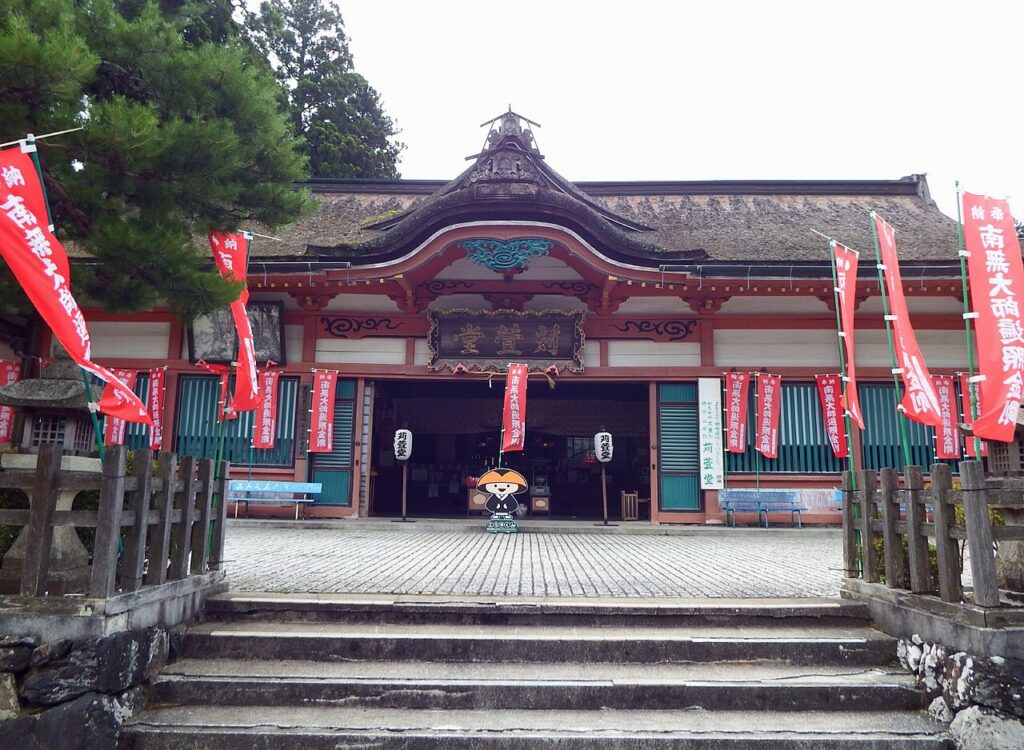
Koyasan is often introduced through its most recognizable attractions: Danjo Garan, Kongobuji, and Okunoin.
These places are essential to understanding the mountain, but they are only part of the experience.
You can also explore Buddhist art, participate in meditation or sutra copying, enjoy shojin ryori, stay at a temple, and walk the historic pilgrimage routes through the surrounding mountains.
Each activity offers a different perspective on the same place.
A temple visit reveals the architecture and religious traditions. A meal introduces the relationship between Buddhist practice and food. A walk along an old pilgrimage route connects the sacred mountain with the wider landscape of the Kii Peninsula.
Together, these experiences help explain why Koyasan has remained an important destination for pilgrims and travelers for centuries.
Rather than trying to see everything in a single visit, consider choosing a few experiences that match your interests and allowing enough time to enjoy them.
Koyasan is not simply a place to visit. It is a place to experience at a different rhythm.
Discover Koyasan with a Local Guide
If you want to explore Koyasan beyond its most famous attractions, a guided journey can help you connect its temples, history, food, and surrounding landscape.
As a National Government Licensed Guide Interpreter based in Wakayama, I help travelers discover the stories behind the places they visit, with an emphasis on local culture, history, nature, and the rhythms of everyday life.
Depending on your interests and schedule, a journey can focus on Buddhist heritage, historic walking routes, local food, or a combination of these themes.
For travelers who would like to explore Koyasan as part of a wider journey through Wakayama and the Kii Peninsula, it is also possible to consider how the mountain connects with other destinations, including the Kumano Kodo.
Instead of simply moving from one attraction to another, the aim is to understand how these places relate to one another—and why they continue to matter today.
Explore a Curated Kii Peninsula Journey to start planning a private journey shaped around your interests, pace, and the places you would like to discover. Or feel free to contact me to discuss your travel in Koyasan, Wakayama.
Read More About Koyasan
- Beyond Koyasan: Cycling Through the Gateway Towns of Kudoyama and Koyaguchi
- World Heritage Pilgrimage to Koyasan: From Human Prayer to Sacred Realization
- The Full Journey to Koyasan: From Sacred Peak to Valley Towns
- The Hidden Side of Koyasan: Beyond Okunoin
No responses yet