
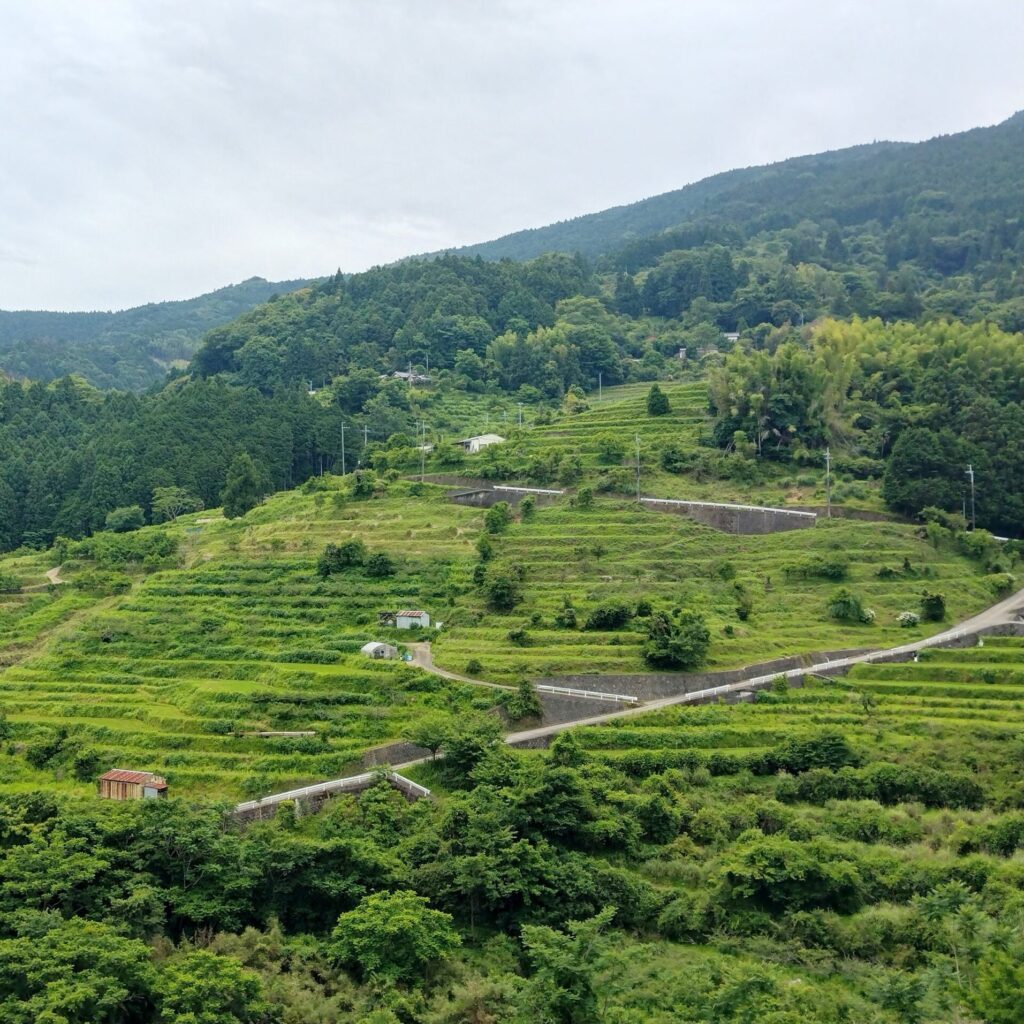
How Nature and Human Life Have Shaped Each Other for Centuries
When visitors imagine Japan, they often picture either bustling cities like Tokyo or untouched forests deep in the mountains.
But between these two worlds lies another landscape—one that has quietly shaped Japanese life for centuries.
This is Satoyama.
Rather than untouched wilderness, Satoyama is a landscape where people and nature have lived together in balance. Villages, rice fields, forests, rivers, ponds, and hills form one connected ecosystem, each supporting the others.
Understanding Satoyama helps visitors understand not only Japan’s countryside, but also its food, architecture, festivals, spirituality, and way of life.
What Does “Satoyama” Mean?
The word combines two Japanese words:
- Sato – village or community
- Yama – mountain or wooded hills
Rather than referring to a specific place, Satoyama describes the transition zone between villages and the surrounding forests.
Historically, these forests were never simply “wild.”
People carefully managed them.
They gathered firewood.
They harvested bamboo.
They collected mushrooms and edible wild plants.
Leaves became compost for rice fields.
Streams supplied irrigation water.
Every part of the landscape had a role.
Nature was not something separate from daily life—it was part of daily life. A wide variety of flora and fauna inhabit the satoyama environment, which has been shaped through the interaction between humans and nature.
A Landscape Built Through Cooperation
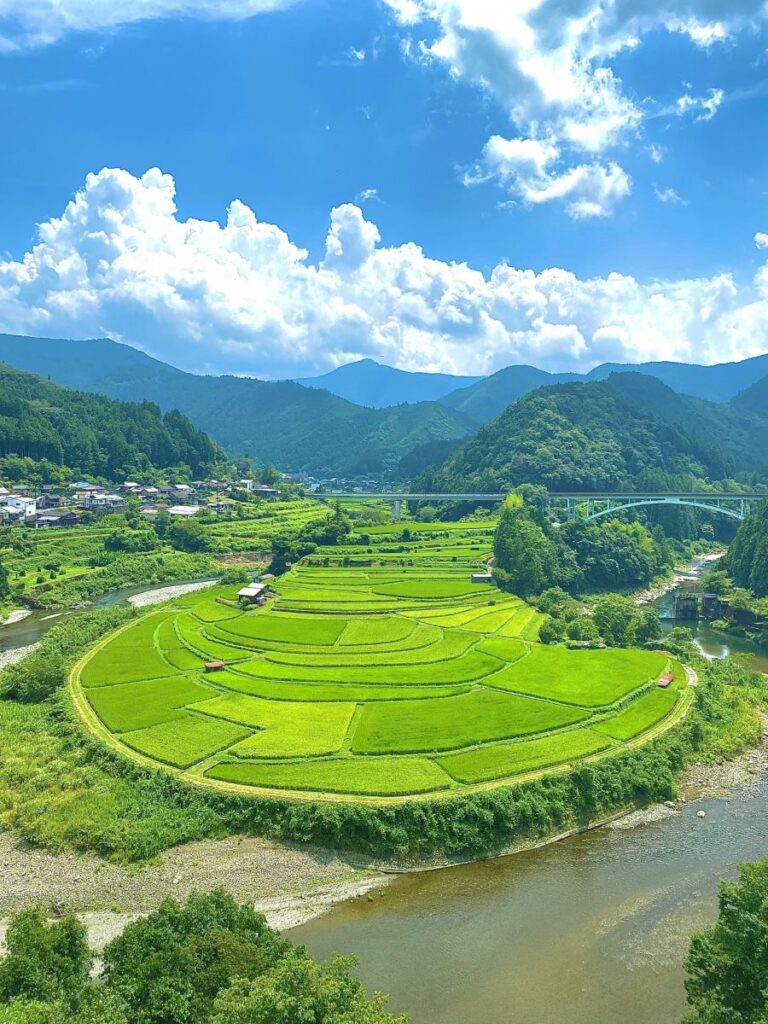
One of the most remarkable aspects of Satoyama is that it was created through continuous interaction between humans and nature.
Rice fields require irrigation.
Irrigation depends on healthy forests.
Healthy forests depend on careful management.
The result is a living cycle.
When forests were maintained, streams flowed steadily.
When streams remained healthy, rice fields flourished.
Rice fields supported villages, and villages continued caring for the forests.
Instead of trying to dominate nature, communities learned to work with it.
More Than Agriculture
Although farming is central to Satoyama, these landscapes produced far more than rice.
They provided:
- Seasonal vegetables
- Wild herbs
- Mushrooms
- Bamboo shoots
- Firewood and charcoal
- Timber
- Medicinal plants
- Fresh water
- Fish and freshwater crabs
Every season brought different foods and different work.
This close relationship with seasonal change became deeply rooted in Japanese cuisine.
Many traditional dishes were originally created simply because people cooked with whatever nature offered at that particular time of year.
Wildlife Also Thrived

Because Satoyama contains forests, ponds, rivers, grasslands, and farmland within a relatively small area, it supports an unusually rich diversity of wildlife.
Birds nest in wooded hills.
Dragonflies breed in rice paddies.
Frogs depend on irrigation channels.
Fireflies thrive in clean streams.
Even species that struggle in dense forests alone often flourish in these mixed landscapes.
Today, conservationists recognize Satoyama as an important model of biodiversity supported by sustainable human activity.
Satoyama and Japanese Spirituality
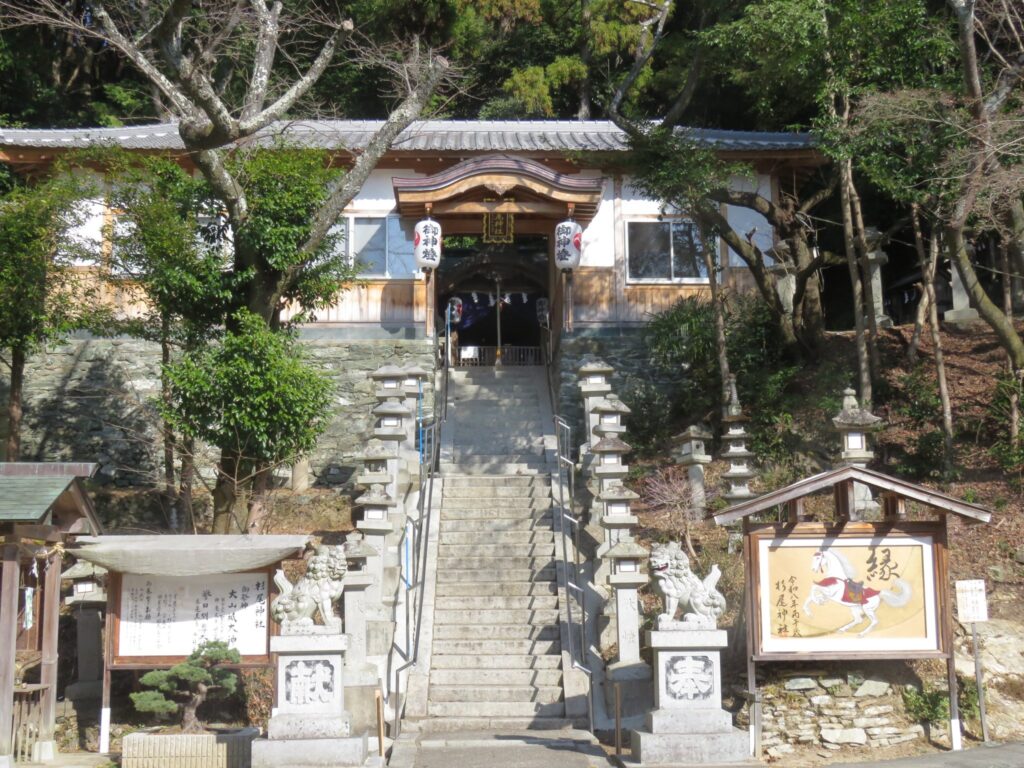
Nature in Japan has never been viewed simply as a collection of natural resources.
Many forests, waterfalls, giant trees, and mountains have long been regarded as sacred places.
This perspective is reflected in both Shinto and Buddhism.
Shrines often stand at the edge of forests.
Temple paths wind through mountains.
Sacred trees are carefully protected.
For centuries, everyday agricultural life and spiritual beliefs developed side by side.
The changing seasons were not only practical—they were also occasions for festivals, prayers, and gratitude.
Understanding Satoyama helps explain why many Japanese landscapes feel both natural and deeply cultural at the same time.
Why Satoyama Matters Today
Modern Japan has changed dramatically.
Many rural communities have become smaller as younger generations move to cities.
As villages disappear, many Satoyama landscapes are no longer actively managed.
Forests become overgrown.
Irrigation systems deteriorate.
Traditional knowledge risks being lost.
At the same time, interest in Satoyama has grown both within Japan and internationally.
People increasingly recognize these landscapes as examples of sustainable living, biodiversity conservation, and cultural heritage.
Rather than preserving untouched wilderness, Satoyama demonstrates another possibility: a landscape where humans are active participants in nature without exhausting it.
Experiencing Satoyama in Wakayama
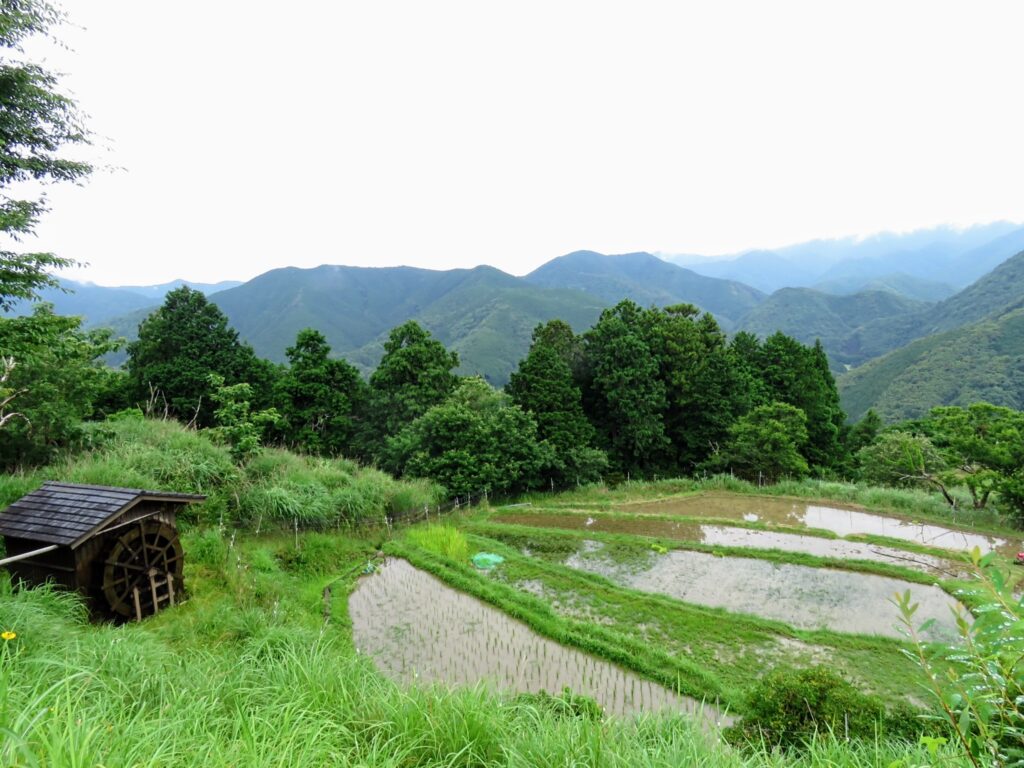
Wakayama offers countless opportunities to experience Satoyama as a living landscape rather than a museum.
Walking the Kumano Kodo, visitors pass through forests that once supported local villages.
Cycling along the Kinokawa River reveals orchards, irrigation canals, and farming communities shaped over centuries.
The hills around Yuasa connect citrus groves, soy sauce breweries, fishing villages, and woodlands into one continuous cultural landscape.
Even a simple countryside walk often reveals how closely forests, rivers, agriculture, food, and local traditions remain connected.
Instead of isolated attractions, these places tell one larger story.
Seeing the Landscape Differently
Many visitors ask where they can find “authentic Japan.”
Satoyama suggests a different question.
Rather than searching for untouched nature or preserved history, it invites us to notice the relationship between people and the land.
The forests exist because communities cared for them.
The villages exist because the forests supplied water and materials.
The food reflects the seasons.
The festivals celebrate harvests.
The temples and shrines remind people of their connection to nature.
Once you begin to see these connections, the Japanese countryside becomes much more than beautiful scenery.
It becomes a living cultural landscape—one where nature and human life have been shaping each other for generations.
Plan your Satoyama experience through my Curated Kii Peninsula Journey.
No responses yet