
For many travelers, the Kumano Kodo is one of Japan’s most rewarding walking experiences. Ancient pilgrimage routes, cedar forests, and mountain villages create a journey that feels both physical and spiritual.
But before setting off—or after completing the trail—there is another side of southern Wakayama waiting to be discovered.
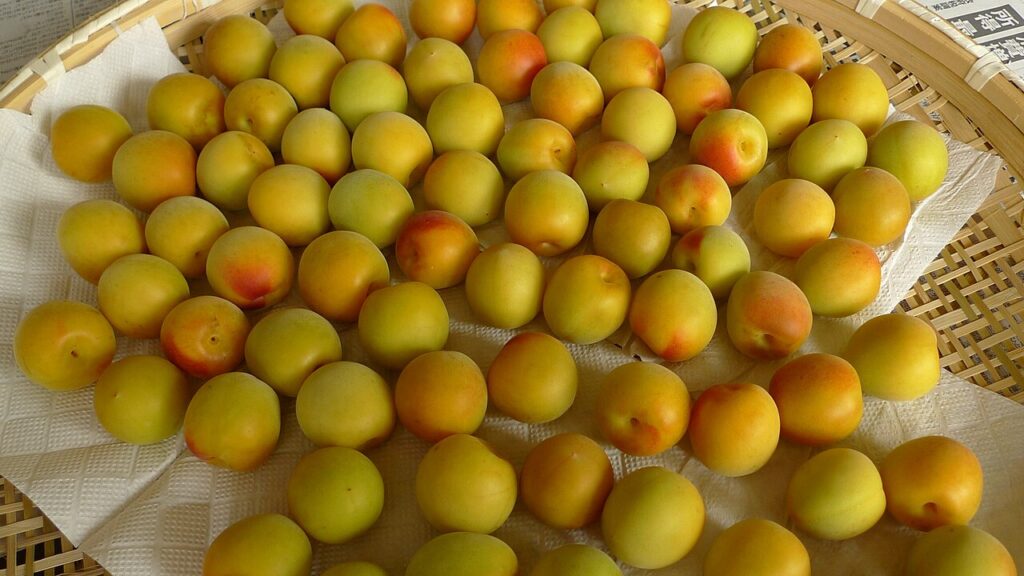
The city of Tanabe and the surrounding region of Minabe are home to one of Japan’s most distinctive food cultures, centered around ume, the Japanese plum.
The Gateway to the Kumano Kodo
Tanabe has long served as the entrance to the Kumano pilgrimage routes. Today, many walkers spend a night here before heading to Takijiri-oji, the traditional starting point of the Nakahechi route.
Rather than rushing directly to the mountains, spending time in Tanabe offers a chance to experience everyday life in southern Wakayama.
In the evening, visitors can explore local shopping streets and the lively Ajikoji district, where small restaurants and bars serve fresh seafood, regional dishes, and locally produced plum products.
More Than Umeboshi
When many Japanese people hear the word “ume,” they immediately think of umeboshi, the famous pickled plums often served with rice.
But in southern Wakayama, plum culture is much broader.
Visitors may encounter:
- Traditional umeboshi with different levels of saltiness.
- Umeshu (plum liqueur) made using various base spirits.
- Seasonal dishes incorporating plum flavors.
- Sauces and dressings made from ume vinegar.
- Sweets inspired by the region’s most famous fruit.
These foods reflect centuries of local knowledge and preservation techniques.
A Landscape Shaped by Nature
Just south of Tanabe lies Minabe, Japan’s leading plum-producing area.
The region is recognized as a Globally Important Agricultural Heritage System because its traditional lifestyle connects forests, bees, orchards, and the sea.
This unique relationship between nature and human life has sustained local communities for generations.
For travelers interested in food and culture, visiting the area provides a deeper understanding of the landscape they are about to walk through on the Kumano Kodo.
Before or After the Trail
Some visitors enjoy a relaxed evening in Tanabe before beginning their pilgrimage.
Others prefer to celebrate the completion of the Kumano Kodo with local cuisine and a glass of umeshu after days of walking.
Either way, the experience adds another layer to the journey.
The Kumano Kodo is not only about mountains and shrines. It is also about the people who have lived in this region for centuries and the food traditions that continue to define everyday life.
Discovering the Living Culture of Southern Wakayama
The Kumano Kodo may bring travelers to southern Wakayama, but its food culture often leaves an equally lasting impression.
By combining pilgrimage with local gastronomy, visitors can experience not only where people traveled in the past—but also how people continue to live today.
Plan your Kumano Kodo trail with Tanabe experience with Curated Kii Peninsula Journey.
Read More about Kumano Kodo and Ume
- The Ultimate Guide to Umeshu Food Pairing: From Sushi to Cheese
- Why Japanese Umeshu Is Gaining Attention in Bars & Restaurants
- Discovering Japan’s Plum Culture: A Journey Through Minabe and Tanabe
No responses yet