
Discover the Cultural Landscapes That Shaped the Journey to Japan’s Sacred Mountain
When travelers visit Koyasan, most arrive by train and cable car, spend a night in a temple lodging, and continue on to their next destination.
But long before modern transportation, pilgrims, merchants, craftsmen, and monks traveled through the foothills below the sacred mountain.
The towns of Kudoyama and Koyaguchi were not merely stops along the way—they were gateways to Koyasan.
Today, these quiet towns offer an opportunity to slow down, explore local culture, and experience a different side of Wakayama before ascending to Japan’s most famous Buddhist mountain.
One of the best ways to discover this region is by bicycle.
With gentle terrain, historic streets, local crafts, and rural scenery, a cycling journey through Kudoyama and Koyaguchi reveals the landscapes that have connected people to Koyasan for centuries.
Why Explore the Foothills of Koyasan?
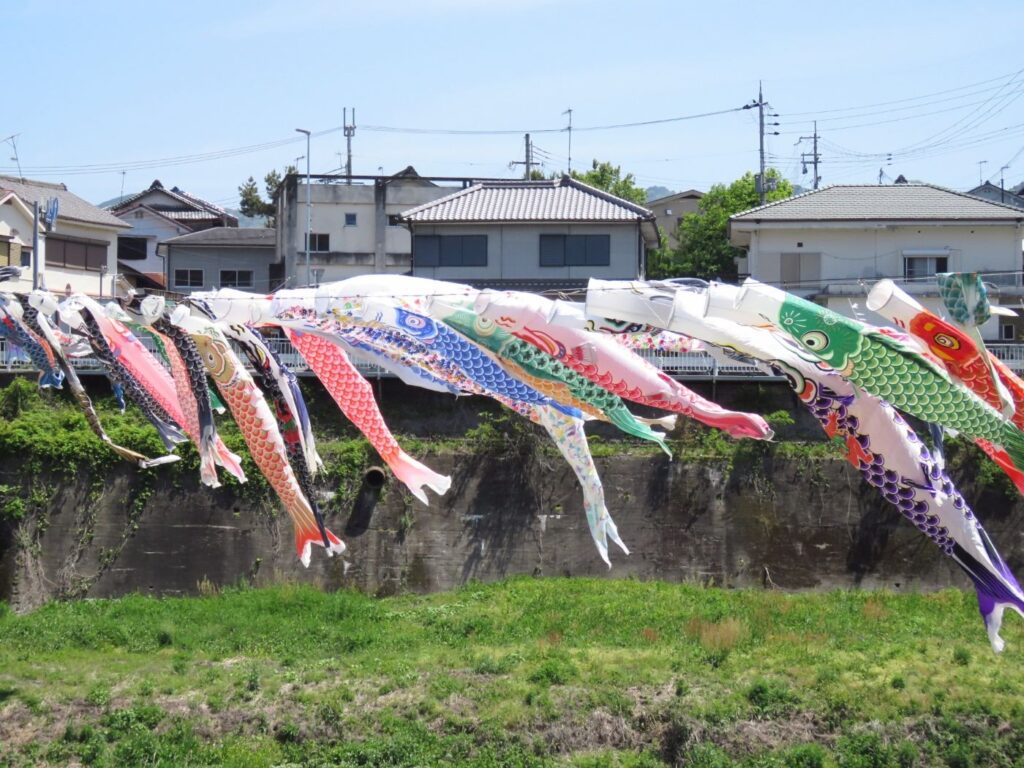
Koyasan is often associated with spirituality, temple life, and sacred forests.
Yet the mountain has always depended on the communities below.
These gateway towns supplied food, crafts, paper, textiles, transportation, and lodging for generations of travelers.
By spending a day or two exploring the surrounding area, visitors gain a deeper understanding of the cultural world that supported Koyasan long before it became an international destination.
Rather than rushing directly to the mountain, consider slowing down and discovering the places where everyday life and pilgrimage once intersected.
Related Post:
World Heritage Pilgrimage to Koyasan: From Human Prayer to Sacred Realization
Day 1: Slow Cycling Through Koyaguchi
A Historic Town at the Foot of the Mountains
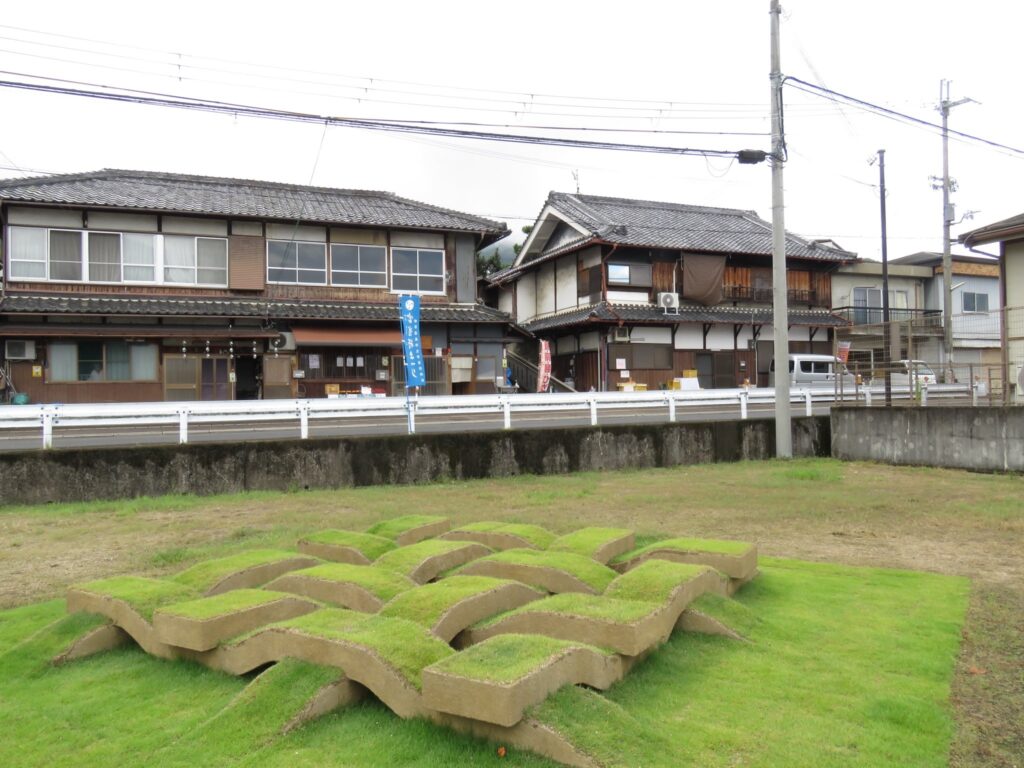
Begin your journey in Koyaguchi, a town historically known for its textile industry and its role as a gateway to Koyasan.
Quiet streets lined with traditional buildings create an atmosphere that feels far removed from the crowded tourist routes of Kyoto and Osaka.
Cycling allows you to move at the same pace as the landscape—slow enough to notice old storehouses, local shrines, and traces of the town’s commercial past.
Coffee Break at Katsuragikan
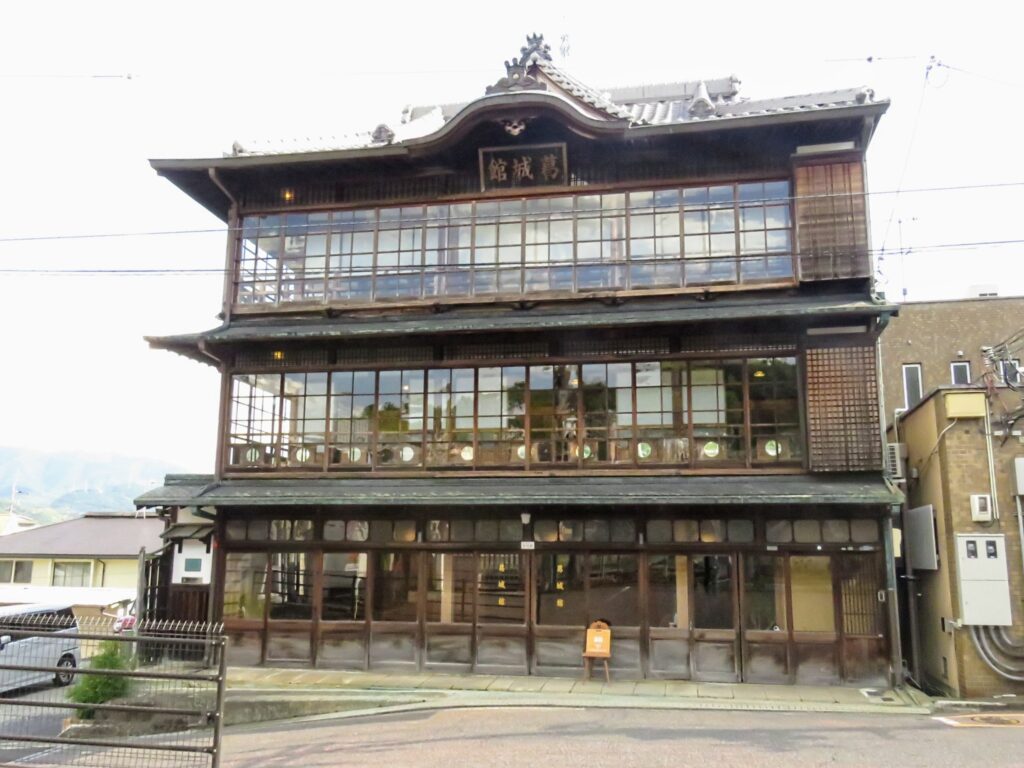
One of the most charming stops in Koyaguchi is Katsuragikan, a historic inn that has been lovingly preserved and partially transformed into a café space.
Here, visitors can enjoy coffee and sweets while surrounded by architecture that recalls the era when travelers moved between the plains and the sacred mountain.
Rather than being a museum, it remains part of the living fabric of the town.
It is an ideal place to pause, reflect, and appreciate the slower rhythm of rural Wakayama.
Experience Traditional Japanese Sweets
The culture of pilgrimage has long been connected to tea and confectionery traditions.
Participating in a wagashi-making experience offers more than a simple activity—it provides insight into Japanese hospitality, seasonality, and aesthetics.
The delicate forms and ingredients of traditional sweets reflect values that can also be found in temple cuisine and tea culture throughout the Koyasan region.
Evening Relaxation at a Local Hot Spring
After a day of cycling, spend the evening at a nearby hot spring.
For centuries, travelers in Japan have combined movement, rest, and bathing as part of a balanced journey.
A quiet evening in a local onsen provides an opportunity to unwind before continuing deeper into the cultural landscapes of the region.
Day 2: Discovering Kudoyama by Bicycle
A Town of Samurai, Pilgrims, and Craftsmen
The following morning, continue to Kudoyama.
Located at the entrance to the sacred mountain routes, Kudoyama is perhaps best known for its connection to the samurai warrior Sanada Yukimura.
Yet beyond its samurai history lies a town rich in traditional craftsmanship and local culture.
The streets are compact and easy to explore by bicycle, allowing visitors to move between historical sites, workshops, and riverside scenery at their own pace.
Learn the Art of Sanada Himo
One of Kudoyama’s most distinctive traditions is Sanada Himo, a style of woven cord associated with the Sanada family.
These durable and elegant cords have been used for tea utensils, sword fittings, and everyday objects.
Participating in a workshop provides a hands-on introduction to Japanese craftsmanship and the attention to detail that characterizes many traditional arts.
Discover Japanese Papermaking
Another meaningful cultural experience is traditional papermaking.
Paper has played an essential role in Japanese religious and cultural life for centuries.
From sutras and manuscripts to official documents and works of art, paper has connected knowledge, faith, and daily life.
Experiencing the process firsthand offers a deeper appreciation of the written traditions preserved within Koyasan’s temples and archives.
Taste the Local Flavors of Kudoyama
Lunch is an opportunity to enjoy regional specialties such as kakinoha-zushi and dishes featuring local agricultural products.
The surrounding area is known for fruit cultivation, particularly persimmons, which have shaped the economy and landscape of the region for generations.
Food here is not separate from the landscape—it is part of the story of the land itself.
Cycling to Jison-in and Niutsuhime Connections
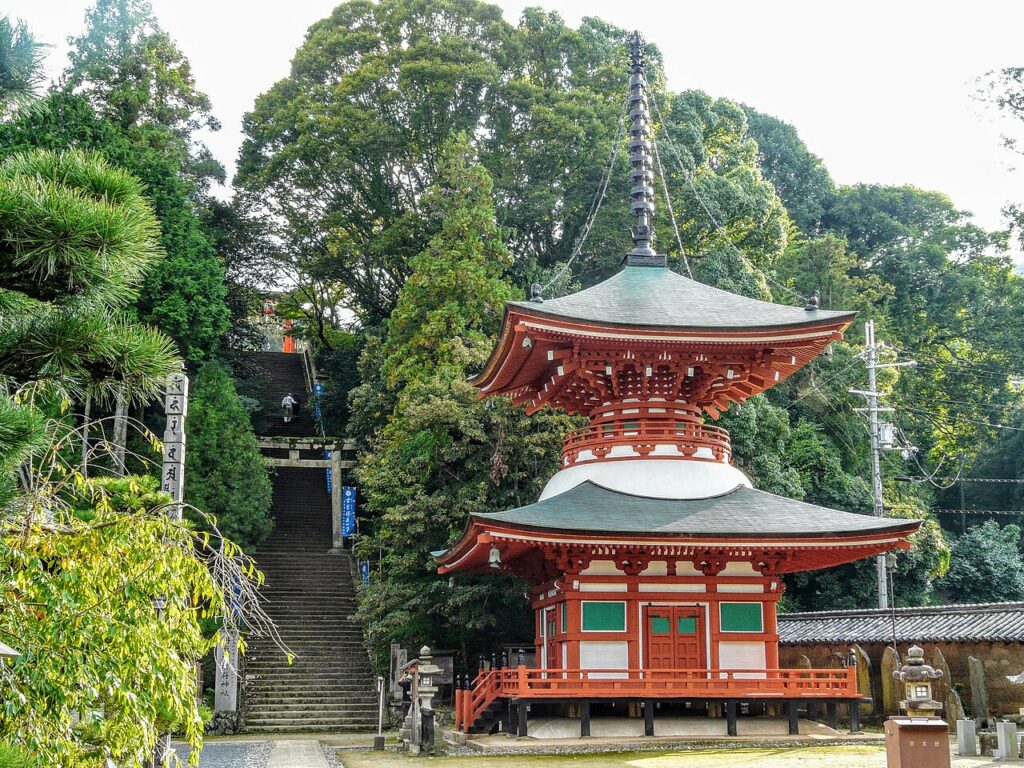
In the afternoon, continue toward Jison-in, a temple historically connected to Koyasan and often considered the spiritual gateway to the mountain.
Nearby sacred sites and pilgrimage routes reveal how travelers once prepared themselves before ascending into the religious center above.
The experience provides an important reminder that Koyasan is not an isolated destination.
It is part of a larger cultural landscape stretching across the valleys and foothills below.
A Different Way to Experience Koyasan
Many visitors focus solely on the temples of Koyasan.
Yet some of the most meaningful travel experiences occur in the places between destinations.
Cycling through Kudoyama and Koyaguchi allows travelers to encounter local crafts, historic architecture, agricultural landscapes, and everyday life at a human pace.
It transforms Koyasan from a single sightseeing destination into a broader journey through culture, community, and history.
For travelers seeking a deeper connection with Japan, the gateway towns below the sacred mountain may become just as memorable as Koyasan itself.
Related Post:
Koyasan Day Trip Itinerary (Without Staying Overnight)
Interested in a Custom Koyasan Gateway Experience?
We offer curated cultural journeys around Koyasan, including cycling routes, craft workshops, local food experiences, and slow travel itineraries tailored to your interests.
Whether you are planning a day before Koyasan or a multi-day stay in Wakayama, we can help create a journey that connects sacred sites with the living culture of the surrounding region.
Curated Kii Peninsula Journey can help you enjoy a cycling journey around Koyaguchi and Kudoyama!
No responses yet