
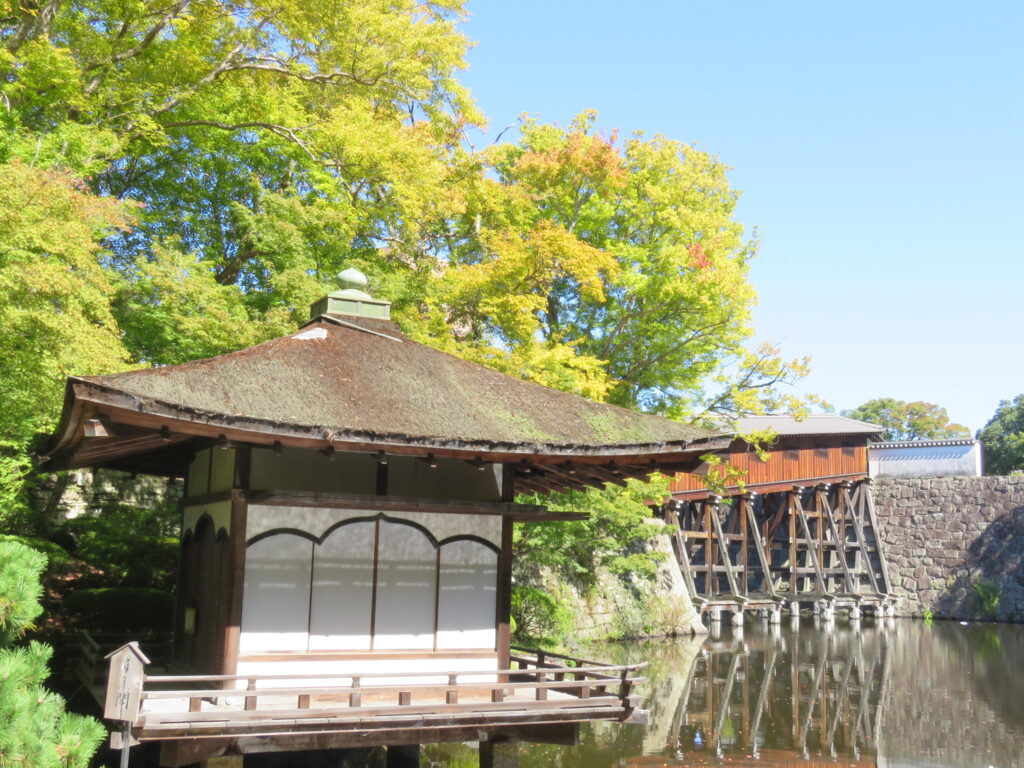
Discover the Quiet Aesthetics of Wakayama
Most travelers visiting Japan’s gardens head directly to Kyoto.
But just south of Osaka lies another world of gardens—quieter, less crowded, and deeply connected to the sea.
In Wakayama, gardens are not isolated spaces separated from daily life.
They exist between castles, fishing villages, tea culture, and coastal landscapes shaped over centuries.
This journey is not simply about viewing beautiful scenery.
It is about experiencing how power, poetry, tea, and the sea came together to shape the cultural landscape of Wakayama.
A Different Kind of Garden Experience
Unlike famous tourist destinations filled with crowds, Wakayama’s gardens retain a sense of stillness.
Here, you will find:
- Samurai-era aesthetics
- Coastal villas and retreat culture
- Tea houses overlooking water
- Pine trees shaped by ocean winds
- Quiet spaces where local life still surrounds the landscape
This atmosphere aligns closely with today’s growing interest in:
- Slow Travel
- Quiet Luxury
- Cultural Depth
- Photography and contemplative travel
Read: 1-Week Slow Travel in Wakayama
Morning: Samurai Culture at Momijidani Garden
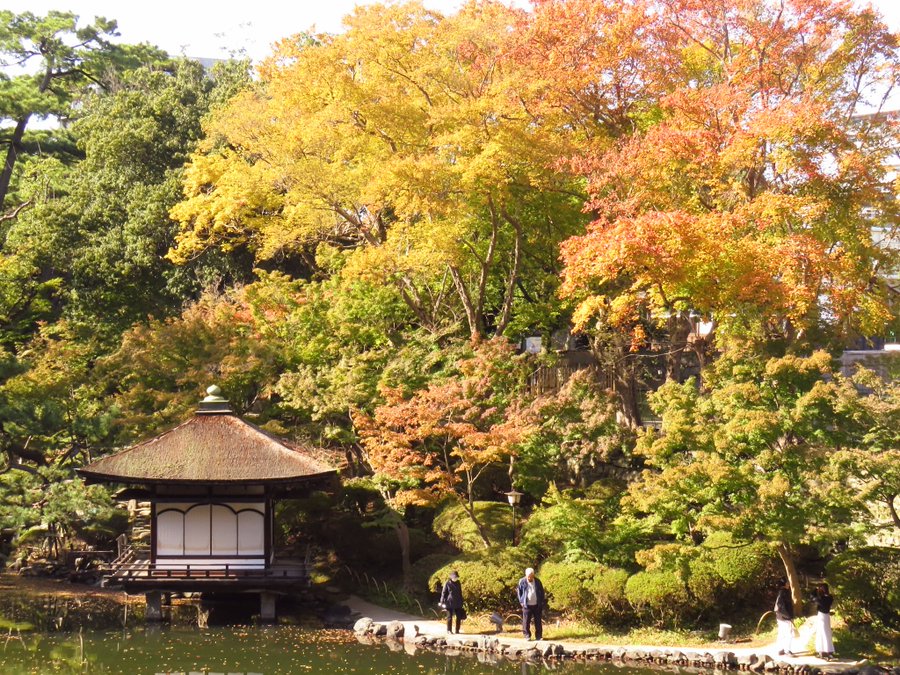
The journey begins inside Wakayama Castle.
Built beside the castle of the Kishu Tokugawa clan, Momijidani Garden reflects the refined aesthetics of samurai governance during the Edo period.
Unlike monumental castles designed purely for defense, this garden reveals another side of feudal power:
- contemplation
- seasonal beauty
- controlled nature
- tea culture
Walking through the garden in the early morning, visitors experience the transition from the structured world of the castle to a softer, more intimate landscape.
The contrast between stone walls, water, and carefully arranged greenery creates a calm atmosphere rarely found in larger tourist cities.
Tea and Silence at Kosho-an Teahouse
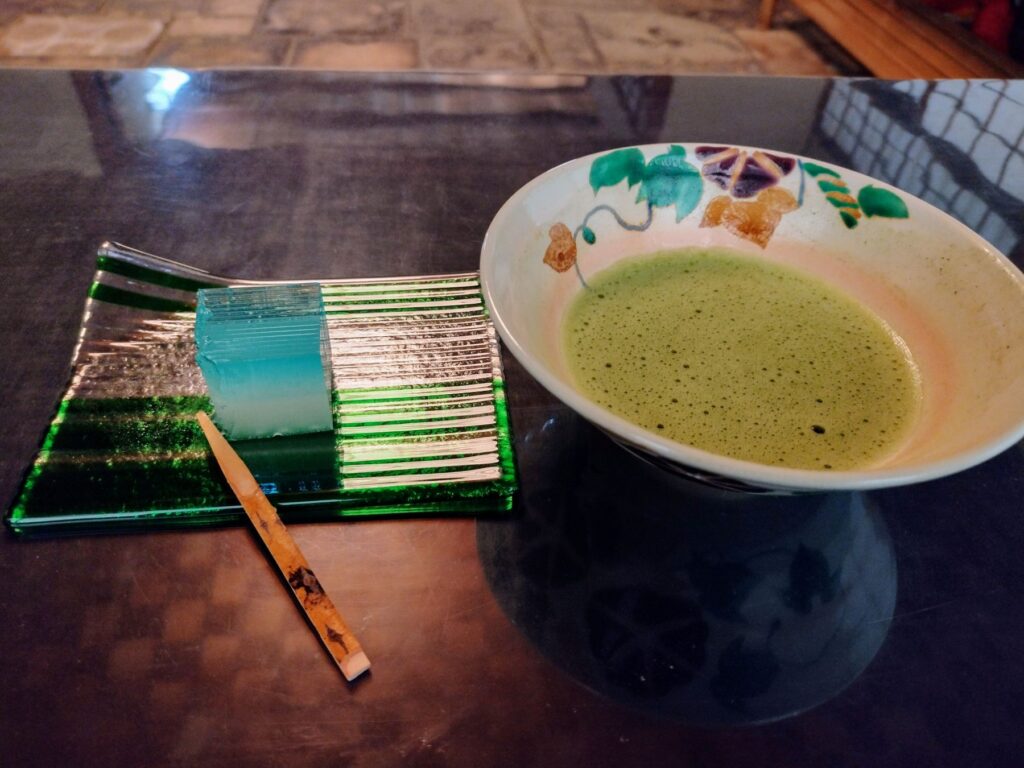
Within the garden stands a traditional tea house where guests can enjoy matcha and seasonal sweets.
This is not simply a café stop.
In Japanese garden culture, tea spaces were designed to slow perception:
- the sound of water
- the texture of tatami
- changing light through paper screens
- the movement of wind through trees
For travelers interested in Japanese aesthetics, this small experience often becomes one of the most memorable moments of the day.
Read: What to Do in Wakayama City: A Samurai Culture Day Around Wakayama Castle
From Castle Town to the Sea
One of the most beautiful aspects of this journey is the gradual transition through the city itself.
The atmosphere changes slowly:
- from samurai history
- to coastal roads
- to fishing communities
- to seaside retreat culture
Rather than isolated tourist sites, Wakayama reveals itself as a connected cultural landscape.
This layered structure is part of what makes the region especially attractive for travelers seeking deeper experiences beyond Osaka or Kyoto.
Read: Osaka/Kyoto Alternatives: Why Wakayama?
Afternoon: Seaside Elegance at Yosui-en Garden
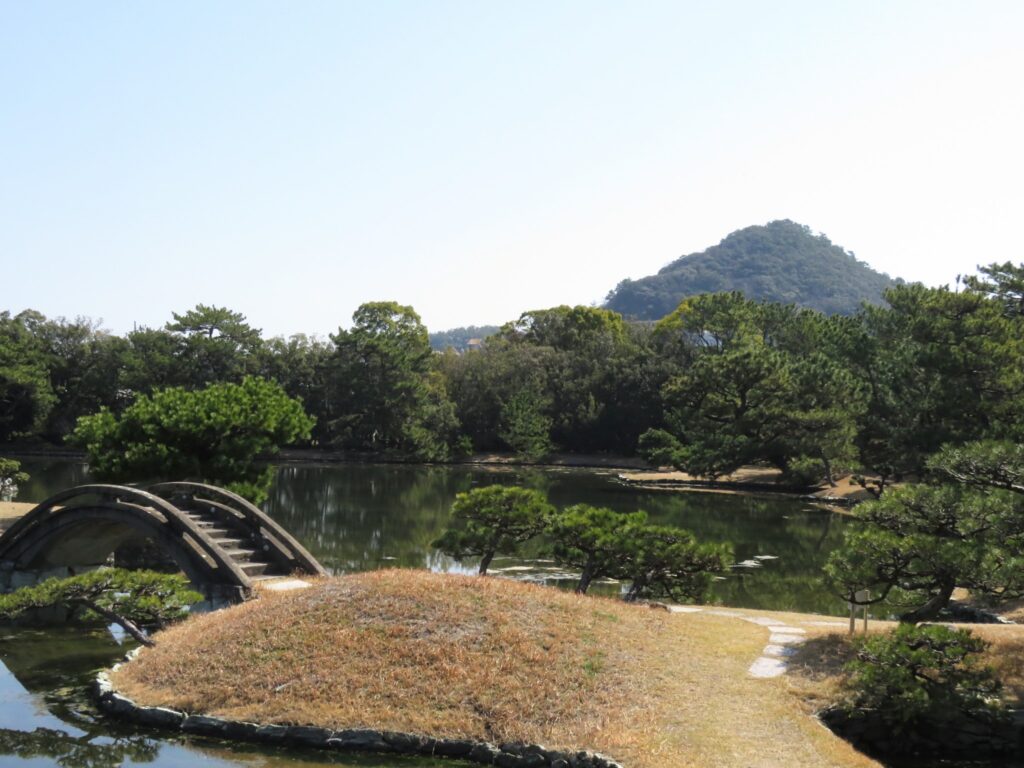
Located near the historic coastal area of Wakaura, Yosuien offers a very different atmosphere from castle gardens.
Created as a villa garden for the Kishu Tokugawa family, it incorporates seawater directly into the pond system—an unusual feature even among Japanese gardens.
Here, landscape design merges:
- sea and garden
- mountains and water
- architecture and nature
The garden was reportedly inspired by China’s West Lake traditions, reflecting the international cultural influences that once reached Wakayama through maritime exchange.
For photography lovers, the reflections of pine trees and shifting coastal light create an especially rich environment throughout the day.
Quiet Architecture and Retreat Culture at Ashibe-an
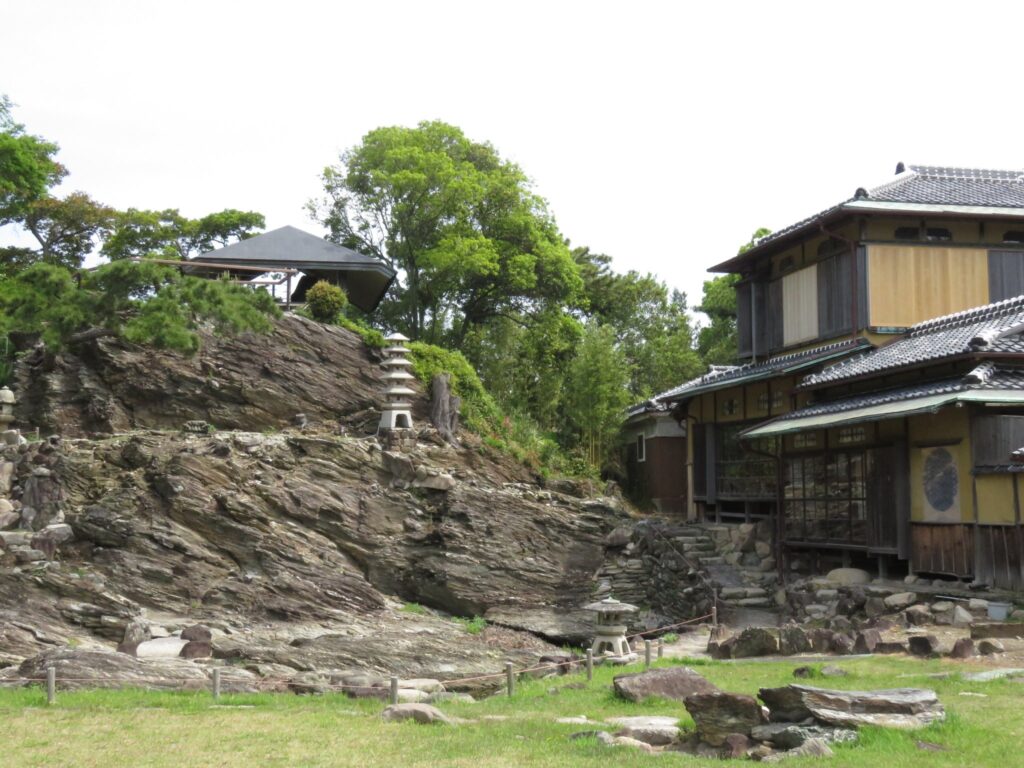
Near the coast, spaces like Ashibe-an reveal another side of Wakayama:
a culture of retreat and quiet appreciation.
Rather than grand monuments, these places emphasize:
- subtle materials
- framed scenery
- seasonal atmosphere
- intimacy with nature
This style of architecture reflects the Japanese concept that beauty is often discovered through restraint rather than scale.
For visitors interested in garden in unique style, traditional architecture, or contemplative travel, these quieter locations can become the emotional center of the journey.
Sunset Over the Sea at Bandoko Garden
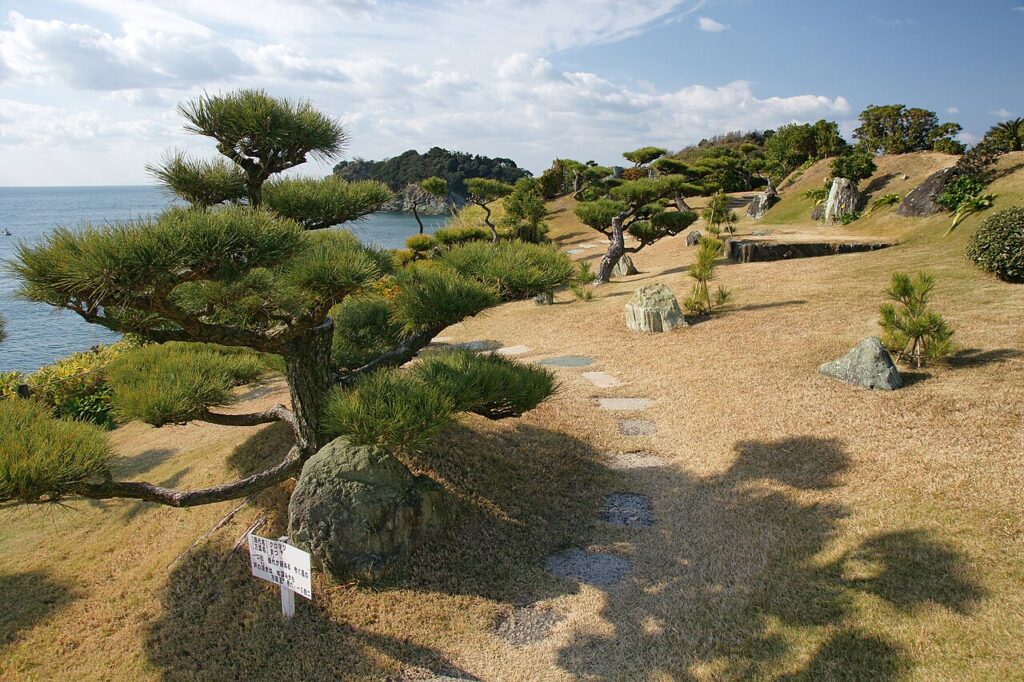
The final stop opens dramatically toward the ocean.
Located beside the fishing village of Saikazki, Bansho Garden overlooks the coastline where sea, cliffs, and sky meet.
After the enclosed atmosphere of earlier gardens, this sudden openness feels almost cinematic.
Historically, this area also held strategic importance for coastal defense and maritime observation, adding another layer to the relationship between landscape and power in Wakayama.
As the sun begins to lower over the water, the journey shifts from structured garden spaces into pure horizon and light.
More Than a Garden Tour
This experience can also connect naturally with:
- Matcha and wagashi tasting
- Local seafood cuisine
- Wakaura cultural walks
- Photography-focused travel
- Seasonal experiences such as plum blossoms or autumn leaves
- Slow travel itineraries in the Kii Peninsula
Rather than rushing between famous landmarks, this journey invites travelers to spend time with atmosphere itself.
Read: Photography in Wakayama: Hidden Photo Locations in Kansai
Suggested Experience Style
This tour works especially well for:
- Garden and architecture enthusiasts
- Photographers
- Couples seeking quiet cultural travel
- Travelers interested in Japanese aesthetics
- Returning visitors to Japan looking beyond Kyoto
It can be enjoyed as:
- Half-day private experience
- Full-day cultural journey
- Customized slow travel itinerary in Wakayama
Discover the Quiet Side of Japan
In Wakayama, gardens are not separated from life.
They remain connected to:
- castles
- fishing villages
- poetry
- tea culture
- coastal wind and changing light
For travelers seeking a quieter and more layered side of Japan, these spaces offer something increasingly rare:
The opportunity not simply to see Japan—but to slow down enough to feel it.
→Plan your custom travel in Wakayama
No responses yet