
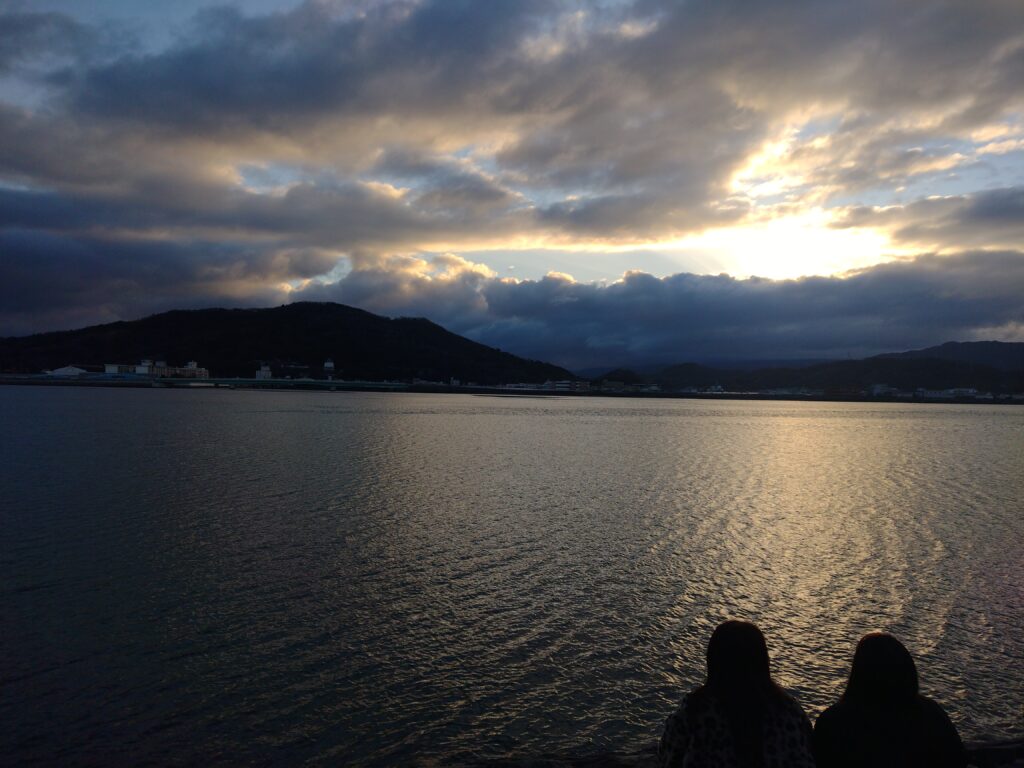
Hiking Through the Mythic Landscape of Nagusa Tobé
When travelers explore Japan, they often encounter famous myths connected to emperors, samurai, or great shrines.
But in southern Wakayama City, another story still lingers quietly in the landscape.
It is the legend of Nagusa Tobé — a local queen said to have ruled this region before the legendary eastern expedition of Emperor Jimmu.
According to local tradition, after her defeat, her body was divided and enshrined across the land.
Today, traces of this story remain scattered between mountains, villages, shrines, and the sea.
This is not simply a hike.
It is a journey through a mythological landscape where memory, geography, and local belief still overlap.
More Than a Local Legend
Unlike famous destinations filled with crowds and large monuments, this story survives in quieter places:
- Forest shrines
- Residential neighborhoods
- Hills overlooking the sea
- Small local traditions still remembered by residents
For international travelers interested in:
- Japanese mythology
- Sacred landscapes
- Ancient pilgrimage culture
- Women in mythology
- Hidden cultural history
the legend of Nagusa Tobé offers a rare glimpse into another layer of Japan.
Rather than presenting mythology as something distant or fictional, Wakayama preserves it within the land itself.
Beginning at Mt. Nagusa
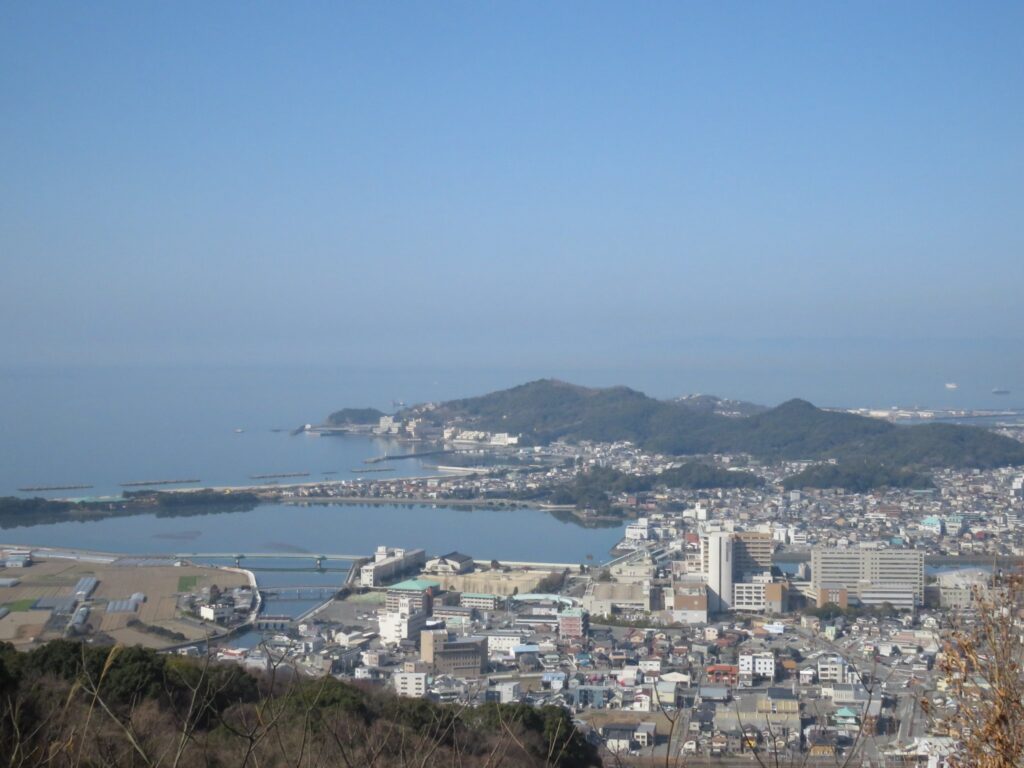
A View Across Sea, Mountain, and Memory
The journey begins on Nagusa Mountain.
From here, the geography of the region becomes clear:
- The coastline of Wakaura
- Fishing communities shaped by the sea
- Ancient routes leading south toward Kumano
- Mountains once associated with spiritual practice and local power
This landscape helps explain why legends emerged here.
Long before modern prefectures or cities existed, this area stood at the intersection of:
- Maritime culture
- Pilgrimage movement
- Agricultural settlements
- Sacred mountains
The story of Nagusa Tobé is deeply tied to this environment.
The Shrines of the Scattered Body
According to local tradition, Nagusa Tobé’s body was divided and enshrined in different locations after her defeat.
Whether understood as myth, oral history, or symbolic memory, the story transforms the entire region into a connected sacred landscape.
Rather than visiting one shrine, travelers move through the myth itself.
Ukabe Shrine
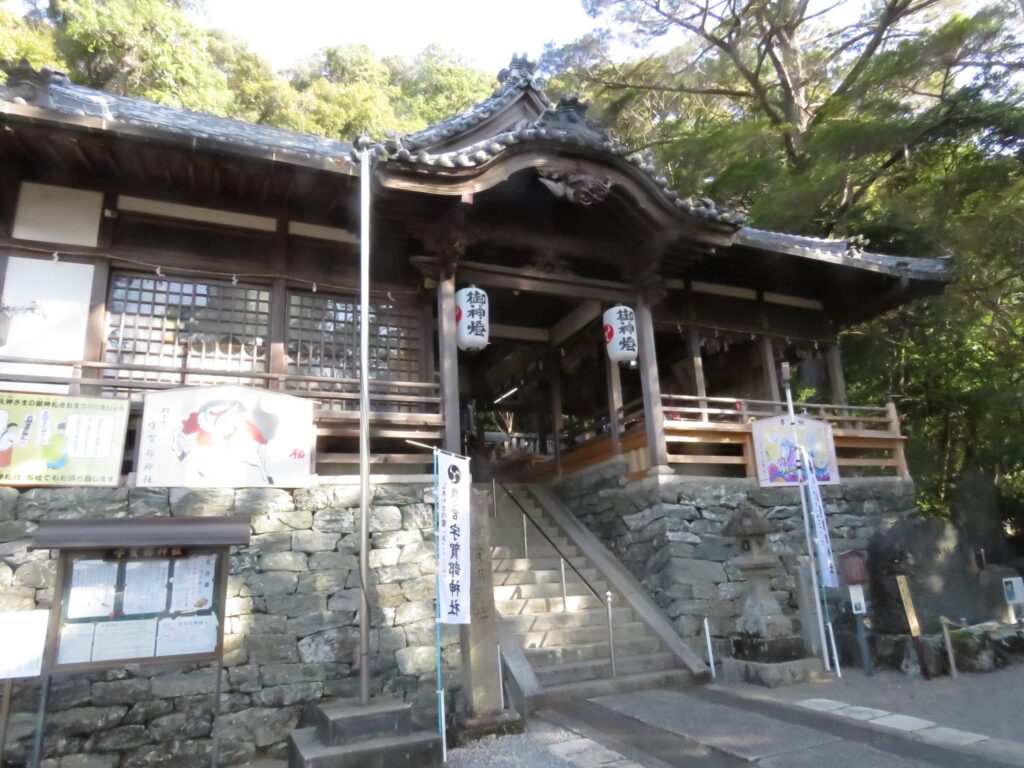
The Head
Hidden within the everyday landscape of Wakayama, Ugabe Shrine preserves one part of the legend.
The atmosphere is quiet and deeply local.
Unlike major tourist shrines, places like this reveal how mythology survives through ordinary community memory rather than spectacle.
Sugihara Shrine
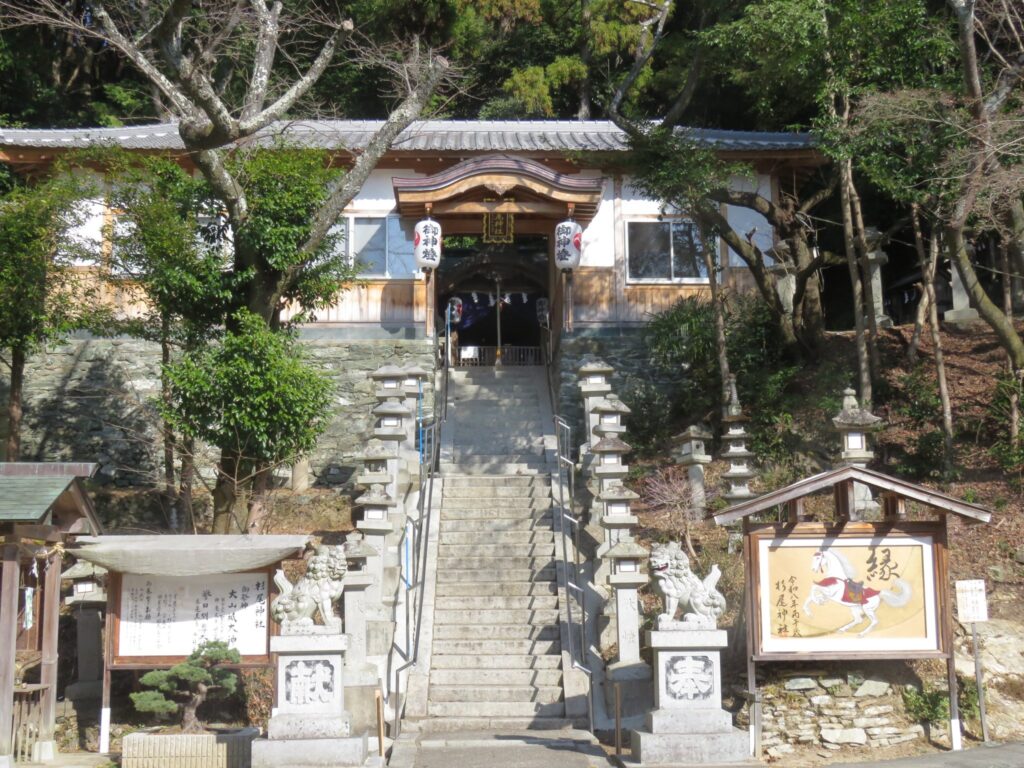
The Body
As the route continues, the relationship between mythology and daily life becomes more visible.
Small roads, old settlements, and agricultural landscapes connect the shrines together.
The experience feels less like sightseeing and more like reading hidden layers within the land itself.
Chigusa Shrine
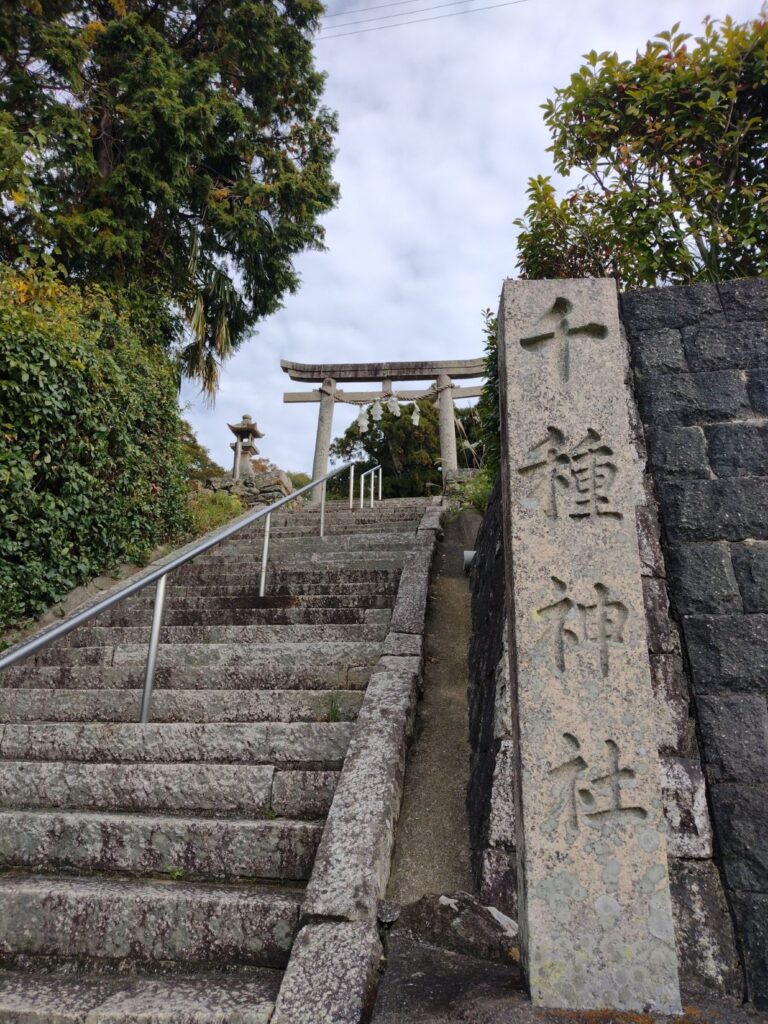
The Feet
The final section of the journey emphasizes movement itself.
Walking between these locations creates a different understanding of Japanese mythology:
not as isolated stories, but as memories embedded into mountains, roads, and villages.
This connection between walking and interpretation is one reason the experience resonates strongly with travelers interested in slow travel and cultural depth.
A Different Way to Experience Japan
Many visitors encounter Japan through famous landmarks.
But some of the country’s deepest stories survive in quieter places:
- Local shrines
- Forgotten paths
- Oral traditions
- Landscapes shaped over centuries
The Nagusa Tobé legend offers something increasingly rare:
a chance to experience mythology not inside a museum, but through the act of walking itself.
For travelers seeking:
- cultural hiking
- mythology-inspired journeys
- photography-focused travel
- sacred landscapes
- hidden Wakayama experiences
this route reveals another side of the Kii Peninsula.
Suggested Experience Style
This route works particularly well as:
- Half-day mythology hike
- Full-day cultural landscape walk
- Photography-focused walking tour
- Custom slow travel experience combined with Wakaura or the Kiiji Road
Because the experience is deeply connected to atmosphere and interpretation, it is especially suited for private or small-group guided travel.
Discover Wakayama Beyond the Guidebooks
Wakayama is often associated with the Kumano Kodo or sacred mountains like Koyasan.
But between these famous destinations lies another world:
one shaped by local memory, sea winds, mountain paths, and stories that never fully disappeared.
The legend of Nagusa Tobé is one of them.
→Customize your hiking tour in Wakayama
No responses yet