
Beyond Sweetness: A New Role for Japan’s Traditional Plum Liqueur
For many years, Japanese umeshu was often seen internationally as a sweet after-dinner drink.
But in recent years, a different perception has begun to emerge.
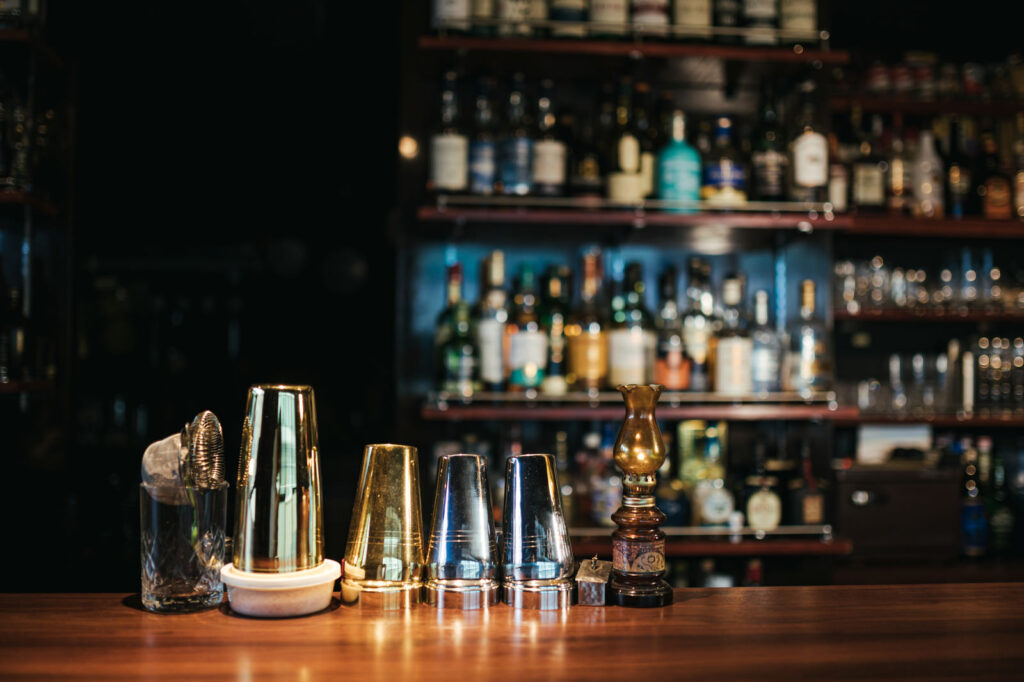
Across cocktail bars, restaurants, and hospitality spaces, premium umeshu is gaining attention not simply as a traditional Japanese beverage—but as a versatile ingredient with depth, acidity, and strong pairing potential.
Especially in regions like Minabe and Tanabe, umeshu is deeply connected to a broader culture of fruit cultivation, fermentation, and long-term craftsmanship.
This shift is changing how professionals approach Japanese plum liqueur.
More Than a Sweet Liqueur
High-quality umeshu offers far more complexity than many expect.
Depending on the production method, base alcohol, and aging process, premium umeshu can express:
- Bright acidity
- Stone-fruit richness
- Gentle bitterness
- Oxidative depth
- Barrel character
- Long, mellow finishes
For bartenders and sommeliers, this opens possibilities beyond the traditional dessert-drink category.
Rather than functioning only as a sweet beverage, umeshu can work as:
- A cocktail modifier
- A low-ABV signature ingredient
- A pairing component
- An aperitif or digestif
- A bridge between food and spirits
This versatility is one reason why restaurants and bars are beginning to explore umeshu more seriously.
Why Wakayama Matters
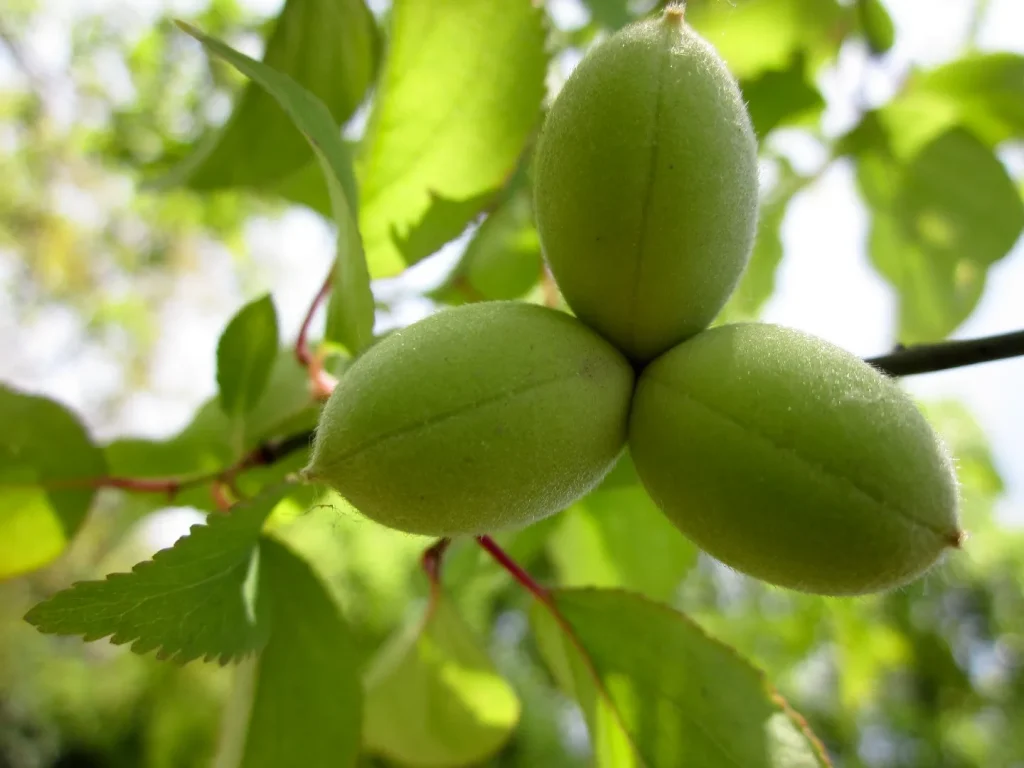
Wakayama is Japan’s leading ume-producing region, known especially for the cultivation of Nanko ume.
The area’s climate—shaped by mountains, sea air, rainfall, and well-drained terrain—helps produce fruit with:
- Soft flesh
- Rich aroma
- Balanced acidity
- High suitability for aging and liqueur production
Wakayama is also significant because certain regional umeshu products are protected under Japan’s Geographical Indication (GI) system.
The GI designation for Wakayama umeshu recognizes products rooted in the region’s specific agricultural conditions, production methods, and local expertise.
For international buyers, this provides something increasingly important in today’s market:
- Traceability
- Regional authenticity
- Protected origin identity
- Stronger premium positioning
Much like wine appellations in Europe, GI certification helps communicate that the product is inseparable from the place where it is made.
But the significance of Wakayama goes beyond agriculture alone.
The region is also deeply connected to:
- Fermentation culture
- Shoyu soy sauce production
- Preserved foods
- Long-term food craftsmanship
This broader context gives Wakayama umeshu a stronger narrative for hospitality and retail brands looking for products with regional identity and authenticity.
A Natural Fit for Cocktail Programs
One of the biggest reasons bars are adopting premium umeshu is flexibility.
Unlike many strongly flavored liqueurs, umeshu integrates smoothly into cocktail programs without overpowering other ingredients.
It pairs naturally with:
- Whisky
- Gin
- Sparkling wine
- Tea
- Citrus
- Herbal components
For hospitality venues, this creates opportunities for:
- Seasonal cocktails
- Japanese-inspired menus
- Lower-alcohol offerings
- Signature house drinks
As global drinking culture shifts toward balance, texture, and drinkability, umeshu fits naturally into contemporary beverage design.
Pairing Potential in Restaurants
Restaurants are also beginning to treat umeshu as a pairing tool rather than simply a standalone drink.
Premium umeshu works especially well with:
- Cheese
- Charcuterie
- Smoked dishes
- Dark chocolate
- Fruit desserts
- Rich savory courses
Its acidity and fruit structure allow it to bridge sweet and savory elements in ways wine sometimes cannot.
This makes umeshu particularly interesting for:
- Omakase restaurants
- Tasting menu programs
- Dessert pairings
- Contemporary Japanese dining
The Rise of Aged and Craft Umeshu
Another emerging category is aged umeshu.
Some producers now focus on:
- Long-term maturation
- Barrel aging
- Vintage releases
- Small-batch production
These styles appeal strongly to:
- Luxury hotels
- High-end bars
- Collectors
- Premium retail buyers
In many ways, aged umeshu is beginning to occupy a space similar to craft whisky or specialty digestifs—offering both cultural depth and product differentiation.
Umeshu as Part of Japan’s Broader Craft Culture
The growing interest in umeshu reflects a wider movement toward products that combine:
- Regional identity
- Traditional techniques
- Contemporary usability
In Wakayama, this culture extends beyond alcohol alone.
It connects to:
- Shoyu soy sauce brewing in Yuasa
- Traditional craftsmanship in Kuroe
- Long-standing fermentation practices throughout the region
Together, these elements form a cultural ecosystem centered around time, process, and refinement.
Looking to Source Premium Umeshu from Wakayama?
Restaurants, bars, importers, and hospitality brands are increasingly looking for Japanese products with stronger stories and deeper cultural roots.
We help connect international businesses with producers and cultural networks in Wakayama.
Services Include
- Producer introductions
- Beverage sourcing support
- Regional storytelling assistance
- Pairing-oriented product selection
- Cultural coordination and visits
👉 Discuss Your Beverage or Hospitality Project
👉 Or customize your private umeshu trip
Related Posts
- Umeshu & Pairing Experience in Wakayama
- The Ultimate Guide to Umeshu Food Pairing: From Sushi to Cheese
No responses yet