
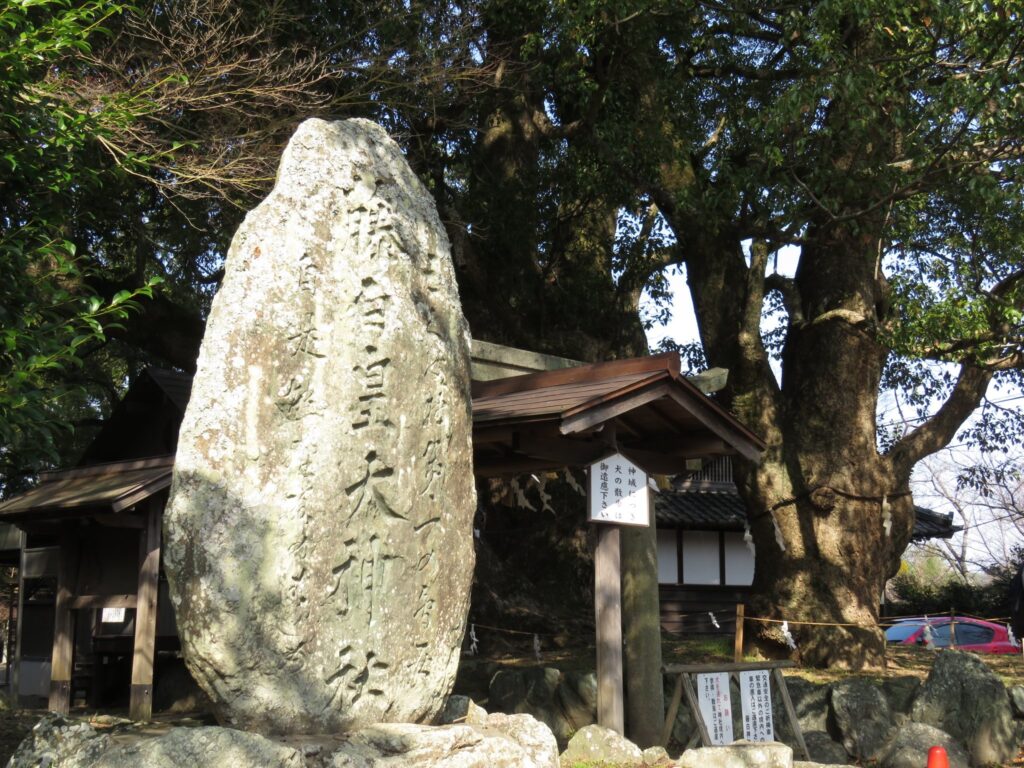
Where Travel Becomes Pilgrimage
Leaving the City Behind
Most journeys to the Kumano Kodo begin with a train ride from Osaka.
Within a short time, the dense urban landscape begins to open:
- Buildings give way to coastline
- Trains follow the curve of the sea
- The pace of life quietly shifts
What lies ahead is not just a destination.
It is a gradual transition—from movement to meaning.
The Overlooked Beginning of the Kumano Kodo
Many travelers imagine the Kumano Kodo beginning deep in the mountains.
But historically, the journey started much earlier—along the Kiiji Road.
This coastal route connected Kyoto and Osaka to Kumano, carrying:
- Pilgrims
- Nobles
- Merchants
- Ordinary travelers
For centuries, this was not just a road—it was a corridor of life.
The Threshold: Fujishiro Oji
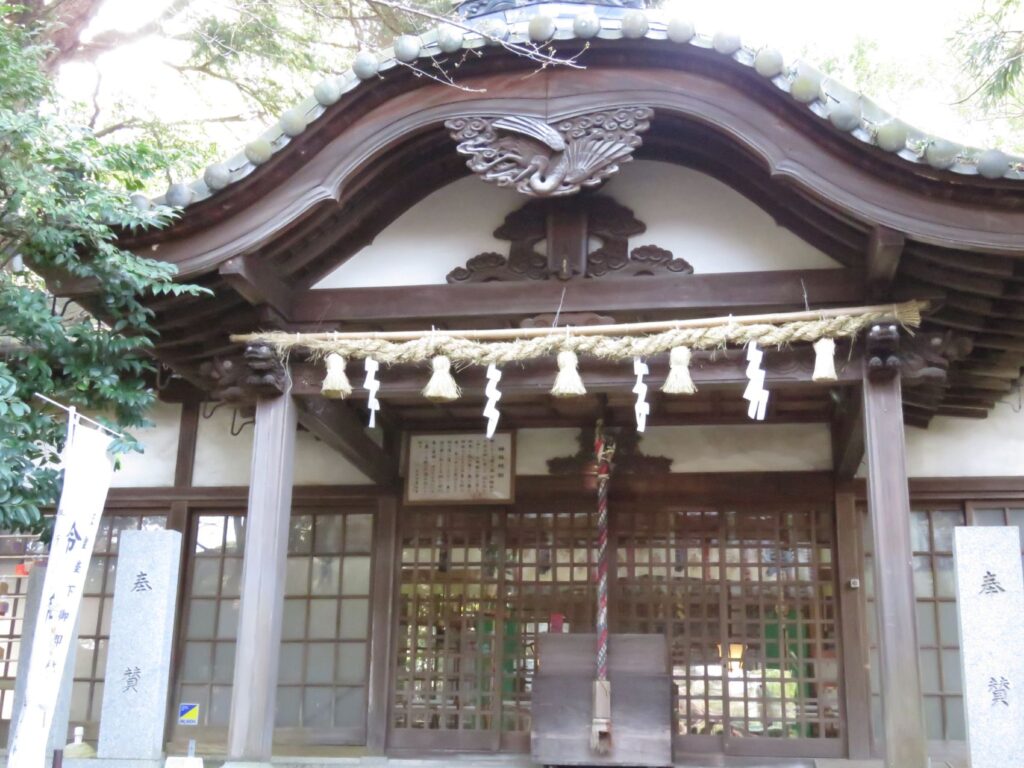
At a certain point along this road, something changes.
That place is Fujishiro Oji.
Historically, this shrine marked the true entrance to the sacred realm of Kumano.
But its importance goes even deeper.
- It is the first of the Five Great Oji shrines that guided pilgrims toward Kumano
- Nearby once stood the Kumano Ichinotorii, a grand gate symbolizing entry into sacred space
For those traveling from the capital, this was the moment everything shifted.
Beyond this point, the journey was no longer just movement—it became pilgrimage.
Relate Post:
Koyasan & Kumano: The Sacred Network of the Kii Mountains
A Place of Power and Tragedy
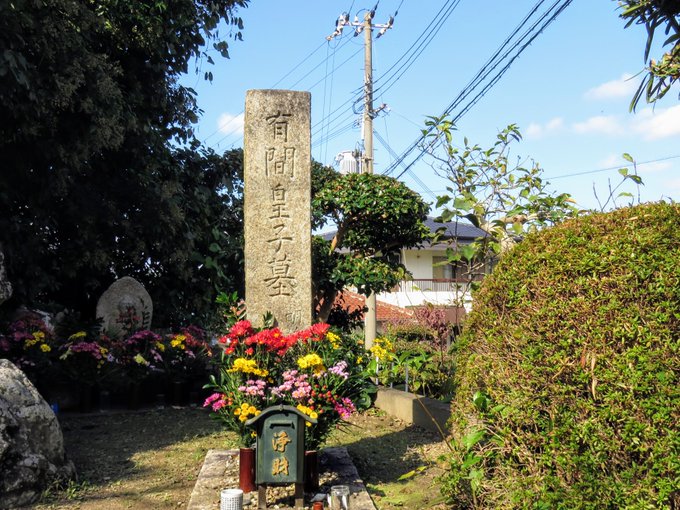
Fujishiro is not only a spiritual threshold—it is also a place marked by history.
It is said that Arima no Miko, a tragic imperial prince of the Asuka period, was executed in this area.
His story is one of political intrigue and downfall, adding another layer to this landscape.
This means that Fujishiro stands at a rare intersection:
- Sacred journey
- Political history
- Human drama
Walking here is not just about entering Kumano.
It is about passing through a place where multiple histories overlap.
Walking the Transition
One of the most unique aspects of this approach is that you can feel the transition physically.
You move through:
- Coastal towns filled with everyday life
- Roads still actively used by local residents
- Gradually quieter surroundings
- The first ascent into the hills near Fujishiro
Unlike other sections of the Kumano Kodo, this is not a sudden immersion.
It is a gradual transformation—just as it was for pilgrims centuries ago.
Related Post:
Beyond the Kumano Kodo: Life Along the Ancient Kiiji Road
Layers of History Along the Way
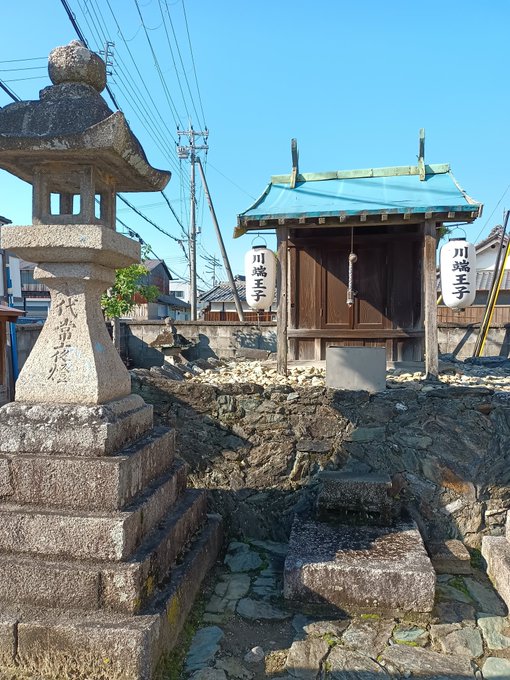
Even before reaching Fujishiro Oji, the route is filled with subtle historical traces:
- Jizo statues placed for those who died along the journey
- Remains of teahouses where travelers once rested
- Stone markers guiding pilgrims
- Traces of villages that supported the road
These elements are not isolated.
They remain embedded in a landscape that is still lived in today.
A Living Road, Not a Preserved Trail
Much of the Kii Road overlaps with modern roads such as National Route 42.
This means:
- You walk through active communities
- You encounter daily life
- You experience continuity rather than reconstruction
Related Post:
Kiiji Road Guide: The Kumano Kodo You Don’t Expect
Why This Beginning Matters
Starting your journey here changes how you understand the Kumano Kodo.
Instead of arriving in the middle of a story, you experience:
- The threshold between ordinary and sacred
- The role of Fujishiro as a gateway
- The layered history of people who passed through
You don’t just reach Kumano.
You understand how the journey begins.
Choose How You Experience the Beginning of Kumano
The area around Fujishiro Oji can be explored in different ways depending on your time and interests.
Below are two carefully designed experiences:
- A walking-focused pilgrimage approach
- A cultural route connecting Wakaura and Fujishiro
Both reveal the moment where travel becomes pilgrimage.
Option 1: Walking the Pilgrimage Route
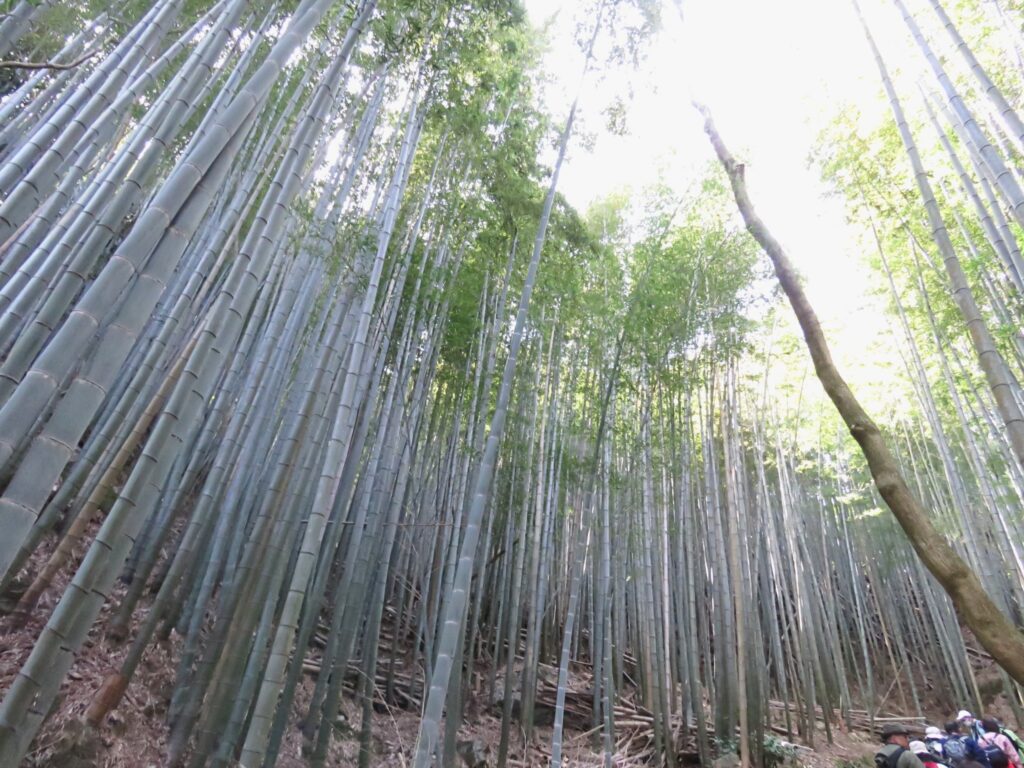
From Kainan to Kiimiyahara (Classic Kii Road Experience)
Overview
- Route: Kainan Station → Fujishiro → Fujishiro Pass → Kiimiyahara Station
- Duration: 6–8 hours
- Difficulty: Moderate to difficult
- Style: Cultural walking + hiking
Route Highlights
1. Start at Kainan Station
A quiet local station that marks the transition away from urban Kansai.
From here, you begin walking through residential streets that were once part of the Kumano pilgrimage network.
2. Approach Fujishiro Oji
As you move inland, the atmosphere gradually shifts.
At Fujishiro:
- First of the Five Great Oji shrines
- Former house of Suzuki Family
- Historical execution site of Arima no Miko
👉 This is where the journey becomes a pilgrimage.
3. Climb to Fujishiro Pass
The path becomes more natural and quiet.
- Stone-paved sections
- Forest surroundings
- Sense of entering sacred terrain
This is one of the earliest “mountain transitions” on the Kii Road.
4. Descend to Kiimiyahara Station
The trail returns to everyday life:
- Rural scenery
- Local roads
- Quiet communities
👉 This contrast is the essence of the Kiiji Road.
Why This Route Works
- Captures the full transition (life → pilgrimage)
- Compact but meaningful
- Perfect introduction to Kumano Kodo
Option 2: Cultural Journey
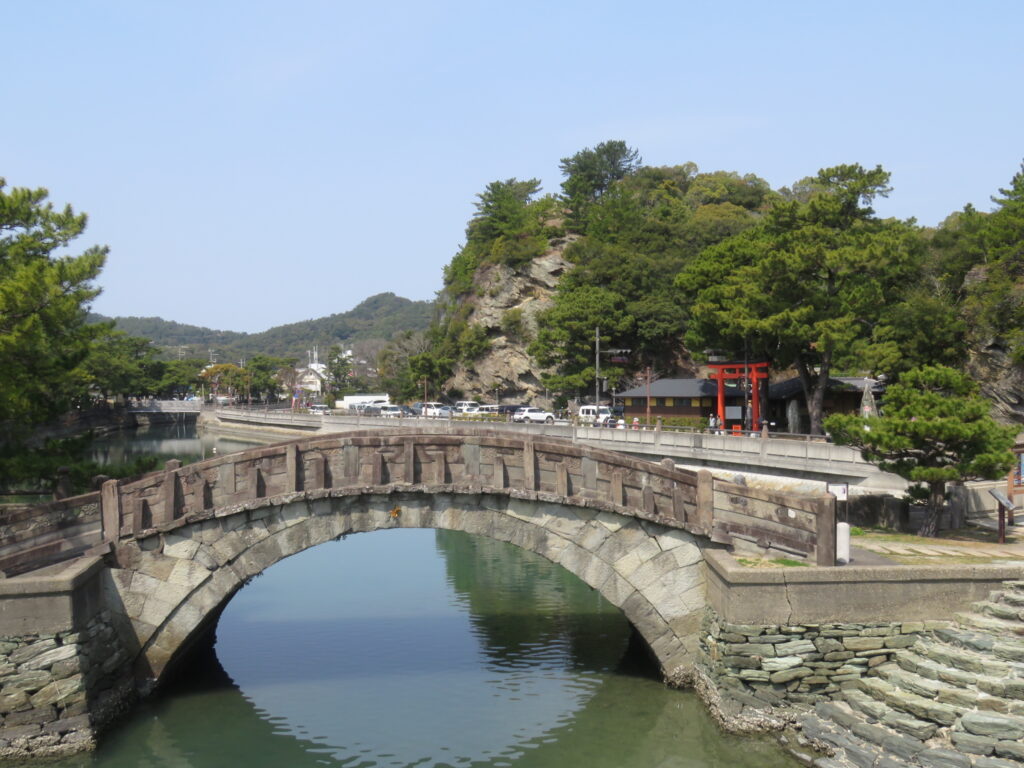
Wakaura & Fujishiro Experience (No Long Hiking Required)
Overview
- Route: Wakaura → Fujishiro
- Duration: Half to Full Day
- Difficulty: Easy
- Style: Scenic + cultural exploration
Route Highlights
1. Explore Wakaura
A historic coastal landscape once admired by poets and aristocrats.
- Sea, shrines, and layered history
- Connection between nature and culture
2. Travel to Fujishiro Oji
Arrive at the symbolic entrance to Kumano.
Even without a long walk, you can experience:
- The threshold into sacred space
- The historical and spiritual significance
- The layered stories of the area
Why This Route Works
- Ideal for travelers with limited time
- Combines sea + pilgrimage
- Strong narrative flow without physical strain
Related Post:
Wakaura: A Living Cultural Landscape in Japan
Experience It with a Local Perspective
Both routes reveal something essential:
👉 The Kumano Kodo does not begin in isolation
👉 It begins within everyday life
Walking with a guide helps you see:
- What is hidden in plain sight
- How history is embedded in the landscape
- Why Fujishiro was the true entrance to Kumano
Plan Your Experience
We offer flexible private experiences based on these routes:
Custom Options
- Walking-focused (Kiiji Road route)
- Cultural-focused (Wakaura & Fujishiro)
- Combination with Yuasa or Kumano
👉 Start here:
No responses yet