
Beyond Fresh Fish: Understanding Preservation and Flavor
For many culinary professionals, Japanese seafood is associated with freshness—especially in sushi and sashimi.
However, in Wakayama, an equally important tradition lies in processing and preservation.
Techniques such as drying, salting, and fermentation have long been used to extend shelf life while creating distinctive flavors.
These methods offer valuable insights for chefs and buyers looking to expand their approach to seafood.
Shirasu: A Regional Specialty
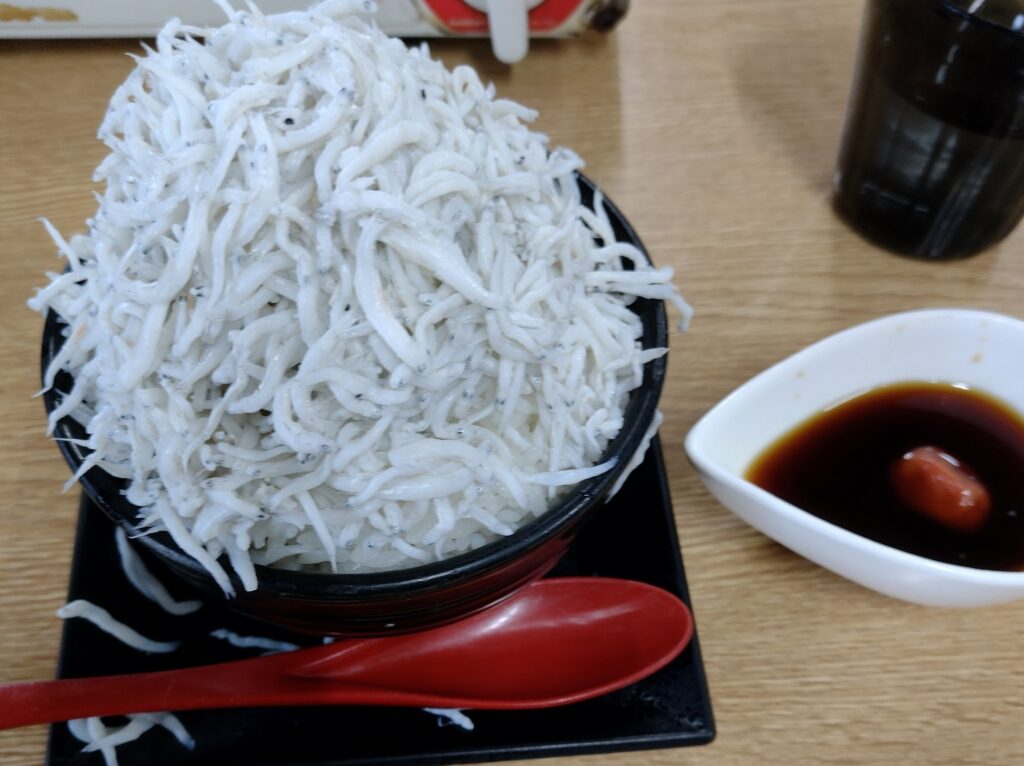
Wakayama is known for its shirasu (whitebait), a product deeply rooted in local fishing communities.
From Catch to Processing
Shortly after being caught, shirasu is:
- Boiled in salted water
- Sorted and graded
- Processed into different forms such as kama-age (soft boiled) or dried varieties
Visiting a processing facility allows professionals to observe:
- Speed and timing of handling after catch
- Subtle differences in texture and moisture
- How quality is preserved through simple but precise methods
Application in Cuisine
Shirasu is used in a wide range of dishes:
- Rice bowls and simple preparations
- As a topping or garnish
- Incorporated into pasta or modern dishes
Its delicate texture and mild salinity make it highly adaptable.
Dried Fish: Concentration of Flavor
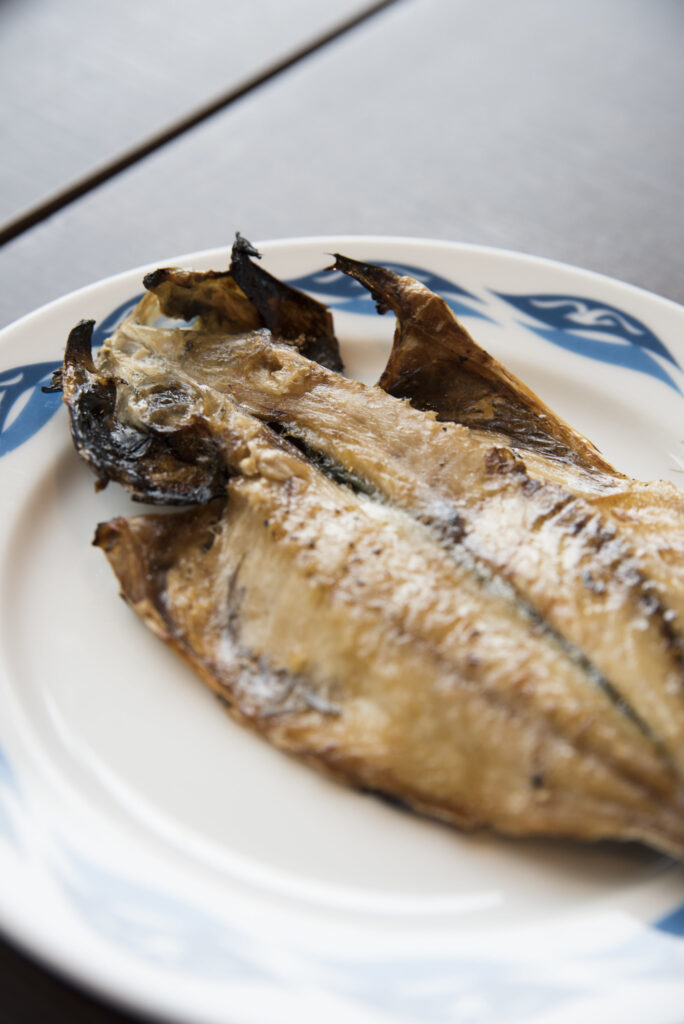
Drying is one of the most traditional methods of seafood preservation in Japan.
Experiencing the Drying Process
In Wakayama, small-scale producers continue to prepare:
- Himono (sun-dried fish)
- Salted and semi-dried varieties
By visiting these sites, you can understand:
- How moisture reduction affects texture and taste
- The role of salt in preservation and flavor
- The influence of climate and air circulation
Culinary Potential
Drying concentrates umami and creates a different category of ingredient:
- Suitable for grilling
- Useful in broths and stocks
- Applicable in both Japanese and non-Japanese cuisine
Surimi-Based Products: Transformation of Texture and Function
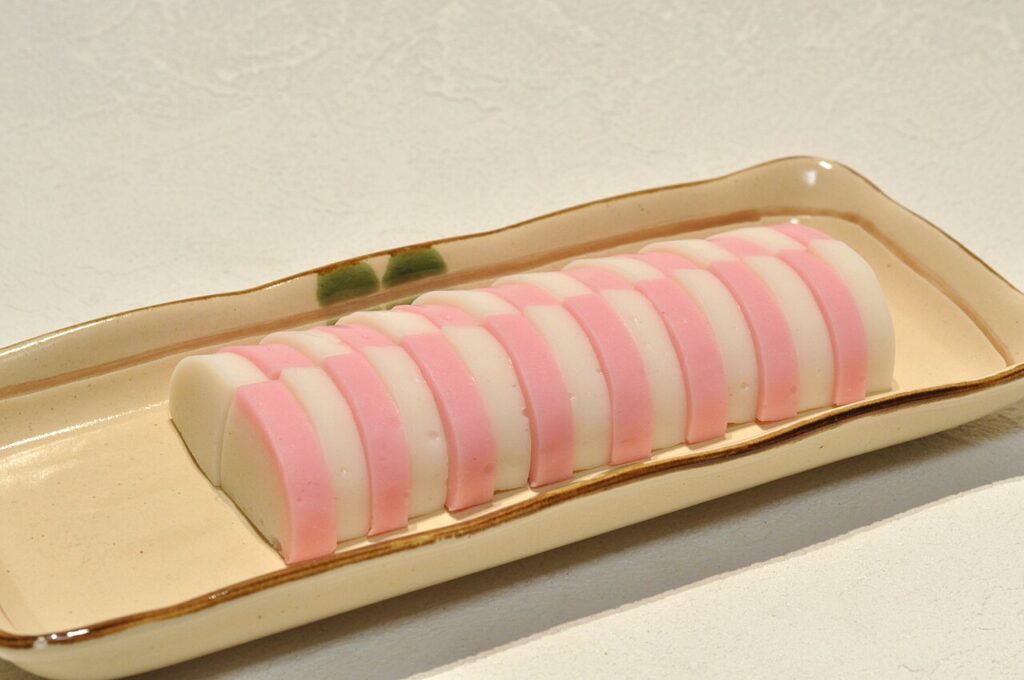
Another important aspect of seafood processing in Wakayama is the production of surimi-based products (fish paste products).
These include items such as:
- Kamaboko (steamed fish cake)
- Chikuwa (grilled tube-shaped fish paste)
- Tempura-style fried fish cakes
Understanding the Production Process
By visiting a producer, you can observe:
- How fish is processed into paste (surimi)
- The role of grinding, seasoning, and shaping
- How heat treatment (steaming, grilling, frying) changes texture and structure
This process highlights how seafood can be transformed into products with entirely different characteristics from the original fish.
Culinary and Commercial Applications
Surimi products offer:
- Consistent texture and form
- Ease of portioning and plating
- Versatility across cuisines
They can be used in:
- Traditional Japanese dishes
- Casual dining formats
- Creative reinterpretations in modern cuisine
For buyers, these products also present opportunities in retail and ready-to-eat categories.
Connecting Production and Use
As with other areas of Wakayama’s food culture, the value lies in understanding the full chain:
- Fishing
- Processing
- Distribution
- Consumption
At local restaurants, you can experience how these products are used in everyday cooking, bridging the gap between production and application.
Key Insights for Culinary Professionals
Preservation Creates New Ingredients
Processing is not only about extending shelf life—it creates entirely new flavor profiles and textures.
Simplicity Requires Precision
Many techniques involve few ingredients, but demand careful timing and control.
Regional Products Offer Differentiation
Shirasu and processed seafood from Wakayama provide alternatives to more widely known Japanese ingredients.
Why Wakayama
Wakayama offers a unique combination of:
- Active fishing communities
- Small-scale processing facilities
- Accessibility for direct observation
This makes it possible to explore seafood not only as a product, but as a system.
Designing a Visit for Professionals
A typical visit may include:
- Observation of shirasu processing
- Visits to dried fish producers
- Exploration of fermented seafood products
- Tasting in local restaurants
Each experience can be tailored based on your professional interests, whether focused on sourcing, menu development, or culinary research.
Plan Your Visit
If you are interested in exploring Japanese seafood beyond freshness—through preservation, processing, and application—we can design a visit tailored to your needs.
→ Learn more about our approach
→ Contact us to plan your visit
No responses yet