
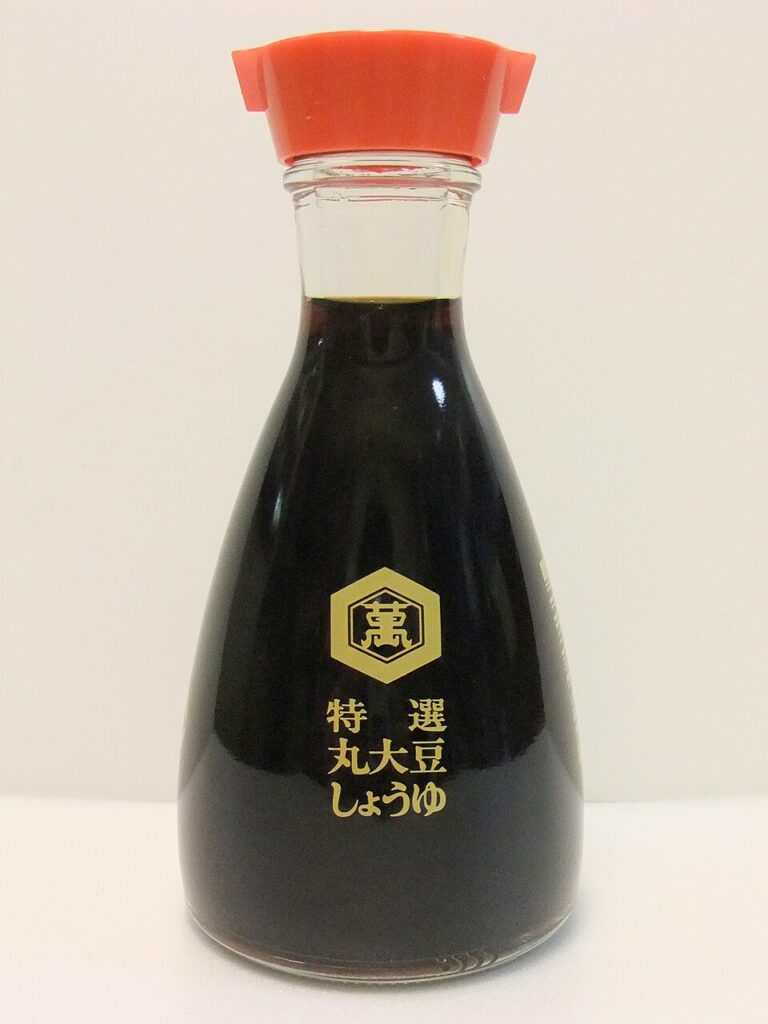
Shoyu is the Japanese word for soy sauce, but Japanese shoyu is more than a single type of seasoning. Japan has five officially recognized types, each made differently and suited to different foods.
Most Japanese soy sauce is koikuchi, the familiar dark variety. But there are also light-colored usukuchi, soybean-rich tamari, double-fermented saishikomi, and pale shiro shoyu.
So what exactly makes shoyu different from other soy sauces? How does fermentation create its umami and aroma? And which type should you use for sushi, sashimi, cooking, or dipping?
What is Shoyu?
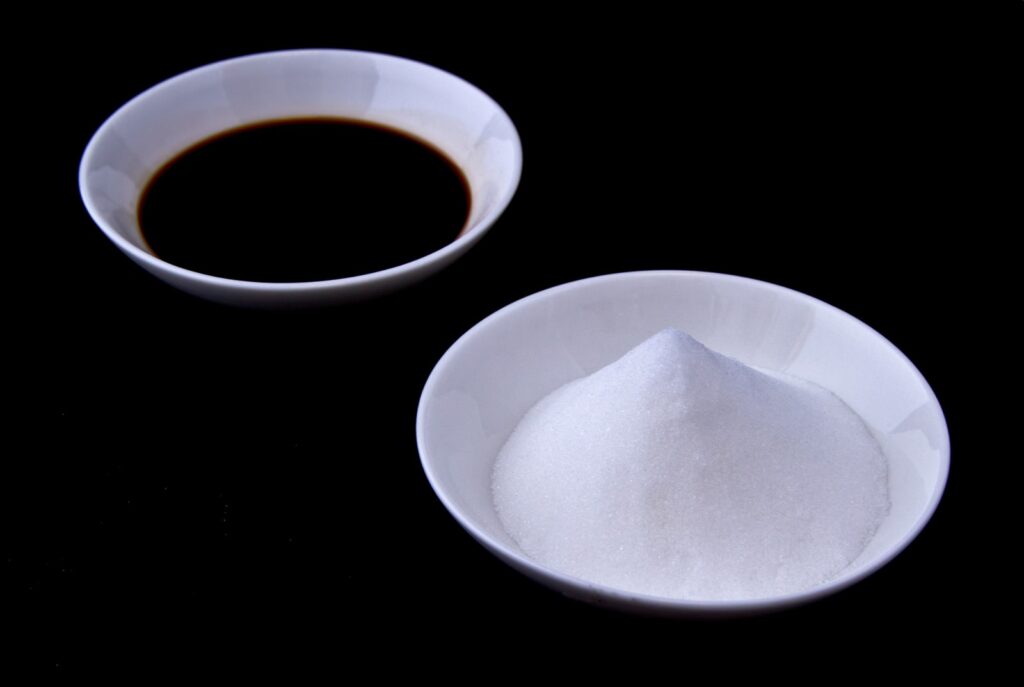
Shoyu is a fermented liquid made from:
- Soybeans
- Wheat
- Salt
- Water
Through a long and natural fermentation process, these simple ingredients transform into a deeply complex seasoning rich in umami.
However, in Japan, 80% of the soy sauce distributed through outlets such as supermarkets is made using defatted soybeans. Defatted soybeans are a raw material created by extracting and removing oil from soybeans beforehand and adjusting the protein content and particle size for soy sauce brewing. Because the oil has been removed, the resulting soy sauce is characterized by a clean, crisp finish combined with a rich, deep umami flavor.
Shoyu brewed using traditional methods at soy sauce breweries is made from whole soybeans—which retain their natural oil content—resulting in a mellow aroma, a gentle sweetness, and a deep, rich flavor.
The Fermentation Process Behind Shoyu
Traditional shoyu is made through a slow, natural process that can take months or even years.
Step 1: Koji (麹)
A mold culture is cultivated on soybeans and wheat.
Step 2: Moromi Mash
The mixture is combined with saltwater and begins fermentation.
Step 3: Aging & Pressing
The mash is aged over time, then pressed to produce soy sauce.
This process creates:
- Amino acids (umami)
- Aromatic complexity
- Deep, layered flavors
Why Does Shoyu Taste So Complex?
Unlike simple salty seasonings, shoyu contains natural glutamates created during fermentation.
This results in:
- Depth rather than intensity
- Balance rather than sharpness
In Japanese cuisine, shoyu enhances ingredients instead of overpowering them.
Related post:
Why Does Shoyu Have So Much Umami?
One of the defining characteristics of Japanese shoyu is its deep umami—the savory taste that gives foods a sense of depth and fullness. But where does that umami come from?
The answer lies in the combination of soybeans, koji, and a long fermentation process.
Soybeans Provide the Protein
Soybeans are naturally rich in protein. During shoyu brewing, this protein becomes an important source of the amino acids responsible for savory flavors.
However, the proteins in whole soybeans are not simply tasted as umami. They first need to be broken down into smaller compounds that our taste receptors can recognize.
Koji Starts the Transformation
The key to this process is koji, a culture made by growing Aspergillus oryzae on steamed soybeans and roasted wheat.
During fermentation, enzymes produced by the koji break down proteins into amino acids and peptides. Among these amino acids is glutamic acid, one of the principal compounds responsible for the sensation of umami.
At the same time, enzymes break down carbohydrates into sugars, contributing sweetness and providing material for further fermentation.
Time Creates Complexity
The mixture of soybeans, wheat, koji, and salt water becomes moromi, which is then fermented and aged.
This is not simply a process of making shoyu saltier or darker. Over time, microorganisms and enzymes transform the ingredients, creating a complex combination of amino acids, sugars, organic acids, and aromatic compounds.
That is why well-brewed shoyu can taste much more complex than its basic ingredients might suggest.
It can combine:
- Umami from amino acids such as glutamic acid
- Sweetness from sugars produced during enzymatic breakdown
- Aroma from fermentation and aging
- Acidity from organic acids
- Saltiness from the brine
The result is a seasoning that can make other ingredients taste more flavorful without necessarily dominating them.
Why Shoyu Works So Well with Japanese Food
This balance is one reason shoyu became so deeply integrated into Japanese cuisine.
A small amount can add depth to sushi, sashimi, tofu, grilled fish, vegetables, soups, and simmered dishes. Rather than providing only saltiness, it adds layers of flavor that complement the ingredients themselves.
And because different types of shoyu are brewed differently, their balance of color, aroma, saltiness, and umami can vary considerably.
In other words, the umami of shoyu is not created by a single ingredient. It is the result of fermentation transforming soybeans, wheat, and other ingredients over time.
This is also why traditional shoyu brewing is as much about time and microorganisms as it is about a recipe. In historic brewing towns such as Yuasa in Wakayama, the process has been refined over generations, making shoyu part of a broader culture of Japanese fermentation rather than simply a condiment.
The 5 Types of Japanese Shoyu
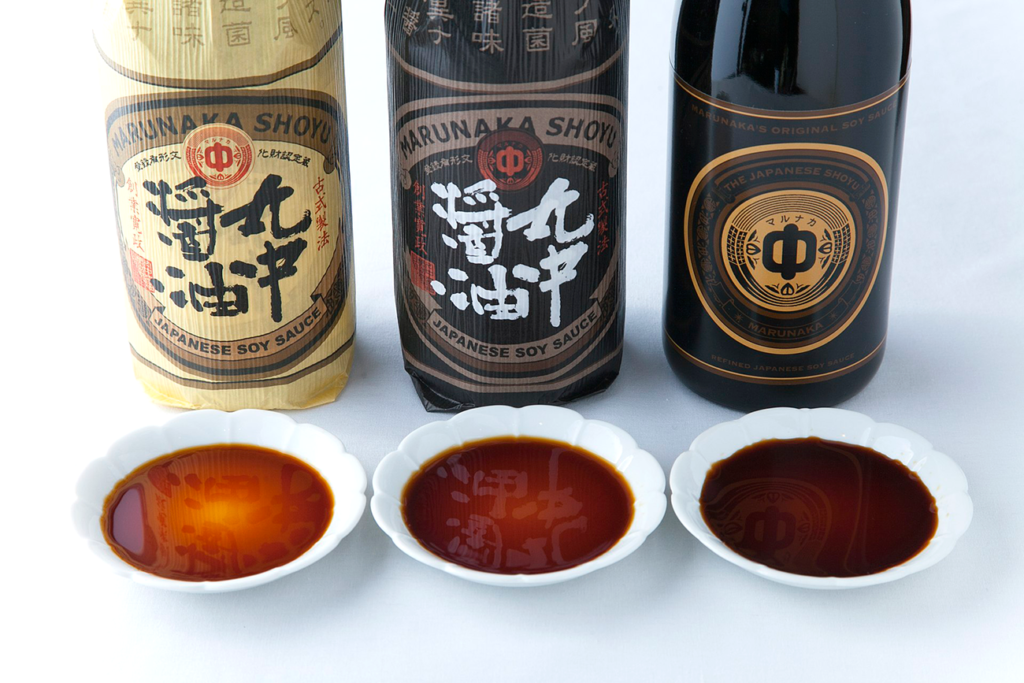
In Japan, different styles of shoyu reflect regional food cultures:
- Koikuchi (dark soy sauce) – the most common
- Usukuchi (light soy sauce) – often used in Kansai cuisine
- Tamari – richer and thicker
- Saishikomi – using raw soy sauce instead of saltwater, then allowed it to ferment and age slowly
- Shiro (white soy sauce) – unique savory aroma and subtle sweetness
Each type offers a different expression of fermentation.
| Type | Color | Flavor | Common uses | Region |
|---|---|---|---|---|
| Koikuchi | Dark | Balanced, rich | Everyday cooking, dipping | Japan-wide |
| Usukuchi | Light | Delicate, salty | Kansai cuisine, clear soups | Kansai |
| Tamari | Dark & thick | Rich, intense umami | Sashimi, grilling | Chubu |
| Saishikomi | Very dark | Deep, complex | Sushi, sashimi | Yamaguchi & western Japan |
| Shiro | Very pale | Mild, sweet, aromatic | Light-colored dishes | Aichi |
Shoyu and Japanese Culture
Shoyu is more than just soy sauce—it represents:
- The importance of fermentation
- The concept of umami
- A philosophy of harmony in cooking
It is deeply embedded in everyday Japanese life.
Related post:
How Shoyu Shaped the Japanese Sense of Taste
Shoyu vs. Soy Sauce: What’s the Difference?
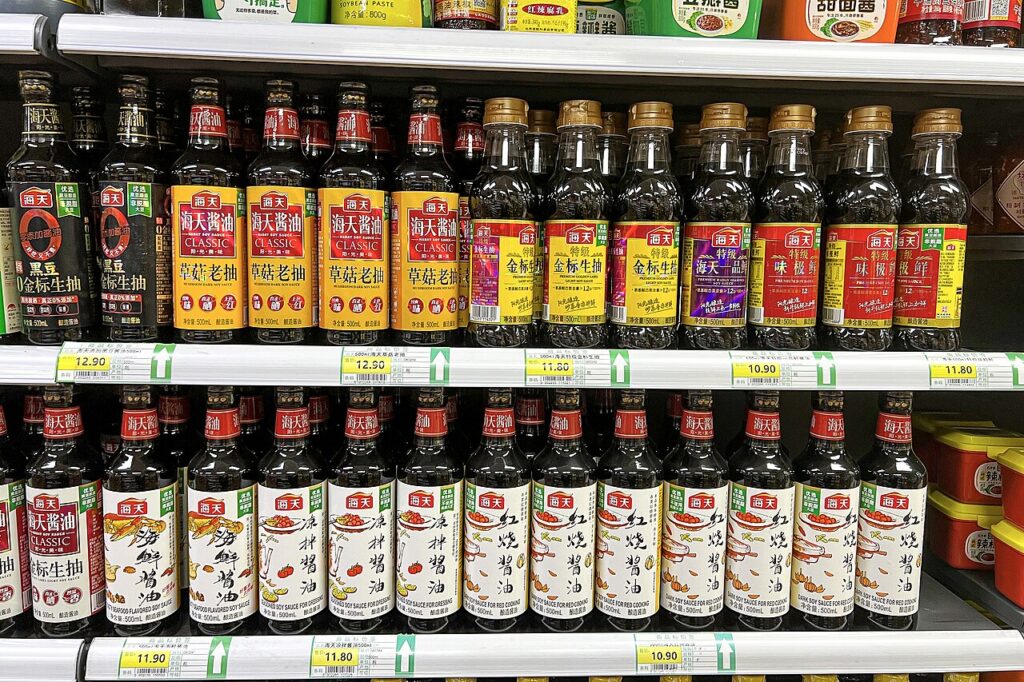
Shoyu is the Japanese word for soy sauce. In everyday English, the two terms are often used interchangeably. But when talking about Japanese food culture, “shoyu” can be more specific: it refers to the Japanese tradition of brewing soy sauce, including its ingredients, fermentation methods, regional styles, and culinary uses.
Soy sauce is a much broader term. Similar fermented sauces are made throughout East and Southeast Asia, and they can differ considerably in ingredients, flavor, texture, and production methods. Chinese soy sauces, Korean ganjang, and Indonesian kecap, for example, are not simply different brands of Japanese shoyu.
What Makes Japanese Shoyu Different?
Japanese shoyu is traditionally made by fermenting soybeans and wheat with koji, a culture containing microorganisms that break down proteins and starches during fermentation. The mixture is then combined with salt water to create moromi, which is fermented and aged before being pressed.
This process creates the characteristic combination of saltiness, umami, aroma, sweetness, and acidity associated with Japanese shoyu.
There is also considerable variety within Japan. The five main types of shoyu recognized in Japan include koikuchi, usukuchi, tamari, saishikomi, and shiro, ranging from dark and richly flavored to pale and delicate.
So when a Japanese chef refers to “shoyu,” they may have a particular type, brewing method, or regional tradition in mind—not simply a generic dark soy sauce.
Is Shoyu Always the Same as the Soy Sauce on a Restaurant Table?
Not necessarily.
A bottle labeled “soy sauce” outside Japan may contain a product made according to a different tradition, and even within Japan, shoyu varies significantly. Koikuchi shoyu, the most common type in Japan, is what many people imagine when they think of Japanese soy sauce, but it is only one of several styles.
The difference becomes particularly noticeable when shoyu is used with delicate foods such as sushi, sashimi, tofu, or clear soups. The choice of shoyu can influence not only saltiness but also aroma, color, and the way the flavor of the food is perceived.
For this reason, Japanese shoyu is better understood not simply as a condiment, but as a fermented food with its own regional history and culinary culture.
And to understand that culture more deeply, it is worth looking beyond the bottle. Places such as Yuasa in Wakayama, one of Japan’s historic shoyu-brewing towns, offer an opportunity to see how fermentation, local ingredients, craftsmanship, and food culture have developed together over centuries.
Where Is Japanese Shoyu Made?
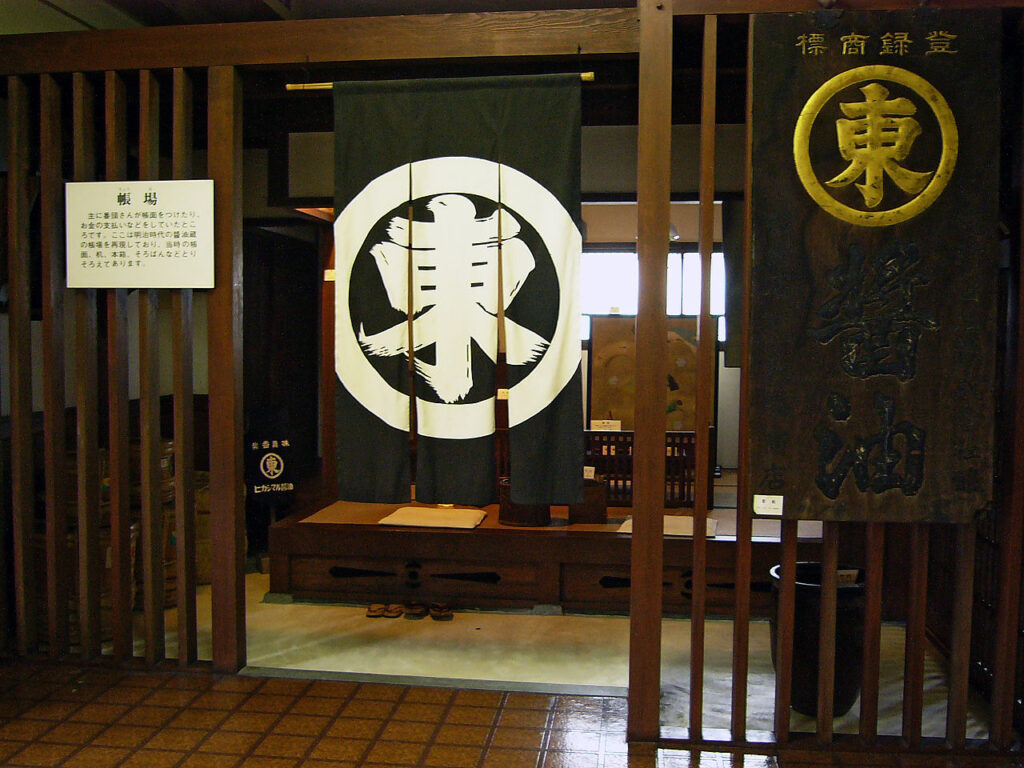
Shoyu is brewed throughout Japan, but its history is closely connected to particular regions where soybeans, wheat, salt, water, transportation, and local food cultures came together.
Several towns became important centers of shoyu production during the Edo period (1603–1868), when soy sauce developed from a regional fermented food into an essential seasoning of Japanese cuisine.
Today, both large manufacturers and small traditional breweries produce shoyu across Japan. Some regions, however, have particularly strong connections to the history and culture of Japanese soy sauce.
Choshi and Noda: Major Shoyu Centers in Eastern Japan
Choshi, in Chiba Prefecture, and Noda, also in Chiba, became major centers of shoyu production in eastern Japan.
Their location was particularly advantageous. Both were connected to important waterways and transportation routes, making it possible to bring raw materials to the breweries and distribute finished shoyu to the growing markets of Edo, present-day Tokyo.
Noda in particular became home to major soy sauce producers, and the region remains closely associated with Japanese shoyu today.
Tatsuno: The Home of Usukuchi Shoyu
In Tatsuno, Hyogo Prefecture, a distinctive style of shoyu developed: usukuchi, or light-colored soy sauce.
Unlike what its pale color might suggest, usukuchi is not necessarily less salty than dark koikuchi shoyu. Its lighter color and delicate aroma make it particularly suitable for dishes in which the natural color and flavor of the ingredients should remain visible.
This style became closely associated with Kansai cuisine, where subtle seasoning and the appearance of ingredients have long been important.
Shodoshima: Shoyu and Island Fermentation
Shodoshima, in Kagawa Prefecture, is another historic shoyu-producing region.
The island developed a strong fermentation culture, including soy sauce and other foods preserved or transformed through fermentation. Traditional breweries can still be found among the island’s distinctive landscape of olive groves, wooden buildings, and coastal settlements.
Shodoshima also became known for a style of shoyu with a rich, rounded flavor that works particularly well with local foods.
Yuasa: A Historic Birthplace of Japanese Shoyu Culture
On the Kii Peninsula, Yuasa in Wakayama Prefecture offers a different perspective on the history of shoyu.
Yuasa is traditionally associated with the development of Japanese shoyu, with its origins connected to kinzanji miso (Kinzanji-miso) and the fermentation culture of the region. The town’s historic streets still preserve traces of its long brewing tradition.
What makes Yuasa particularly interesting is that shoyu is not simply a product here. It is part of the history of the town itself.
Traditional breweries, wooden buildings, narrow streets, local food, and the surrounding landscape provide a glimpse into how fermentation became embedded in everyday life.
For travelers interested in Japanese food culture, Yuasa offers the opportunity to explore shoyu where the story is connected to the place itself, rather than simply tasting the finished product.
More Than One Shoyu Tradition
These regions illustrate an important point: there is no single Japanese shoyu tradition.
The differences between regional styles developed through local ingredients, climate, transportation networks, brewing techniques, and culinary traditions. Even today, visiting a small brewery can reveal considerable differences in aroma, color, texture, and flavor.
For anyone interested in Japanese fermentation, exploring these regional brewing towns offers a different way to understand the country’s food culture—one in which place, craftsmanship, and time are all part of the flavor.
Why Yuasa Is Important to the Story of Japanese Shoyu
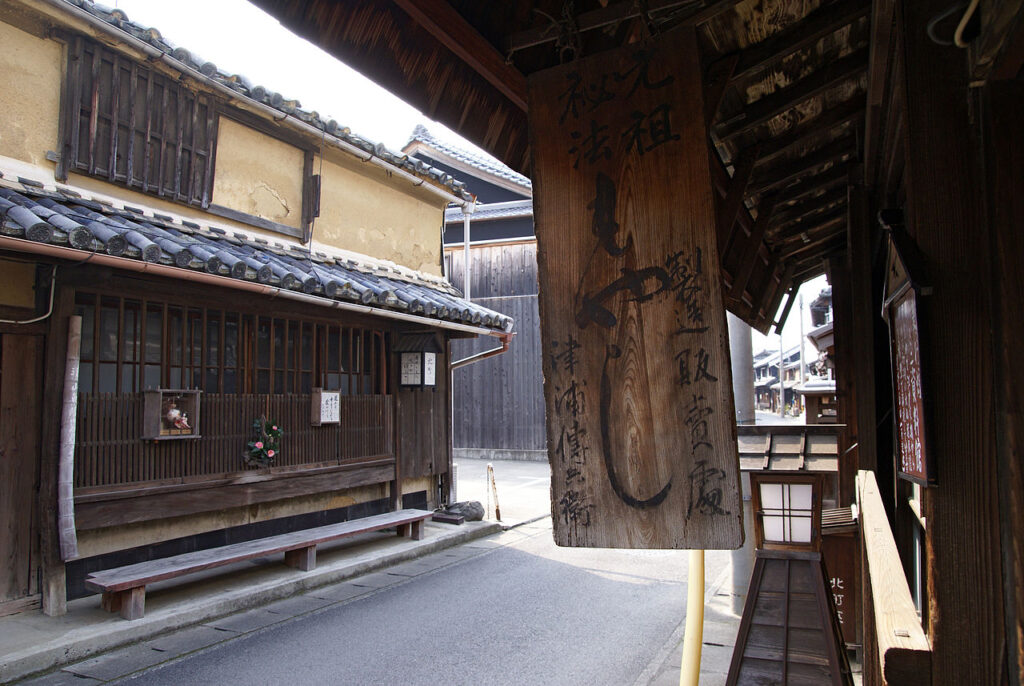
If you want to understand the history of Japanese shoyu beyond the bottle, Yuasa in Wakayama Prefecture is one of the most fascinating places to visit.
Yuasa is traditionally regarded as an important birthplace of Japanese shoyu. The story begins not with soy sauce itself, but with another fermented food: Kinzanji miso, a type of vegetable-rich fermented miso traditionally associated with the Kii Peninsula.
From Kinzanji Miso to Shoyu
According to local tradition, Kinzanji miso was introduced to the Kii Peninsula from China by Buddhist monks during the medieval period.
When vegetables and soybeans were fermented to make Kinzanji miso, a flavorful liquid accumulated in the bottom of the fermentation vessel. This liquid was called tamarizoyu and was valued as a seasoning.
Over time, this type of fermented liquid is thought to have developed into an early form of what we now recognize as Japanese shoyu.
The history is more complex than a simple story of one person inventing soy sauce. Japanese shoyu developed over centuries through changes in ingredients, fermentation techniques, and regional brewing practices. But Yuasa became one of the places where this tradition took root and developed into a distinctive local industry.
Why Did Shoyu Flourish in Yuasa?
Yuasa had several advantages for brewing.
The town had access to good-quality water, while its location on the coast of the Kii Peninsula made it possible to obtain and transport essential ingredients such as soybeans, wheat, and salt.
Its position also connected Yuasa to regional trade routes. As demand for fermented seasonings grew, shoyu brewing became an important part of the local economy.
The result was not simply a food product but a brewing culture embedded in the town’s streets, houses, warehouses, and businesses.
A Brewing Town You Can Still Walk Through
One of the most interesting things about Yuasa today is that the history of shoyu is still visible in the town itself.
The historic district contains traditional wooden buildings, former merchant houses, brewing-related buildings, narrow streets, and other reminders of the period when shoyu production was an important local industry.
Walking through Yuasa therefore offers a different experience from simply visiting a soy sauce factory.
You can begin to understand how fermentation, commerce, architecture, food, and everyday life developed together in a traditional Japanese town.
From a Condiment to a Place
This is what makes Yuasa particularly valuable for understanding Japanese shoyu.
A bottle of soy sauce tells you something about its ingredients and flavor. A visit to Yuasa can tell you something about where that flavor came from.
You can learn about the microorganisms and fermentation processes behind shoyu, but also about the people, buildings, landscape, and food traditions that allowed the craft to survive.
For travelers interested in Japanese gastronomy, Yuasa provides an opportunity to experience shoyu not simply as a seasoning, but as a living part of regional culture.
And that is perhaps the best way to understand Japanese fermentation: not as a technique that exists in isolation, but as a tradition shaped over generations by place, people, and time.
Can You Visit a Traditional Shoyu Brewery in Japan?
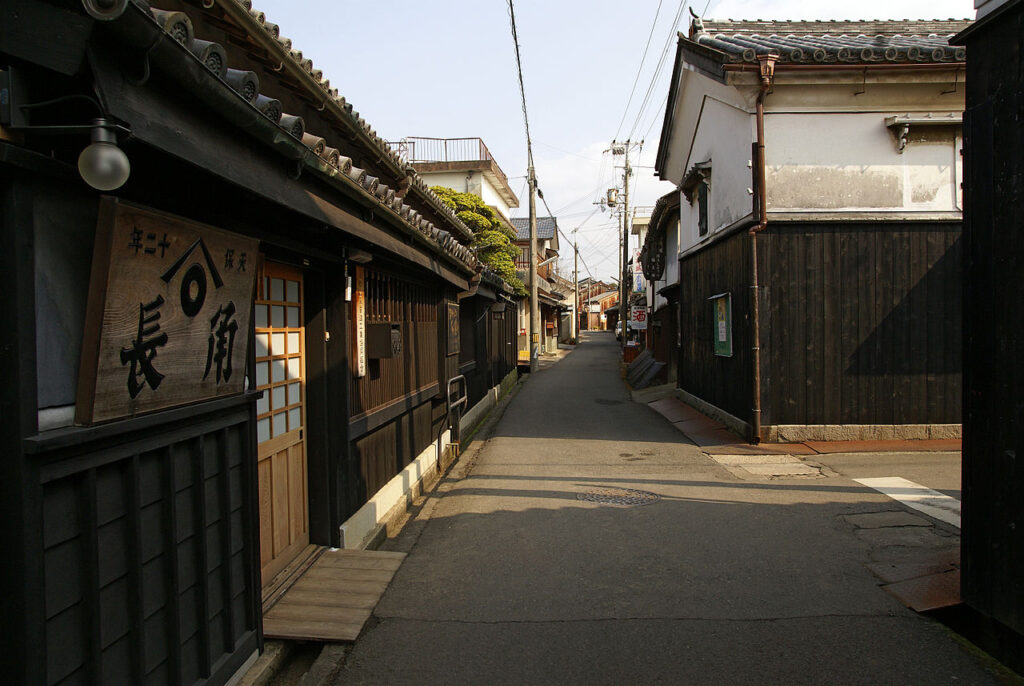
Yes. Although many of Japan’s largest soy sauce manufacturers are modern industrial producers, it is still possible to visit small, traditional shoyu breweries where fermentation remains closely connected to local food culture.
For travelers interested in Japanese cuisine, visiting a brewery can reveal something that a bottle of soy sauce cannot: how time, microorganisms, ingredients, and craftsmanship come together to create flavor.
Visit a Traditional Brewery in Yuasa
One of the most interesting places to explore this tradition is Yuasa in Wakayama Prefecture.
Yuasa is a historic shoyu-producing town on the Kii Peninsula, and its traditional district preserves buildings and streets associated with the town’s long brewing history.
Depending on the brewery and the arrangements available at the time of your visit, you may be able to learn about:
- how soybeans and wheat are prepared
- how koji is made
- how moromi is fermented and aged
- how traditional wooden barrels are used
- how shoyu is pressed and finished
- how local brewing traditions have been passed down through generations
The experience is particularly interesting because the town itself forms part of the story. After learning about fermentation, you can walk through the historic streets and see how brewing once fitted into the everyday life and economy of the community.
More Than a Factory Tour
A traditional shoyu brewery is different from a typical food factory.
The most interesting part is not necessarily watching a machine produce soy sauce. It is understanding why the process takes time, how the environment affects fermentation, and how brewers develop flavor through experience.
In some traditional breweries, wooden barrels can still be part of the brewing process. The use of wooden vessels, local microorganisms, and long aging connects today’s production with techniques developed generations ago.
For food lovers, this makes a brewery visit a natural extension of exploring Japanese cuisine. Instead of simply tasting shoyu with sushi, you can begin to understand why it tastes the way it does.
How to Include a Shoyu Brewery Visit in a Trip
Yuasa can be visited as a day trip, but it can also be combined with other experiences in the Kii Peninsula.
A visit might include:
Historic Yuasa → traditional shoyu brewery → local lunch → coastal scenery → other food or cultural experiences
This allows shoyu to become part of a broader journey through the region rather than an isolated factory visit.
Because small breweries may have limited opening hours or may not accept individual visitors without prior arrangements, it is worth checking directly before visiting.
For travelers who want to go beyond simply seeing the sights, a visit to Yuasa offers a chance to experience one of Japan’s most important fermented foods in the place where its history is still part of everyday life.
👉 Continue reading:
Yuasa Soy Sauce: The Birthplace of Japanese Shoyu
Yuasa Shoyu Soy Sauce & Fermentation Journey
👉 Plan your travel in Yuasa:
Frequently Asked Questions About Japanese Shoyu
Is shoyu the same as soy sauce?
Yes. Shoyu is the Japanese word for soy sauce. However, Japanese shoyu has its own ingredients, brewing methods, regional styles, and culinary traditions. The term “soy sauce” can also refer more broadly to similar fermented sauces made in other parts of Asia.
What is Japanese shoyu made from?
Most Japanese shoyu is made from soybeans, wheat, salt, and koji. The ingredients are fermented together in a mixture called moromi, which is then aged and pressed to produce shoyu.
Why does shoyu have so much umami?
During fermentation, enzymes produced by koji break down proteins in the soybeans into amino acids, including glutamic acid, which contributes to the savory taste known as umami. Aging and fermentation also create sugars, organic acids, and aromatic compounds that give shoyu its complex flavor.
Is Japanese soy sauce fermented?
Yes. Traditional Japanese shoyu is a fermented food. Koji is used to begin the transformation of soybeans and wheat, and the resulting moromi is fermented and aged before the shoyu is pressed and finished.
What are the five types of Japanese shoyu?
Japan recognizes five main types of shoyu: koikuchi, usukuchi, tamari, saishikomi, and shiro. They differ in ingredients, color, flavor, saltiness, and production methods.
What is the difference between shoyu and tamari?
Tamari is one of the five recognized types of Japanese shoyu. Compared with typical koikuchi shoyu, tamari traditionally contains a much higher proportion of soybeans and little or no wheat, resulting in a darker color, thicker texture, and particularly rich flavor. However, the exact composition varies by product.
Is usukuchi shoyu less salty than regular soy sauce?
Not necessarily. Usukuchi shoyu is lighter in color but generally saltier than koikuchi shoyu. Its pale appearance is intended to preserve the natural color of ingredients in dishes such as clear soups and simmered foods.
Which shoyu is best for sushi?
There is no single answer. Koikuchi shoyu is widely used with sushi and sashimi, but darker and more intensely flavored varieties such as tamari or saishikomi may also be chosen depending on the fish and the style of cuisine. The ideal shoyu is ultimately a matter of balance between the sauce and the ingredient.
Is shoyu gluten-free?
Not all shoyu is gluten-free because wheat is traditionally an important ingredient in most Japanese shoyu. Tamari-style products are sometimes made with little or no wheat, but ingredients should always be checked if you need to avoid gluten.
Why is Japanese shoyu dark?
The dark color comes from the ingredients and the chemical changes that occur during fermentation and aging. Koikuchi shoyu, the most common type in Japan, develops its characteristic deep reddish-brown color through the brewing process.
Where is Japanese shoyu traditionally made?
Shoyu is produced throughout Japan, but several regions have particularly strong brewing traditions, including Noda and Choshi in Chiba, Tatsuno in Hyogo, Shodoshima in Kagawa, and Yuasa in Wakayama.
Why is Yuasa famous for shoyu?
Yuasa in Wakayama is traditionally associated with the development of Japanese shoyu. Local history connects its origins with Kinzanji miso and the flavorful liquid produced during its fermentation. Yuasa subsequently developed into an important shoyu-brewing town, and its historic district still preserves traces of this brewing culture.
Can you visit a traditional shoyu brewery in Japan?
Yes. Some traditional breweries welcome visitors, although opening hours, tours, and reservation requirements vary. Yuasa is one of the most interesting places to explore Japanese shoyu culture, because visitors can combine a brewery experience with a walk through a historic brewing town.
Where can I experience Japanese shoyu culture?
For travelers interested in the history and production of shoyu, Yuasa in Wakayama offers more than a chance to taste soy sauce. Its historic streets, traditional buildings, and surviving brewing culture allow you to explore how fermentation became part of the identity of a Japanese town.
No responses yet