
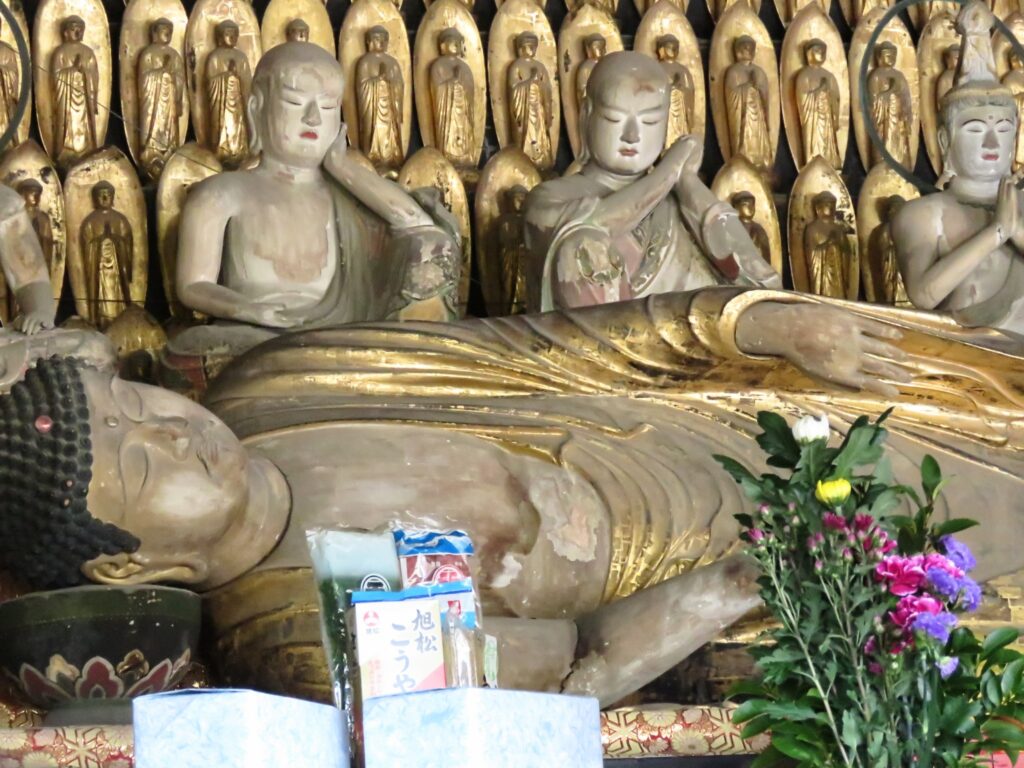
How to Understand the Sacred Figures You Encounter at Temples
For many first-time visitors to Japan, Buddhist statues can seem overwhelming.
At one temple, you may see a peaceful seated figure with closed eyes.
At another, a fierce warrior holding a sword.
Elsewhere, a statue may have many arms or multiple faces.
Without some basic knowledge, all of these figures can appear similar.
But once you understand who these statues represent and why they were created, visiting Japanese temples becomes far more rewarding.
You don’t need to be a Buddhist or an art historian.
Learning just a few key ideas can completely change the way you experience Japan’s sacred places.
Buddhist Statues Are Not Gods
One of the most common misunderstandings among international visitors is to think that Buddhist statues represent gods.
In Buddhism, these figures are not creators of the universe or divine beings in the Western sense.
Instead, they represent enlightened beings, protectors, teachers, and compassionate guides.
Their appearance reflects the role they play within Buddhist teachings.
Some embody wisdom.
Others symbolize compassion.
Some are guardians who protect sacred spaces from evil.
The Five Main Types of Buddhist Figures
Although there are thousands of Buddhist images in Japan, most belong to five major categories.
1. Nyorai (Buddhas)
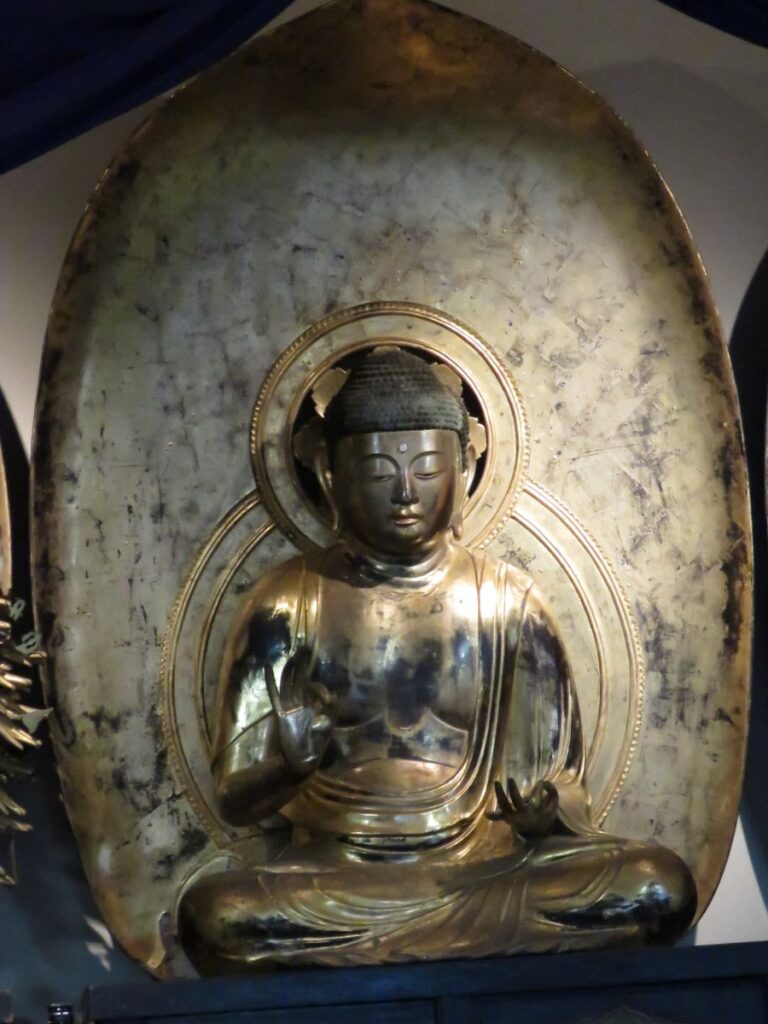
Nyorai are enlightened beings who have achieved perfect awakening.
They are usually calm and simple in appearance.
Characteristics:
- Peaceful facial expressions
- Simple robes
- Seated meditation posture
- Few decorative ornaments
One of the most important examples is Dainichi Nyorai, the Cosmic Buddha central to Esoteric Buddhism.
In places like Koyasan, Dainichi Nyorai represents the universe itself.
2. Bosatsu (Bodhisattvas)
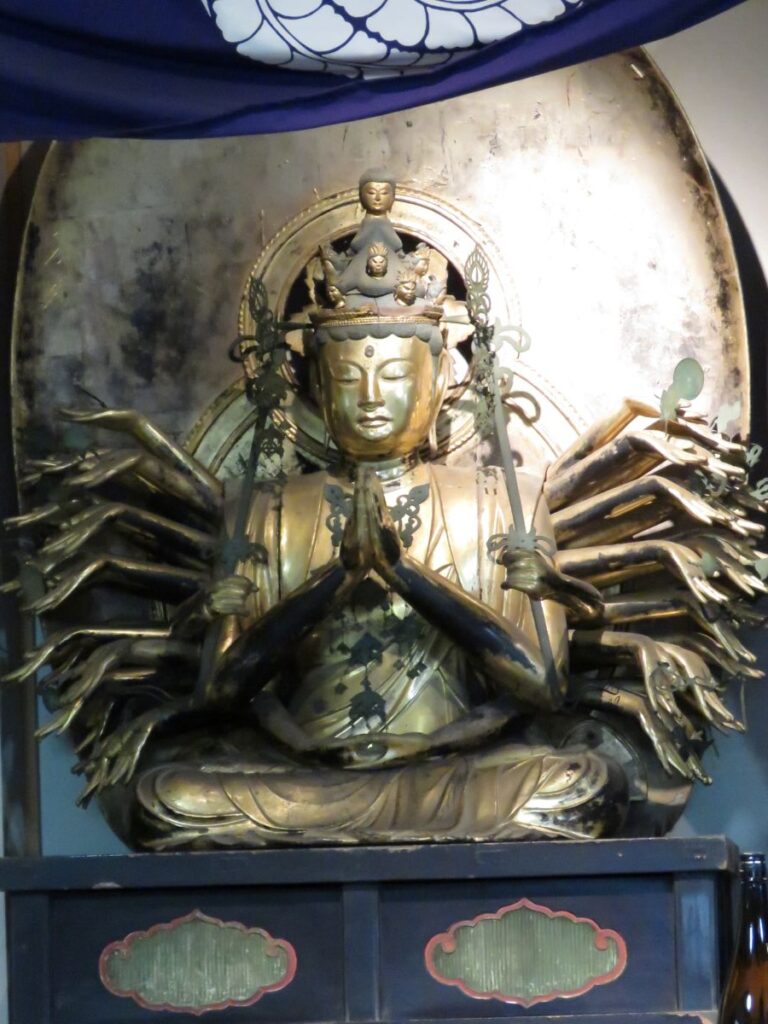
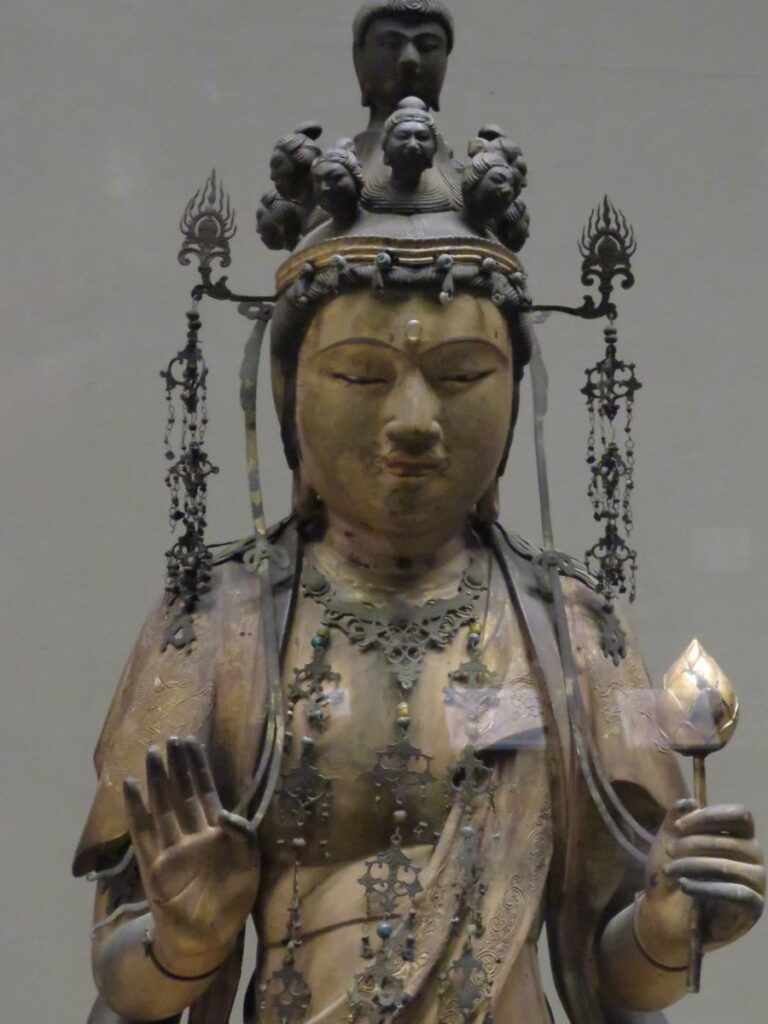
Bosatsu are compassionate beings who postpone their own enlightenment in order to help others.
Unlike Buddhas, they often wear crowns and jewelry.
Characteristics:
- Elegant appearance
- Rich decorations
- Gentle expressions
One of the most beloved figures in Japan is Kannon Bosatsu, the Bodhisattva of Compassion.
Many travelers are surprised to discover that different forms of Kannon exist throughout the country.
3. Myoo (Wisdom Kings)
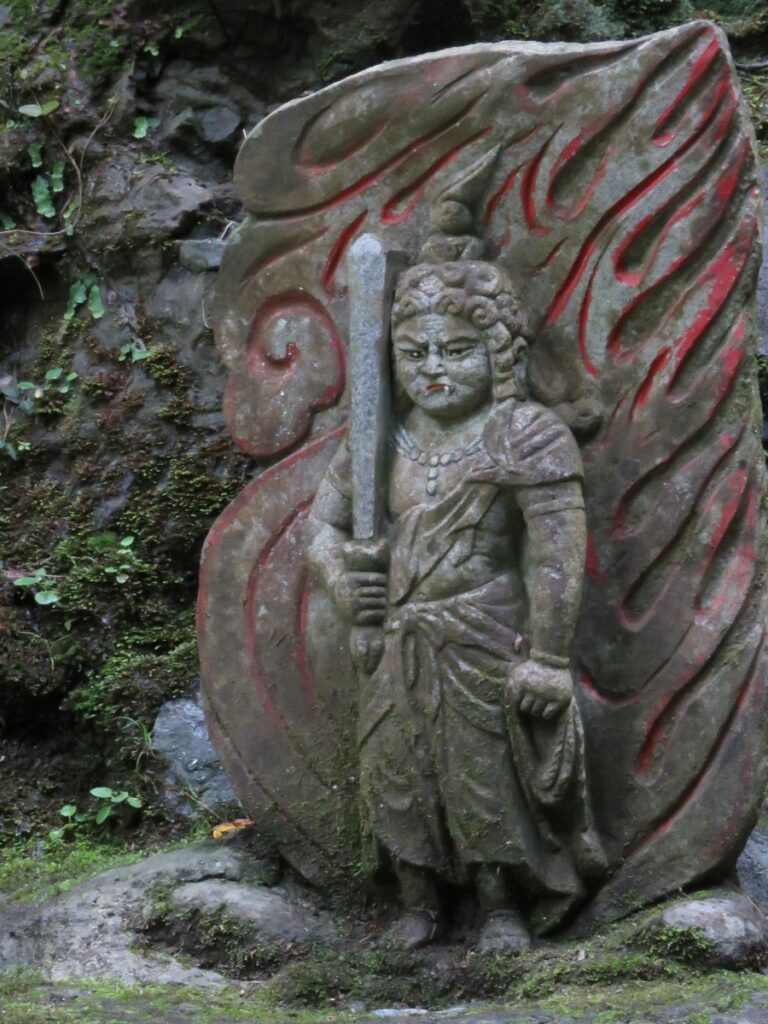
These are perhaps the most surprising figures for first-time visitors.
With angry faces, flames, and weapons, they may appear frightening.
But their fierce appearance symbolizes compassion.
They fight ignorance and protect Buddhist teachings.
Characteristics:
- Fierce expressions
- Flames behind the body
- Swords or ropes
- Dynamic poses
Fudo Myoo is one of the most important examples and is especially associated with Esoteric Buddhism.
4. Tenbu (Heavenly Protectors)
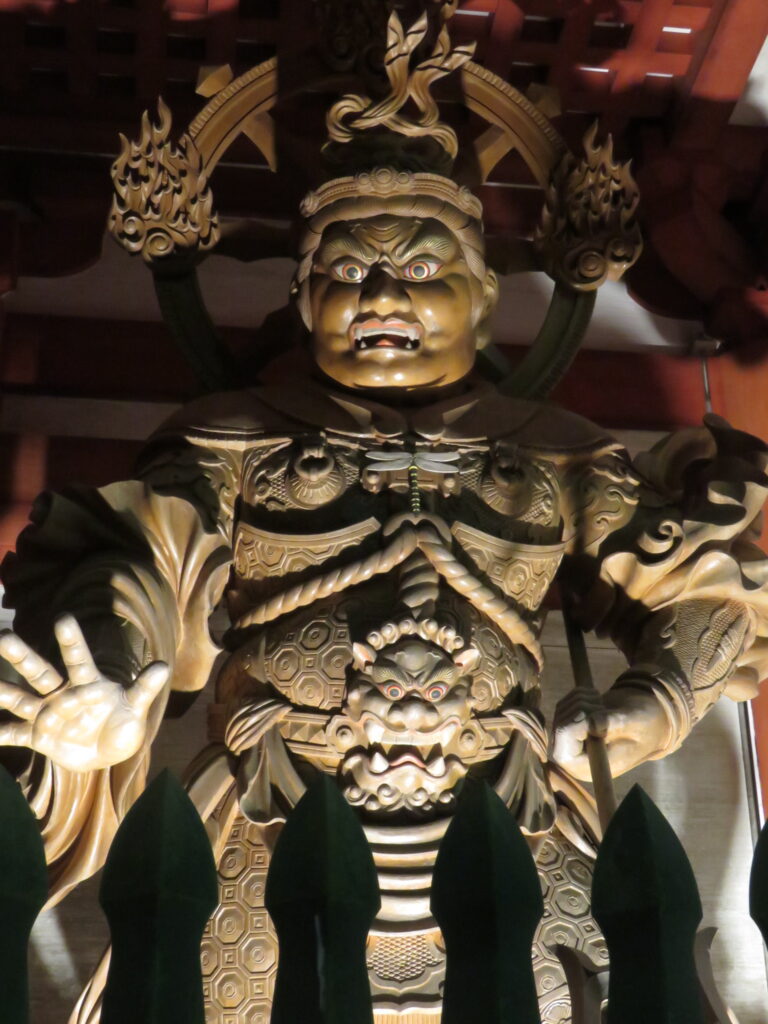
Originally influenced by Indian and Chinese traditions, these figures serve as guardians.
Many resemble warriors.
Characteristics:
- Armor and weapons
- Powerful stances
- Guardian roles
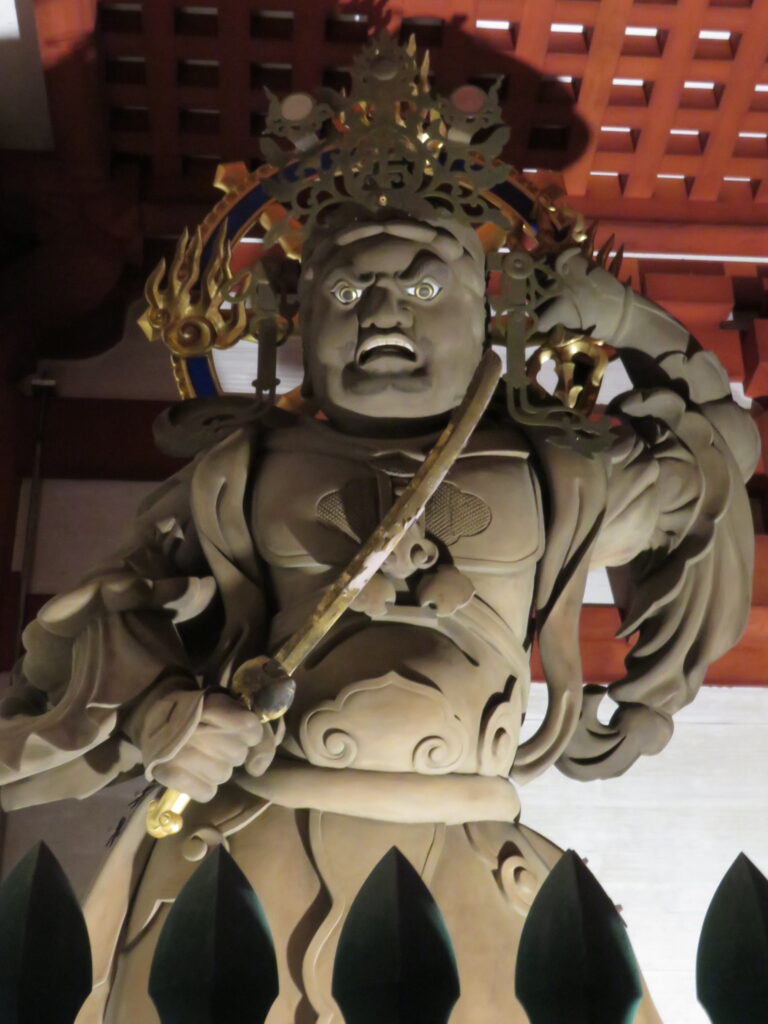
The Four Heavenly Kings found in many temples belong to this category.
Visitors to Koyasan’s Chumon Gate can encounter these impressive protectors guarding the four directions.
5. Ancestors and Historical Monks
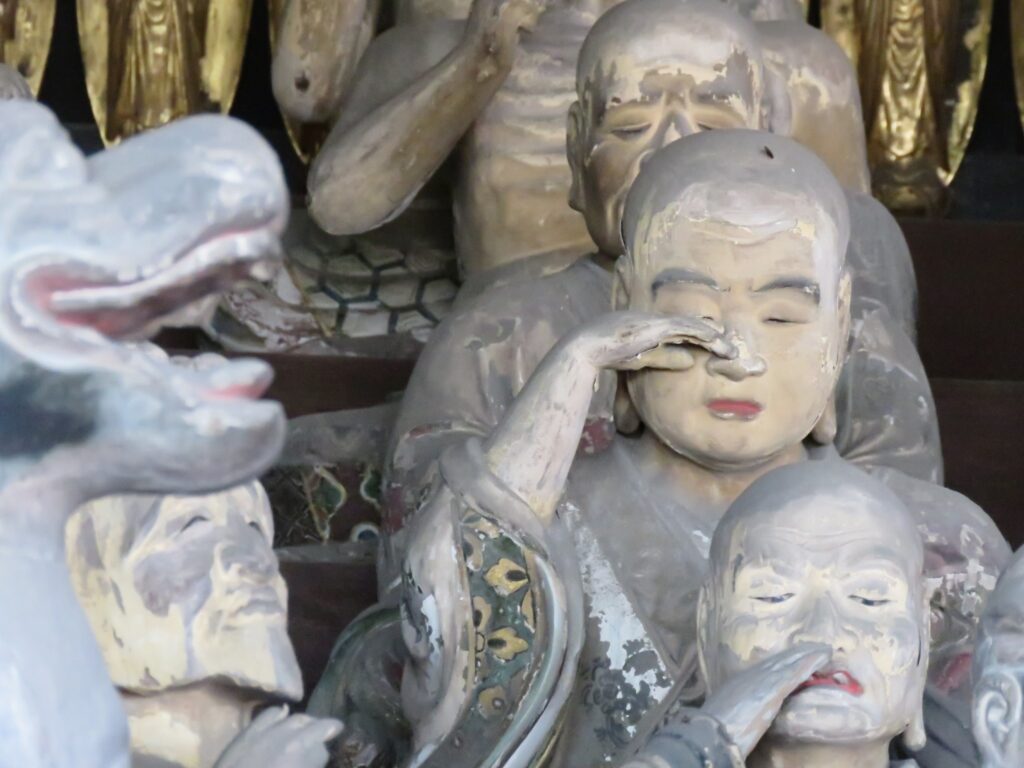
Not every statue represents a supernatural being.
Many temples also honor influential monks and founders.
Kukai (Kobo Daishi), the founder of Shingon Buddhism, is one of Japan’s most revered religious figures.
His statues can be found throughout Koyasan and across Japan.
Why Do Some Statues Have Many Arms?
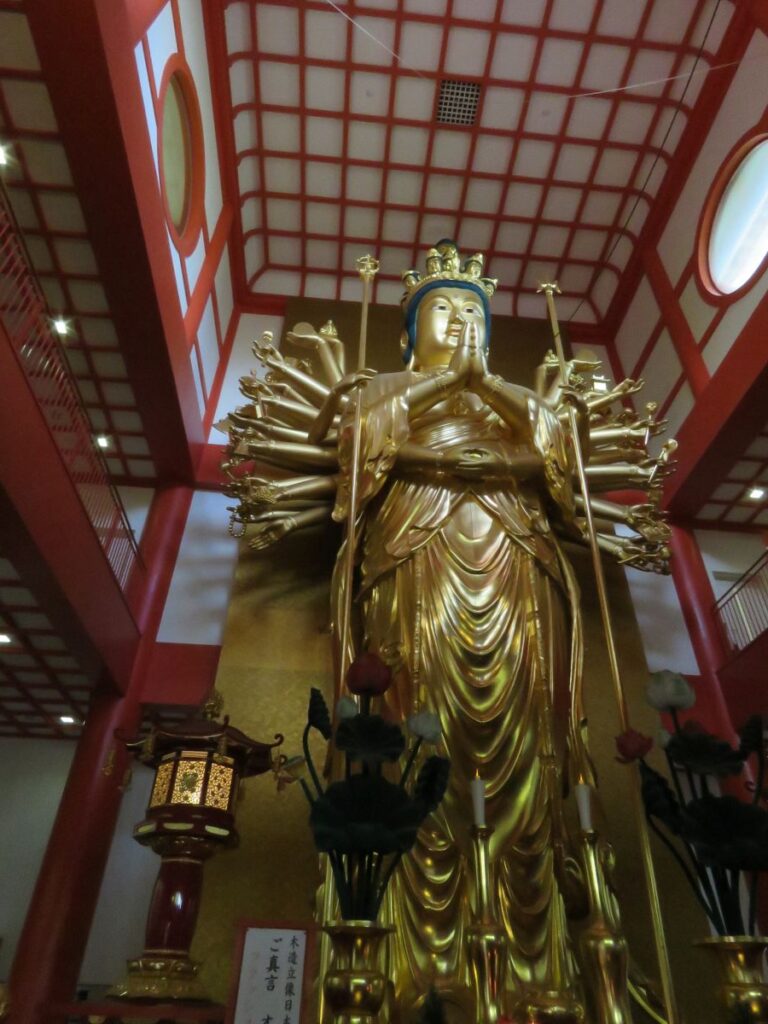
Multiple arms symbolize the ability to help many beings simultaneously.
For example, Senju Kannon, the Thousand-Armed Bodhisattva, represents limitless compassion.
The many hands are not meant to be realistic.
They are visual symbols expressing spiritual ideas.
Why Do Some Statues Look Angry?
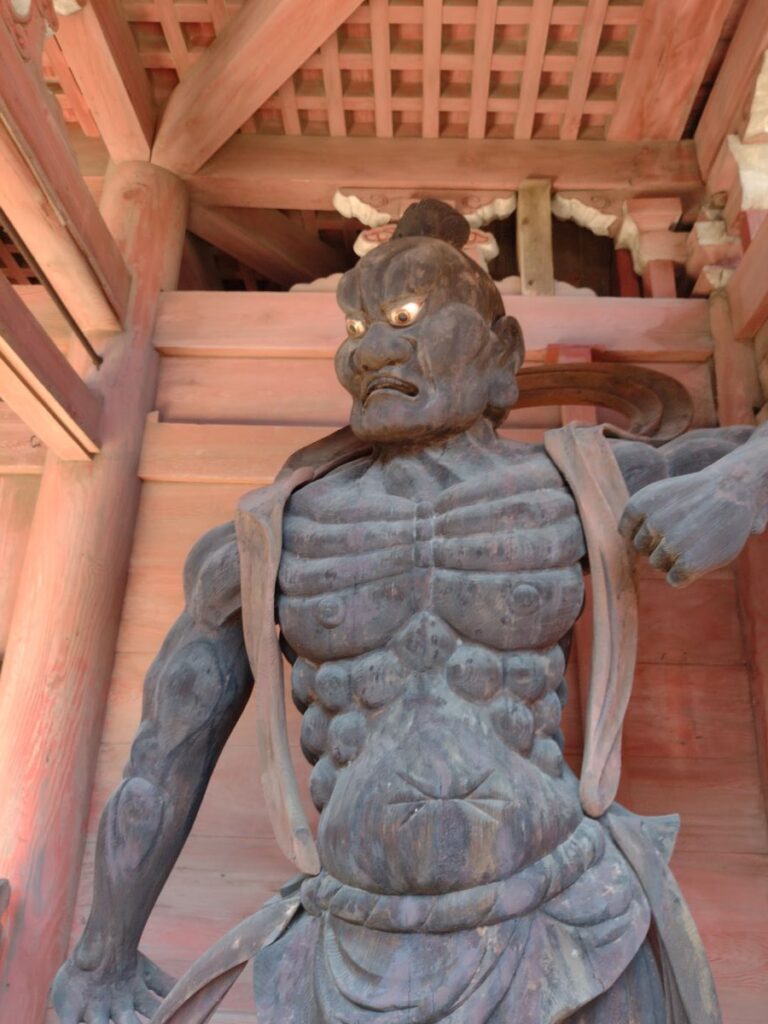
Fierce expressions do not represent hatred.
Instead, they symbolize determination and the power to overcome ignorance and suffering.
In Buddhist art, compassion can appear both gentle and powerful.
This is why some of the most important figures in Japanese Buddhism have intimidating appearances.
Postures and Hand Gestures Matter
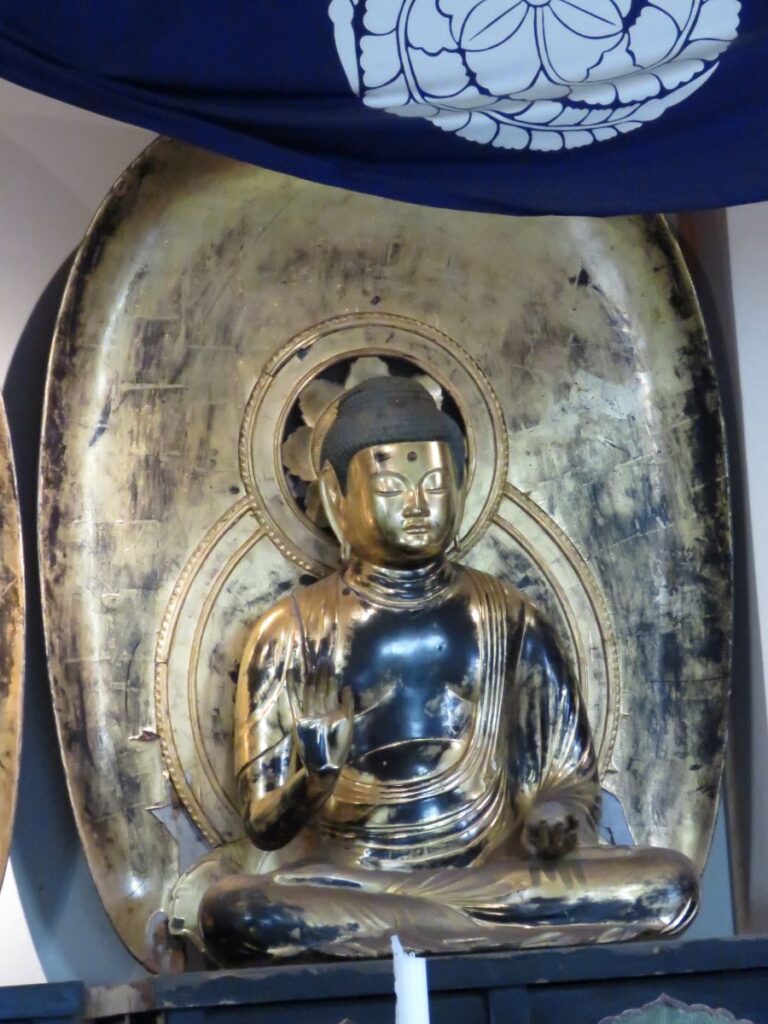
The position of the hands, known as mudras, carries symbolic meaning.
Different gestures may represent:
- Meditation
- Teaching
- Protection
- Fearlessness
- Compassion
Even slight differences in hand positions can reveal the identity of a statue.
Appreciating Buddhist Art Beyond Religion
You do not need to share Buddhist beliefs to appreciate these works.
Japanese Buddhist statues can be enjoyed from many perspectives:
- Art history
- Sculpture
- Cultural heritage
- Symbolism
- Photography
- Architecture
- Philosophy
Each statue reflects centuries of craftsmanship and spiritual thought.
Looking More Carefully
The next time you enter a temple in Japan, try asking yourself:
- Is this figure peaceful or fierce?
- Is it wearing jewelry?
- Is it protecting something?
- What emotion does the face express?
- Why might the artist have chosen this posture?
You may discover that Buddhist statues are not silent objects.
They are visual stories.
And learning how to read them opens a new dimension of travel in Japan.
Explore Buddha statue travel through Curated Kii Peninsula Journey.
Related Experiences
- Sacred Art of Koyasan: Exploring Buddhist Architecture, Mandalas, and Hidden Treasures
- Understanding Esoteric Buddhism in Koyasan
- The Symbolism of the Four Heavenly Kings in Japanese Temples
- Why Some Buddhist Statues Look Angry
- Hidden Treasures Inside Japanese Temple Museums
No responses yet