
Discover the Stories, Traditions, and Everyday Life Behind Japan’s Historic Towns
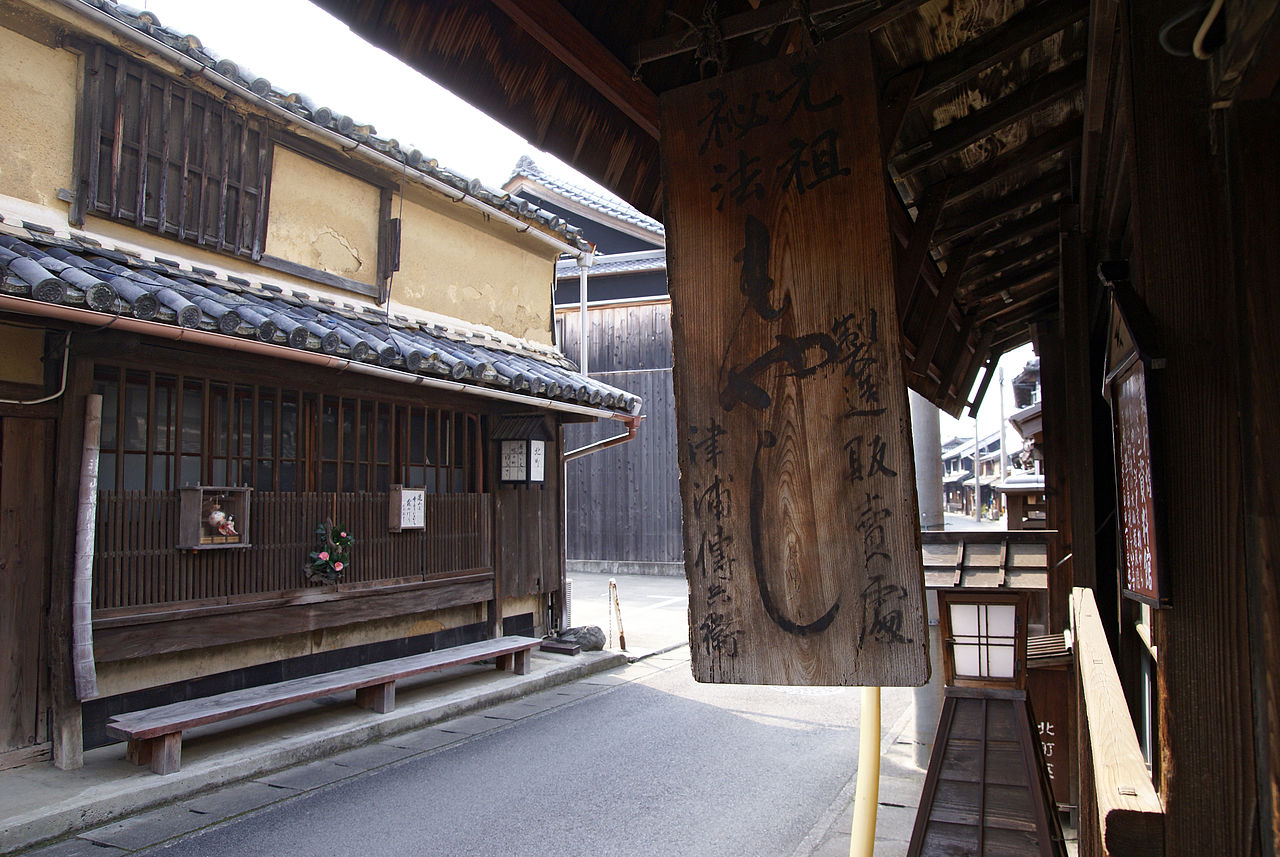
Wakayama is home to historic towns where Japan’s cultural heritage can still be experienced beyond temples, castles, and famous landmarks.
In Yuasa, the history of Japanese soy sauce is intertwined with the streets of a former merchant town. In Kuroe, traditional lacquerware craftsmanship exists alongside ordinary homes, shops, and cafés. Around Wakaura, centuries of poetry, religious traditions, and changing coastal landscapes reveal how people have understood and appreciated their surroundings.
These are places where history is not confined to museums. It remains part of the landscape, local industries, food culture, and everyday life.
Our Historic Towns & Local Culture experiences invite you to explore these connections through private guided walks, cultural encounters, and journeys shaped around your interests.
Rather than simply visiting historic sites, discover how the past continues to influence the way people live today.
Why Explore Wakayama’s Historic Towns?
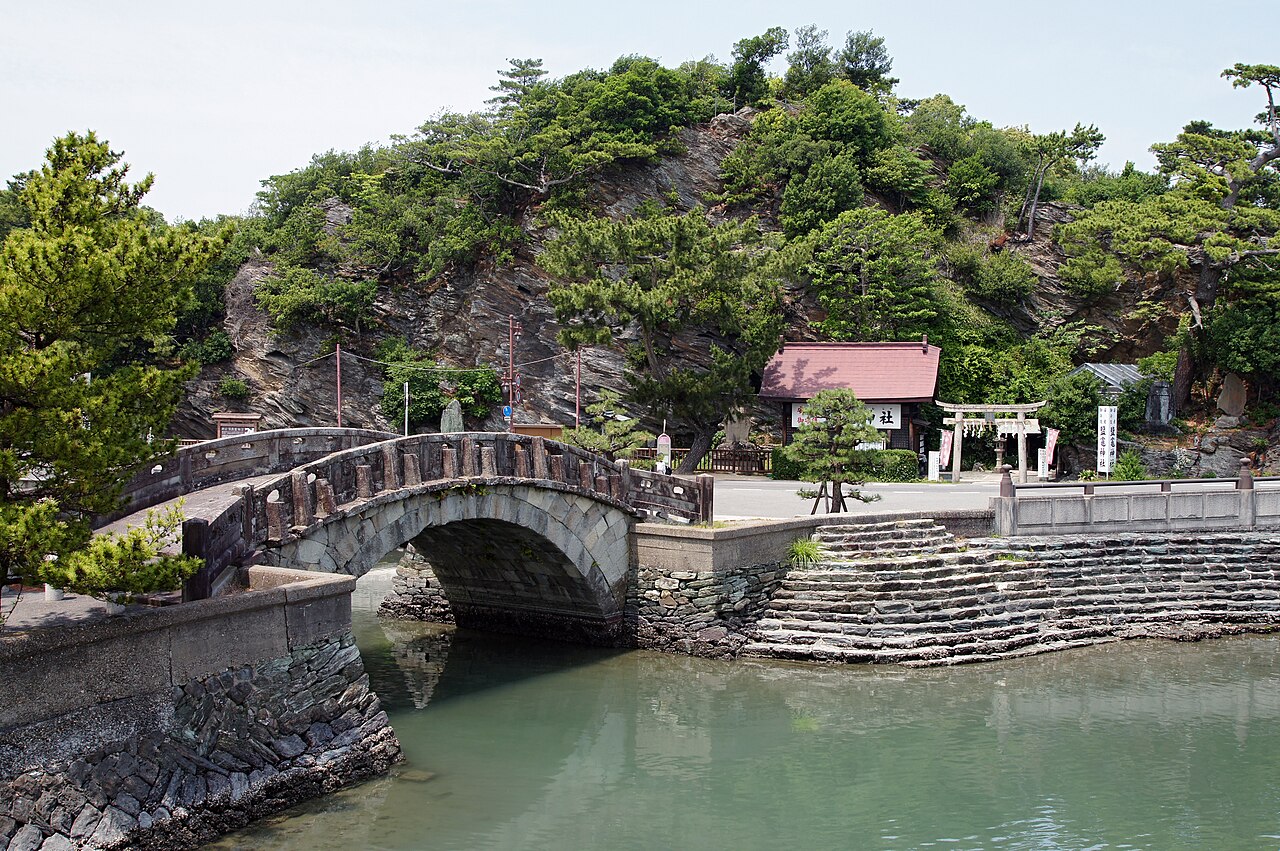
Many travelers visit Japan to experience its traditional architecture, craftsmanship, and regional culture. Yet some of the most rewarding discoveries happen outside the country’s best-known destinations.
Wakayama offers a different perspective.
Here, historic merchant districts, coastal communities, traditional industries, and old pilgrimage routes exist within a landscape that has not been transformed entirely for tourism.
A walk through a historic town might reveal how a local industry developed, why a particular settlement grew in a certain location, or how trade and religious travel influenced the lives of its residents.
A visit to a traditional workshop can open a window into the relationship between craftsmanship and everyday objects. A conversation about local food can lead to a deeper understanding of agriculture, preservation, trade, and the natural environment.
The aim is not simply to see old Japan, but to understand how Japanese culture developed through the lives of ordinary people.
Explore Our Historic Towns & Local Culture Experiences
1. Yuasa: The Historic Town Behind Japanese Soy Sauce
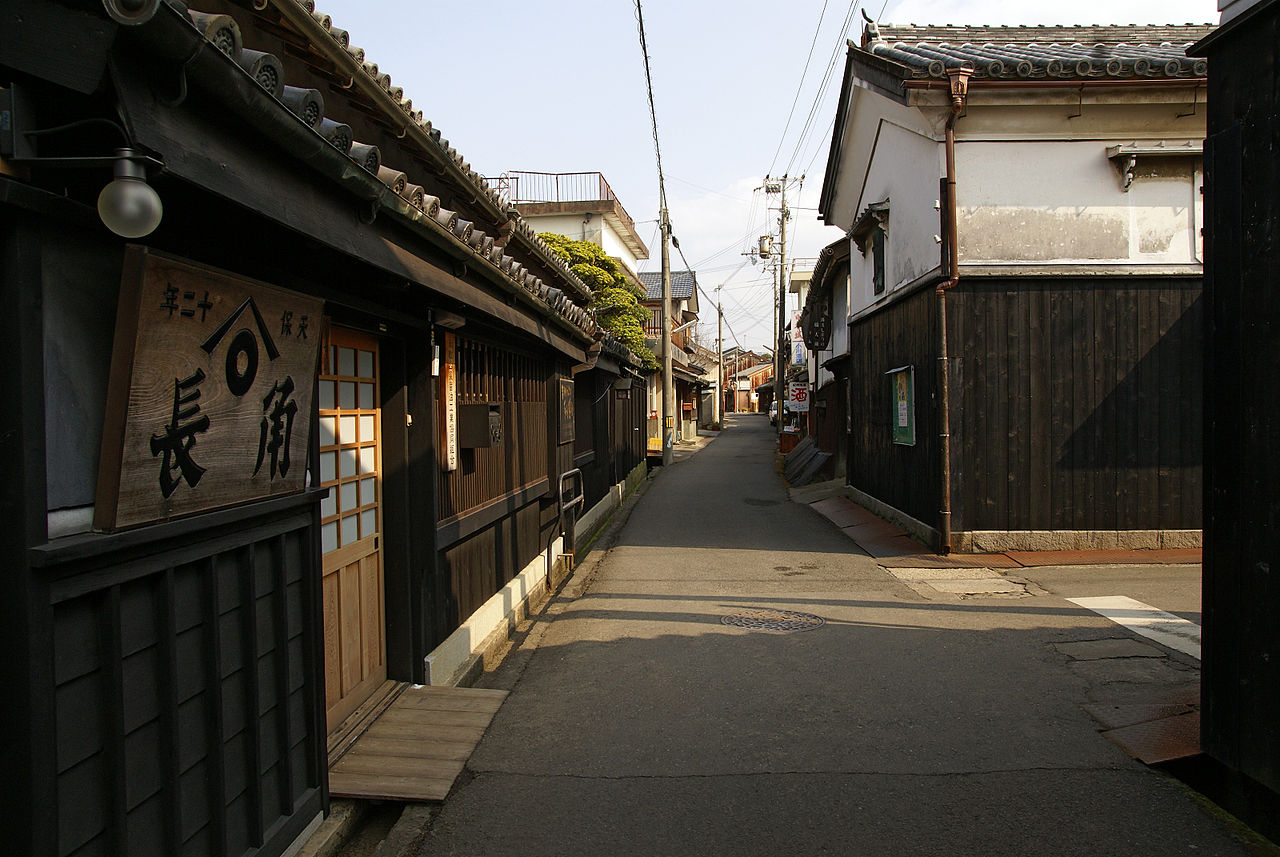
Discover the origins of shoyu and the culture of a traditional merchant town.
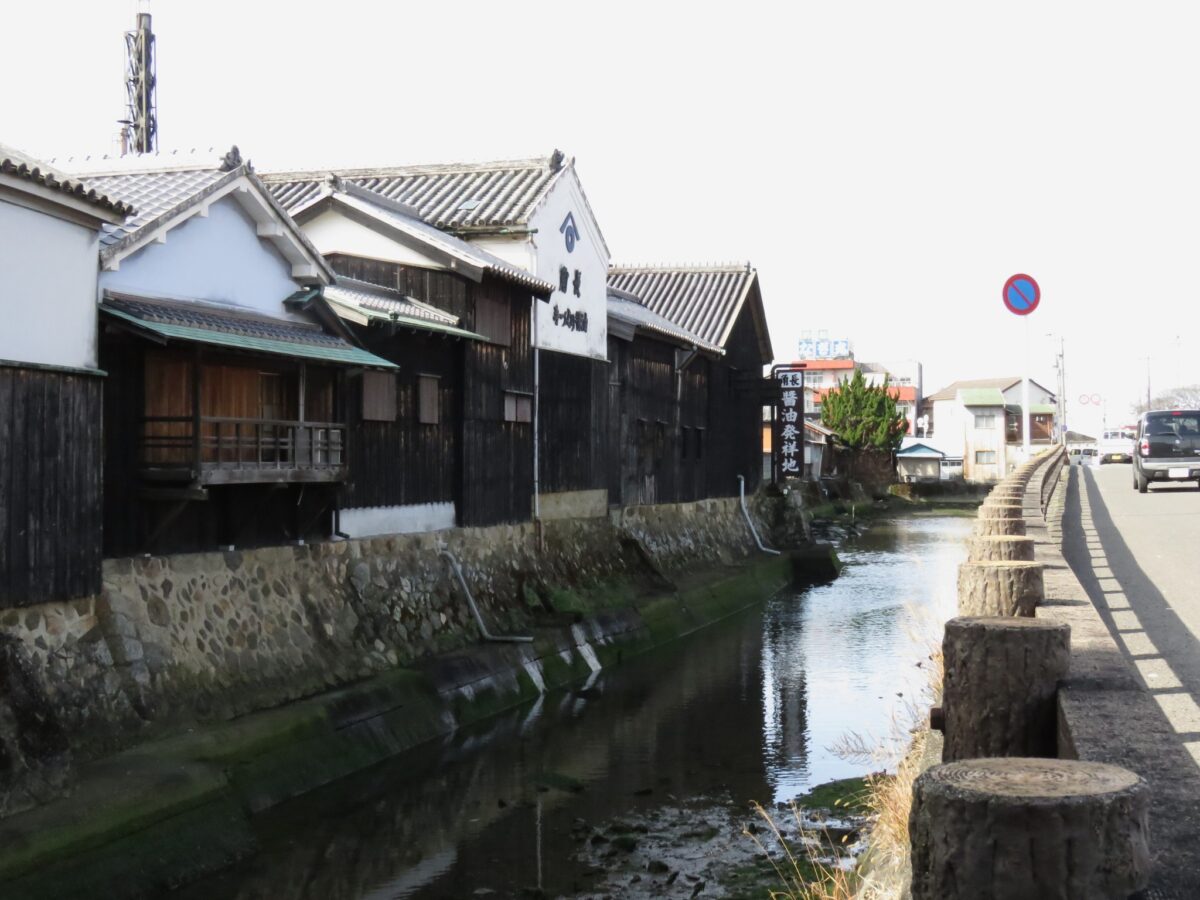
Yuasa is widely recognized as the birthplace of Japanese soy sauce, but its significance extends beyond this famous culinary connection.
Its historic streets preserve traces of a town shaped by fermentation, commerce, coastal connections, and the movement of people and goods.
As you explore the traditional streets and wooden buildings, you can discover how soy sauce production became connected to the town’s identity and how traditional brewing practices continue today.
Depending on your interests and the availability of local facilities, the experience can include:
- Walking through Yuasa’s historic preservation district
- Discovering traditional soy sauce breweries and their production methods
- Exploring the relationship between fermentation, local ingredients, and Japanese cuisine
- Learning about the town’s merchant history and traditional architecture
- Sampling regional foods and discovering how local shoyu influences their flavors
Yuasa is especially rewarding for travelers interested in gastronomy, traditional industries, and the cultural stories behind familiar Japanese ingredients.
Rather than treating soy sauce as just another seasoning, this experience reveals how a regional industry became part of Japan’s wider food culture.
Best for: Food lovers, cultural travelers, culinary professionals, and anyone interested in the history of Japanese cuisine.
2. Kuroe: Traditional Craftsmanship and Everyday Life
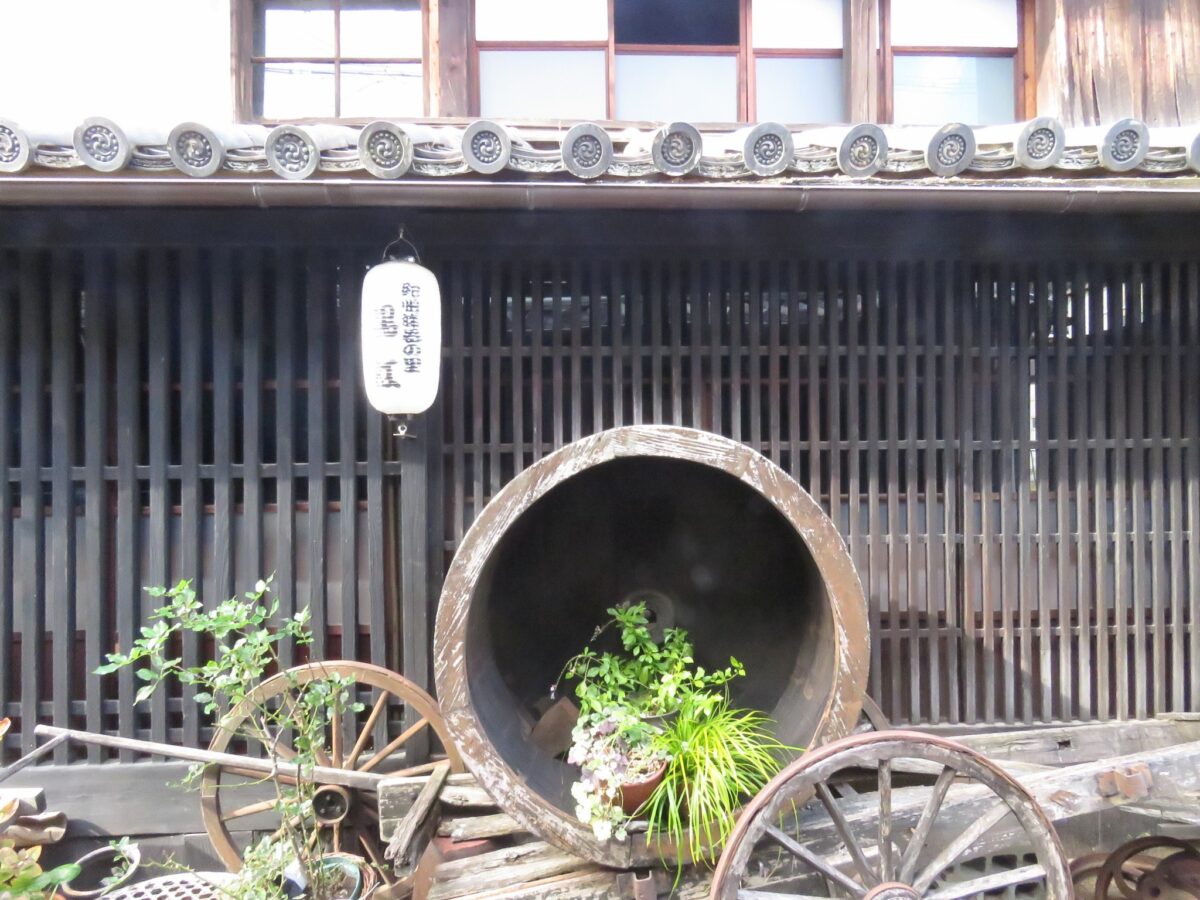
Discover Kishu lacquerware in a town where traditional industry and local life remain connected.
The historic district of Kuroe, in Kainan, offers a different perspective on Japanese craftsmanship.
For generations, the town has been associated with Kishu lacquerware, a traditional craft known for its practical relationship with everyday life.
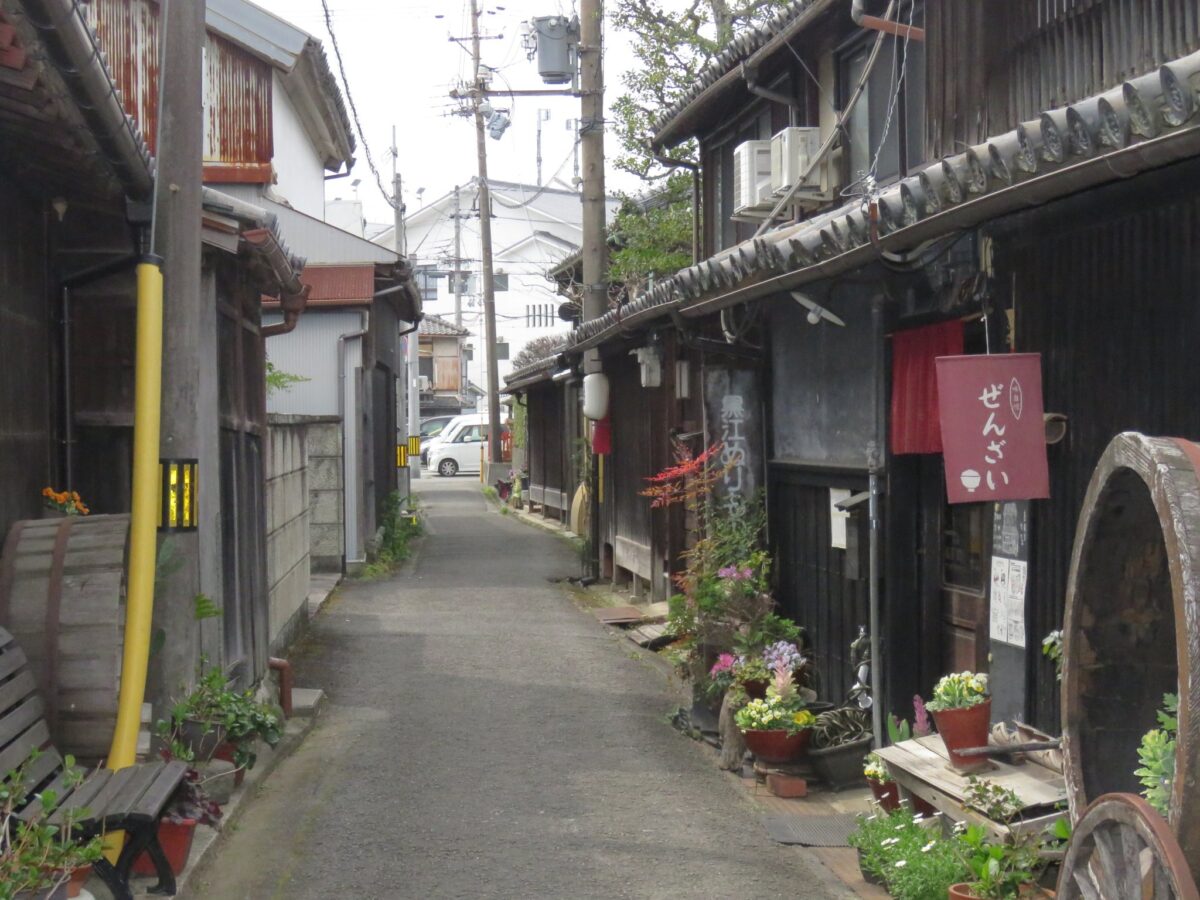
Walking through Kuroe, you can encounter old wooden buildings, narrow streets, workshops, shops, and places where the town’s industrial heritage remains visible.
The experience is not limited to examining finished lacquerware. It also explores the relationship between craft production, local commerce, architecture, and the people who helped sustain the industry.
Depending on availability and your interests, your experience may include:
- Exploring Kuroe’s traditional streets and historic buildings
- Discovering the history and development of Kishu lacquerware
- Visiting lacquerware shops and galleries
- Learning about traditional techniques and contemporary craftsmanship
- Exploring how Japanese lacquerware connects to dining, hospitality, and everyday life
- Taking a break at a local café or in a renovated historic building
Kuroe is particularly interesting because its heritage is not limited to exceptional works of art. The town also tells the story of how traditional craftsmanship became part of ordinary life.
For visitors interested in Japanese design, craft traditions, or the cultural meaning of everyday objects, Kuroe offers an opportunity to look beyond the finished product and understand the world that produced it.
Best for: Craft enthusiasts, design lovers, photographers, and travelers interested in traditional Japanese industries.
3. Wakaura: A Cultural Landscape Shaped by Poetry and History
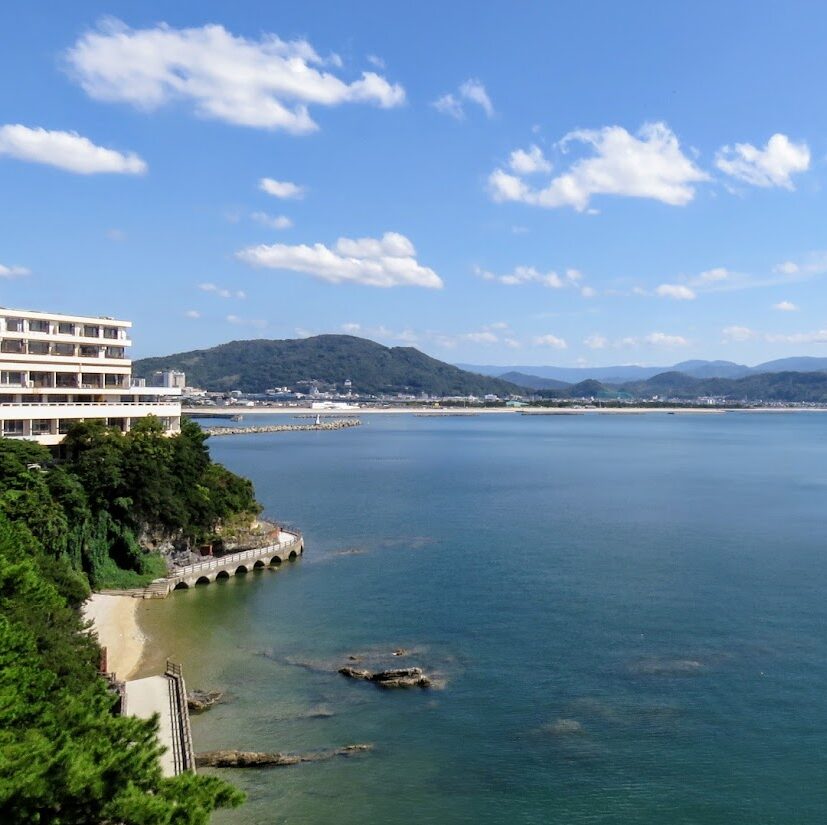
Explore the relationship between landscape, Japanese aesthetics, and local traditions.
Wakaura is a coastal cultural landscape where natural beauty and cultural history have developed together over many centuries.
Celebrated in Japan’s classical poetry, the area became an important setting for appreciating the relationship between nature, seasonal change, and artistic expression.
Its cultural significance extends beyond poetry. Shrines, temples, historic structures, and coastal settlements reveal different layers of religious practice, political history, and everyday life.
A guided experience can help connect these elements into a broader story of how people have understood and valued this landscape.
Depending on your interests, the experience can include:
- Exploring the cultural landscape associated with the Man’yoshu, Japan’s oldest extant poetry anthology
- Visiting historic shrines and temples
- Discovering how coastal scenery influenced Japanese poetry and aesthetics
- Learning about the area’s historical connections with religious traditions and political power
- Exploring nearby communities and their relationship with the sea
- Combining cultural interpretation with photography, traditional arts, or a relaxed coastal walk
Wakaura is not a conventional historic town where every story can be explained through a single street or building.
Its appeal lies in the connections between places, landscapes, and cultural traditions.
With the right context, a seemingly quiet coastal area becomes a way to understand how Japanese culture has developed through its relationship with nature.
Best for: Cultural travelers, photographers, lovers of Japanese poetry, and visitors seeking a deeper understanding of Japanese aesthetics.
4. Historic Towns Along the Kiiji: Life Beyond the Pilgrimage Route
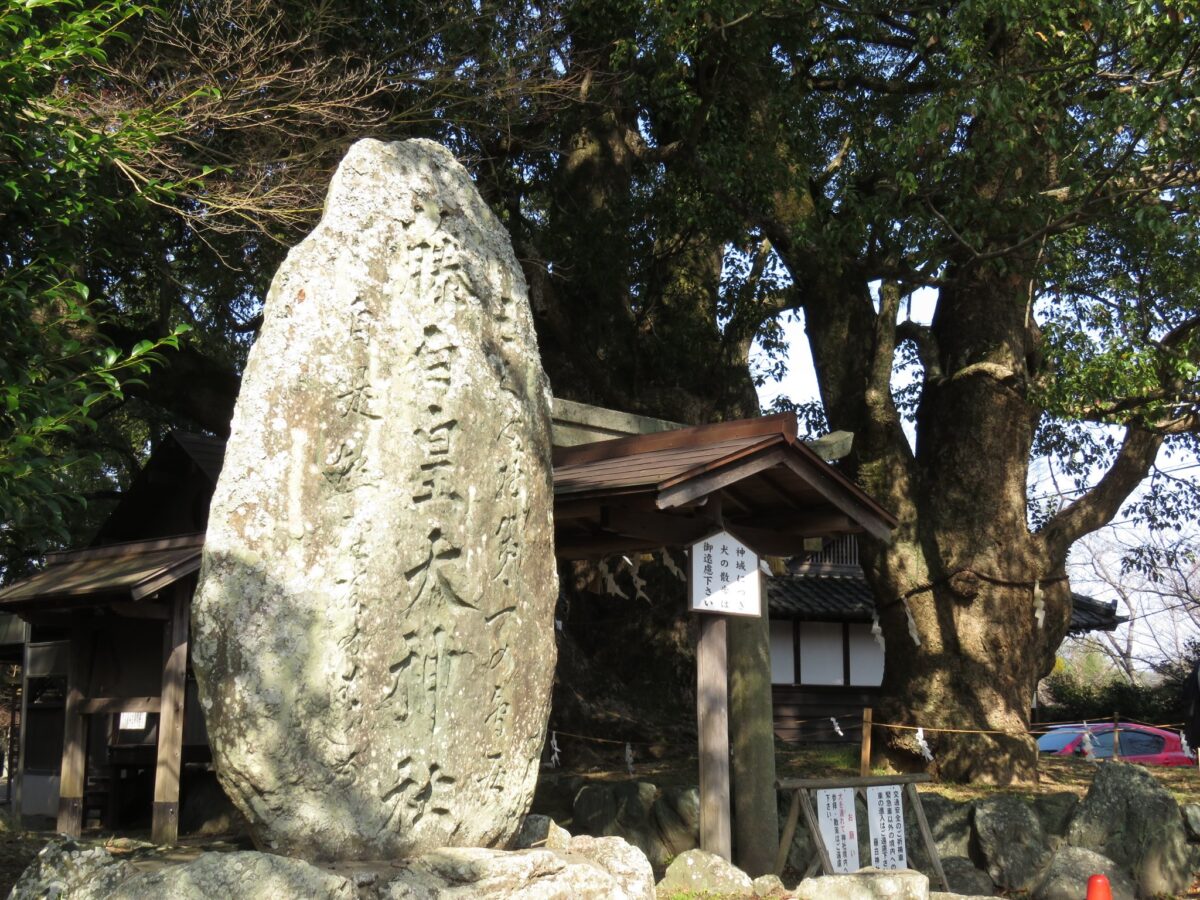
Discover the communities that grew along one of Japan’s historic pilgrimage routes.
The Kiiji, the coastal route associated with the wider Kumano pilgrimage network, offers a different experience from the mountainous trails of the Kumano Kodo’s Nakahechi route.
Passing through towns and villages, the route connects religious history with the everyday landscapes of western Wakayama.
Historic paths, old settlements, temples, traditional houses, and local industries help reveal how pilgrimage was connected to the wider world of travel, trade, and community life.
Rather than concentrating exclusively on the act of walking, this experience explores the cultural landscape surrounding the route.
Depending on the selected section, your journey may include:
- Walking through accessible sections of the historic Kiiji
- Discovering the history of pilgrimage and the communities that supported travelers
- Exploring traditional streets and historic buildings
- Learning about local industries, food traditions, and coastal life
- Connecting historical sites with the landscapes and settlements around them
For travelers who enjoy walking but also want to understand the places through which they pass, the Kii-ji provides an opportunity to combine cultural exploration with a more relaxed form of travel.
It is particularly well suited to those who want to discover a quieter side of Wakayama beyond its most famous pilgrimage destinations.
Best for: Slow travelers, history enthusiasts, cultural walkers, and visitors interested in the relationship between pilgrimage and everyday life.
5. Historic Houses, Local Industries, and the Stories of Rural Wakayama
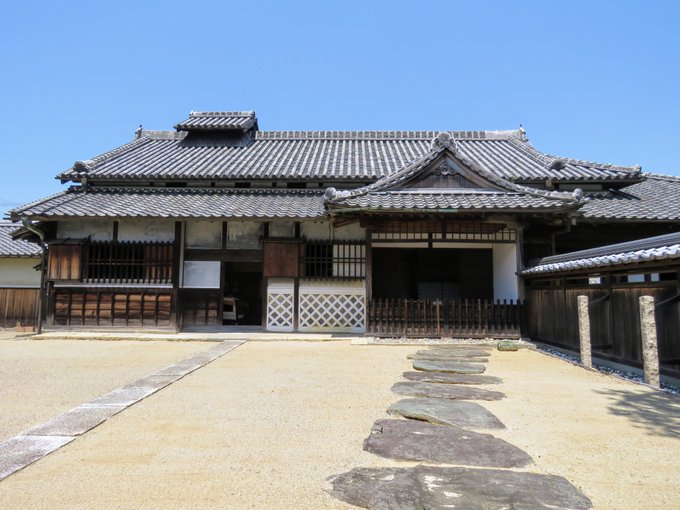
Discover the people, businesses, and communities behind the region’s historic buildings.
Not every meaningful cultural experience takes place in a famous historic district.
Across Wakayama, traditional houses, former merchant residences, historic inns, and buildings connected to local industries offer glimpses into the lives of people who shaped the region.
These places can help explain how wealth was created, how goods moved between communities, and how local people adapted their homes and businesses to changing economic conditions.
A historic building becomes particularly interesting when it is understood in relation to the surrounding town or village.
Depending on your interests and access arrangements, a cultural exploration may include:
- Visiting selected historic houses and traditional buildings
- Discovering the relationship between architecture and regional lifestyles
- Exploring towns associated with traditional industries and commerce
- Learning how local geography influenced settlement patterns and economic activity
- Combining historic buildings with local food, craft, or community experiences
The focus is on understanding buildings as part of a larger cultural environment rather than treating them as isolated monuments.
For travelers who want to explore beyond the most recognizable attractions, these experiences offer another way to discover the diversity of Wakayama’s regional culture.
Best for: Architecture enthusiasts, history lovers, repeat visitors to Japan, and travelers seeking lesser-known cultural experiences.
More Than Historic Buildings: Experience Living Culture

Historic towns become more meaningful when you discover how their traditions continue today.
In Wakayama, local culture can be explored through a variety of experiences that complement a guided walk.
Depending on the destination, season, and availability, your journey may incorporate:
Traditional Craftsmanship
Discover how traditional crafts are made, how techniques have changed over time, and how artisans connect their work with contemporary life.
Regional Food Culture
Explore the relationship between local ingredients, traditional industries, and Japanese cuisine, from fermented foods to seafood and seasonal agricultural products.
Historic Architecture and Local Life
Look beyond the appearance of traditional buildings to understand the businesses, communities, and everyday routines that shaped them.
Local Cafés and Shopping Streets
Take time to experience the less formal side of Japanese culture through neighborhood cafés, independent shops, and everyday commercial streets.
Seasonal Traditions and Community Events
When timing and access permit, discover local festivals and seasonal activities that reveal how cultural traditions continue to bring communities together.
These elements can be incorporated into a guided experience according to your interests and the practical possibilities of each location.
The goal is not to fit as many activities as possible into a single day. It is to create meaningful connections between the places you visit and the culture you encounter.
How to Experience Wakayama’s Historic Towns
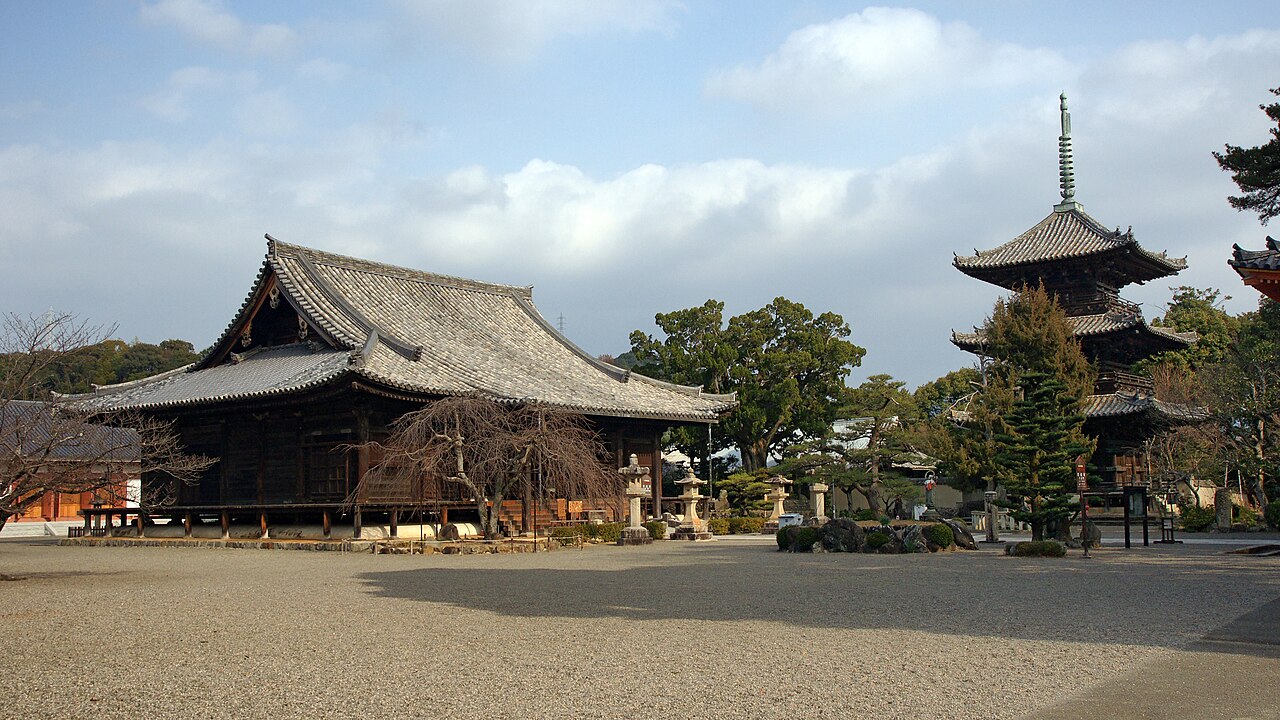
Every town has its own character, and the best way to explore it depends on what interests you most.Prefer a relaxed half-day experience?
Prefer a relaxed half-day experience?
Focus on one historic district, such as Yuasa or Kuroe, with time to explore the streets, discover local stories, and enjoy a break along the way.
Interested in food and craftsmanship?
Combine Yuasa’s fermentation heritage with local food culture, or explore Kuroe through its lacquerware traditions and everyday objects.
Want to understand the relationship between history and landscape?
Combine several locations or connect a historic town with nearby landscapes, local industries, and regional food experiences.
A private guided experience allows you to adjust the pace, depth, and emphasis of your journey according to your interests.
Some places are best explored slowly on foot. Others become more rewarding when connected with nearby communities or cultural experiences.
The aim is to find the right balance between discovery, interpretation, and time to enjoy each place.
Who Are These Experiences For?
Our Historic Towns & Local Culture experiences are designed for travelers who want to understand Japan beyond its most famous landmarks.
They are particularly suitable for:
- Culturally curious travelers who want to understand the stories behind historic places.
- Repeat visitors to Japan looking for experiences beyond the country’s most familiar destinations.
- Food and craft enthusiasts interested in the relationship between regional industries and Japanese culture.
- Slow travel seekers who prefer meaningful exploration to rushing between attractions.
- Photographers and creative travelers drawn to traditional architecture, changing landscapes, and everyday scenes.
- Couples, families, and private groups who prefer a flexible experience shaped around their interests.
You do not need specialist knowledge of Japanese history or culture to enjoy these experiences.
Curiosity is enough. Your guide provides the historical and cultural context that helps individual details become part of a larger story.
Plan Your Private Cultural Experience in Wakayama
Wakayama’s historic towns are best experienced when there is time to look beyond the obvious.
A traditional building may reveal the history of a local industry. A regional dish may lead to a story about trade, agriculture, or fermentation. A quiet street may preserve traces of a time when pilgrims and merchants moved through the region.
As a National Government Licensed Guide Interpreter based in Wakayama, I help travelers explore these connections through private guided experiences tailored to their interests and preferred pace.
You can focus on a single town or combine several cultural themes into a broader journey across the Kii Peninsula.
How to Get Started
- Choose your interests. Tell me whether you are interested in history, architecture, craftsmanship, food culture, or everyday life.
- Share your travel plans. Let me know your preferred dates, group size, and the amount of time you would like to spend exploring.
- Discuss your experience. We can consider suitable destinations, activities, and ways to connect different aspects of Wakayama’s culture.
Each experience is planned individually, with attention to your interests, pace, and the practical possibilities of the destination.
Discover Wakayama not simply as a collection of historic sites, but as a region where history and everyday life continue to shape one another.
Discover the Living Culture of Wakayama
Historic towns are more than reminders of the past.
They reveal how people have responded to their surroundings, developed industries, exchanged ideas, and passed traditions from one generation to the next.
In Wakayama, these stories can be found in the scent of fermenting soy sauce, the craft traditions of an old industrial town, the cultural landscape of a celebrated coastline, and the quiet streets that once welcomed pilgrims and merchants.
To explore these places is to discover another side of Japan—one that becomes visible when you slow down and take the time to understand how a place works, what it remembers, and how people continue to live there today.