
Discover Ancient Pilgrimage Routes, Sacred Landscapes, and the Stories Behind Them
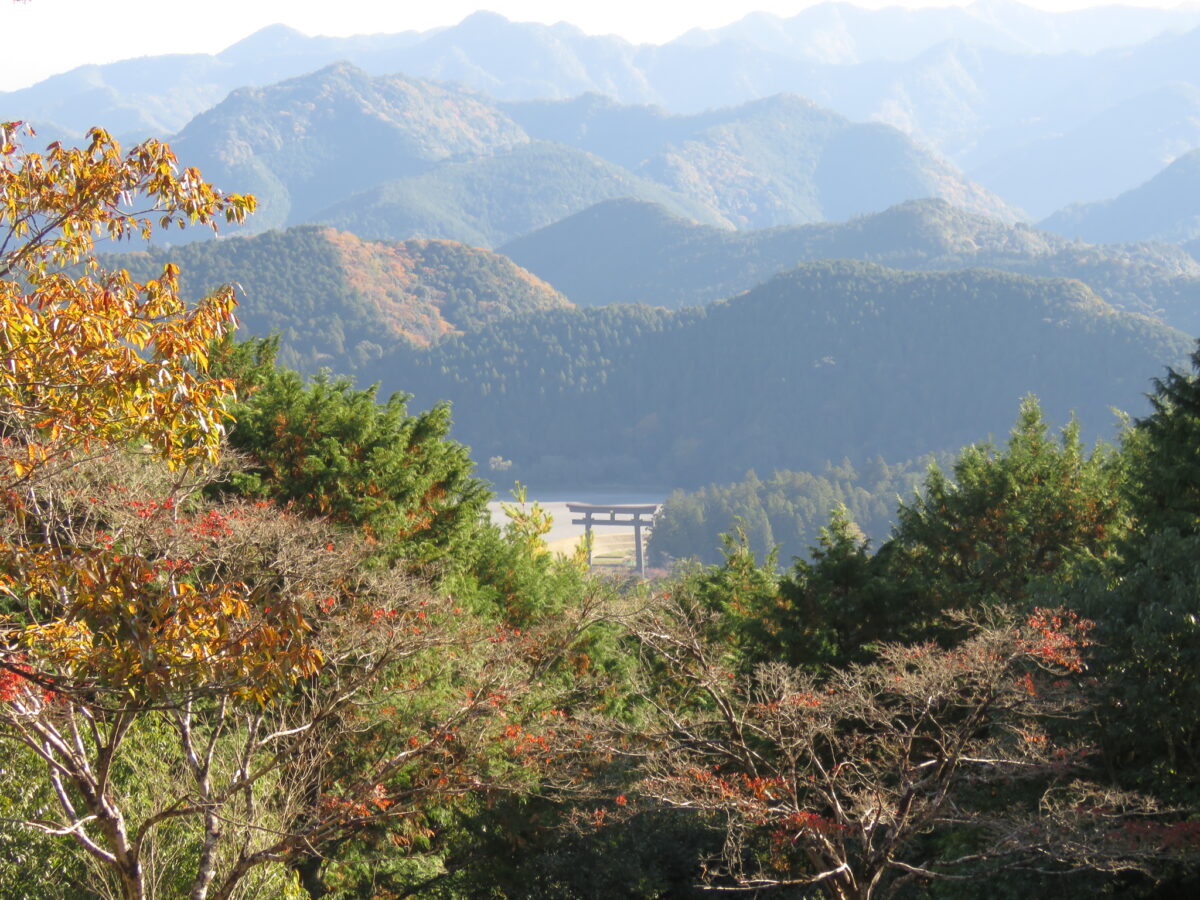
Wakayama is home to some of Japan’s most significant pilgrimage routes and sacred landscapes. From the forested paths of the Kumano Kodo to the historic approaches to Koyasan, these routes offer more than an opportunity to walk through nature. They reveal how people have travelled, worshipped, and understood their relationship with the natural world for centuries.
With a private guide, you can explore these historic paths at your own pace, learn about the beliefs and traditions that shaped them, and discover the communities that have grown along the way. Whether you are interested in a half-day walk, a full-day pilgrimage experience, or a longer journey across several days, your experience can be tailored to your interests and walking ability.
You do not need to walk an entire pilgrimage route to appreciate its significance. Sometimes, a single stretch of an ancient path can reveal the history, landscape, and spiritual traditions that make it special.
Explore Wakayama one step at a time, with a journey shaped around your interests.
Find Your Walking Experience
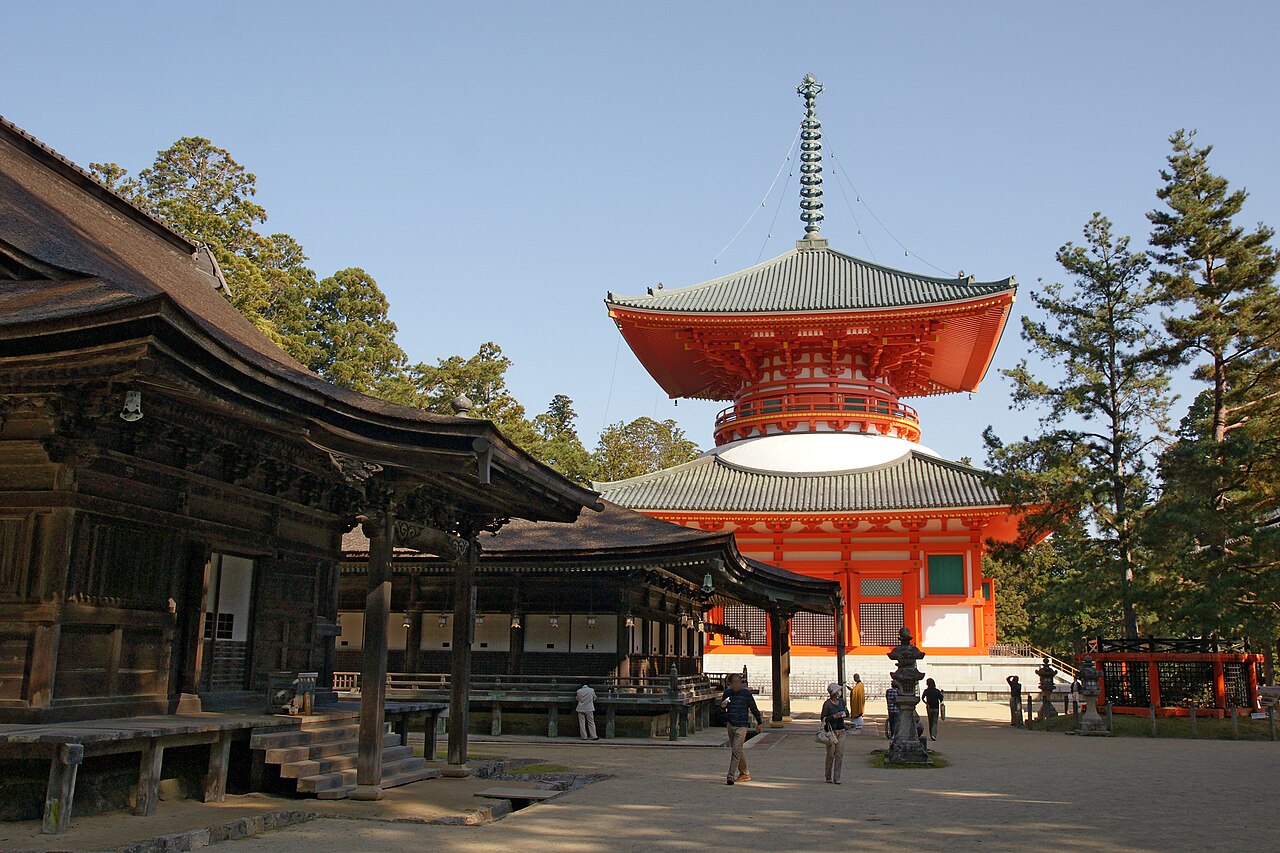
Every path has its own character. Some lead through mountain forests and remote villages, while others connect historic settlements with sacred sites. Choose the experience that interests you most, or let us help you find a route that suits your time, pace, and interests.
Pilgrimage Routes & Sacred Paths
Walk historic routes associated with pilgrimage and religious traditions. Discover how travellers approached sacred mountains and shrines, and learn about the beliefs that continue to shape these places.
Mountain Trails & Forest Landscapes
Experience Wakayama on foot, following paths through forests, mountain passes, and traditional rural landscapes. These walks offer opportunities to appreciate both the natural environment and the cultural history of the region.
History, Faith & Local Stories
Go beyond the scenery to explore the stories behind the paths. Discover the people who travelled them, the religious traditions they followed, and the communities that developed around these routes.
Walking at Your Own Pace
Not every journey needs to be a demanding hike. Depending on the route, you can choose a shorter walk, combine walking with visits to historic sites, or explore several areas over multiple days.
Explore My Walking Experiences
The following experiences introduce three distinctive ways to discover Wakayama’s pilgrimage heritage. Each can be adapted to your available time and interests, subject to the chosen route and practical conditions.
1. Kumano Kodo Nakahechi Pilgrimage Walk
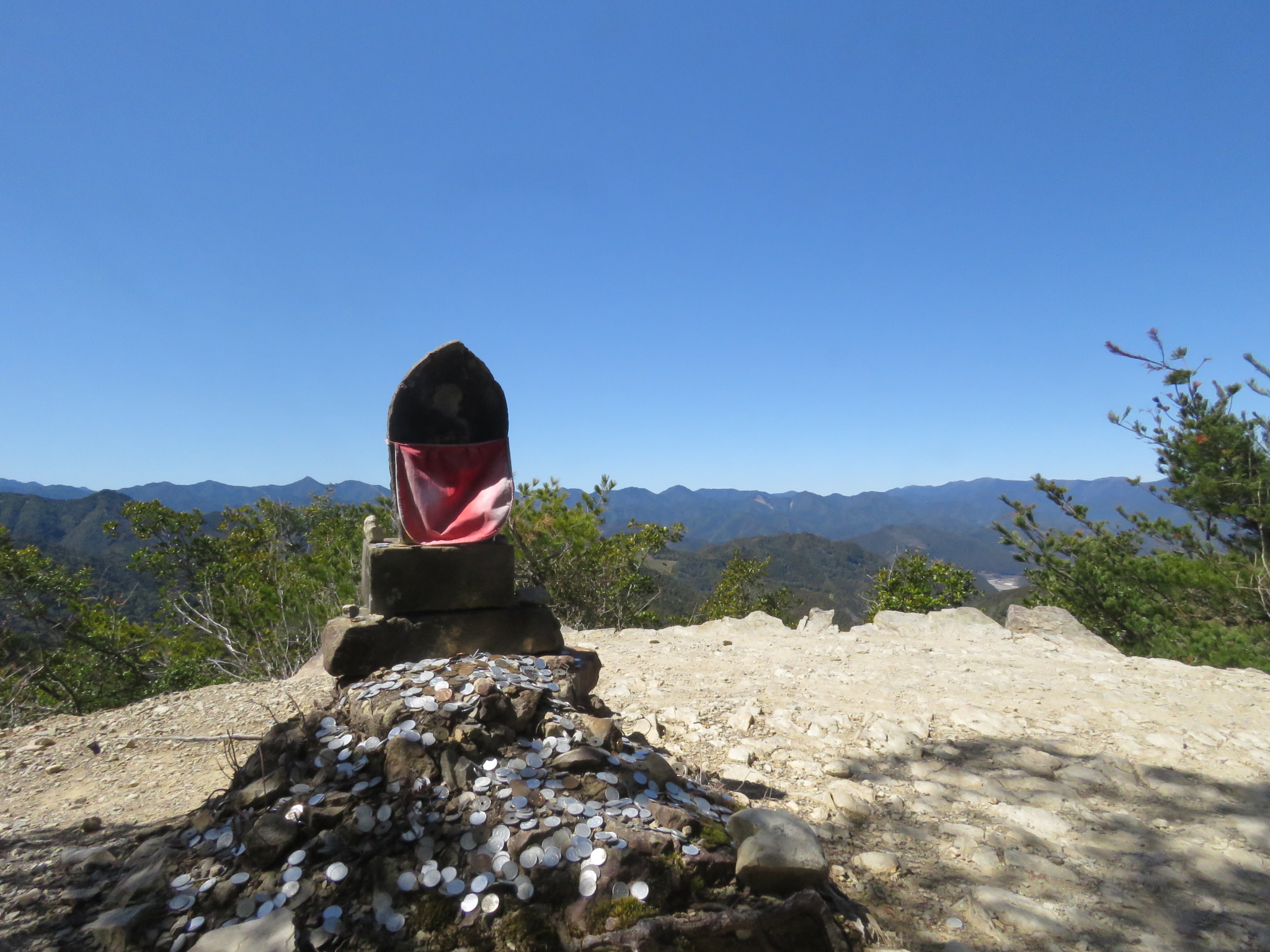
Walk the Ancient Route to the Sacred Mountains of Kumano
The Nakahechi route is one of the best-known pilgrimage routes within the Kumano Kodo network. For centuries, pilgrims travelled through the Kii Peninsula’s mountains toward the sacred sites of Kumano, passing through forests, settlements, and landscapes that became part of the pilgrimage experience.
Walking the Nakahechi today offers a chance to understand this relationship between landscape and belief. Along the trail, you can discover historic pilgrimage sites, learn about the traditions associated with Kumano, and experience the quiet atmosphere of the mountain paths.
Rather than attempting to cover the entire route in one day, choose a section that suits your walking ability and available time. A shorter walk can be a meaningful introduction, while a longer or multi-day experience allows you to explore more of the route.
Your experience may include:
- Walking a selected section of the Nakahechi route.
- Learning about Kumano’s pilgrimage history and religious traditions.
- Exploring the relationship between forest landscapes and spiritual practice.
- Discovering historic shrines, settlements, and other features along the route.
Ideal for: Travellers interested in Japanese spirituality, cultural heritage, forest walking, and pilgrimage.
Duration: Half-day, full-day, or multi-day arrangements, depending on the selected route.
2. Kiiji Road Heritage Walk
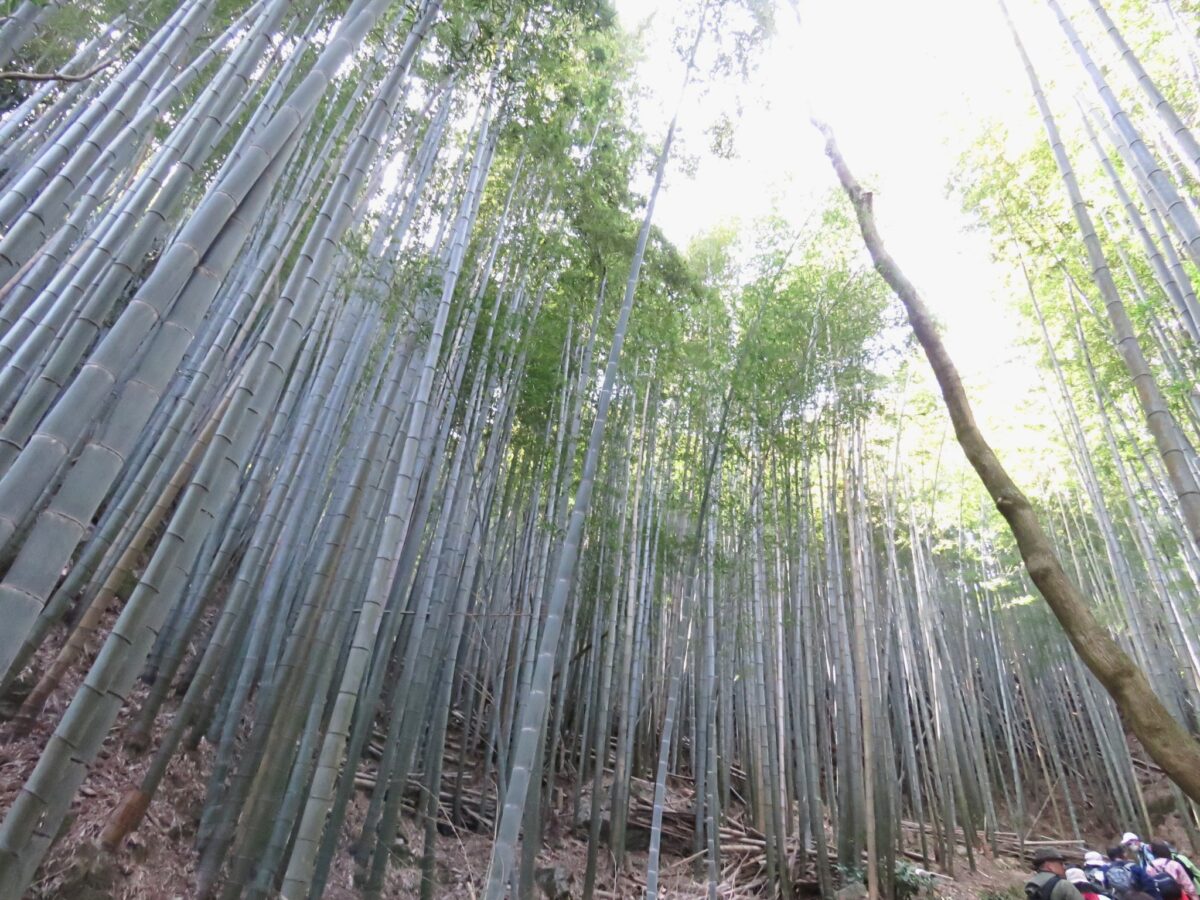
Discover the Historic Route from Osaka Toward Kumano
Long before modern roads and railways, pilgrims travelled from the capital region toward the sacred sites of Kumano. The Kiiji Road, formed part of this historic journey, connecting settlements, religious sites, and coastal communities along the western side of the Kii Peninsula.
Unlike the better-known mountain sections of the Kumano Kodo, the Kiiji Road offers opportunities to explore the relationship between pilgrimage and everyday life. Historic paths lead through areas where people have lived, worked, traded, and worshipped for generations.
Selected sections around Kainan and the wider coastal region can be particularly interesting for travellers who want to combine walking with cultural discovery. Depending on the route, a journey may include historic pilgrimage sites, old streets, coastal scenery, and opportunities to learn about local food traditions.
The appeal is not simply to follow an ancient road. It is to understand the world through which the pilgrims travelled.
Your experience may include:
- Walking a selected section of the historic Kiiji Road.
- Exploring pilgrimage-related sites and historic settlements.
- Discovering the relationship between the route, coastal communities, and local life.
- Combining walking with cultural visits or local food experiences where practical.
Ideal for: Travellers interested in history, cultural walking, coastal landscapes, and a less familiar side of the Kumano pilgrimage tradition.
Duration: Half-day, full-day, or multi-day arrangements, depending on the selected route.
3. Koyasan Nyonin-michi Pilgrimage Walk
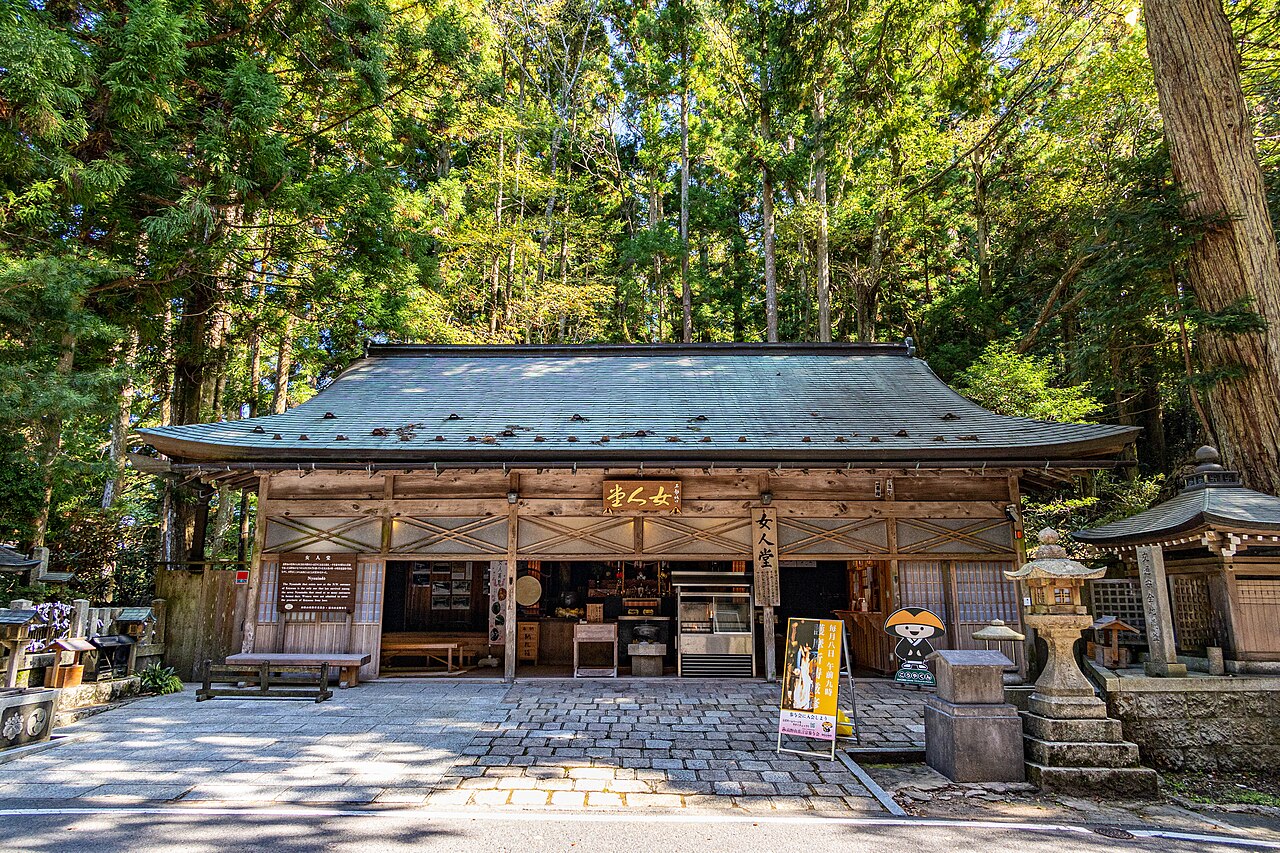
Explore the Sacred Mountain Through the History of the Women’s Pilgrimage Route
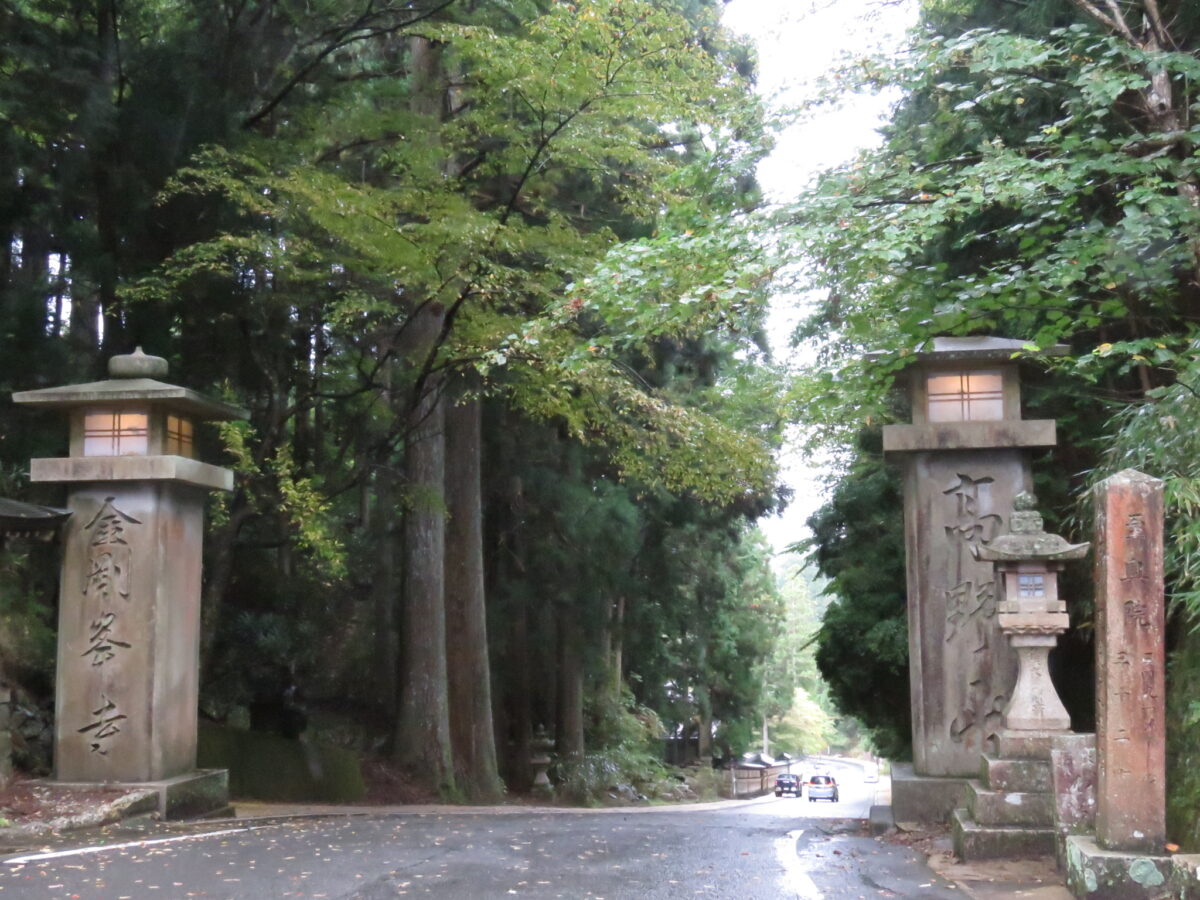
Koyasan is one of Japan’s most important centres of Buddhist learning and practice. Established by the monk Kūkai, also known posthumously as Kōbō Daishi, it developed into a major religious centre surrounded by forested mountains.
The Nyonin-michi, or Women’s Pilgrimage Route, offers a different perspective on this sacred landscape. Historically, women were prohibited from entering the central sacred area of Koyasan, and routes around the mountain allowed women to approach and circle the sacred precinct.
Walking the Nyonin-michi provides an opportunity to explore both the natural setting of Koyasan and the history of religious restrictions that shaped access to the mountain. It also opens a wider discussion about women, pilgrimage, and the changing relationship between religious institutions and society in Japan.
Depending on your interests and walking ability, your experience can focus on a suitable section of the historic route or incorporate visits to significant sites in Koyasan.
Your experience may include:
- Walking a selected section of the Nyonin-michi.
- Learning about the history of Koyasan and its religious traditions.
- Exploring the historical significance of women’s pilgrimage.
- Connecting the walking experience with selected temples or sacred sites where practical.
Ideal for: Travellers interested in Buddhist heritage, women’s history, pilgrimage, and mountain landscapes.
Duration: Half-day or full-day arrangements, depending on the selected route and any additional visits.
4. Choishi-michi Pilgrimage Walk

Follow the Ancient Stone Markers on the Historic Approach to Koyasan
Long before modern roads reached Koyasan, pilgrims travelled through the mountains on foot to reach this sacred centre of Japanese Buddhism. The Choishi-michi is one of the historic pilgrimage routes leading to Koyasan, marked by stone monuments called choishi that guide travellers along the path.
These stone markers, traditionally placed at intervals along the route, helped pilgrims understand their progress toward the sacred mountain. Walking the Choishi-michi offers an opportunity to experience the landscape as earlier pilgrims did, while discovering the history and religious traditions associated with Koyasan.
The traditional route begins near Jison-in Temple in Kudoyama and climbs toward the Danjo Garan, one of Koyasan’s principal sacred precincts. The full route is a substantial mountain walk, so you do not need to complete it in one day to appreciate its significance. Depending on your walking ability and available time, we can discuss suitable sections of the trail.
Your experience may include:
- Walking a selected section of the historic Choishi-michi pilgrimage route.
- Learning about the stone markers and their role in guiding pilgrims.
- Exploring the history of Koyasan and its connection with Kūkai (Kōbō Daishi).
- Discovering the relationship between mountain landscapes, pilgrimage, and Buddhist practice.
Ideal for: Travellers interested in Buddhist heritage, historic trails, mountain walking, and the history of Koyasan.
Duration: Half-day or full-day arrangements, depending on the selected section. The full traditional route requires more time and careful planning.
Every Path Has a Story

A pilgrimage route is more than a line on a map. It reflects the beliefs, journeys, and everyday experiences of the people who travelled it.
On a guided walk, the landscape becomes a way to understand Japanese history and culture. A mountain pass can reveal the challenges faced by earlier travellers. A small shrine can introduce local religious traditions. A village along an old road can show how pilgrimage routes were connected to ordinary life.
Wakayama’s pilgrimage heritage is especially interesting because it brings together different religious traditions, sacred mountains, forest landscapes, and communities that have maintained their relationship with these places over generations.
Our walks focus not only on where you are going, but also on why the route matters and what it reveals about the people who travelled it.
Historical evidence, religious traditions, and local legends each contribute to the story. Where these differ, they are presented as distinct perspectives rather than treated as interchangeable facts.
This approach is particularly valuable for travellers who want to understand Japan beyond its most familiar landmarks.
Walking at Your Own Pace
A meaningful walking experience does not have to follow a standard itinerary.
Some travellers want to spend several hours walking through the forest. Others prefer a shorter route with time to explore a temple, learn about local history, or enjoy a meal along the way. Some want to focus on pilgrimage itself, while others are curious about the culture and communities that developed around these historic paths.
Your walking experience can be shaped around these differences.
Combine Walking with Cultural Discovery
Depending on the route and available time, your walk may be combined with visits to historic sites, temples, or traditional settlements. These additional experiences can help place the path within its wider historical and cultural context.
Choose a Suitable Distance and Pace
We can discuss possible walking sections based on your interests and physical ability. Actual distance, elevation gain, walking time, and trail conditions will depend on the selected route.
Explore Over Several Days
If you want to experience more than one area, a longer journey can combine selected walking days with time to explore other parts of Wakayama. You do not need to walk every day, and you do not need to complete an entire pilgrimage route to make the journey worthwhile.
For a more extensive itinerary that combines walking with food, culture, nature, and other local experiences, consider our Curated Kii Peninsula Journey.
What to Know Before Your Walk

Every route has different requirements. Before confirming your experience, we will discuss the practical details relevant to your chosen walk.
Walking difficulty
Trail conditions vary from relatively accessible paths to steep, uneven, and sometimes muddy mountain trails. We will help you consider a suitable option based on your experience and physical ability.
Duration and distance
The advertised duration refers to the guided experience, not necessarily the time required to complete an entire historic route. Exact walking distances and estimated times depend on the selected section.
Weather and seasonal conditions
Rain, heat, and other weather conditions can affect walking comfort and safety. Routes may need to be adjusted depending on conditions.
Clothing and equipment
Appropriate footwear, weather protection, drinking water, and other equipment depend on the route. More demanding mountain walks require greater preparation than short cultural walks.
Meeting points and transport
The best meeting point depends on your chosen route. Some trailheads require additional transport, and public transport availability varies by area. We will discuss practical access arrangements before confirming the itinerary.
Private guiding
Your guide will help you understand the route’s history, cultural context, and local significance while accompanying you on the agreed walking itinerary.
Accommodation, transport bookings, and other travel arrangements are not included in the guiding service. Any local transport or admission costs will be discussed separately where relevant.
Plan Your Walking Experience in Wakayama

Whether you want to follow an ancient pilgrimage route, explore the history of a sacred mountain, or discover the stories behind a historic road, Wakayama offers many ways to experience Japan on foot.
You do not have to decide on every detail in advance. Tell us which places interest you, how much time you have, and what kind of walking experience you are looking for. We can then discuss suitable routes and how they might fit into your wider journey.
Ready to Explore?
Choose a walking experience that matches your interests, and discover the stories that make Wakayama’s paths special.
- Explore an individual experience: Choose one of the walking routes above.
- Plan a wider journey: Discover Curated Kii Peninsula Journey for a more flexible itinerary combining walking with local culture, food, and other experiences.
- Ask a question: Contact me to discuss your dates, interests, walking ability, and preferred pace.