
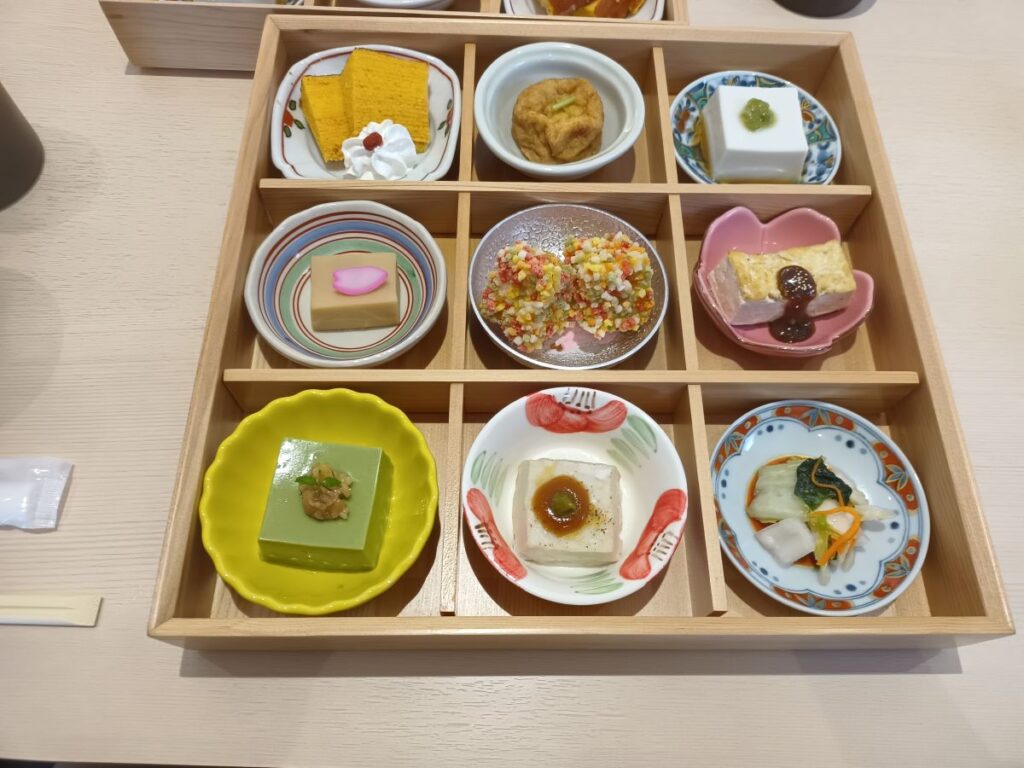
Discover the Flavors, Landscapes, and Living Traditions of Japan’s Kii Peninsula
Many travelers come to Japan in search of great food.
They visit famous sushi restaurants in Tokyo, sample street food in Osaka, or enjoy traditional kaiseki in Kyoto.
But if you want to understand why Japanese food tastes the way it does, there is another destination worth exploring.
In Wakayama, food is inseparable from the landscape. Mountains provide pure water and forests. Rivers nourish fertile valleys. The Pacific Ocean supplies abundant seafood. Generations of farmers, fishermen, monks, and artisans have shaped a cuisine that reflects both nature and time.
This five-day journey follows that story—from sacred mountains to coastal fishing villages.
Day 1 – Koyasan: The Spirit of Simplicity
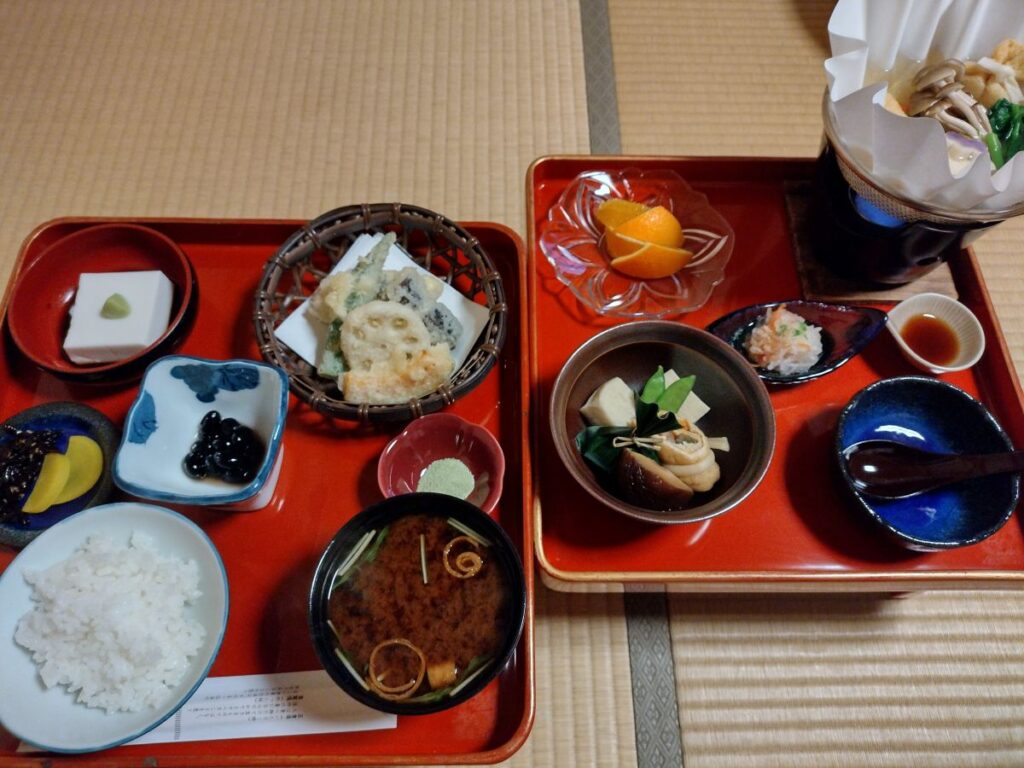
Begin your journey in Koyasan, where food is viewed not as luxury, but as part of spiritual practice.
Shojin Ryori, the traditional Buddhist vegetarian cuisine served in temple lodgings, transforms seasonal vegetables, tofu, sesame, mountain herbs, and handmade sesame tofu into beautifully balanced meals.
Every ingredient is respected, and nothing is wasted. Rather than overwhelming the palate, each dish highlights natural flavor.
Walking through Okunoin or the temple complex after dinner reveals how deeply food, religion, and daily life have been connected here for more than a thousand years.
Highlights
- Stay in a temple lodging
- Experience Shojin Ryori
- Explore Okunoin and Danjo Garan
- Learn how Buddhist philosophy shaped Japanese cuisine
Day 2 – Kinokawa Area: Japan’s Fruit Kingdom
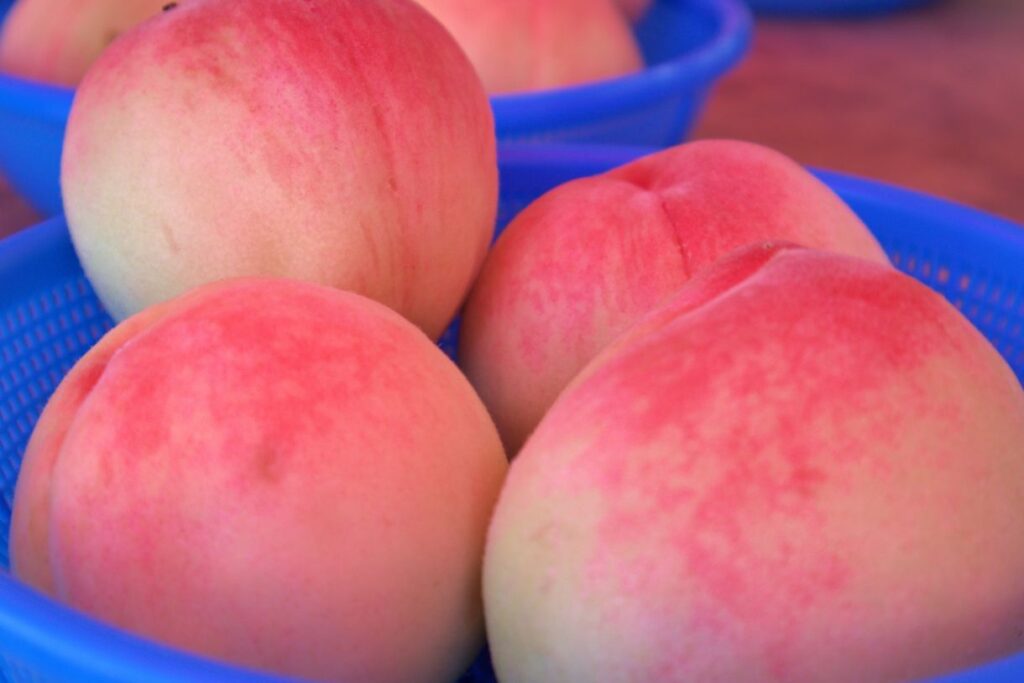
Leaving the mountains behind, descend into the fertile fields of the Kinokawa River.
This region is one of Japan’s richest fruit-producing areas, known for peaches, grapes, pears, strawberries, citrus fruits, and especially persimmons.
Depending on the season, visitors can enjoy fruit picking, visit local farm markets, or relax in cafés serving parfaits made with freshly harvested produce.
Here, dessert reflects the rhythm of agriculture rather than industrial production.
Highlights
- Seasonal fruit farms
- Local roadside markets
- Fruit cafés and parfaits
- Scenic rural landscapes
Day 3 – Yuasa: The Birthplace of shoyu Sauce
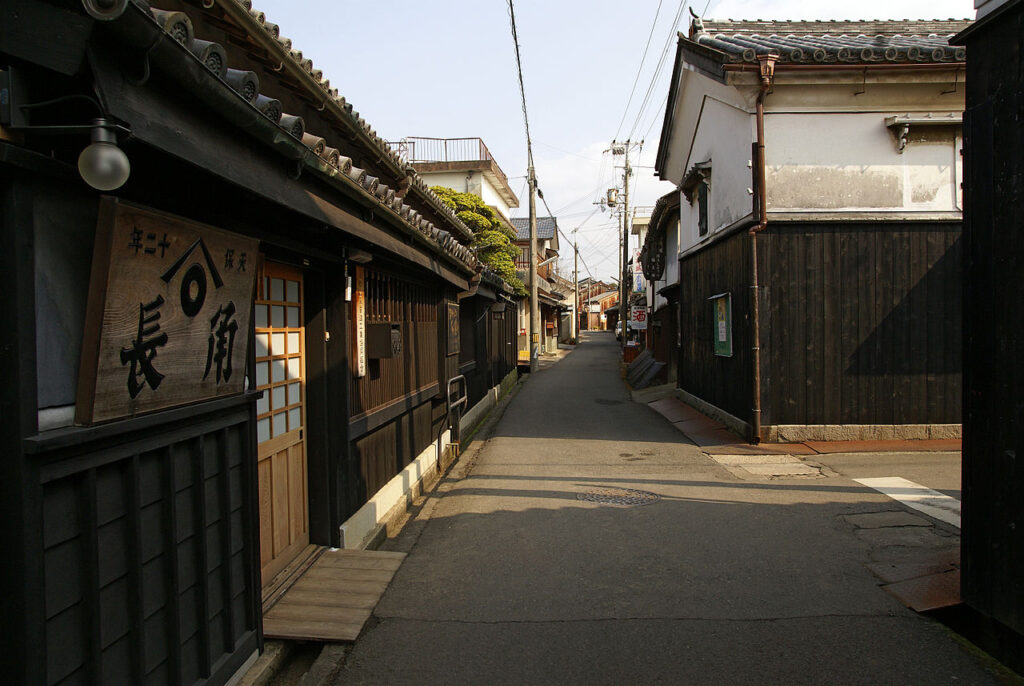
The next stop is Yuasa, one of Japan’s most important food heritage towns.
Centuries ago, Buddhist monks introduced methods of fermented soybean paste from China. Local craftsmen refined the process, eventually creating what became Japanese soy sauce.
Today, traditional breweries still ferment soy sauce inside enormous wooden barrels.
Walking through Yuasa’s preserved streets, visitors discover that fermentation is more than a production method—it’s a culture of patience.
Pair your visit with local seafood, handmade tofu, or regional dishes that allow naturally brewed soy sauce to shine.
Highlights
- Historic soy sauce breweries
- Traditional fermentation techniques
- Historic merchant district
- Local cuisine emphasizing natural flavors
Day 4 – Southern Coast: Tuna, Seafood, and the Pacific Ocean
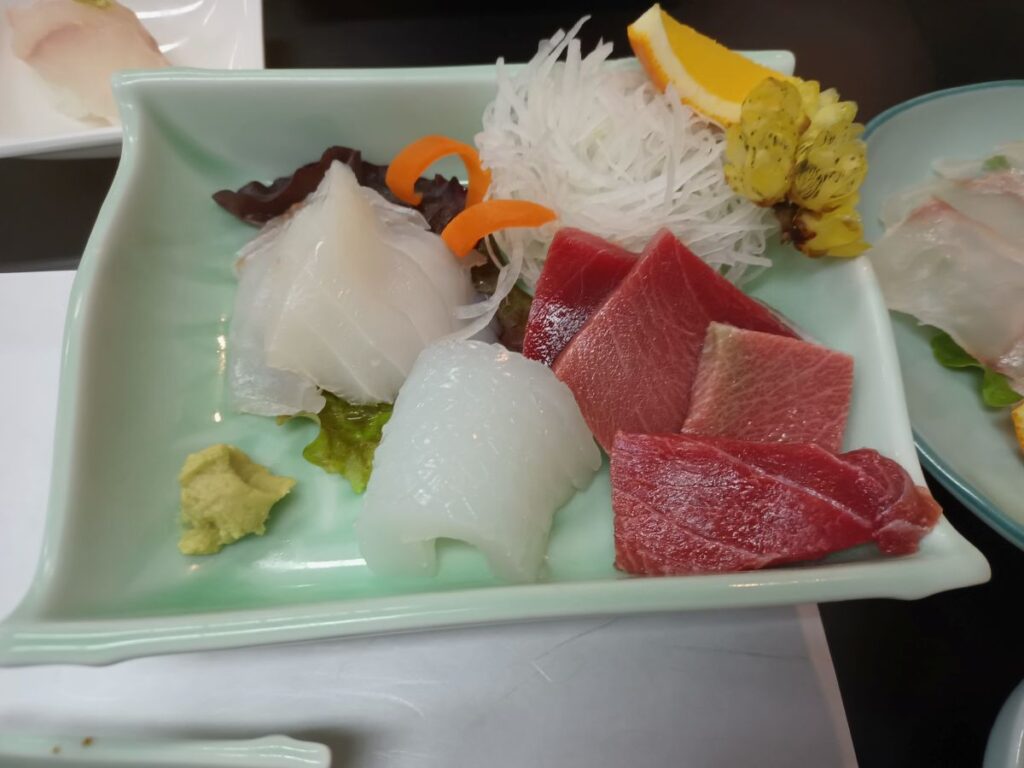
Travel south toward the Pacific coast, where the influence of the ocean becomes unmistakable.
The ports around Nachikatsuura and Kushimoto are renowned for exceptionally fresh seafood, particularly tuna landed directly from offshore fishing vessels.
Depending on the season, visitors can watch tuna auctions or cutting demonstrations, dine at local seafood restaurants, and experience fishing communities where the day’s catch still shapes daily life.
Unlike urban seafood markets, these towns remain working ports where tradition continues alongside modern fishing.
Highlights
- Fresh tuna cuisine
- Fishing ports
- Seasonal seafood
- Coastal scenery
Day 5 – Wakaura: Where Food Meets Culture
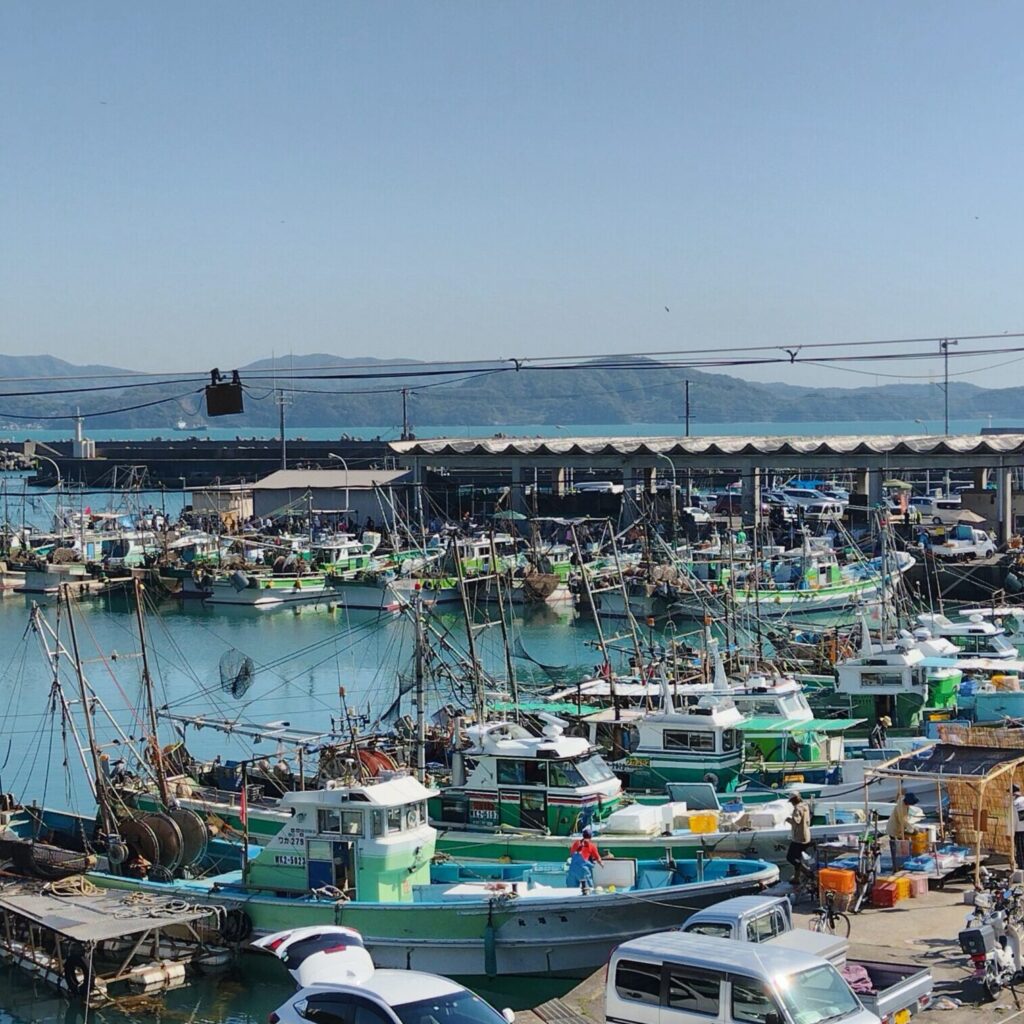
End your journey in Wakaura, where food becomes part of a broader cultural landscape.
Fish markets, small seafood restaurants, family-run cafés, and quiet fishing villages create an atmosphere that feels distinctly local.
Rather than rushing from one famous restaurant to another, spend time walking along the waterfront, visiting shrines, watching fishing boats return, and enjoying meals prepared with ingredients landed only hours earlier.
This slower rhythm reveals an important truth:
The best meals are often inseparable from the place where they are enjoyed.
Highlights
- Fresh local seafood
- Traditional cafés
- Historic coastal landscape
- Everyday life beside the sea
More Than Five Days of Great Food
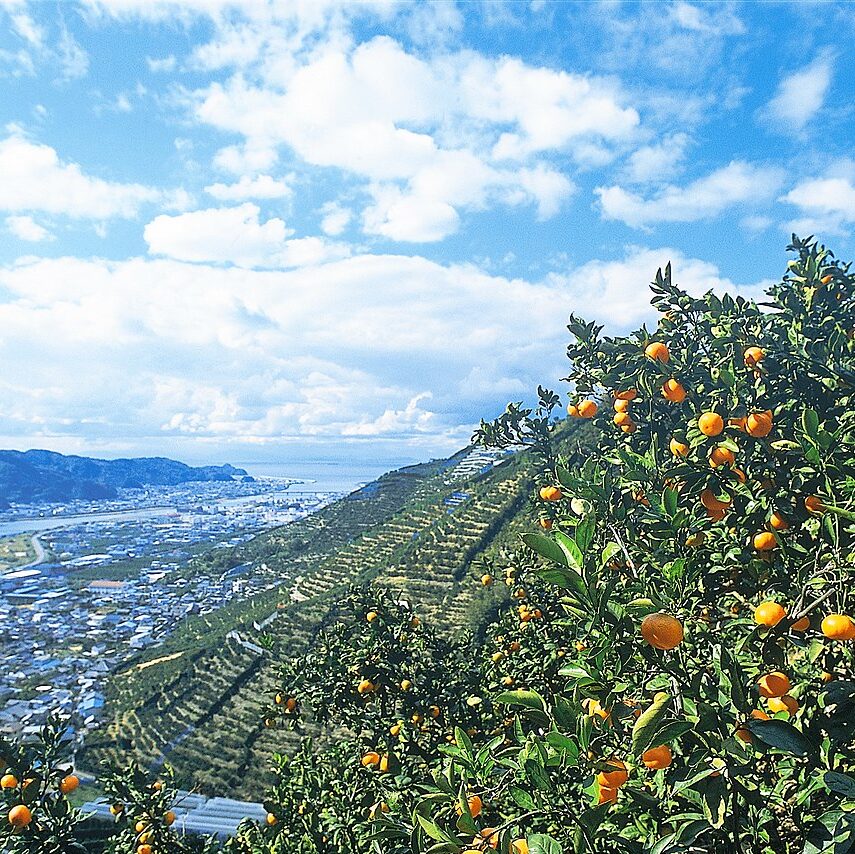
This itinerary isn’t about collecting famous dishes.
It is about understanding how geography, history, religion, agriculture, and the sea have shaped the flavors of Wakayama.
From temple cuisine in the mountains to shoyu sauce fermentation, fruit orchards, fishing ports, and quiet coastal villages, every meal tells part of a much larger story.
For travelers seeking a deeper connection with Japan, Wakayama offers more than exceptional food.
It offers the chance to experience the landscapes and communities that continue to create it.
Suggested Extensions
If you have additional time, consider expanding your culinary journey with experiences such as:
- Walking the Kumano Kodo while enjoying regional cuisine.
- Visiting Kuroe to discover how Kuroe lacquerware enhances Japanese dining.
- Sampling premium umeshu in Minabe, Japan’s leading plum-growing region.
- Joining a customized food-focused journey that combines gastronomy, history, nature, and local encounters throughout the Kii Peninsula.
Explore Wakayama through my Curated Kii Paninsula Journey.
Read More About Travel in Wakayama
- 7-Day Kii Peninsula Journey: Koyasan, Kumano Kodo, and Hidden Wakayama
- Omakase in Wakaura: A Curated Journey Through Local Taste and Landscape
- A Day in Wakayama Through Omakase
- Beyond Koyasan: Cycling Through the Gateway Towns of Kudoyama and Koyaguchi
No responses yet