
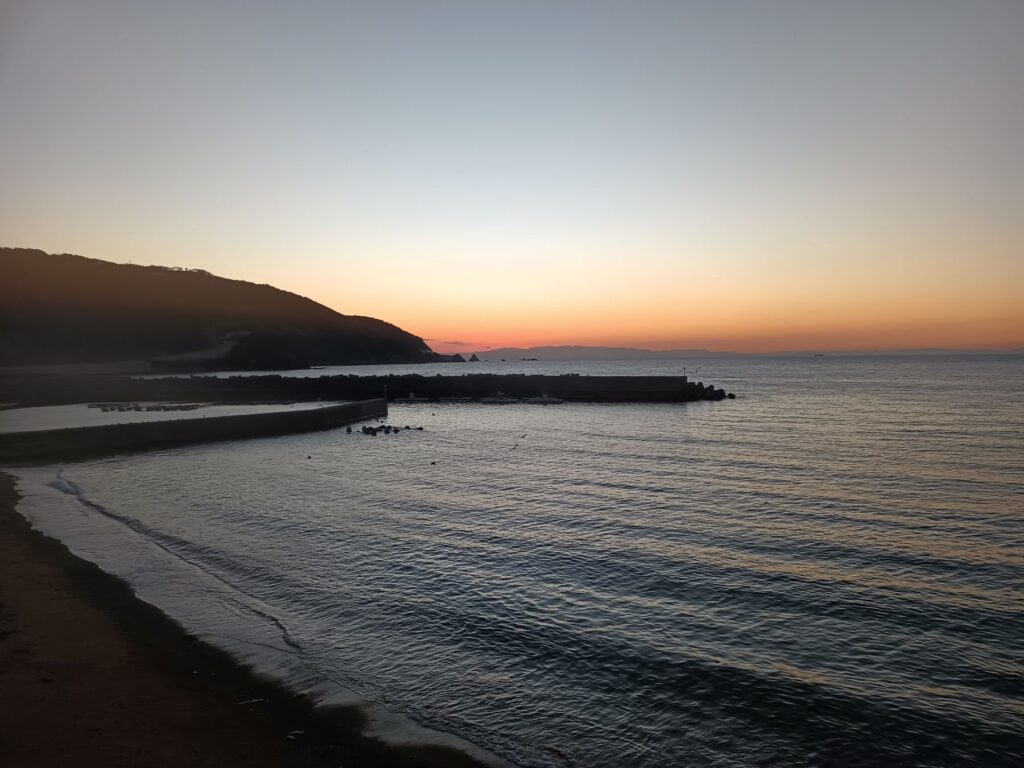
Lessons from Hirogawa and Yuasa in Wakayama
When people think about Japan, they often imagine temples, food, or technology.
But for many coastal communities across the country, another reality has always shaped daily life:
The presence of earthquakes and tsunamis.
In places like Hirogawa and Yuasa in Wakayama, this risk is not treated as an abstract possibility.
It is part of the landscape itself.
And yet, these towns continue to thrive—not because they ignore danger, but because they have spent generations learning how to live with it.
The Sea as Both Blessing and Threat
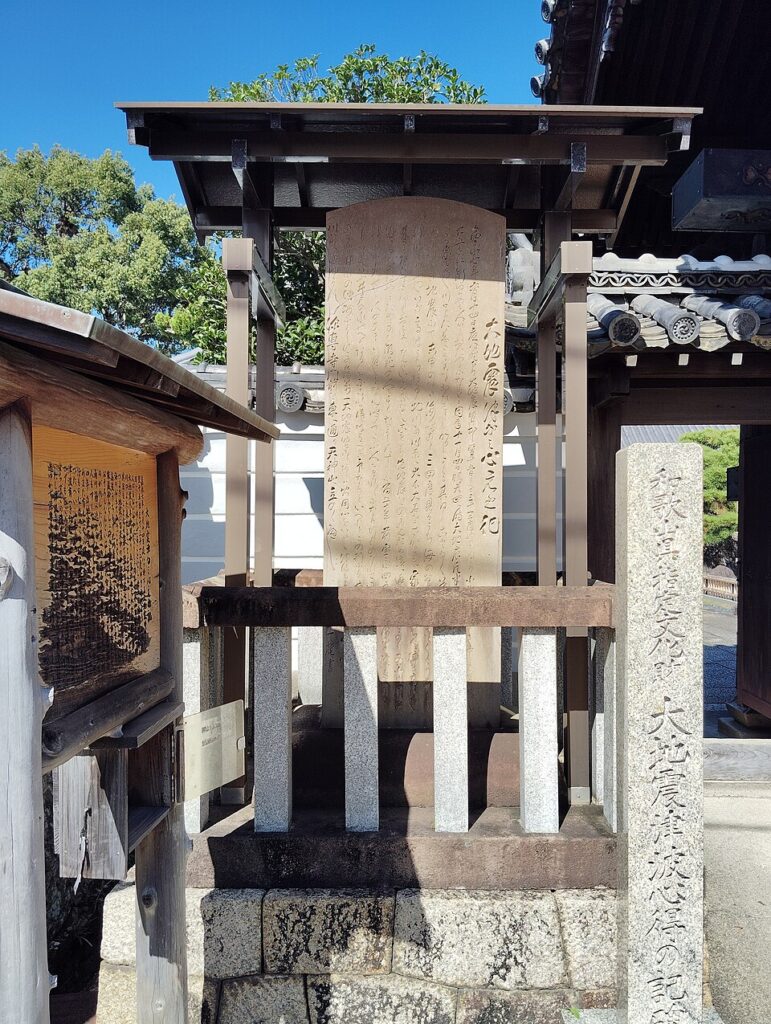
The coast of Wakayama has long been connected to:
- Fishing
- Trade
- Fermentation culture
- Pilgrimage routes
- Maritime transportation
In Yuasa, Shoyu soy sauce production developed partly because goods could be transported efficiently by sea.
Fishing villages along the coast depended on the ocean not only for food, but for communication and economic survival.
The sea created prosperity.
But it also brought destruction.
Along the Nankai Trough south of Japan, massive earthquakes and tsunamis have struck repeatedly for centuries.
Rather than abandoning the coast entirely, communities developed systems of memory, evacuation, and reconstruction.
This long relationship between danger and survival became part of local culture.
The Story of “Inamura no Hi”
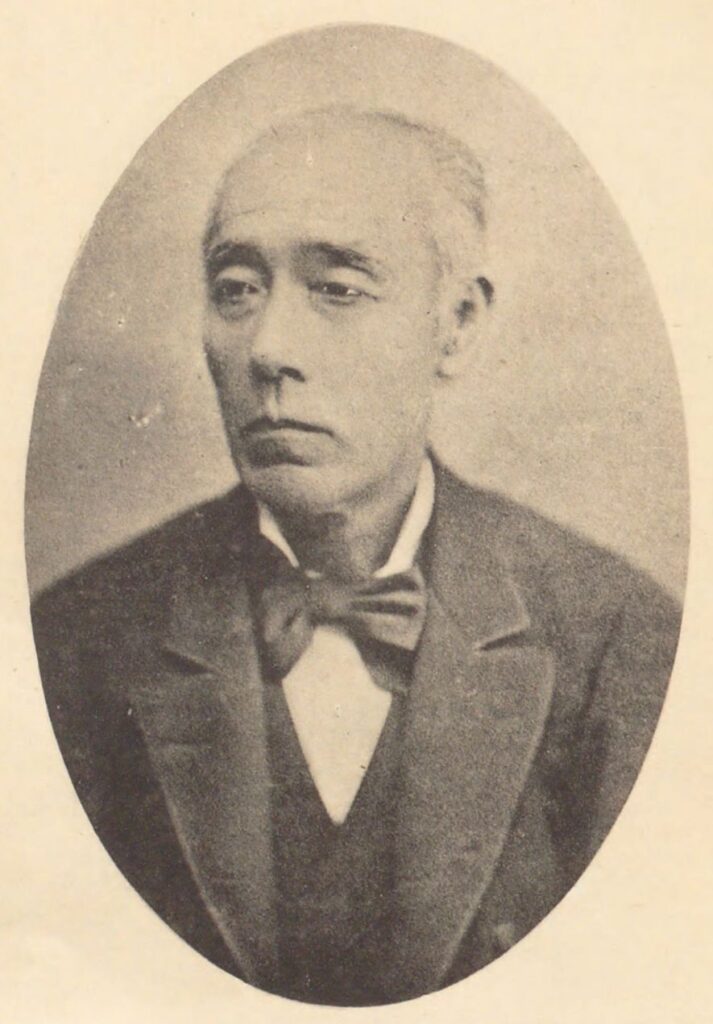
Fire as a Signal of Survival
One of Japan’s most famous tsunami stories took place in Hirogawa in 1854.
After a major earthquake, local leader Hamaguchi Goryo sensed that a tsunami was approaching.
To warn villagers scattered below, he set fire to harvested rice sheaves—known as inamura—on higher ground.
Villagers rushed uphill to help extinguish the flames.
That decision saved many lives as the tsunami struck the coast shortly afterward.
Today, this event is remembered as “Inamura no Hi” (The Fire of Rice Sheaves) and is considered one of Japan’s foundational disaster-prevention stories.
But what makes the story remarkable is not only the rescue itself.
It is what happened next.
Building for the Future, Not Only Recovering the Past
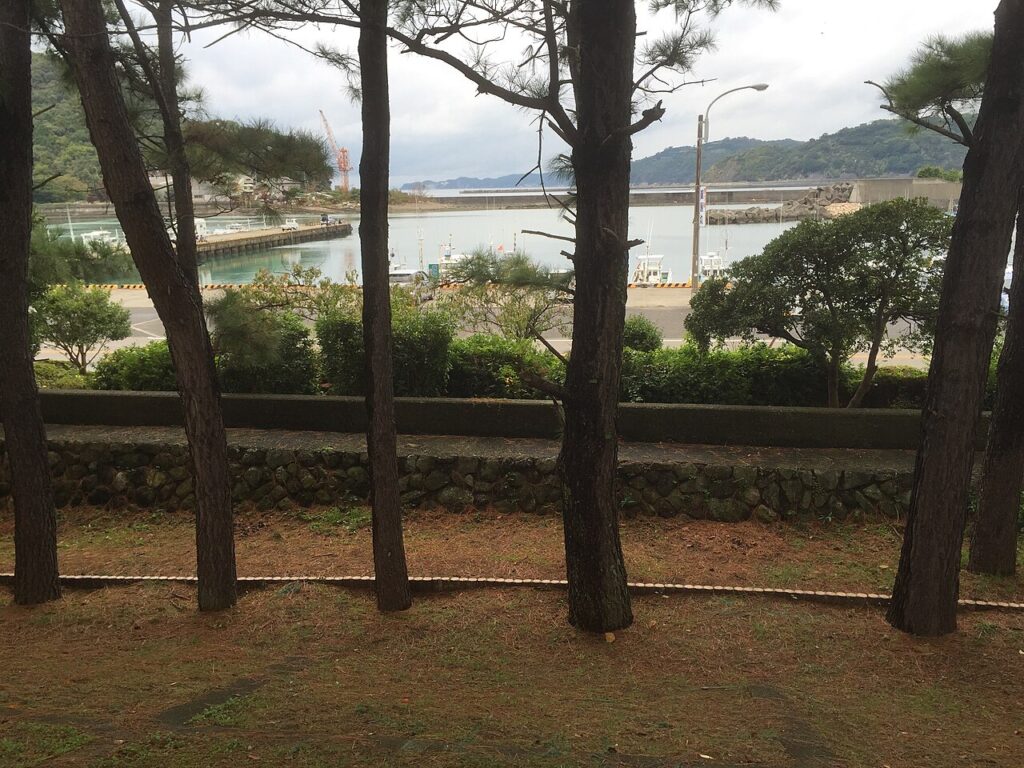
After the disaster, Hamaguchi Goryo used his personal wealth to construct the Hiromura Embankment.
The seawall stretched roughly 600 meters and stood about 5 meters high.
Its purpose was not only protection.
The project also:
- Created jobs for local residents
- Helped rebuild the community economy
- Prepared future generations for the next tsunami
Decades later, during the 1946 Showa Nankai Earthquake, the seawall helped reduce damage to the town.
This reflects a broader pattern seen across Japan:
Disaster prevention is often embedded into daily life, infrastructure, education, and local identity.
Learning from Disaster Without Turning It Into Spectacle
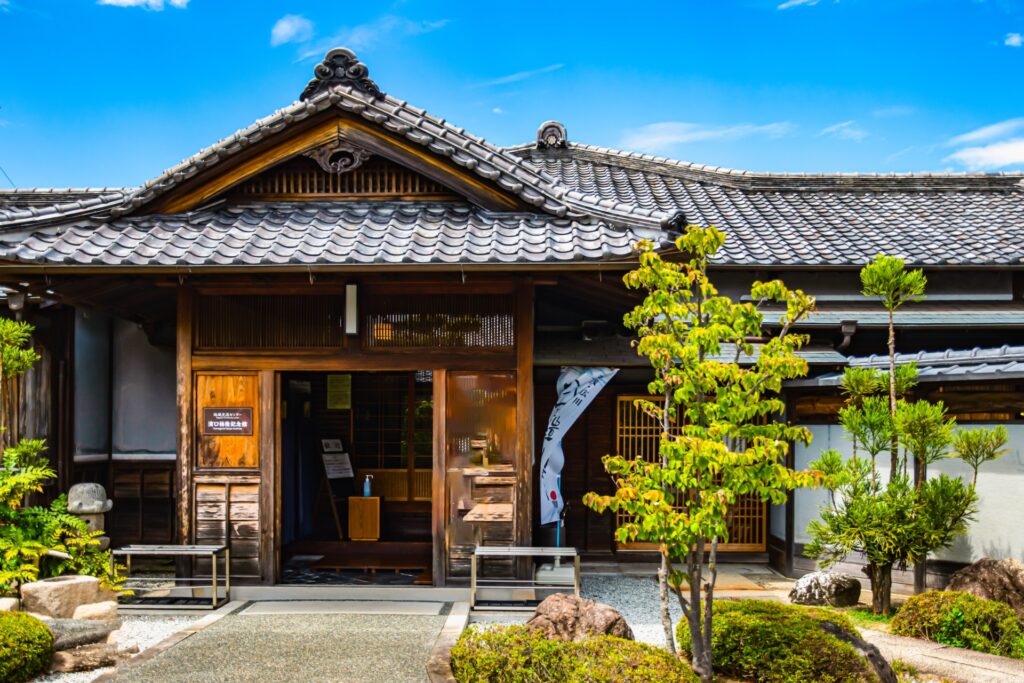
One challenge of “disaster tourism” is that it can sometimes reduce tragedy into entertainment.
But places like Inamura no Hi no Yakata approach the subject differently.
The goal is not shock.
It is understanding.
Visitors can learn about:
- Historical tsunamis
- Evacuation systems
- Coastal geography
- Community rebuilding
- The science of the Nankai Trough
Most importantly, visitors begin to understand how local communities balance:
- Economic dependence on the sea
- Cultural attachment to place
- Long-term disaster preparedness
This balance is one of the defining characteristics of coastal Japan.
Why These Stories Matter Today
As climate change, rising sea levels, and natural disasters become global concerns, Japan’s coastal communities are increasingly studied as examples of resilience.
But resilience here does not mean fearlessness.
It means:
- Remembering past disasters
- Preparing collectively
- Accepting uncertainty
- Continuing daily life despite risk
In Wakayama, these ideas are not only found in museums or textbooks.
They are visible in:
- Seawalls
- Evacuation routes
- Elevated shrines
- Community drills
- Oral histories passed between generations
The landscape itself becomes a form of memory.
A Different Way to Experience Japan
For travelers interested in history, sustainability, architecture, or social resilience, visiting places like Hirogawa and Yuasa offers a perspective rarely found in mainstream tourism.
This is not simply a story about disaster.
It is a story about how communities continue to live, adapt, and preserve culture in the face of uncertainty.
And in coastal Wakayama, that story is still unfolding today.
Suggested Related Experiences
- Walking the historic streets of Yuasa
- Exploring fermentation culture and soy sauce breweries
- Visiting Inamura no Hi no Yakata
- Coastal landscape walks and seawall tours
- Learning about the relationship between pilgrimage routes and coastal communities in Wakayama
→Plan your journey to learn coastal living with disaster in Wakayama
No responses yet