
Discover a Slower Creative Landscape Beyond Osaka and Kyoto
Most travelers searching for art in Japan focus on the same destinations:
- Tokyo
- Kyoto
- Osaka
But beyond these major cities lies a quieter creative landscape—one shaped not by scale or trends, but by atmosphere, rhythm, and place.
In Wakayama, art is often woven into everyday life:
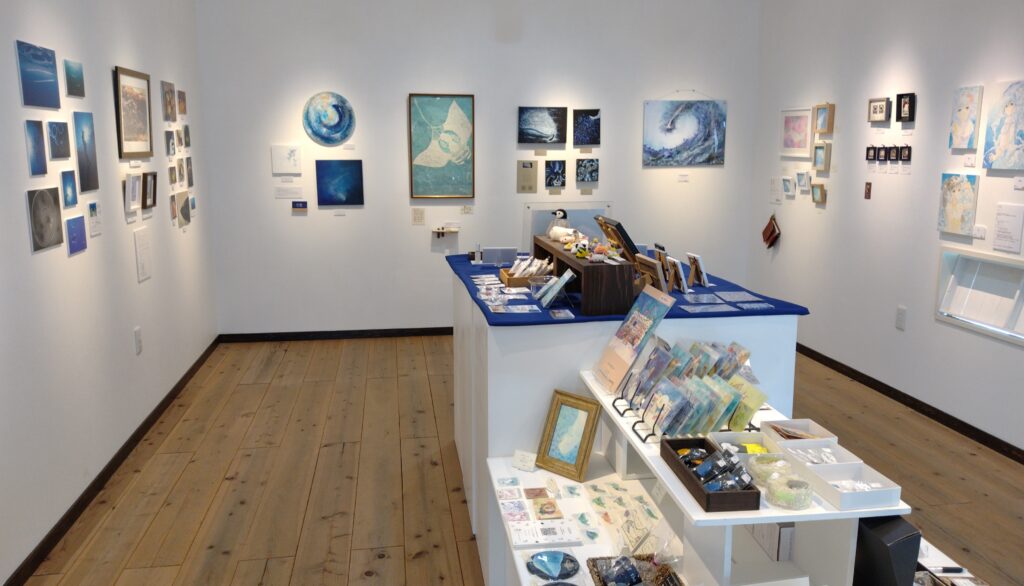
- Small galleries hidden inside old buildings
- Studios overlooking the sea
- Craft workshops still connected to local communities
- Spaces where contemporary expression coexists with centuries of tradition
This is not an art scene built around spectacle.
It is a region where creativity grows slowly, shaped by light, time, and lived culture.
A Different Kind of Creative Environment
Beyond the Speed of Major Cities
In large cities, art spaces are often tied to fast-moving commercial cycles.
Wakayama offers something different.
Here, creative spaces are frequently connected to:
- Daily life
- Local materials
- Coastal landscapes
- Traditional craftsmanship
- Long-term relationships within the community
Rather than separating art from life, many spaces in Wakayama allow the two to overlap naturally.
This slower rhythm creates an environment that many photographers, artists, designers, and curators increasingly seek out.
Coastal Landscapes That Shape Creativity
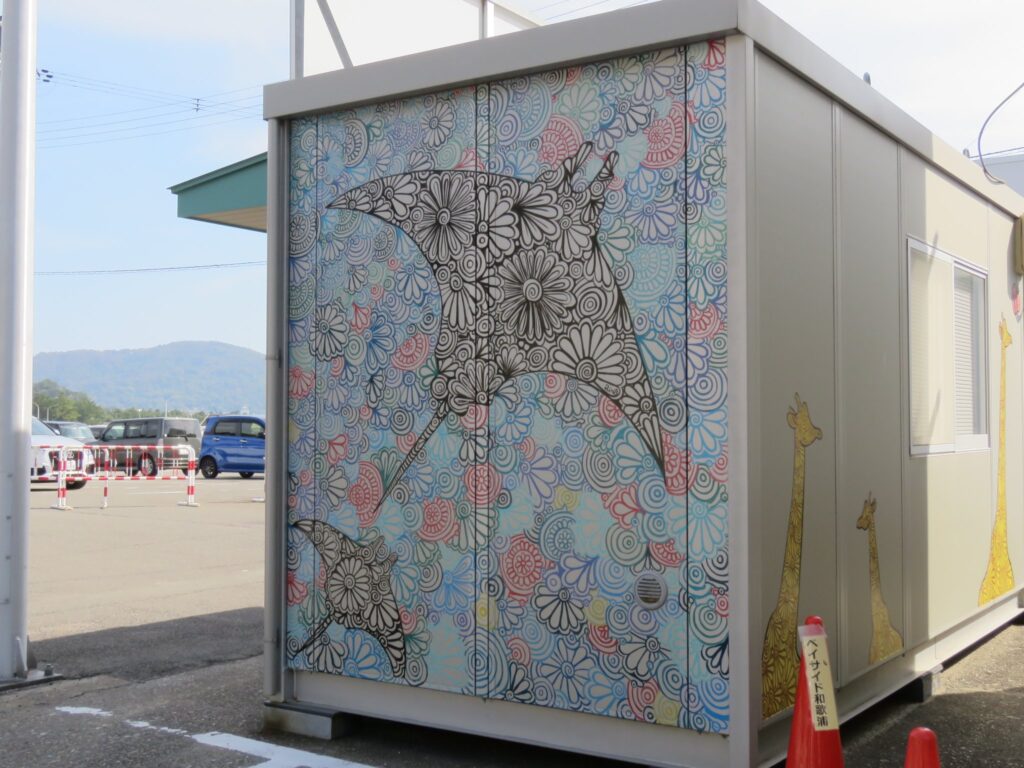
Wakaura and Saikazaki
Near the center of Wakayama City, the coastal areas of Wakaura and Saikazaki provide a unique visual atmosphere rarely found in urban Japan.
The scenery changes constantly:
- Soft coastal haze in the morning
- Strong reflections across the water at midday
- Warm evening light filtering through narrow fishing streets
But what makes these places compelling is not only the scenery.
It is the coexistence of:
- Working fishing communities
- Historical layers
- Shrines and poetry culture
- Everyday routines
- Quiet human presence
For photographers and artists, these landscapes offer more than beautiful views—they offer texture, rhythm, and narrative.
Craft and Contemporary Expression
Kuroe
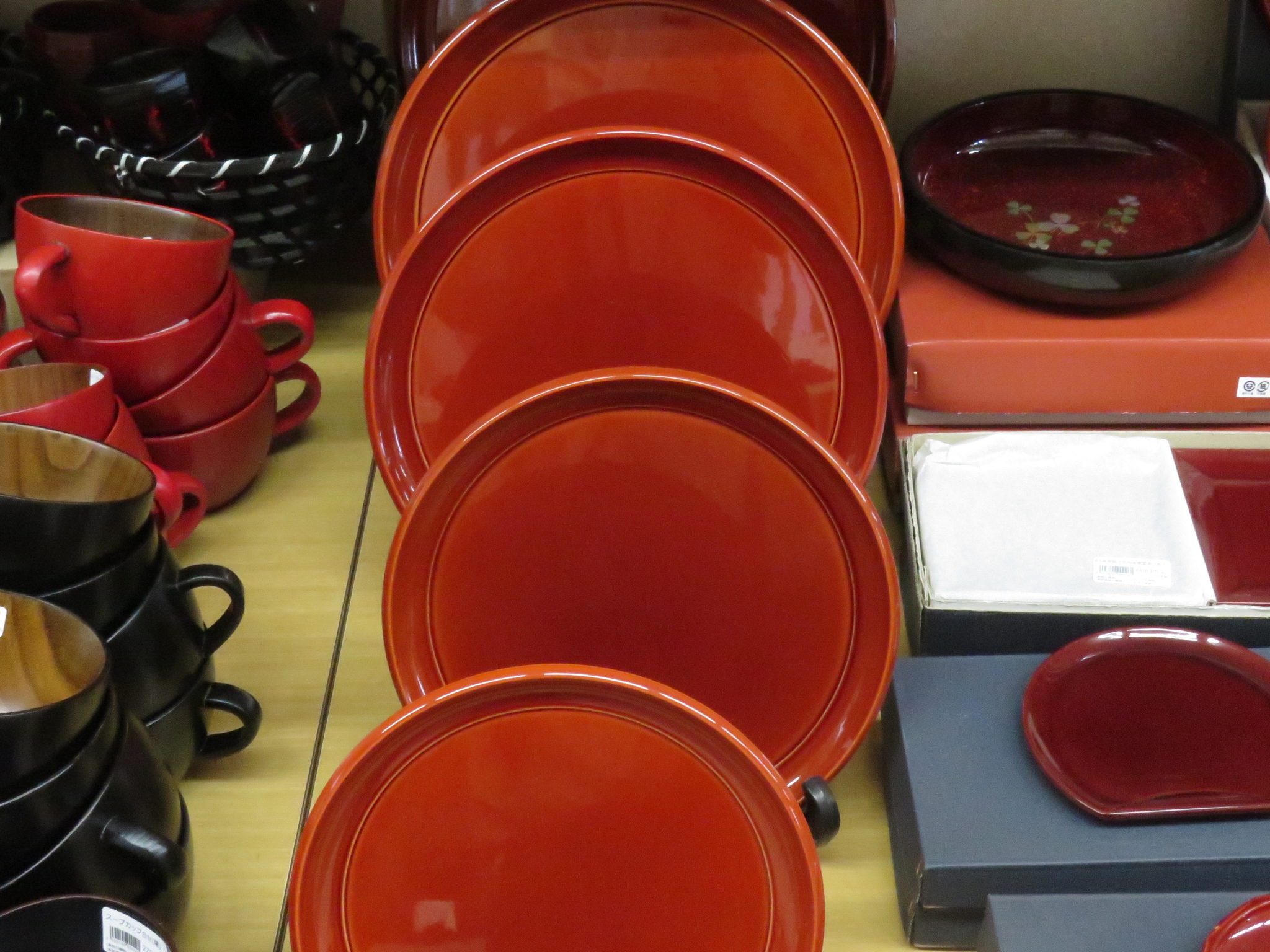
In the historic district of Kuroe, creativity is deeply connected to craftsmanship.
Known for centuries as a center of lacquerware production, Kuroe developed through networks of small family workshops and specialized artisans.
What makes the area especially interesting today is the overlap between:
- Traditional craft
- Contemporary design
- Functional objects
- Experimental presentation
Rather than existing only inside museums, craftsmanship here still belongs to everyday life.
For curators, interior designers, chefs, and buyers, this creates opportunities to encounter Japanese craft culture in a more direct and human way.
Related Post:
Exploring Kuroe: Japanese Lacquerware and the Dining Experience
Small Galleries and Independent Spaces
Across Wakayama City and surrounding areas, independent galleries and creative spaces continue to emerge quietly.
Many are small in scale, but this intimacy is part of their appeal.
Visitors often experience:
- Direct conversations with artists
- Flexible exhibition formats
- Spaces integrated into old houses or renovated buildings
- A stronger sense of locality than in large commercial galleries
This creates a very different experience from major urban art districts.
Instead of moving quickly between crowded exhibitions, visitors can spend time understanding:
- The environment
- The people
- The stories behind the work
Why Creative Professionals Are Paying Attention to Regional Japan
In recent years, many artists, photographers, and cultural professionals have started looking beyond Japan’s largest cities.
Part of this shift comes from a growing interest in:
- Slower travel
- Local identity
- Material culture
- Sustainable creative environments
- Places with a distinct atmosphere rather than mass tourism
Wakayama fits naturally into this movement.
Its appeal is not based on scale or trendiness.
It comes from the relationship between:
- Nature and settlement
- Craft and daily life
- Silence and creativity
- Time and place
Related Post:
Photography in Wakayama: Hidden Photo Locations in Kansai
A Curated Approach to Art and Culture in Wakayama
Because many creative spaces in Wakayama are small and locally connected, discovering them often requires more than simply searching online.
Some of the most meaningful experiences come through:
- Local introductions
- Curated visits
- Conversations with artists and craftspeople
- Understanding the cultural context behind the work
For travelers, collectors, curators, and creative professionals, Wakayama offers the possibility of experiencing Japan not only as a destination—but as a living cultural landscape.
Explore Wakayama Through Art, Craft, and Place
Interested in discovering hidden galleries, craft workshops, and creative spaces in Wakayama?
Custom visits can include:
- Independent galleries
- Coastal photography locations
- Craft workshops and lacquerware studios
- Cultural walking experiences
- Curated meetings with local creatives
👉 Private and research-focused experiences are available for individuals, buyers, curators, and creative professionals:
For individual custom private art tours
For long stay of creative professionals
No responses yet