
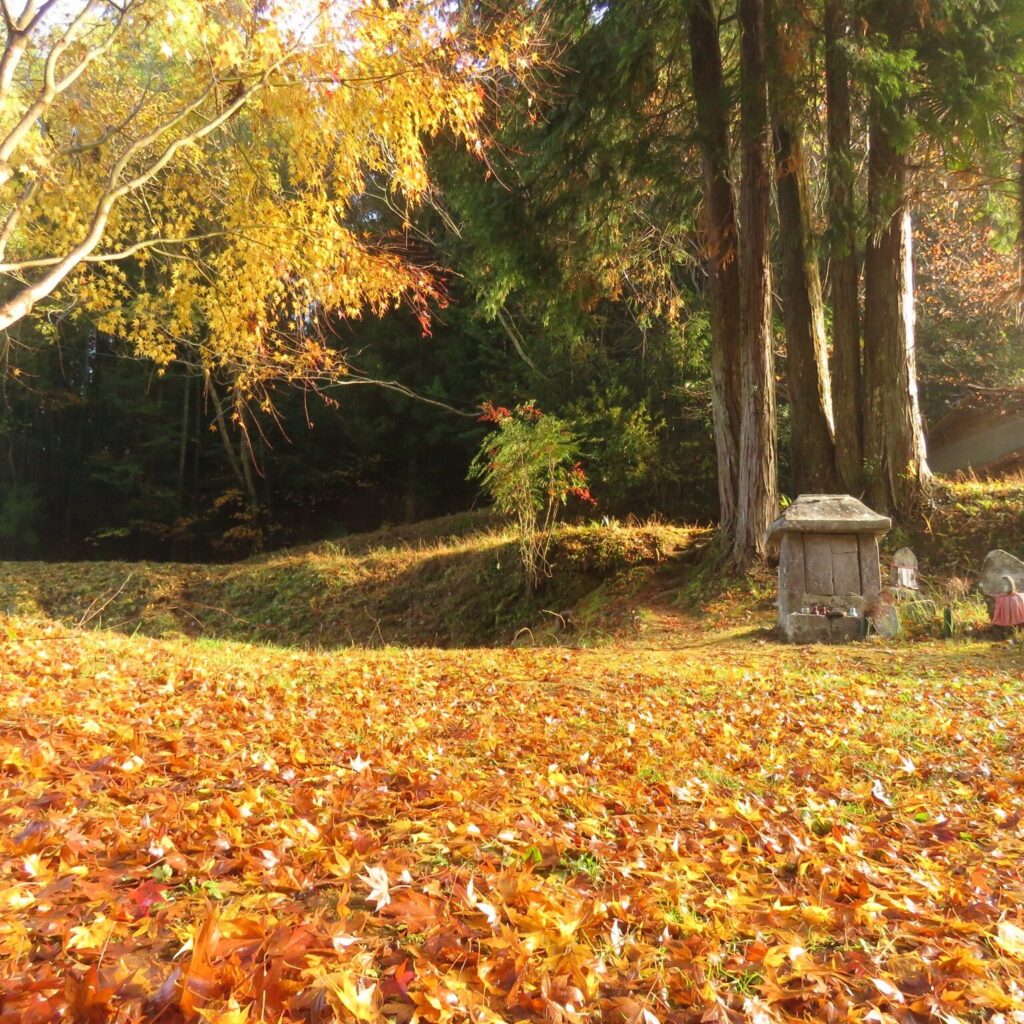
Why Time Matters More Than Location
Most photography trips to Japan are built around movement.
Tokyo. Kyoto. Osaka.
A few days in each place, capturing what you can before moving on.
It works—if your goal is to collect images.
But if your goal is to create something deeper,
you may need to approach photography differently.
The Problem with Short Trips
Photography is often treated as something immediate.
You arrive.
You shoot.
You leave.
But meaningful images often require something else:
- Time to return
- Time to observe
- Time to understand
Places like Koyasan or the forests of the Kumano Kodo are not just visually compelling.
They are environments shaped by centuries of belief and repetition.
And that kind of depth does not reveal itself instantly.
What Changes When You Slow Down
When you stay longer, photography shifts from capturing to understanding.
Silence Becomes Part of the Image
Okunoin of Koyasan
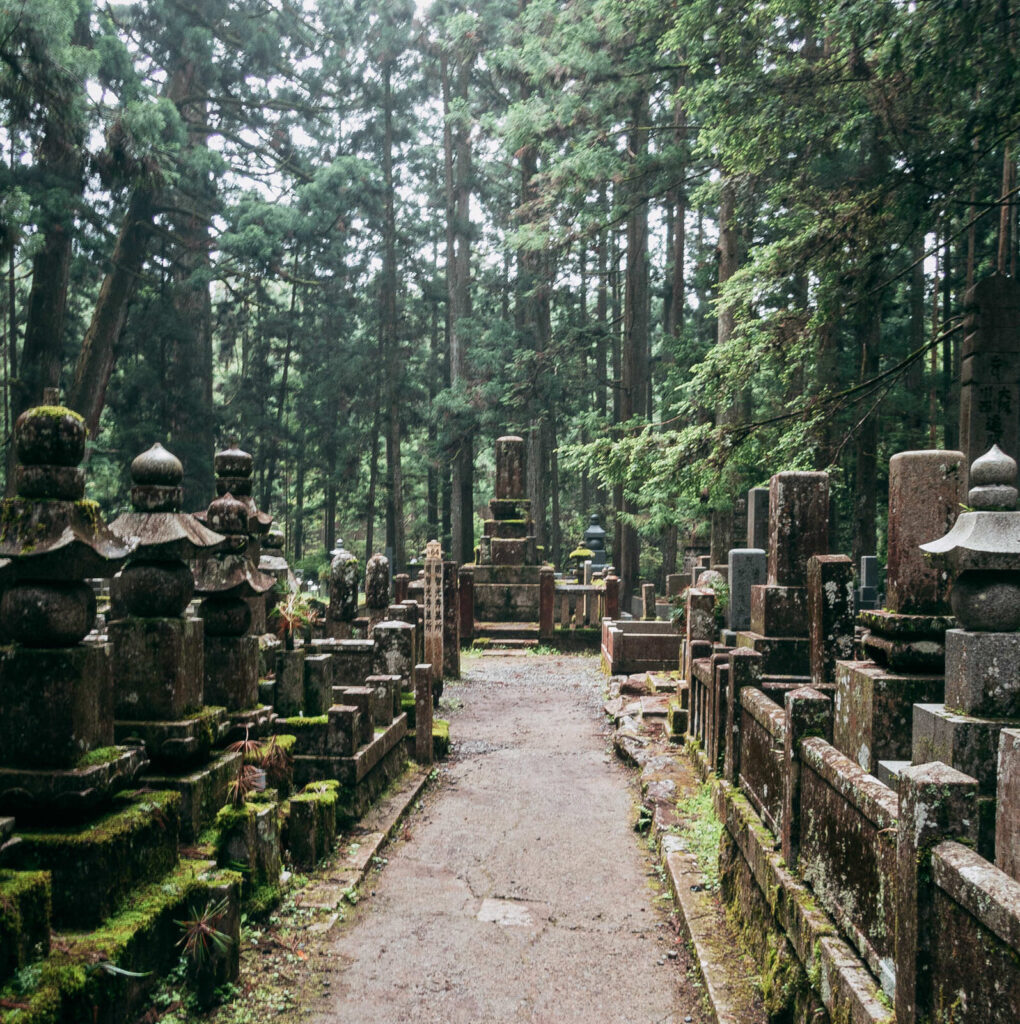
In places like Okunoin, the atmosphere is not defined by a single visual element.
It is shaped by:
- The density of the forest
- The filtered light
- The quiet presence of history
You do not simply photograph such a place.
You spend time in it—until the image begins to form naturally.
Water Shapes the Landscape
Kozagawa
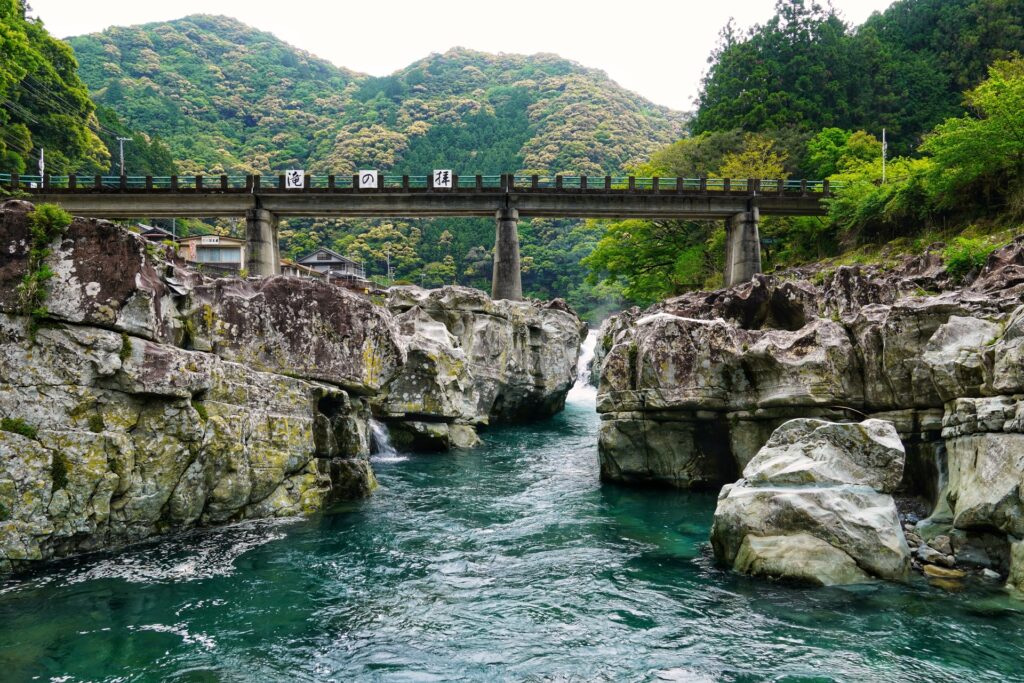
Rivers are never still.
Along Kozagawa River, the landscape is constantly reshaped by:
- Flowing water
- Changing reflections
- Weather and light
You can photograph it once.
Or you can return—again and again—until you begin to understand its rhythm.
Landscapes Change with Light, Not Just Form
Nachi Waterfall
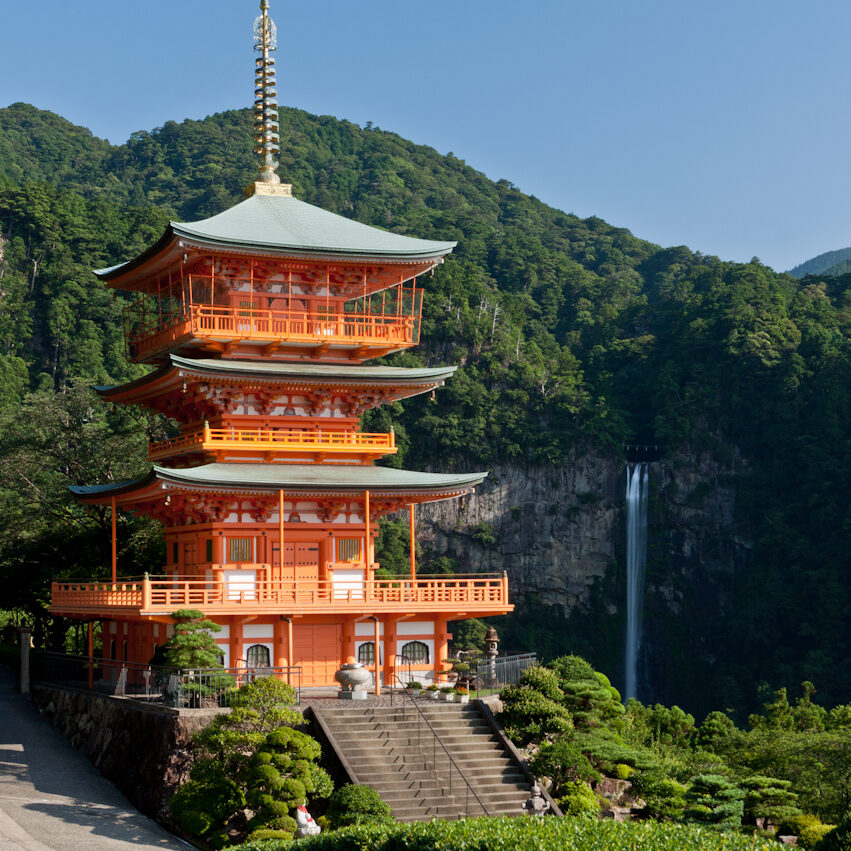
At first glance, iconic locations seem easy to photograph.
But places like Nachi Falls are constantly changing:
- Morning mist softens the scene
- Midday light reveals detail
- Rain transforms the atmosphere entirely
The subject is not the waterfall itself.
It is the interaction between water, light, and time.
Movement Becomes Narrative
Kumano Kodo
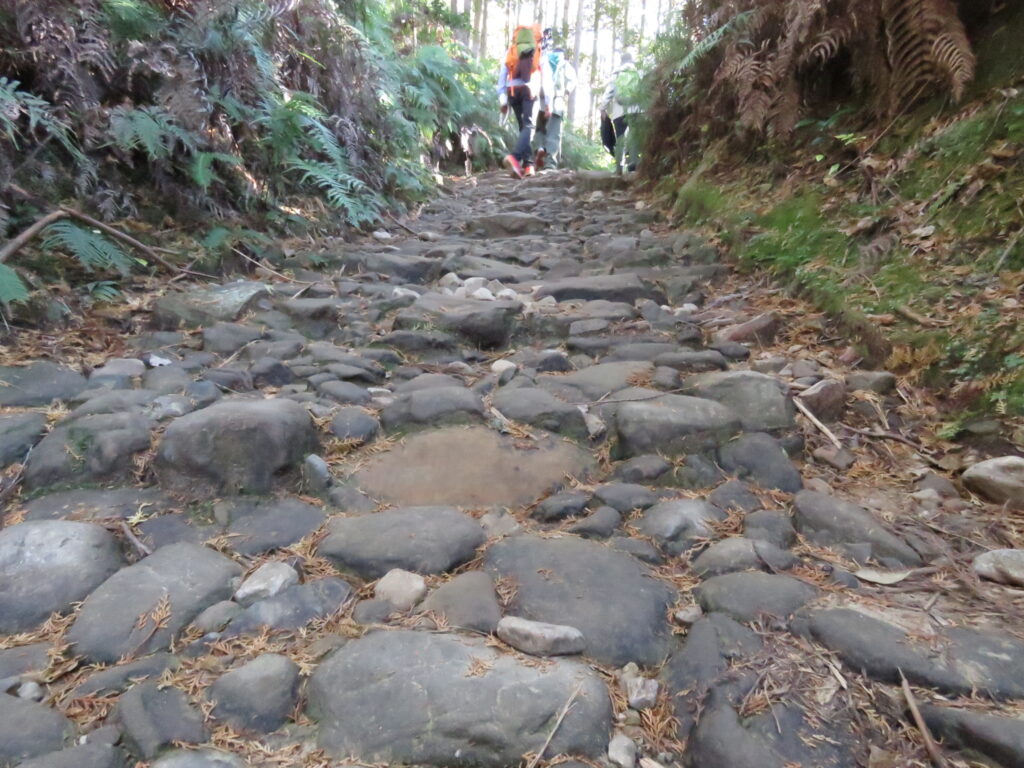
On the Kumano Kodo, photography is not just about place.
It is about movement:
- People walking
- Time passing
- The continuity of a path used for centuries
To capture this, you need more than a moment.
You need to spend time within the flow itself.
Photography as a Process
In fast travel, photography is about results.
In slower travel, it becomes a process:
- Observe
- Return
- Refine
This is where images begin to connect into something larger—
not isolated shots, but a body of work.
A Different Way to Experience Japan
Japan is often seen through its most iconic scenes.
But beyond those, there are places where:
- Time is visible
- Change is constant
- Meaning emerges slowly
Wakayama is one of those places.
→ For Those Working on Something More
If you are developing a project,
and need time, context, and space to create:
👉 Creative Residency in Wakayama
A place to create, not just stay
→ Explore the residency program
→ If You Have Limited Time
If you are interested in photographing these landscapes
but are traveling on a shorter schedule:
👉 Request a tailored photography-focused itinerary
→ Plan your time in Wakayama
Final Thought
You can visit many places.
But only a few allow you to stay long enough
to truly understand what you are seeing.
Photography is not just about where you go.
It is about how long you stay.
No responses yet