
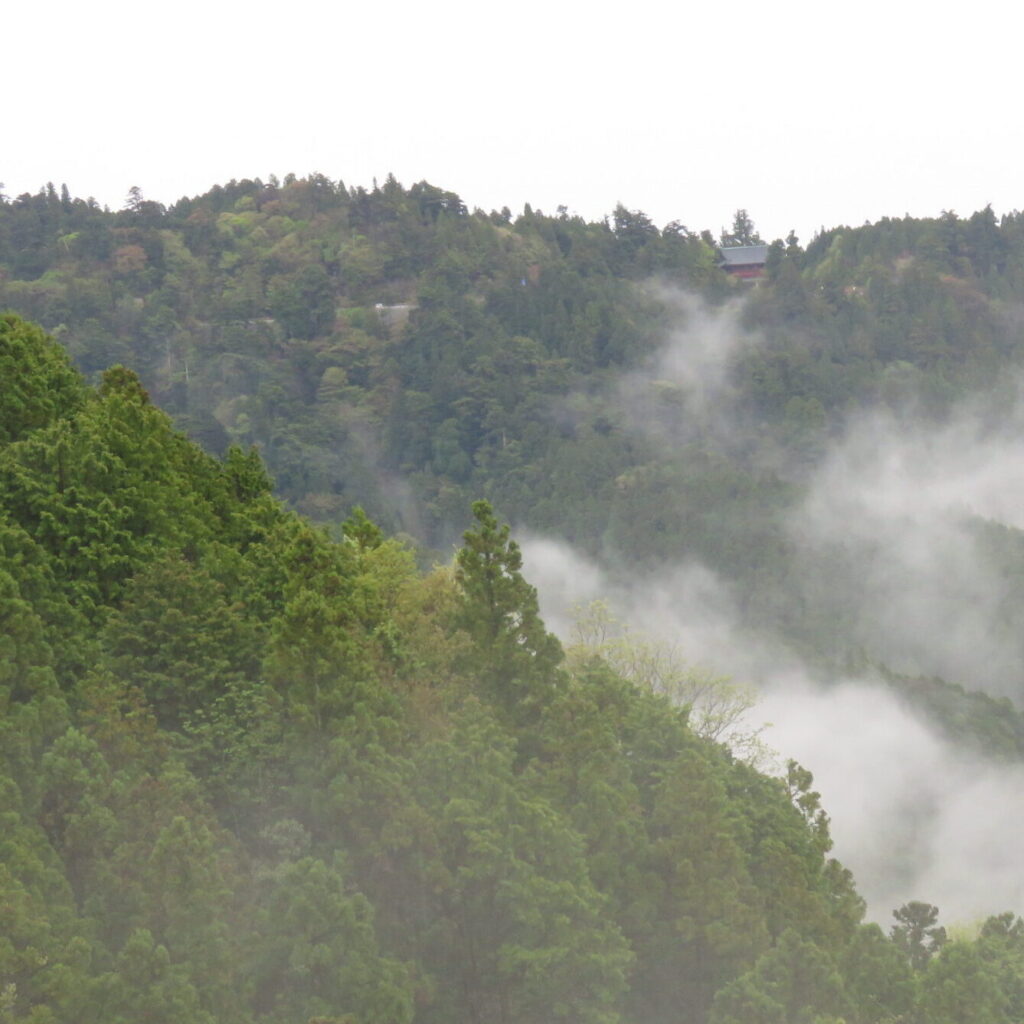
Most visitors to Koyasan follow a familiar route:
- Walk through Okunoin
- Visit Kongobuji Temple
- Explore Danjo Garan
And then they leave, feeling they’ve “done” Koyasan.
But the deeper reality is this:
Koyasan is not just a collection of famous sites—it is an entire landscape shaped by belief, restriction, power, and daily life over more than 1,200 years.
To understand it, you have to look beyond the obvious.
1. The Overlooked Entrance: Nyonindo Hall
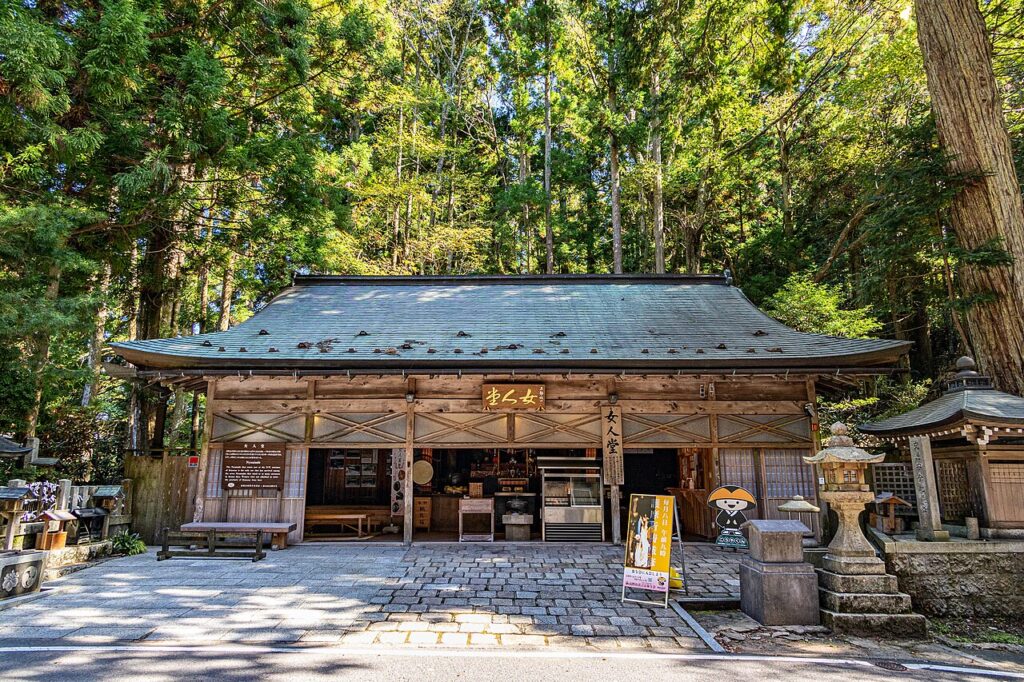
Before modern times, women were not allowed to enter the sacred center of Koyasan.
Instead, they came as far as the Nyonindo (Women’s Hall):
- A place of prayer at the threshold of the sacred
- A point of separation between “inside” and “outside”
- The starting point of the Nyonin Michi
👉 This is not just a historical detail—it reshapes how you see Koyasan:
- Who was allowed in
- Who was excluded
- How devotion adapted to restriction
Walking Koyasan without this context means missing an entire dimension of its history.
2. A Different Kind of Sacred Space: Kongosanmai-in Temple
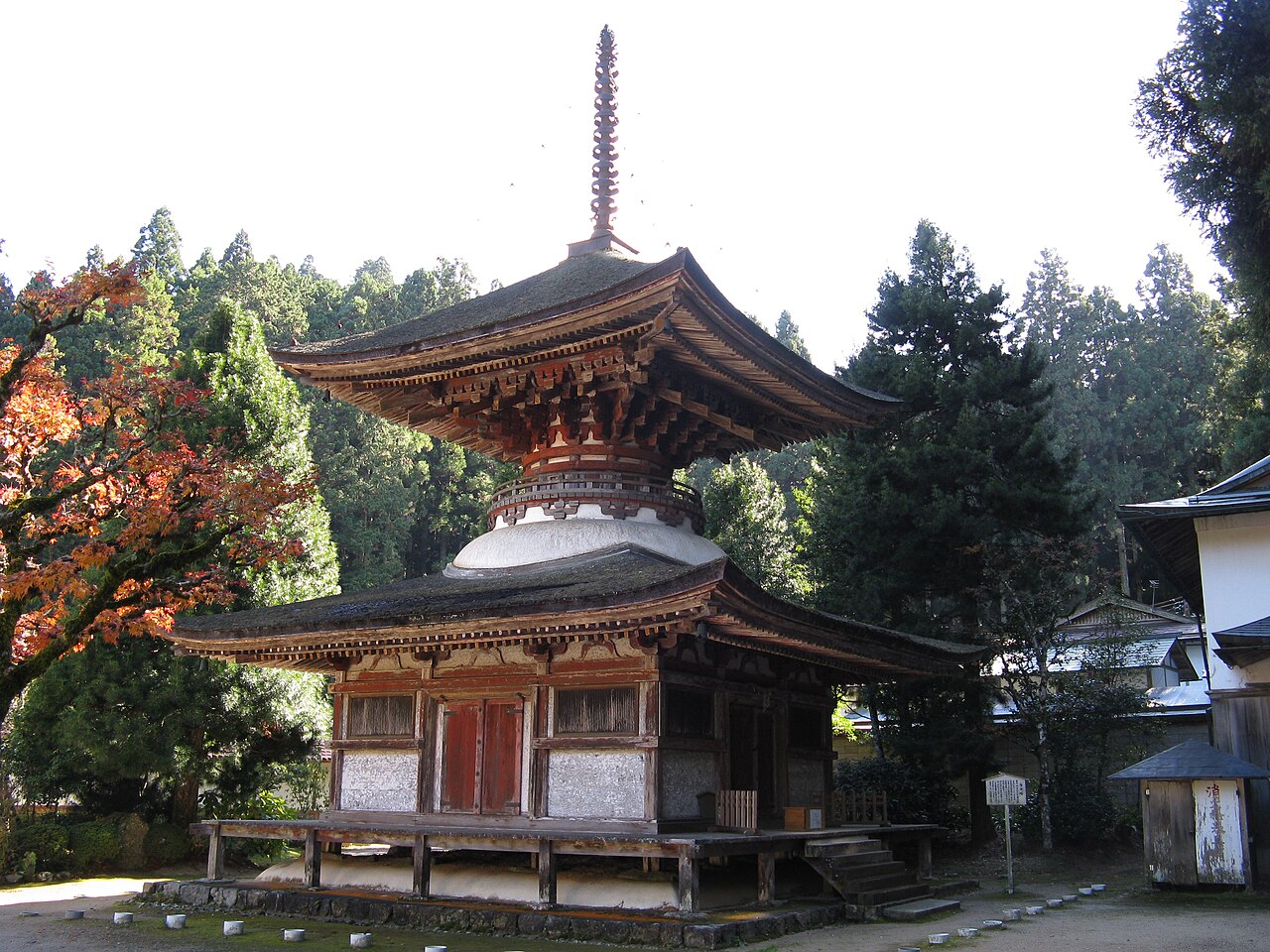
While large complexes like Danjo Garan express grand cosmology,
Kongosanmai-in offers something quieter:
- A more intimate scale
- A focus on meditation and atmosphere
- One of Koyasan’s oldest surviving architectural forms
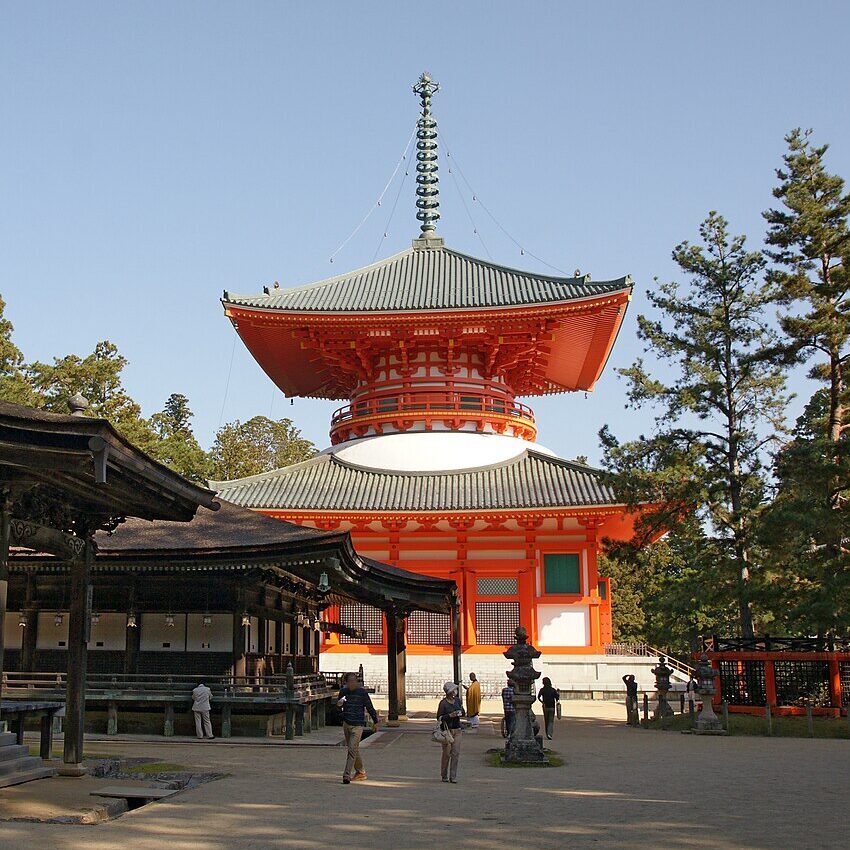
Its tahoto pagoda (a rare two-storied structure) reflects esoteric symbolism—but without the crowds.
👉 This is where Koyasan feels less like a destination
and more like a place of practice.
3. Power and Patronage: Tokugawa Mausoleum
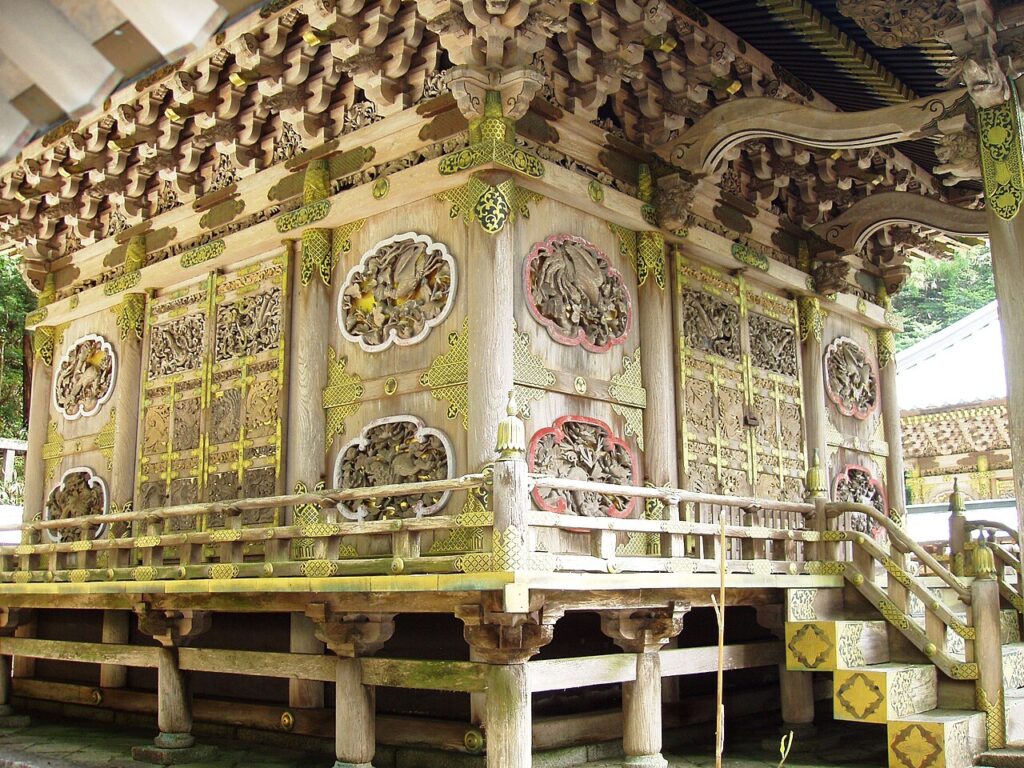
Hidden in the forest is a very different expression of Koyasan:
The Tokugawa Mausoleum, dedicated to Tokugawa Ieyasu and Hidetada.
- Lavish decoration
- Bold colors and carvings
- A strong contrast to the simplicity of other temples
👉 This reveals another layer of Koyasan:
- It was not only spiritual—it was political
- Supported by the most powerful rulers in Japan
- Integrated into the national power structure
Without visiting places like this, it’s easy to imagine Koyasan as isolated.
In reality, it was deeply connected to the wider world.
4. The Pilgrimage Landscape: More Than a Destination
Choishi Michi
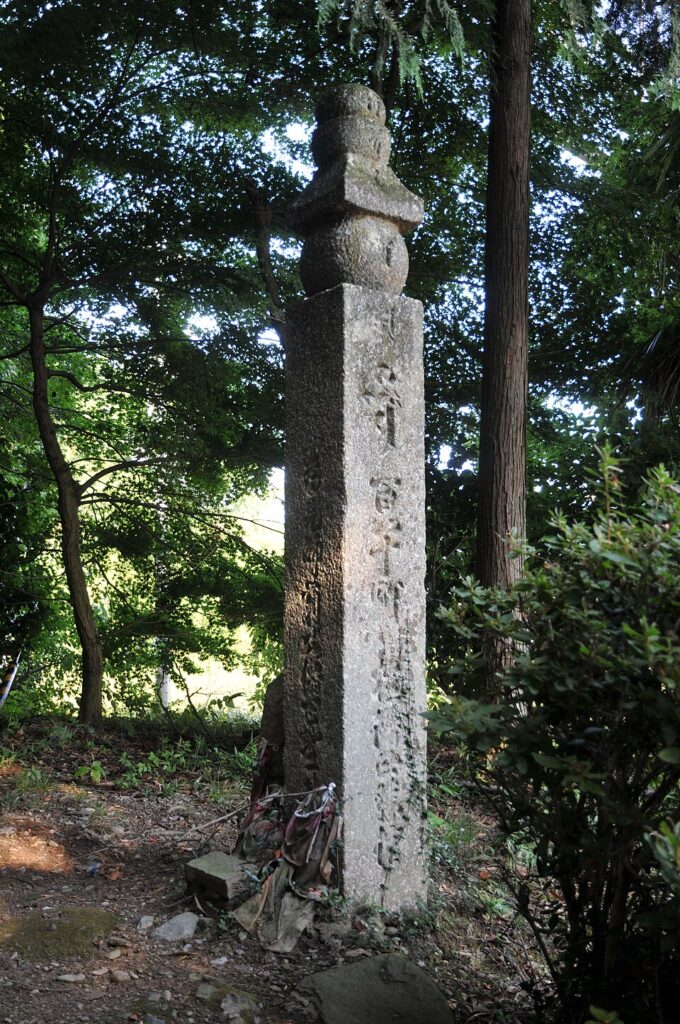
Koyasan was never meant to be reached quickly.
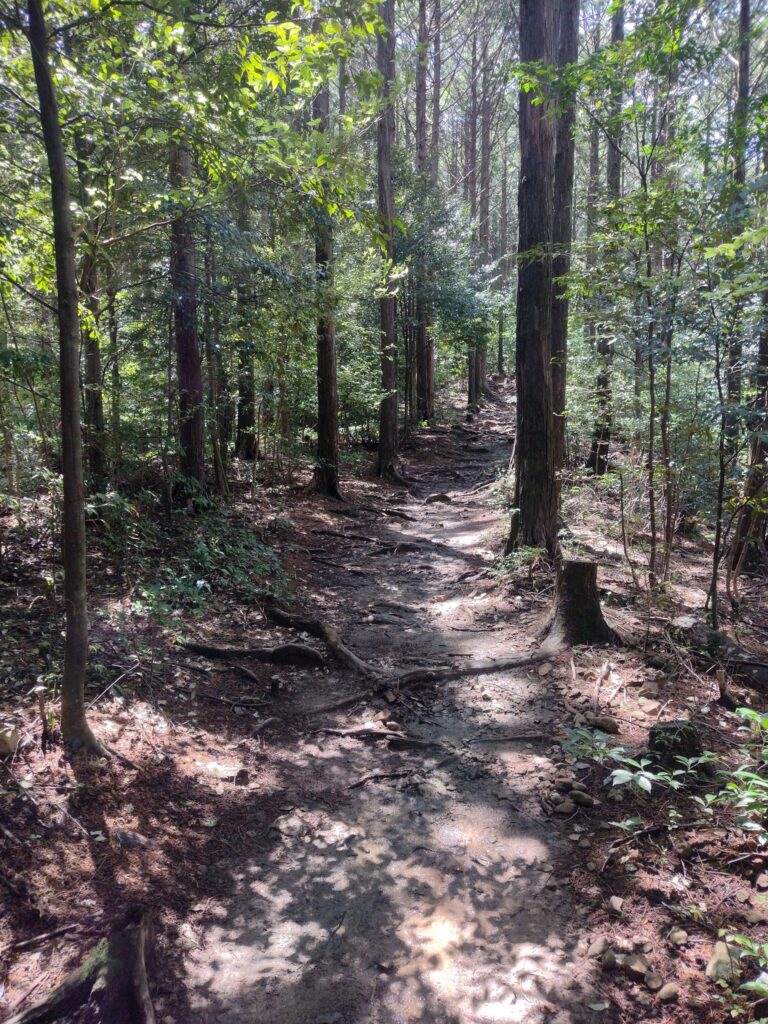
The Choishi Michi trail:
- Guides pilgrims with stone markers
- Creates a gradual transition into sacred space
- Builds meaning through movement
👉 It turns arrival into a process, not an event.h.
Nyonin Michi
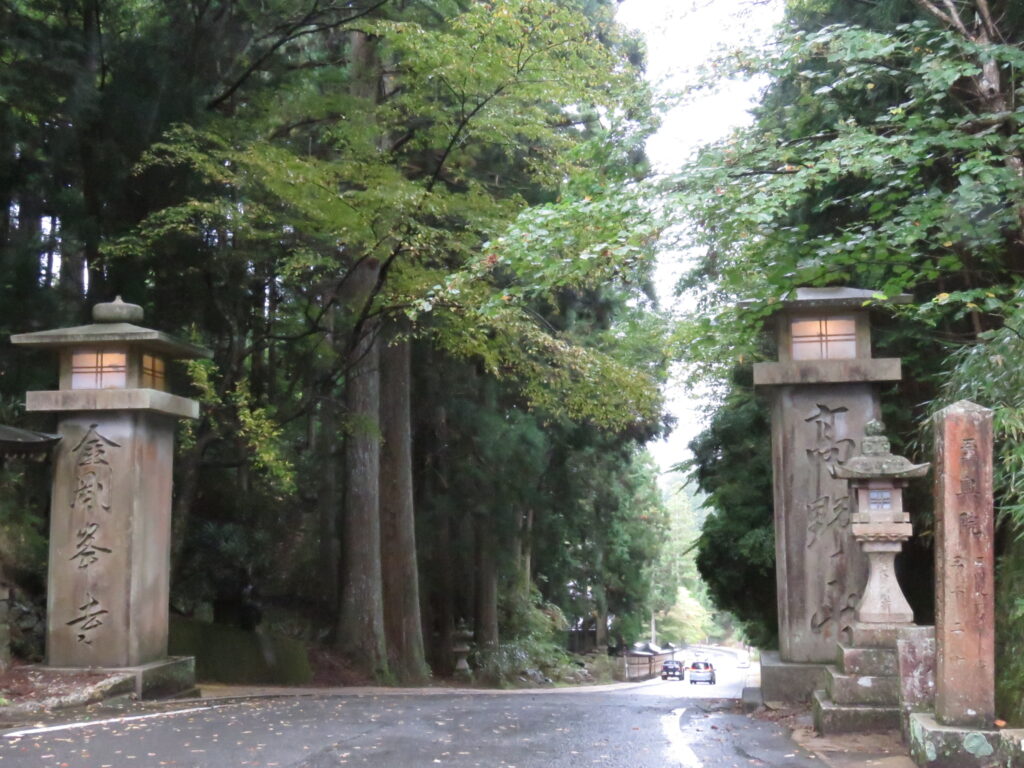
Until the early 20th century, women were prohibited from entering Koyasan. Consequently, “Women’s Halls” (Nyonin-do) were built at the various entrances to the mountain to provide lodging for women visiting to worship.
The Nyonin-michi refers to the pilgrimage route connecting these halls. Encircling the sacred Okunoin area like the petals of a lotus flower, this path has been walked by pilgrims continuously since ancient times, and it remains a route that attracts a steady stream of walkers to this day.
5. Koyasan as a Living Town: Koya Town
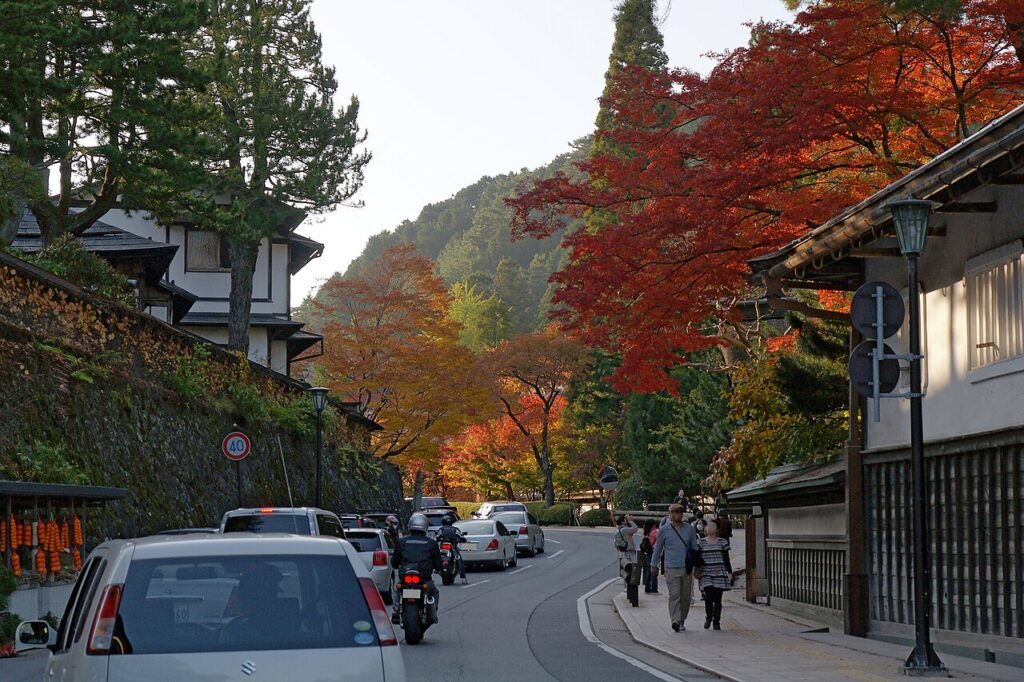
Koyasan is not just “the mountain.” This religious town has a history intertwined with that of Mount Koya; monks make up approximately 30 percent of its population of around 2,600. It is lined with 117 temples and shops featuring traditional Japanese architecture.
It is also a town that has grown with it for over a millennium.
- Monks, residents, and visitors coexist
- Temple lodgings (shukubo) function as both religious and hospitality spaces
- Daily life continues alongside pilgrimage and tourism
👉 The sacred here is not separate from life—it is woven into it.
6. What This Changes About Your Visit
When you include these places—Nyonindo, Kongosanmai-in, Tokugawa Mausoleum, and the wider town—Koyasan shifts from:
- A checklist of famous spots
to:
👉 A complex, lived landscape shaped by belief, restriction, politics, and continuity
You begin to see:
- Not just what is visible
- But how everything connects
My Approach: Interpreting the Whole Landscape
Most itineraries focus on efficiency:
- Main sites
- Quick explanations
- Limited context
I take a different approach:
👉 I guide you through Koyasan as a complete system
Including:
- Major sites and their deeper meaning
- Lesser-known temples and halls
- Social and historical context (like women’s pilgrimage routes)
- Political and cultural layers (such as Tokugawa patronage)
- The lived reality of Koya Town today
Suggested Experience
👉 Koyasan Hidden & Spiritual Insight Tour (Private)
- Duration: 6–8 hours
- Focus: Depth, interpretation, and overlooked layers
- Includes: Major sites + hidden locations + contextual storytelling
Continue the Story Beyond Koyasan
Koyasan is one chapter in a much larger narrative.
You may also be interested in:
- Kumano Kodo pilgrimage routes
- Yuasa soy sauce heritage (birthplace of shoyu)
- Rural Wakayama life and traditions
👉 Together, they reveal a consistent theme:
A rhythm of life that continues across places, centuries, and communities.
Ready to Experience the Full Koyasan?
👉 Plan your private experience or request a custom itinerary
Final Thought
If you only visit the highlights,
Koyasan is a beautiful destination.
If you explore its hidden layers,
it becomes something much richer:
👉 A living landscape where spirituality, society, and history continue to unfold together.
Other Regions of Northeast in Wakayama
- Beyond Koyasan: Cycling Through the Gateway Towns of Kudoyama and Koyaguchi
- Hidden Sacred Landscapes Near Osaka
No responses yet