
Koyasan is easy to visit. Trains run smoothly, paths are well marked, and the main temples are all accessible.
But here’s the uncomfortable truth most travel sites won’t tell you:
Many visitors leave Koyasan without really understanding what they just saw.
So instead of asking “Is Koyasan worth a guide?”
Let’s ask the more important question:
👉 What kind of experience do you actually want?
What Most Visitors Experience (Without a Guide)
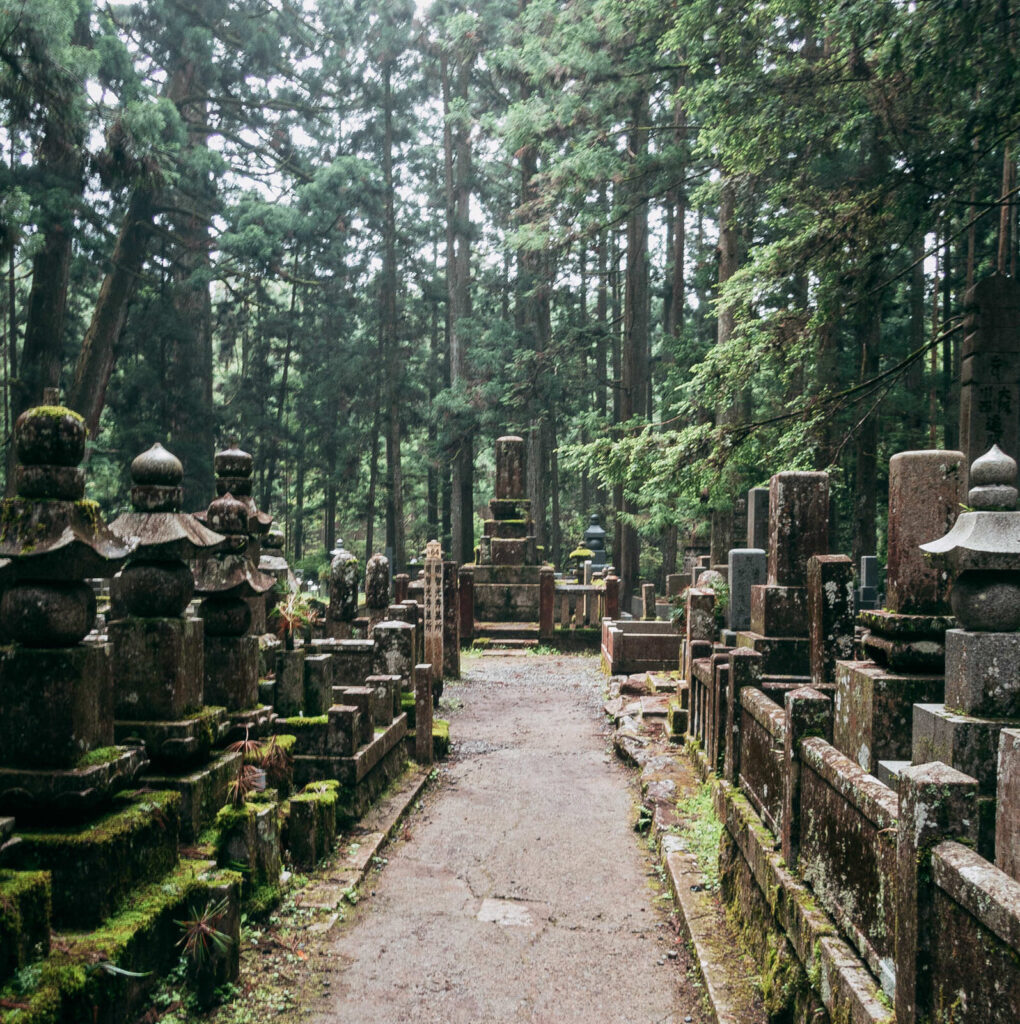
- Walk through Okunoin
- Visit Kongobuji Temple
- Take photos at Danjo Garan
- Stay overnight in a temple
It’s beautiful. Atmospheric. Memorable.
But often:
- The meaning of symbols is unclear
- The connection between sites is missing
- The deeper philosophy is invisible
👉 You see Koyasan—but you don’t decode it.
What Changes With a Guide
1. You Start Seeing the Hidden Mandala
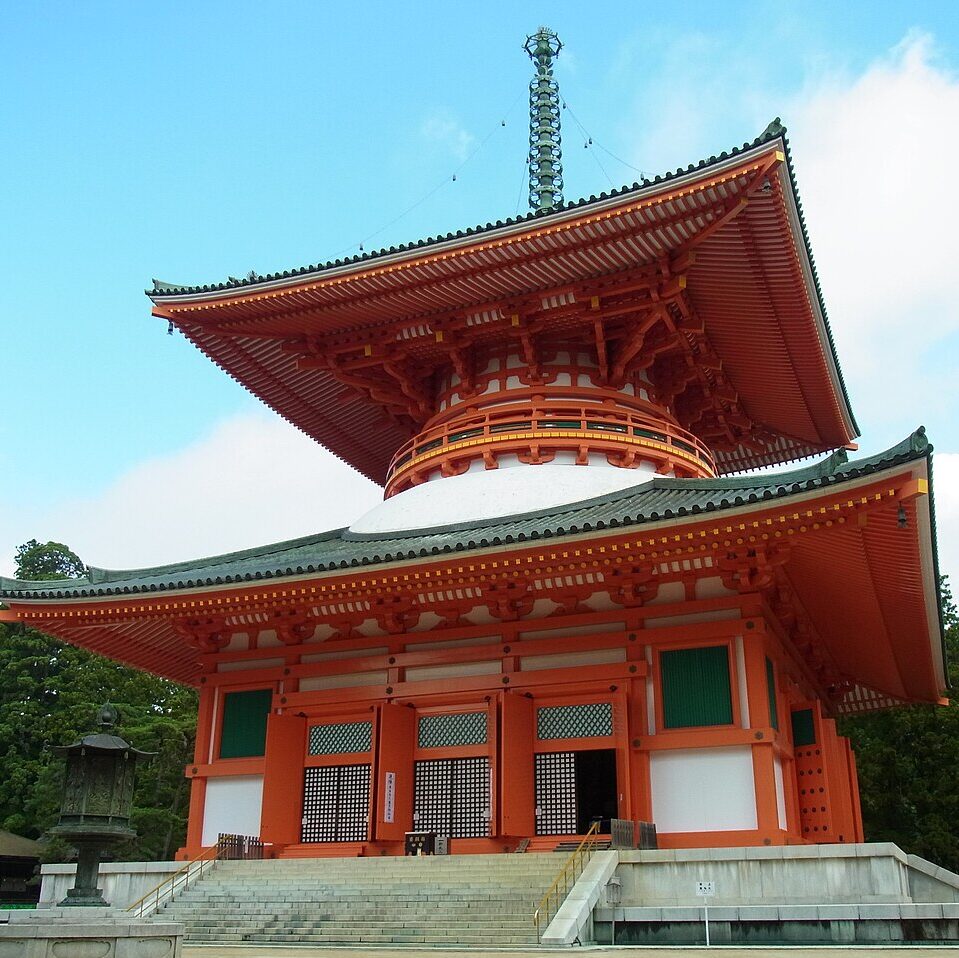
Koyasan is the center of Shingon Buddhism.
At Danjo Garan:
- The Konpon Daito represents the cosmic center
- The entire complex functions as a walkable mandala
- Architecture = philosophy made physical
👉 Without explanation: a temple complex
👉 With guidance: a map of the universe you walk through
Related Post:
Self-Guided vs Guided Koyasan: Which Experience Is Right for You?
2. You Understand the “Rhythm of Life”
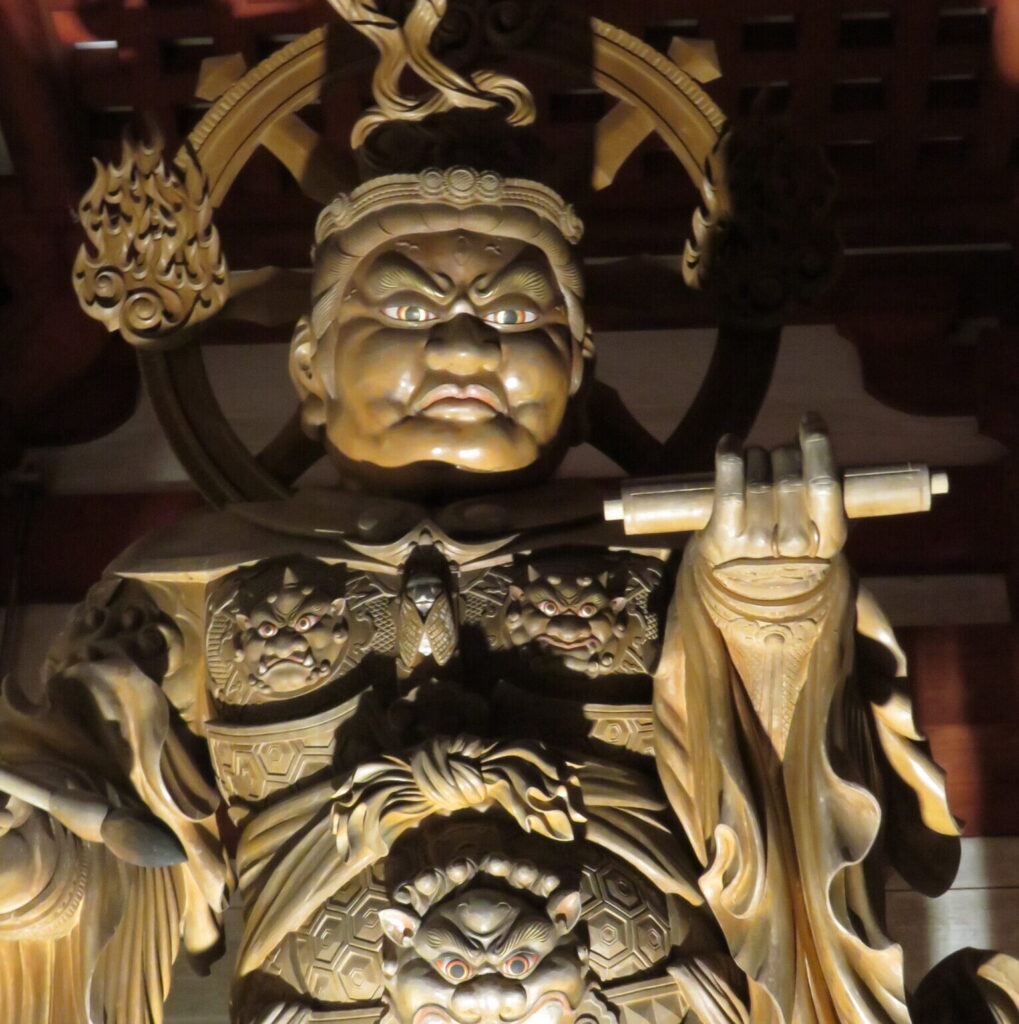
Koyasan has burned and been rebuilt multiple times.
This isn’t a flaw in its history—it’s the point.
- Destruction → rebuilding
- Loss → continuation
- Impermanence → renewal
👉 This is the living rhythm of Japanese spirituality
A guide connects what you see today to 1,200 years of continuity, not just isolated buildings.
Related Post:
Why We Need a “Rhythm of Life” in Our Travels Today
3. Okunoin Becomes a Story, Not Just a Walk
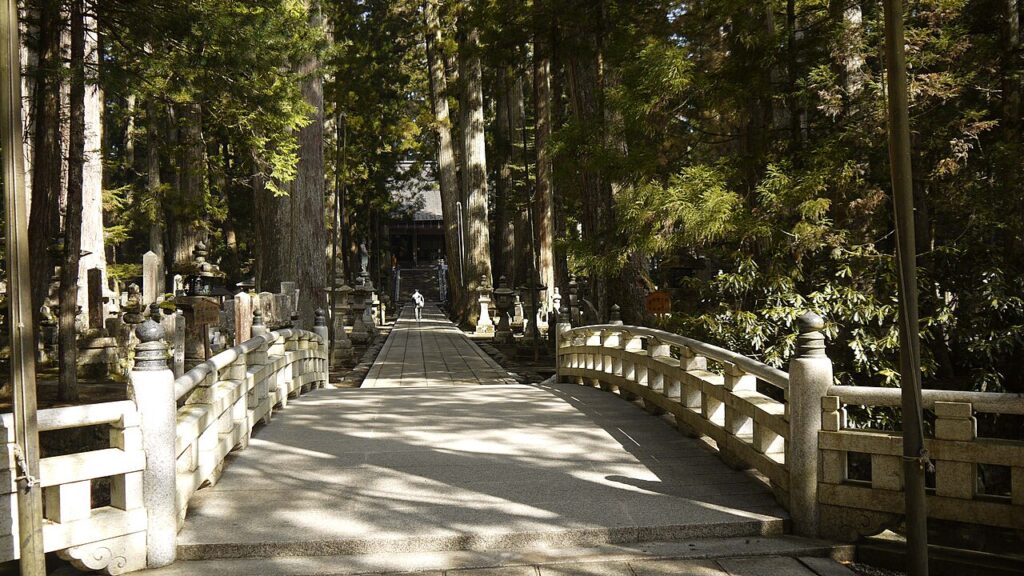
At Okunoin:
- Kukai is believed to still be in eternal meditation
- The path represents a journey into a sacred realm
- Every statue, bridge, and monument has meaning
👉 Without context: a quiet, beautiful forest
👉 With context: a narrative about life, death, and salvation
4. You Discover What Most People Missolitics, and Abstraction
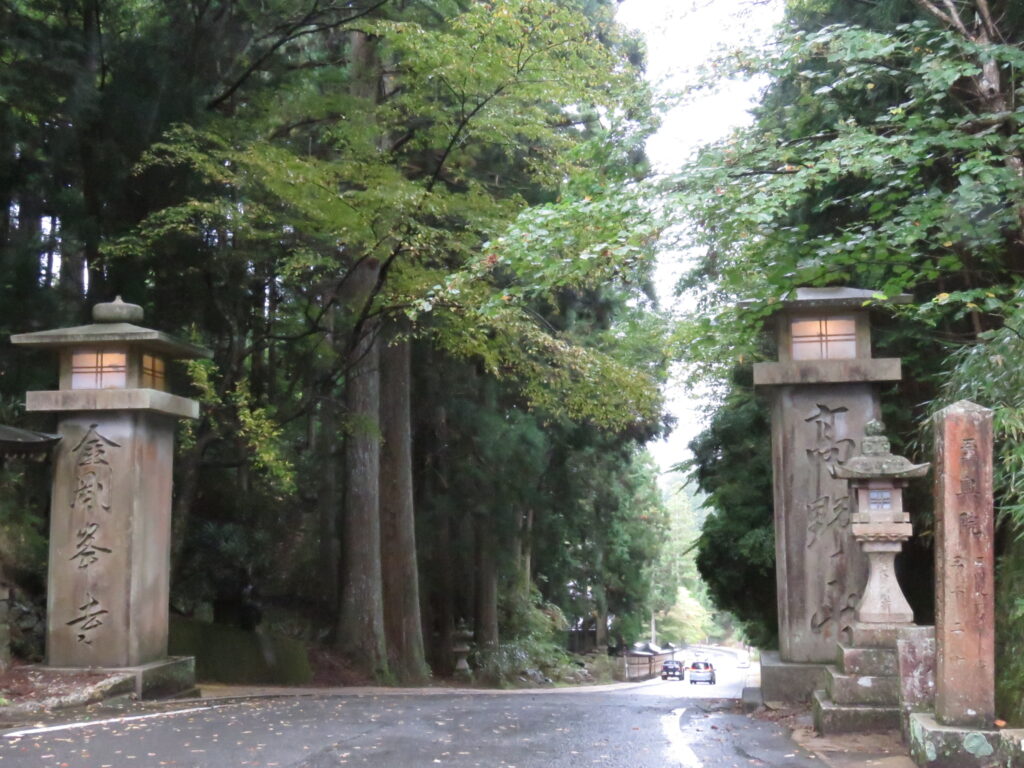
Beyond the famous sites:
- Hidden statues for forgotten souls
- Fragments from earlier temple structures
- Quiet corners where daily religious life continues
👉 These are rarely explained—but they often leave the strongest impression.
5. You Experience Koyasan as a Journey, Not a Destinations
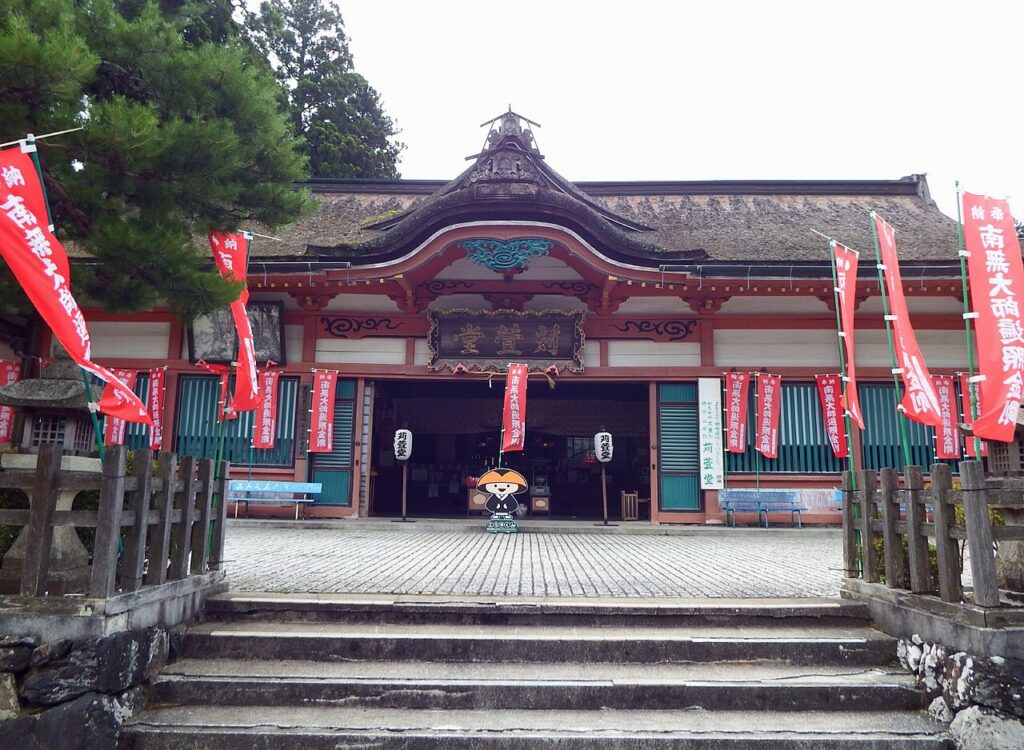
Beyond the main attractions, Koyasan is full of subtle traces:
- Small Jizo statues for forgotten souls
- Fragmented stone relics from older structures
- Minor temples with unique histories
- Quiet corners that reflect everyday religious life
These are rarely explained in guidebooks.
👉 A knowledgeable guide can connect these fragments into a continuous story of lived religion.
Related Post:
Don’t Go Straight to Koyasan or Kumano from Osaka
6. Pilgrimage Trails: Walking the Sacred Geography
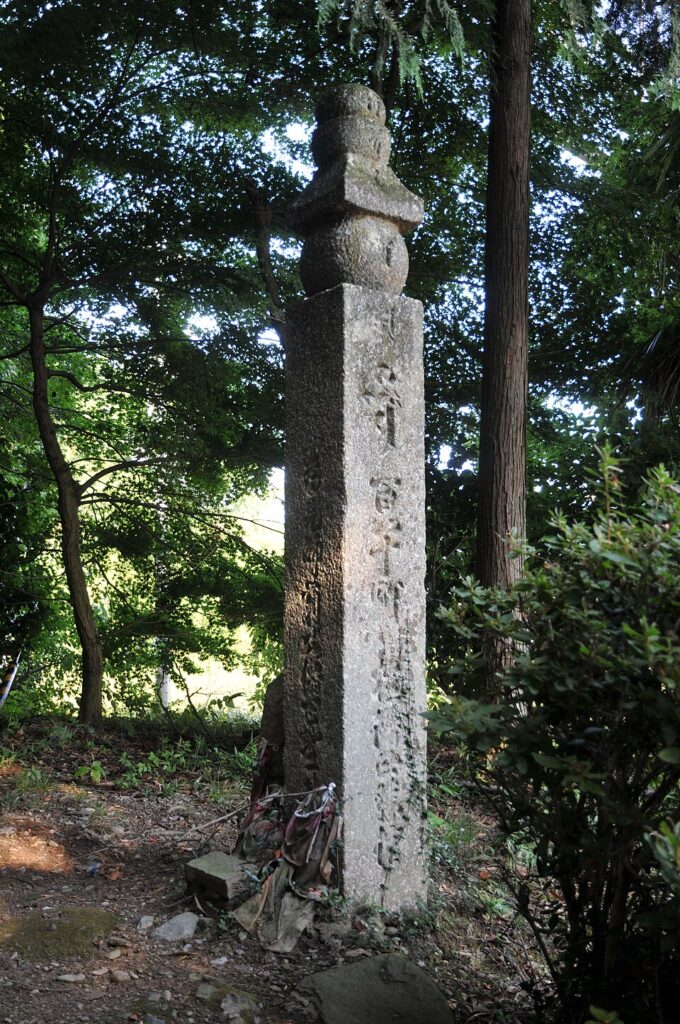
Choishi Michi & Nyonin Michi
The true approach to Koyasan is not just arrival—it’s pilgrimage.
- Choishi Michi
- Nyonin Michi
These trails reveal:
- Physical devotion
- Social history (including women’s restricted access)
- The relationship between landscape and belief
👉 With guidance, a hike becomes a reconstruction of historical experience
Related Post:
World Heritage Pilgrimage to Koyasan: From Human Prayer to Sacred Realization
So… Is Koyasan Worth a Guide?
You might NOT need one if:
- You just want to see the highlights
- You prefer independent exploration
- You’re short on time
A guide is absolutely worth it if:
- You want to understand why Koyasan exists
- You’re interested in meaning, not just scenery
- You want a connected story instead of disconnected sites
Our Approach: Beyond a Standard Koyasan Tour
Most tours focus on “covering the main spots.”
I do something different:
👉 I interpret Koyasan as a living system of belief, history, and landscape
My guided experience includes:
- The symbolic structure of Danjo Garan
- The deeper narrative of Okunoin
- The philosophy behind reconstruction and continuity
- Hidden layers beyond major attractions
- Optional pilgrimage walking elements
Suggested Experience
👉 Koyasan Spiritual Insight Tour (Private / Fully Guided)
- Duration: 6–8 hours
- Focus: Meaning, not just sightseeing
- Ideal for: Travelers who want depth, not checklists
Continue Your Journey Beyond Koyasan
Koyasan is powerful—but it becomes even more meaningful when connected to the wider region.
You may also be interested in:
- Kumano Kodo Pilgrimage Experience (walking the sacred routes)
- Yuasa Soy Sauce Heritage Tour (living fermentation culture)
- Wakayama Cultural Deep Dive (history + daily life + craft)
👉 These experiences extend the same themes you encounter in Koyasan:
- Continuity
- Ritual
- The rhythm of life
Ready to Experience Koyasan Differently?
👉 Plan your private Koyasan experience:
👉 Or contact me directly for a custom itinerary combining Koyasan with Kumano or Yuasa.
Final Thought
Koyasan is not difficult to visit.
But it is difficult to understand alone.
And that difference is what transforms your trip
from “I saw it” to “I experienced it.”
Read More About Koyasan
- World Heritage Pilgrimage to Koyasan: From Human Prayer to Sacred Realization
- The Full Journey to Koyasan: From Sacred Peak to Valley Towns
- The Hidden Side of Koyasan: Beyond Okunoin
- Sacred Art of Koyasan: Exploring Buddhist Architecture, Mandalas, and Hidden Treasures
No responses yet