
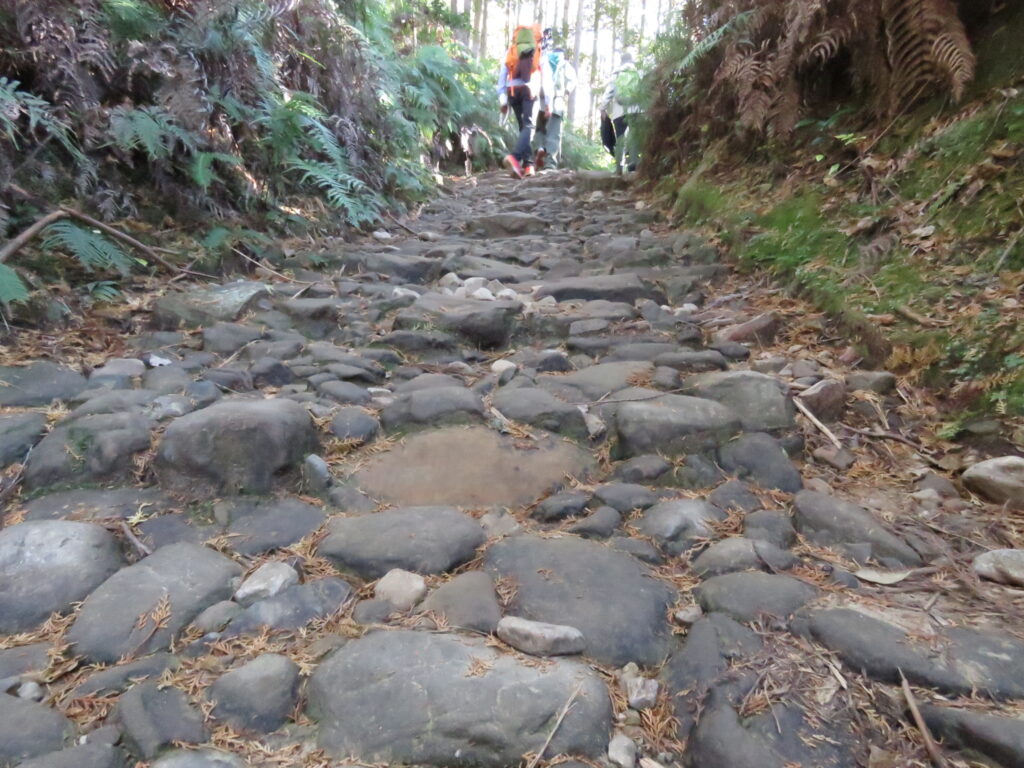
Walking the ancient trails of the Kumano Kodo is one of Japan’s most spiritual and rewarding travel experiences. But one key question often comes up: should you explore the Kumano Kodo on your own, or with a guide?
The answer depends on what kind of journey you are looking for—whether it is simply a hike through beautiful landscapes, or a deeper cultural and spiritual experience shaped by history, local stories, and interpretation.
What Is the Kumano Kodo Pilgrimage?
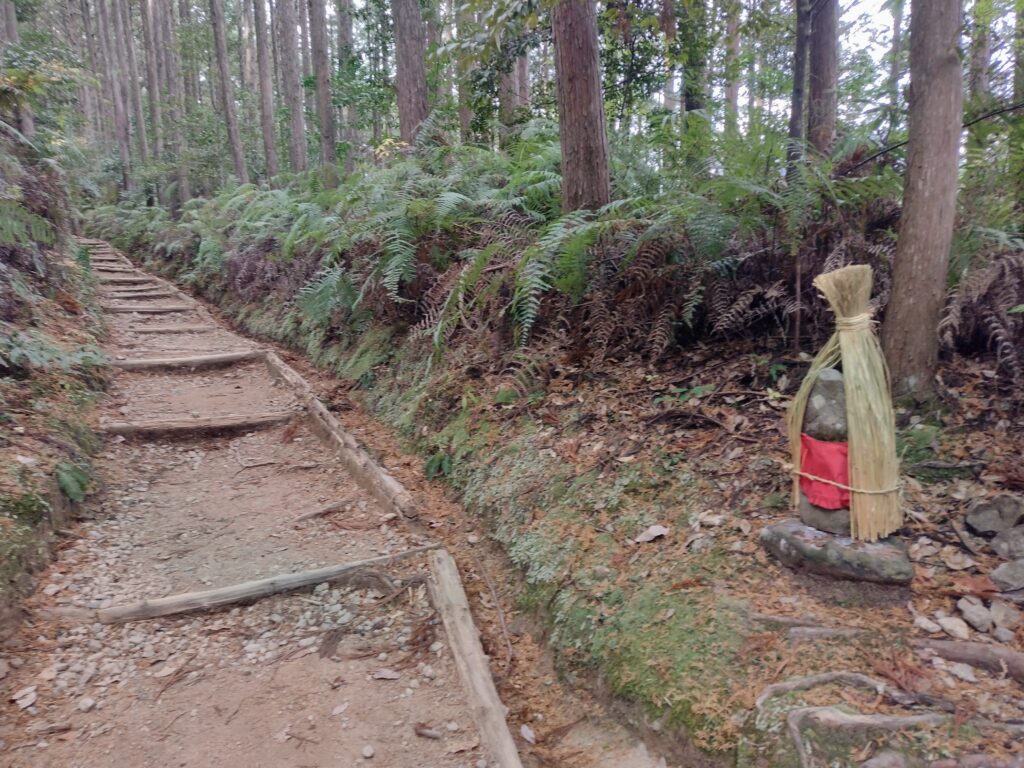
The Kumano Kodo is a network of sacred pilgrimage routes located in the mountains of the Kii Peninsula. For over 1,000 years, emperors, aristocrats, monks, and common people have walked these trails as part of a spiritual journey toward the Kumano Sanzan, the three grand shrines.
Today, it is recognized as a UNESCO World Heritage site and continues to attract pilgrims and travelers from around the world.
Related Post:
Kumano Kodo Guide: Walking Through Japan’s Living Traditions
A Unique Connection: Dual Pilgrimage with Santiago
The Kumano Kodo shares a rare and meaningful connection with the Camino de Santiago in Spain. These are the only two pilgrimage routes in the world recognized for a special shared tradition: if you complete both routes, you can receive the Dual Pilgrim credential and stamp.
This connection reflects a universal human desire—to walk, reflect, and search for meaning across different cultures and landscapes. For many travelers, walking the Kumano Kodo becomes part of a broader global spiritual journey.
Self-Guided Kumano Kodo: Pros and Cons
Pros
- Freedom to walk at your own pace
- Lower cost compared to guided tours
- Flexible itinerary and accommodation choices
Cons
- Navigation can be confusing in certain sections
- Limited understanding of cultural and spiritual meaning
- Logistics (transport, timing, luggage) can be stressful
- Easy to overlook important sites and stories
A self-guided walk is ideal for independent travelers who enjoy planning and exploration.
Guided Kumano Kodo Tour: Pros and Cons
Pros
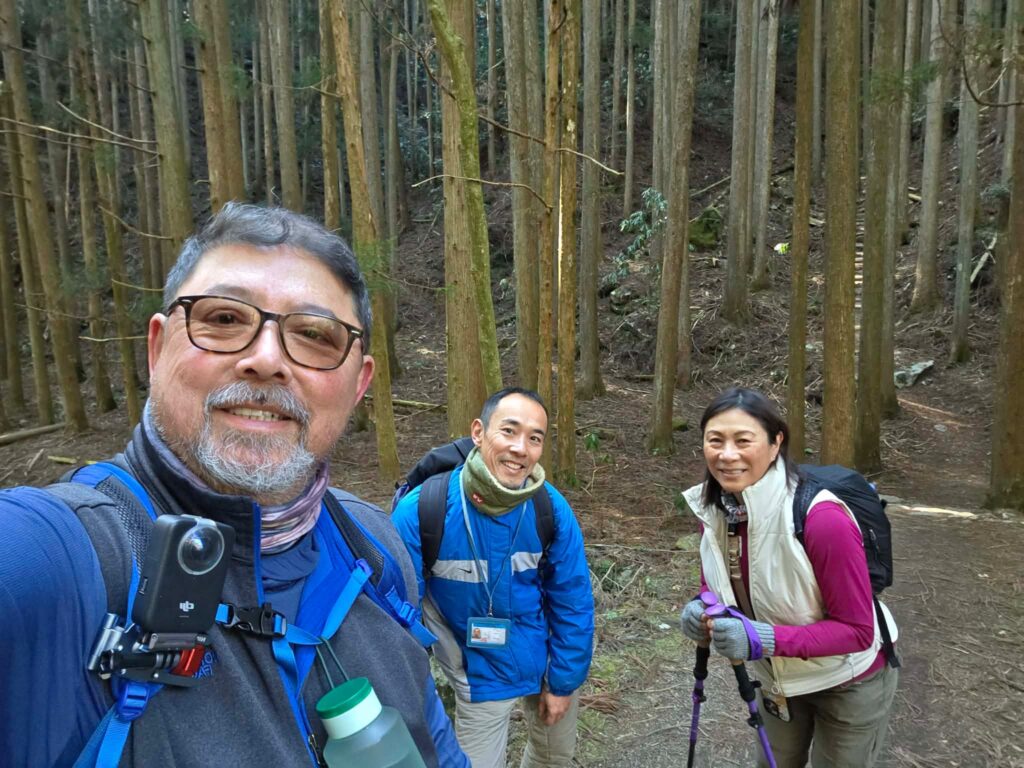
- Deep cultural and spiritual insights
- Understanding of concepts like Shinbutsu-shugo and local beliefs
- Stories behind shrines, rituals, and sacred landscapes
- No stress about navigation or logistics
- Flexible pacing based on your ability
👉 You don’t just walk the trail—you understand why it exists
Cons
- Higher cost
- Less independence
A guided experience transforms the journey from a physical activity into a meaningful narrative.
What You Cannot Experience Without a Guide
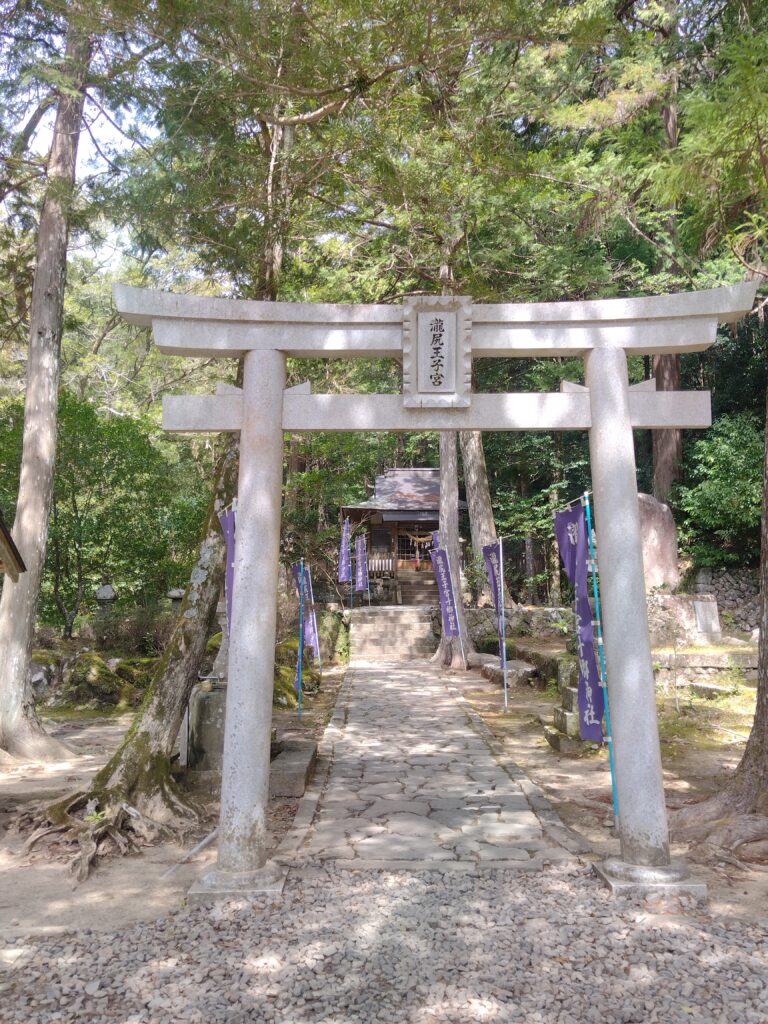
One of the biggest differences between a self-guided walk and a guided experience is not the path itself—but the meaning behind it.
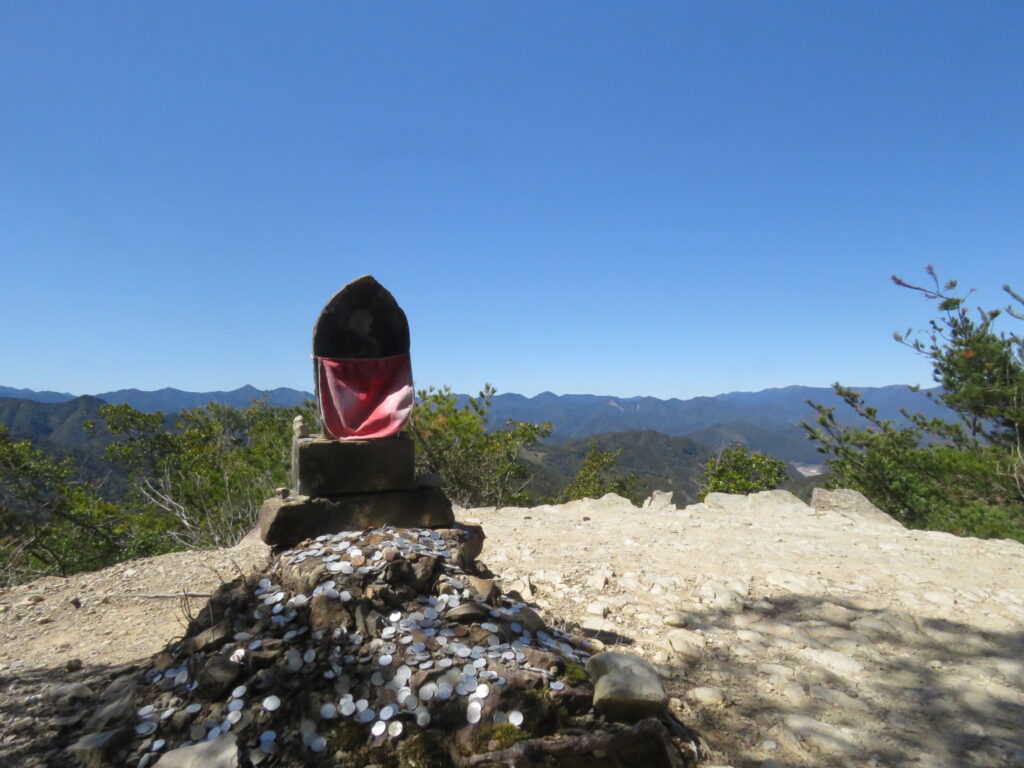
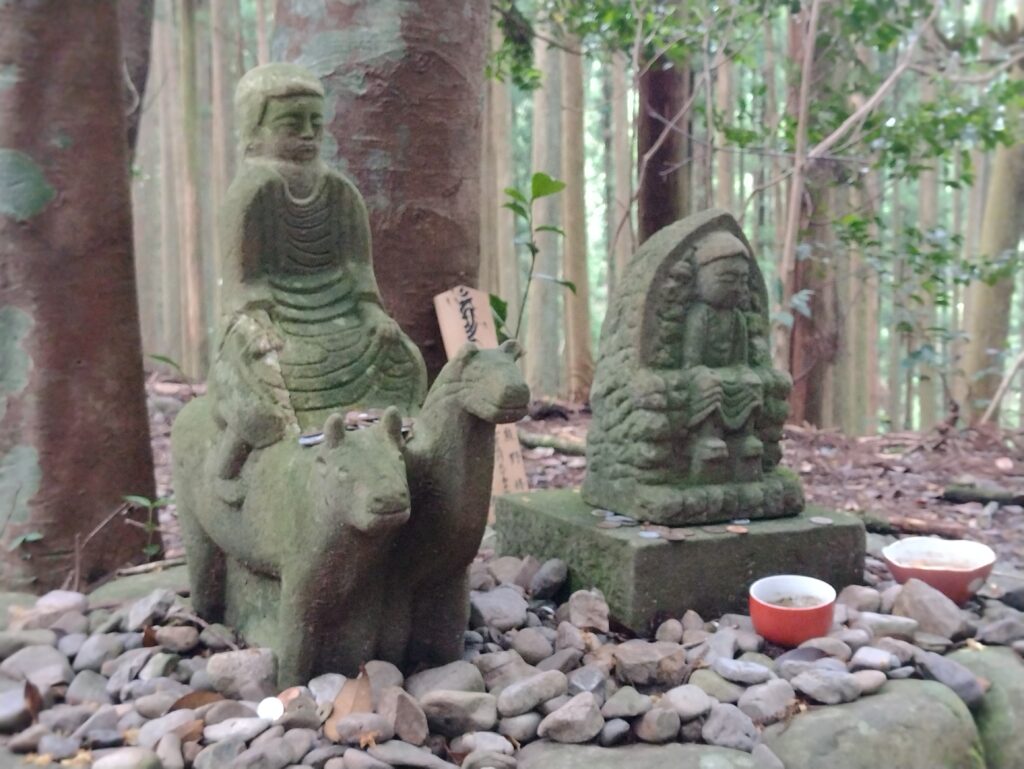
Along the Kumano Kodo, you will encounter shrines, stone markers, small altars, and sacred natural sites. Without context, they may seem like simple historical objects.
In reality, they represent layers of Japanese spirituality, including Shinbutsu-shūgō, a fusion of Shinto and Buddhism that shaped religious life in Japan for centuries; folk beliefs rooted in nature worship, where mountains, rivers, and trees are seen as sacred; and the practices of Shugendō, a spiritual tradition in which practitioners known as Yamabushi trained in the mountains through physical endurance and ritual.
In Japanese spirituality, nature itself is not separate from the divine—it is the dwelling place of it.
A guide helps you understand why a mountain is worshipped rather than just climbed, why a simple stone statue can hold spiritual meaning, and how pilgrims historically engaged with these landscapes.
Without this perspective, the Kumano Kodo can feel like a beautiful hike. With it, the journey becomes a living spiritual story shaped over more than a thousand years.s.
What You Might Not Expect
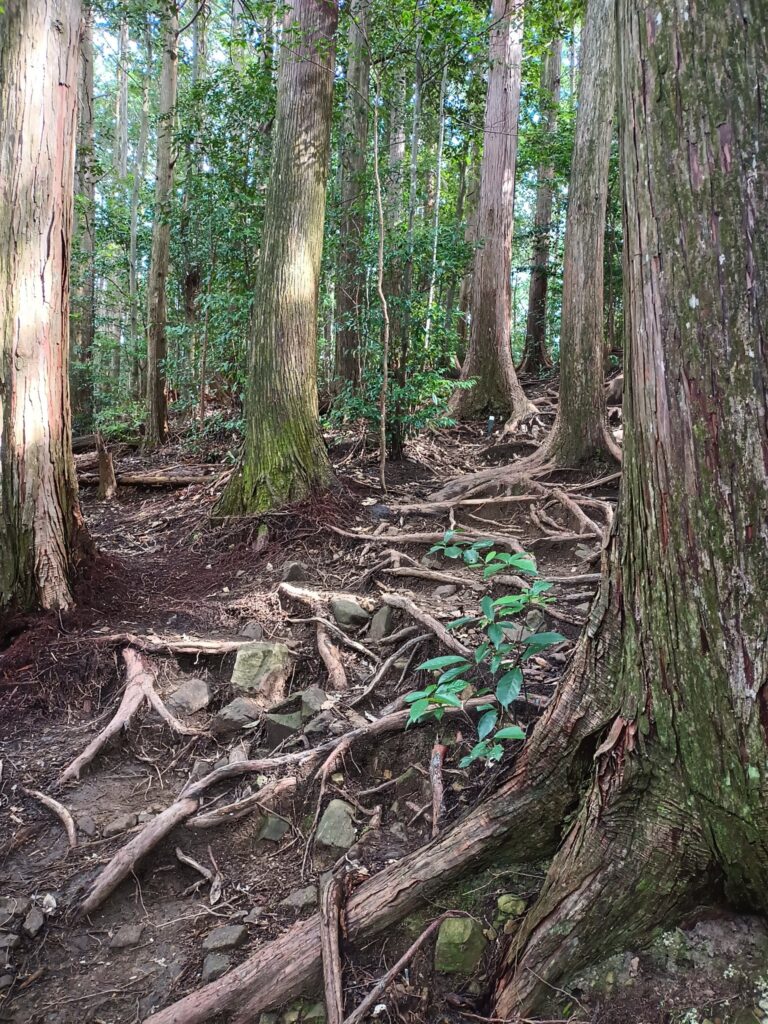
Many travelers imagine the Kumano Kodo as a clearly marked pilgrimage trail like those in Europe.
However:
- Some sections are not always easy to follow
- Weather and terrain can change quickly
- Cultural meaning is not visible without explanation
Without deeper context, it is easy to miss what makes this route truly special.
Related Post: How Difficult Is the Kumano Kodo?
Who Should Choose a Guided Tour?
A guided experience is especially valuable if you:
- Are visiting Japan for the first time
- Want to understand the spiritual and cultural meaning
- Prefer a stress-free journey
- Have limited time and want to maximize your experience
- Are interested in stories, not just scenery
So, Which Should You Choose?
- Choose self-guided if you value independence and flexibility
- Choose guided if you want deeper meaning and understanding
Both options can be rewarding—but they offer very different experiences.
Experience the Kumano Kodo Beyond Just Hiking
Walking the Kumano Kodo is not just about reaching a destination.
It is about stepping into a world where:
- religions blend together
- nature is sacred
- and every step carries meaning
👉 If you want to experience not only the trail, but the beliefs and stories behind it, a guided journey makes all the difference.
Explore with a Local Guide
- Personalized pacing
- Cultural and spiritual storytelling
- Deeper connection to the landscape
→ Discover our Kumano Kodo private guided experience here
Or Plan your unique custom Kumano tour
No responses yet