

Discover the Depth of Japan’s Plum Culture Through Taste, Time, and Craft
When many people first hear the word “umeshu,” they imagine a sweet plum liqueur served casually over ice.
But in Minabe and across southern Wakayama, umeshu represents something far deeper:
- A culture shaped by preservation and time
- A connection between fruit, fermentation, and craftsmanship
- A flavor profile with remarkable complexity
This experience is designed not simply as a tasting, but as a journey into the evolving world of Japanese plum culture.
Beyond Sweetness
The Complexity of Premium Umeshu
In recent years, bartenders, sommeliers, and chefs around the world have started paying attention to premium Japanese umeshu.
Why?
Because the best umeshu is not simply sweet.
Depending on the producer and aging method, it can reveal:
- Bright acidity
- Gentle bitterness
- Stone-fruit aromas
- Barrel notes
- Oxidative depth similar to aged wine or sherry
Some styles work beautifully as an aperitif.
Others pair naturally with cheese, seafood, or desserts.
This growing international interest has positioned umeshu as:
- A craft ingredient for cocktails
- A pairing alcohol for gastronomy
- A low-ABV alternative in fine dining
Rather than a novelty drink, premium umeshu is increasingly being appreciated as part of Japan’s broader fermentation culture.
Why Wakayama?
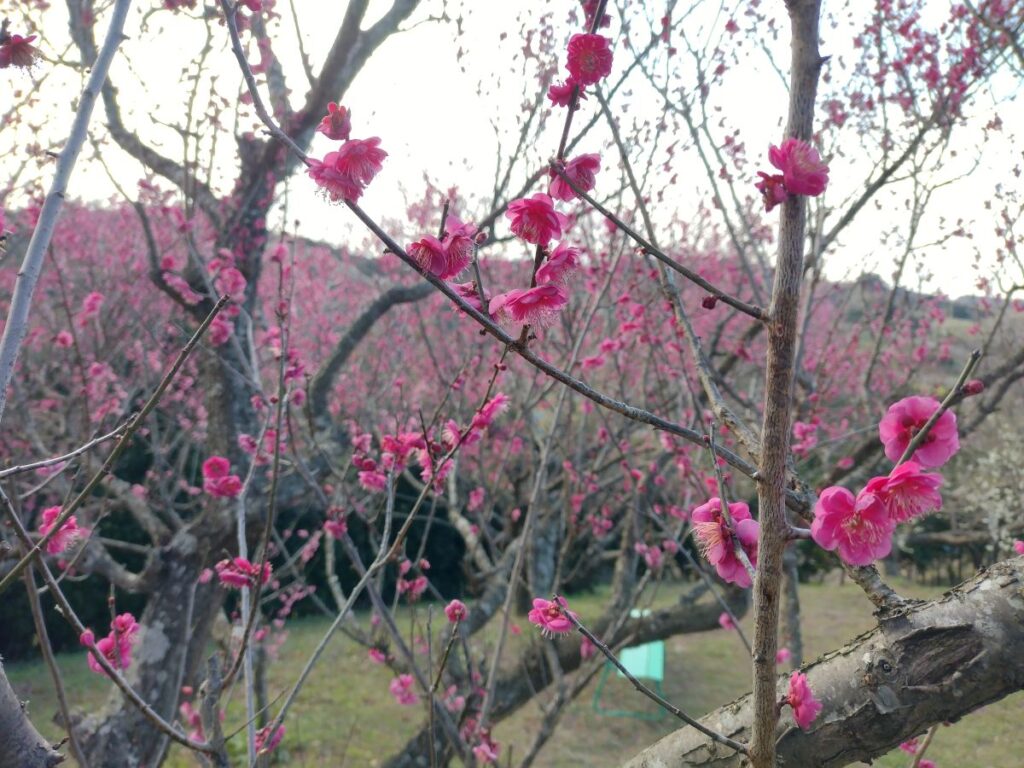
The Heart of Japan’s Plum Culture
Wakayama is Japan’s leading plum-producing region and home to the famous Nanko ume variety.
But what makes this region special is not only production volume.
It is the ecosystem surrounding ume:
- Plum orchards shaped by generations
- Traditional preservation methods
- Umeboshi culture
- Umeshu production
- Fermentation knowledge
- Rural landscapes connected to seasonal rhythms
In places like Minabe and Tanabe, plum culture is not isolated to a single product.
It is woven into daily life.
A Pairing Experience Rooted in Place
This experience explores how umeshu interacts with food, tableware, and atmosphere.
Possible pairings may include:
- Local seafood
- Fermented ingredients
- Seasonal vegetables
- Artisanal cheese
- Desserts with subtle acidity
- Dishes served on traditional Kishu lacquerware
Rather than overpowering the meal, umeshu often creates a bridge between flavors.
Its acidity refreshes.
Its fruit character softens saltiness and umami.
Its aging notes deepen the experience over time.
This creates a style of pairing that feels distinctly different from wine-centered dining.
More Than Tasting
Understanding Time Through Flavor
Across the Kii Peninsula, many food traditions are shaped by time.
- Shoyu Soy sauce ferments slowly in wooden barrels
- Umeboshi develops character through salt and aging
- Umeshu changes gradually over years
These processes reflect a broader cultural relationship with patience, preservation, and transformation.
That is why this experience is not only about alcohol.
It is about understanding how flavor evolves—and how time itself becomes part of Japanese gastronomy.
Suggested Custom Tour Extensions
This experience can be combined with:
- Yuasa fermentation culture tours
- Visits to plum orchards in Minabe
- Gastronomy-focused stays in southern Wakayama
- Kumano Kodo hiking experiences
- Kishu lacquerware experiences in Kuroe
Together, these elements create a deeper journey into the food culture of the Kii Peninsula.
Experience Umeshu Through Culture, Not Just Taste

This is not a standard tasting tour.
It is a curated cultural experience exploring:
- Fermentation
- Pairing
- Craftsmanship
- Landscape
- The relationship between flavor and time
For travelers interested in gastronomy, Japanese food culture, and slow travel, Wakayama offers one of the most layered ume experiences in Japan.
Plan Your Custom Umeshu Experience
Interested in a private gastronomy-focused journey in Wakayama?
Possible experiences include:
- Premium umeshu tastings
- Food pairing experiences
- Plum culture tours
- Visits to local producers
- Multi-day custom itineraries across the Kii Peninsula
👉 Inquiries for private tours, gastronomy travel, and custom experiences are welcome.
No responses yet