
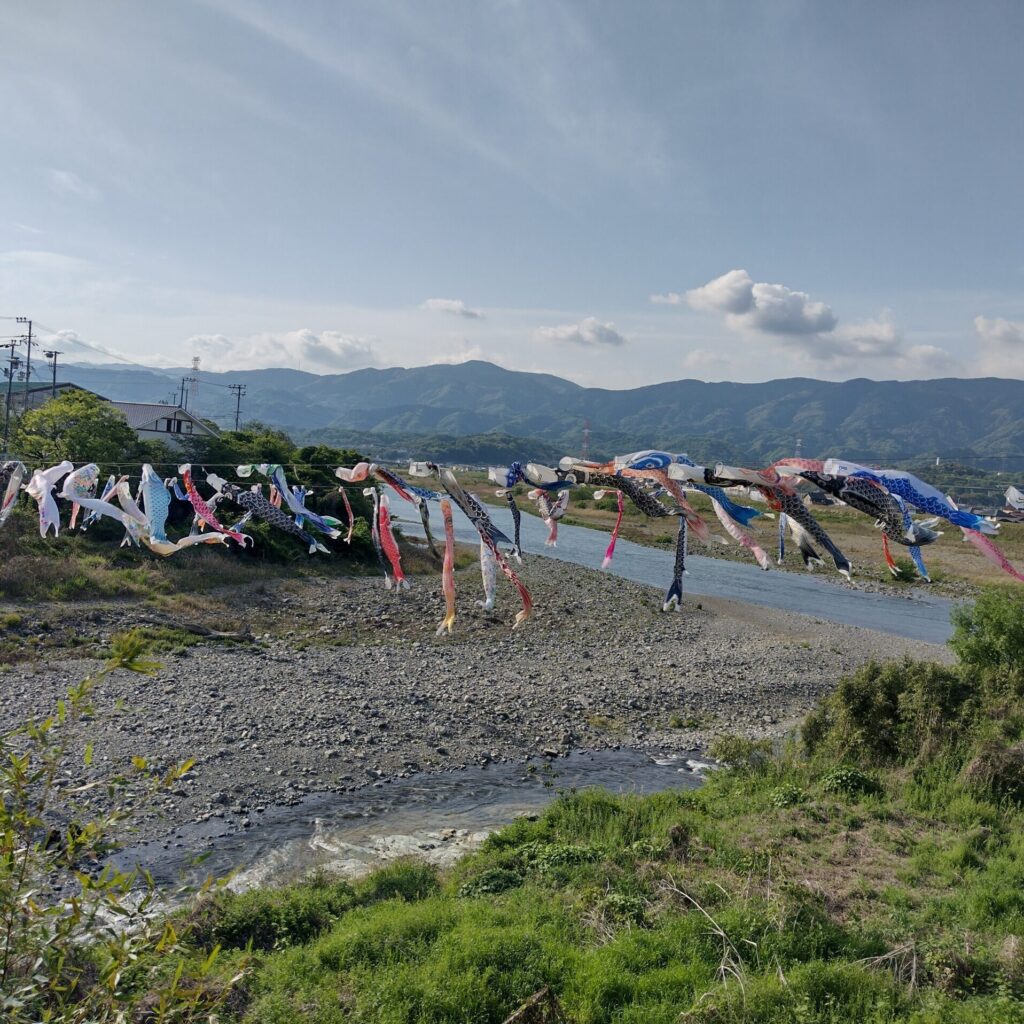
Most travelers visit Koyasan as a destination.
They arrive, explore the temples, stay overnight—and leave.
But historically, Koyasan was never meant to be experienced this way.
It was part of a larger journey:
- From the valley towns where people lived
- Through pilgrimage routes that prepared the mind
- To the sacred mountain where belief took form
👉 To truly understand Koyasan, you need to see the full picture.
Why Koyasan Alone Is Incomplete
At the top of the mountain, you encounter:
- Danjo Garan
- Okunoin
- Kongobuji Temple
These are powerful places.
But they raise deeper questions:
- Where did pilgrims come from?
- How did they approach the sacred?
- Who supported life on the mountain?
👉 The answers lie below Koyasan.
1. Jison-in Temple: The Entrance of Koyasan
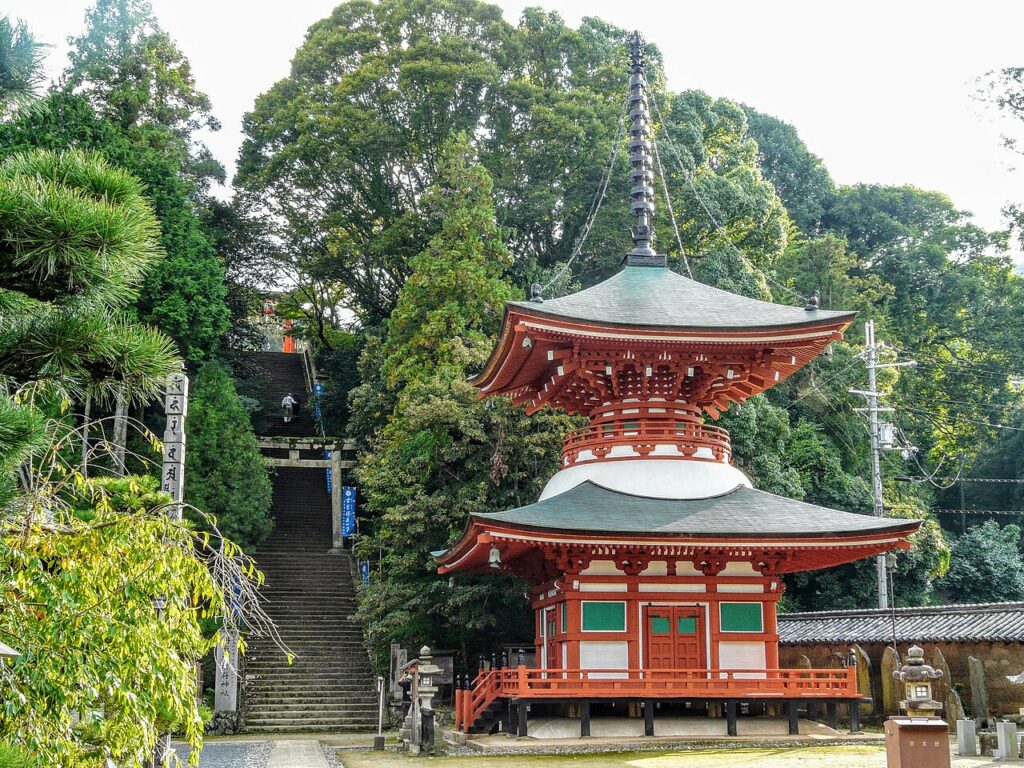
At the foot of the mountains in Kudoyama lies Jison-in.
This temple is deeply personal in the story of Koyasan:
- It is associated with Kukai’s mother
- It became a place where women could pray when access to the mountain was restricted
- It functioned as a gateway between everyday life and sacred ascent
👉 Before Koyasan becomes a spiritual concept,
it begins here—with family, separation, and devotion.
2. Choishi Michi: The Path of Transformation
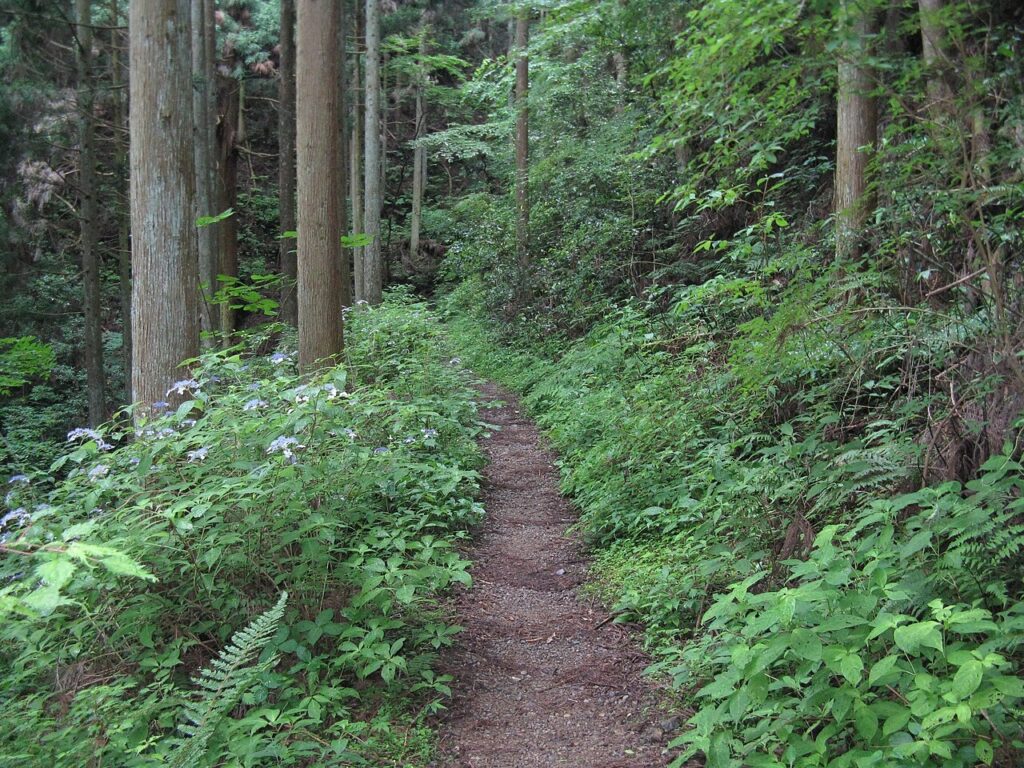
From Jison-in, pilgrims would begin their ascent via the Choishi Michi.
- Stone markers (choishi) guide the way step by step
- Each marker represents distance—but also progression
- The path creates a gradual transition from ordinary to sacred
👉 This is not just a route—it is a designed spiritual process.
Walking even a short section today changes your perspective:
- Koyasan is no longer just a place
- It becomes something you arrive at with intention
3. Koyaguchi: The Living Gateway
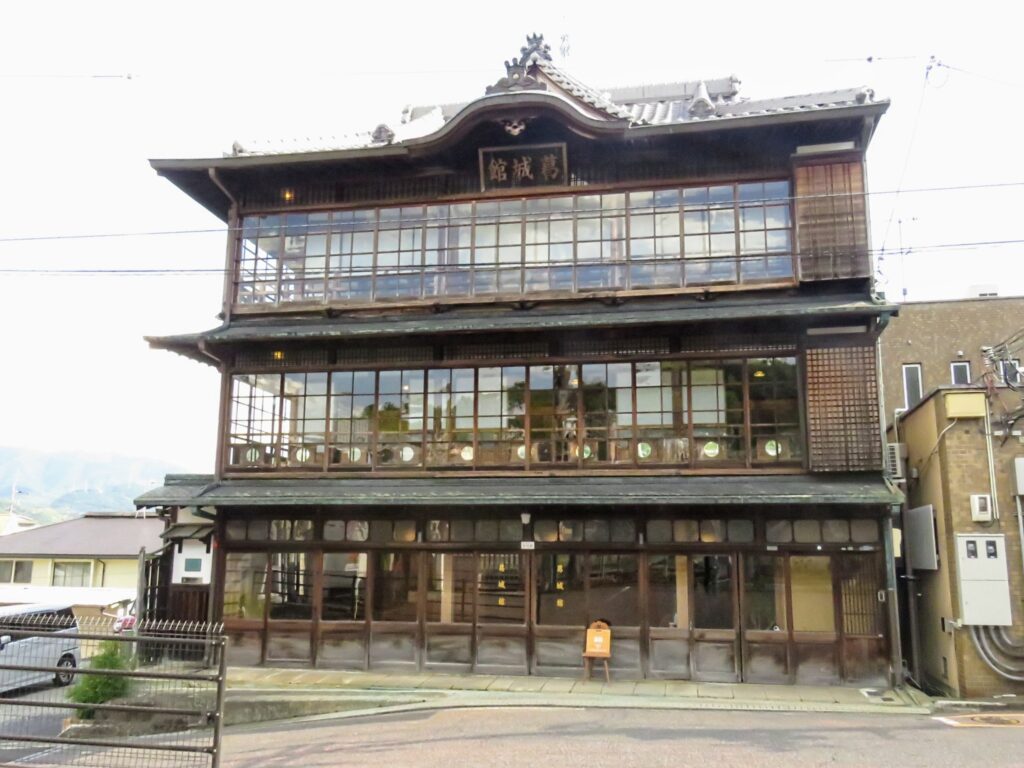
Further along the valley, Koyaguchi developed as a key access point to Koyasan.
- Located along the Kinokawa River, a major transport route
- A hub for travelers preparing to ascend the mountain
- A town shaped by commerce, logistics, and daily life
👉 While Koyasan represents spiritual ideals,
Koyaguchi represents the reality that sustained it.
Food, materials, and people all passed through here.
4. The Complete Perspective: Three Layers of Koyasan
When you connect these places, a new structure emerges:
① Valley (Koyaguchi)
- Daily life
- Trade and movement
- The practical foundation
② Threshold (Jison-in & Choishi Michi)
- Transition
- Pilgrimage
- Human stories
③ Sacred Peak (Koyasan)
- Philosophy
- Ritual
- Spiritual expression
👉 Together, they form a continuous narrative:
Life → Journey → Meaning
This is the true shape of Koyasan.
Suggested Itinerary
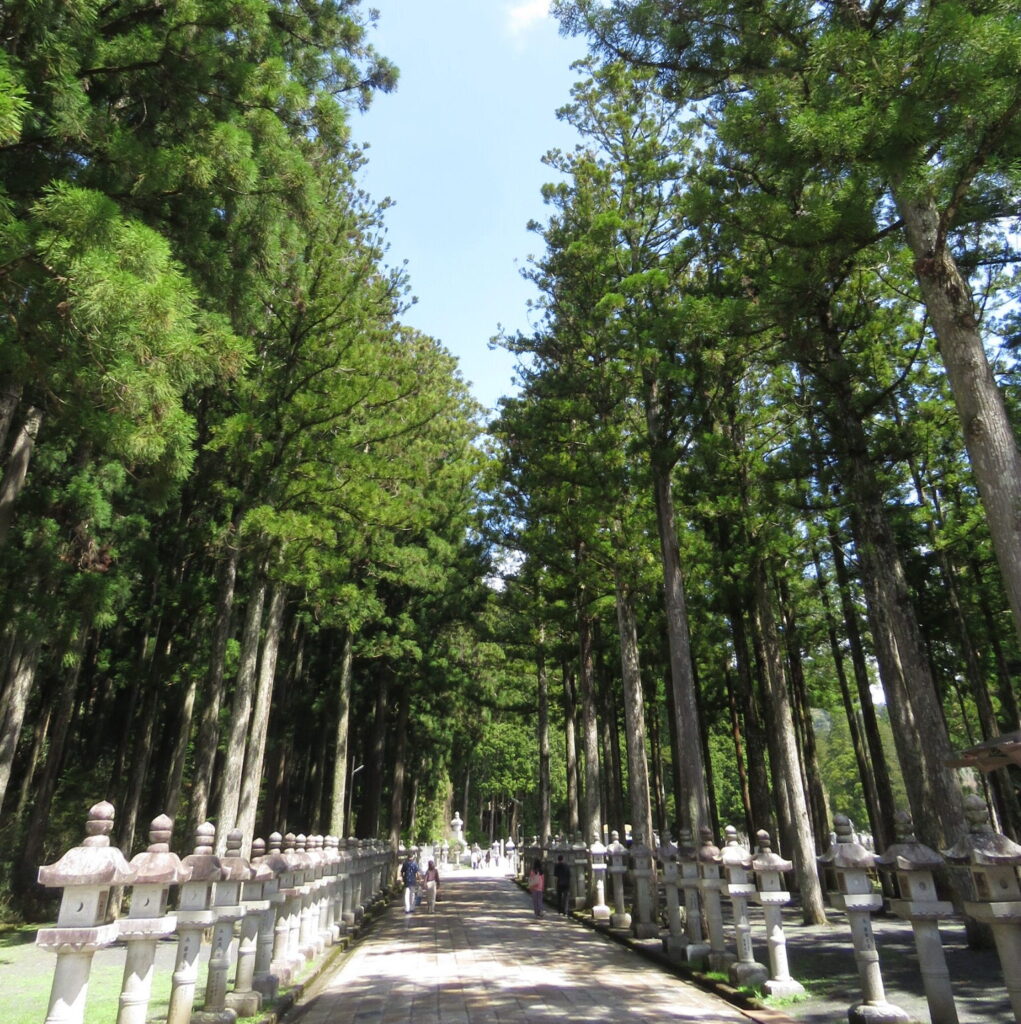
Option 1: Full-Day Deep Experience
- Morning: Explore Koyaguchi (historical gateway town)
- Midday: Visit Jison-in and begin Choishi Michi walk
- Afternoon: Arrive at Koyasan and explore key sites
- Evening: Optional temple stay
Option 2: Two-Day Immersive Journey
Day 1
- Koyaguchi + Kudoyama (Jison-in, pilgrimage context)
Day 2
- Koyasan (Okunoin, Danjo Garan, deeper interpretation)
👉 This allows the story to unfold naturally over time.
Our Approach: Connecting the Journey
Most tours focus only on Koyasan itself.
We design experiences that:
- Start from the valley, not just the summit
- Integrate pilgrimage elements (even short walks)
- Connect spiritual meaning with real-life context
- Reveal the human stories behind the sacred landscape
👉 This is not just sightseeing—it is understanding the journey.
Recommended Experience
👉 Koyasan Full Journey Experience (Private)
- Duration: 1–2 days
- Includes: Koyaguchi, Kudoyama, Choishi Michi, Koyasan
- Focus: Spiritual meaning, historical continuity, and lived context
Continue Exploring Wakayama’s Deeper Story
This journey connects naturally with other experiences:
- Kumano Kodo pilgrimage routes
- Yuasa (birthplace of shoyu soy sauce)
- Rural Wakayama cultural experiences
👉 Each reveals a different aspect of the same theme:
The rhythm of life continuing across places and centuries
Ready to Experience the Full Journey?
👉 Plan your custom itinerary or private tour
👉 Or explore more:
- Koyasan Spiritual Insight Guide
- Hidden Koyasan Experience
- Kumano Kodo Pilgrimage Articles
Final Thought
If you only visit Koyasan,
you see a sacred place.
If you follow the full journey—from valley to mountain—
you begin to understand:
👉 How that sacred place came to exist at all.
Read More About Koyasan
- World Heritage Pilgrimage to Koyasan: From Human Prayer to Sacred Realization
- The Hidden Side of Koyasan: Beyond Okunoin
- Is Koyasan Worth a Guide? (And How to Experience It Properly)
- Sacred Art of Koyasan: Exploring Buddhist Architecture, Mandalas, and Hidden Treasures
- Walking Choishi-michi: Following the Pilgrims to Koyasan
No responses yet