
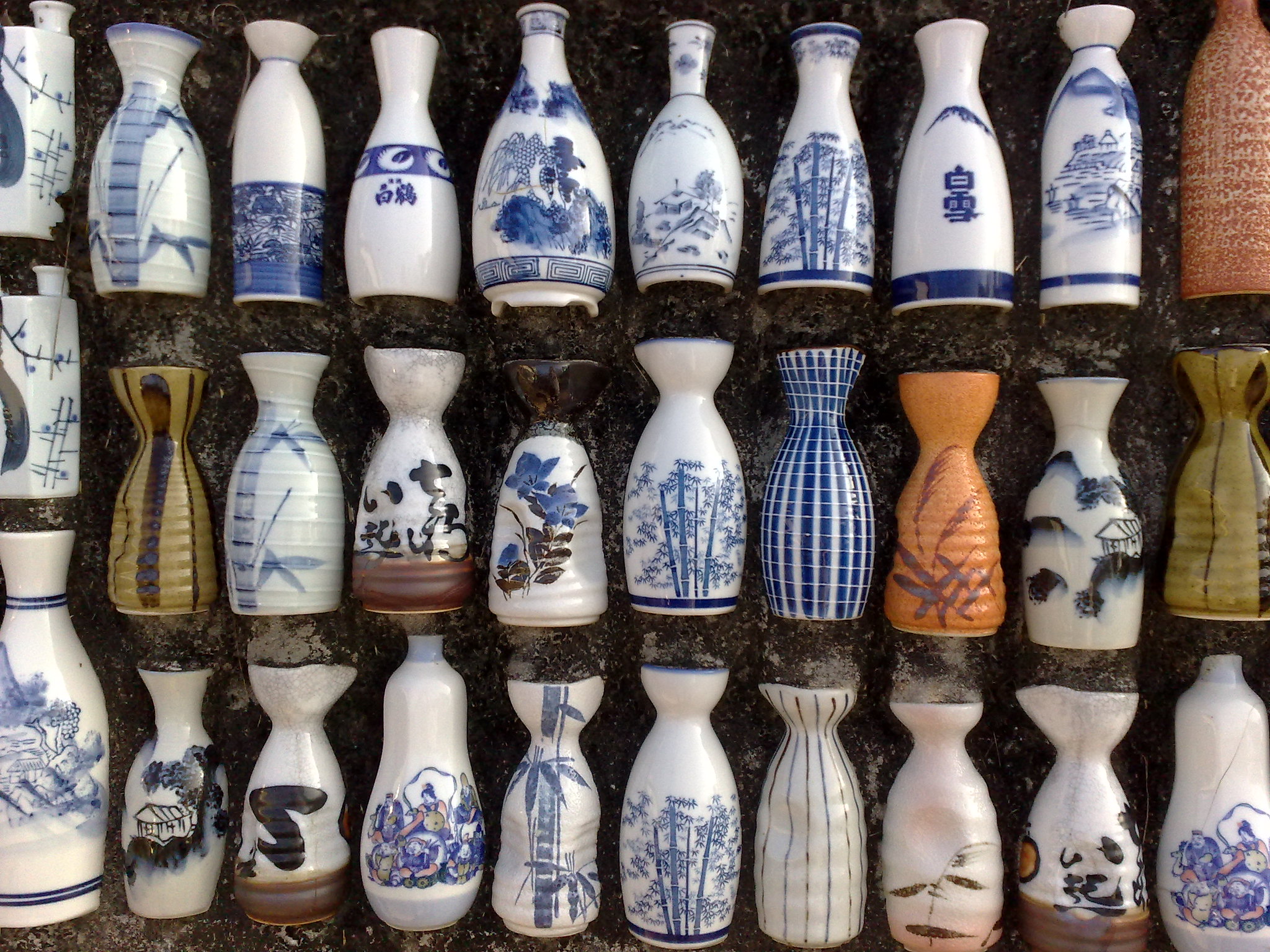
Japanese tableware is not just functional—it expresses seasonality, balance, and the rhythm of daily life. From refined porcelain to rustic pottery and lacquerware, each region in Japan offers a distinct philosophy of design and production.
For chefs, retailers, and hospitality buyers, sourcing Japanese tableware means accessing craft, culture, and storytelling—all of which elevate the dining experience.
Major Tableware Production Regions in Japan
Arita & Imari (Saga) – Fine Porcelain Tradition
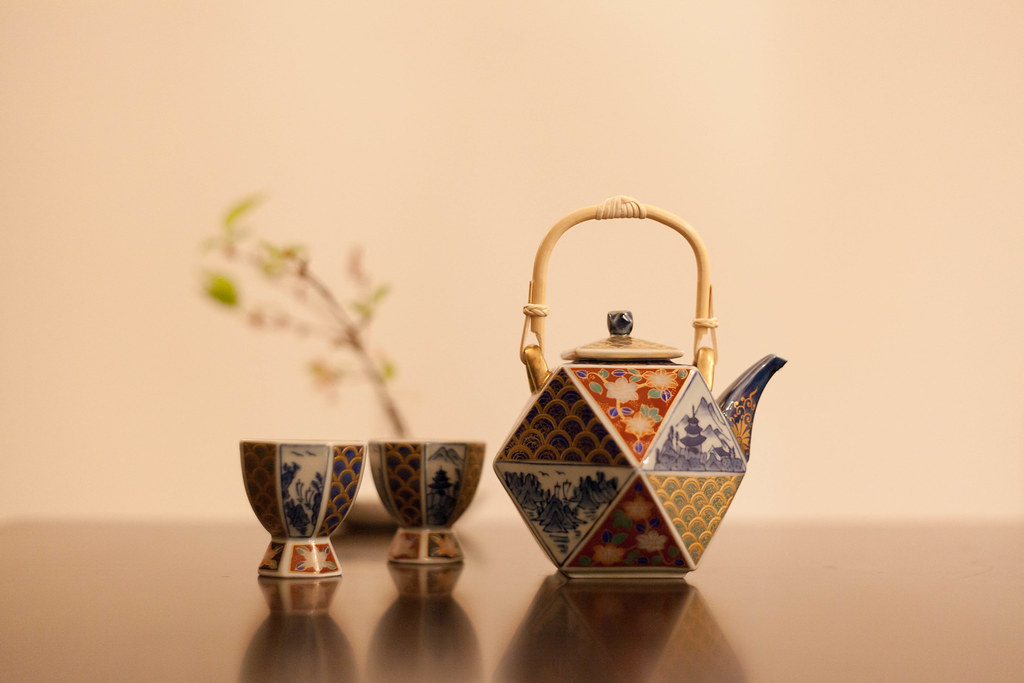
Located in Saga, Arita is the birthplace of Japanese porcelain.
- Over 400 years of history
- Known for fine, lightweight porcelain
- Intricate hand-painted designs (blue-and-white, Imari-style)
- Widely used in high-end restaurants and export markets
Mino Ware (Gifu) – Versatility and Volume
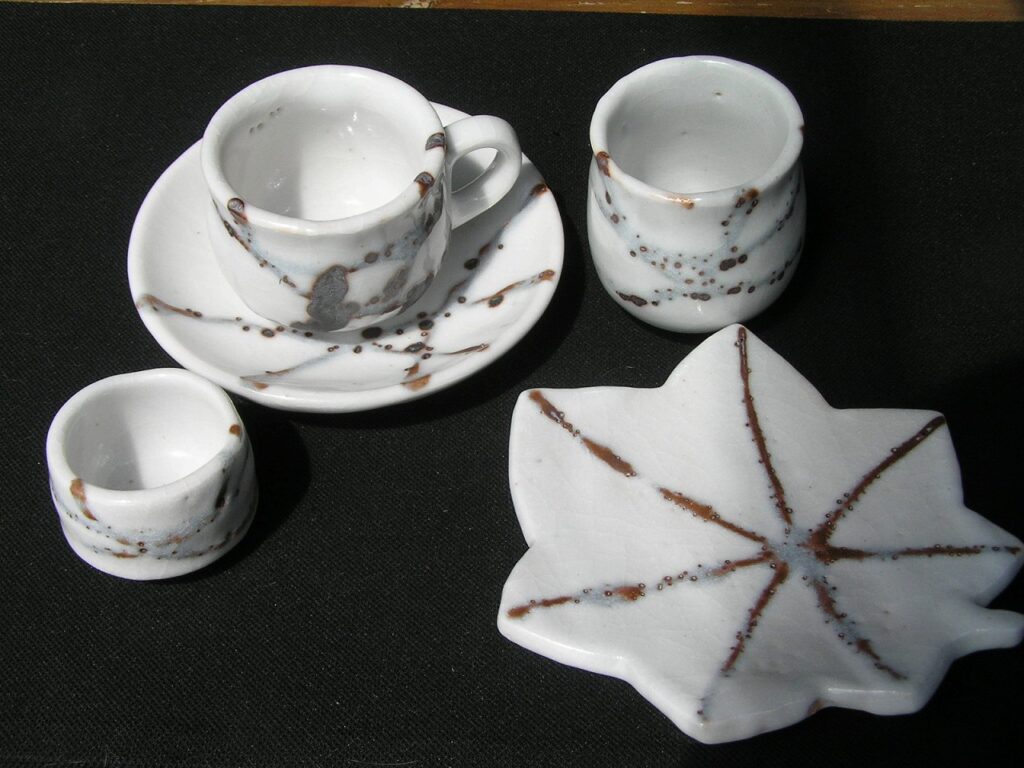
Produced in Gifu, Mino ware accounts for a large share of Japan’s ceramics.
- Wide variety of styles (Oribe, Shino, modern designs)
- Balance of traditional aesthetics and mass production
- Flexible pricing and scalable supply
- Ideal for restaurants and retail chains
Kutani Ware (Ishikawa) – Decorative Artistry
From Ishikawa, Kutani ware is known for bold expression.
- Rich colors: red, yellow, green, blue, purple
- Highly decorative and artistic
- Often used for presentation pieces and premium gifting
Hasami Ware (Nagasaki) – Modern Minimalism
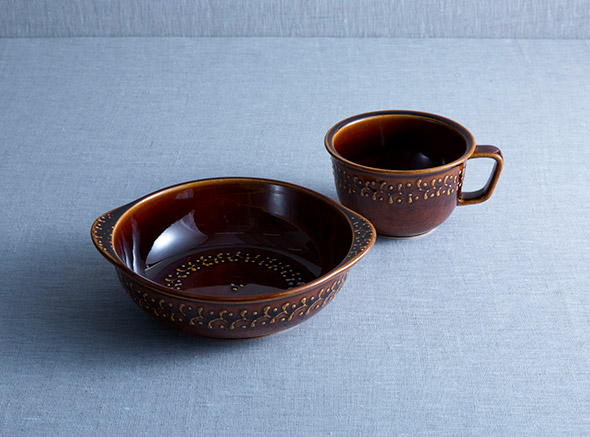
Produced in Nagasaki, Hasami ware blends tradition with modern lifestyle.
- Clean, simple, stackable designs
- Popular in cafés and contemporary dining
- Strong appeal in international markets
- Efficient production with consistent quality
Kishu Lacquerware: Tradition and Innovation from Wakayama
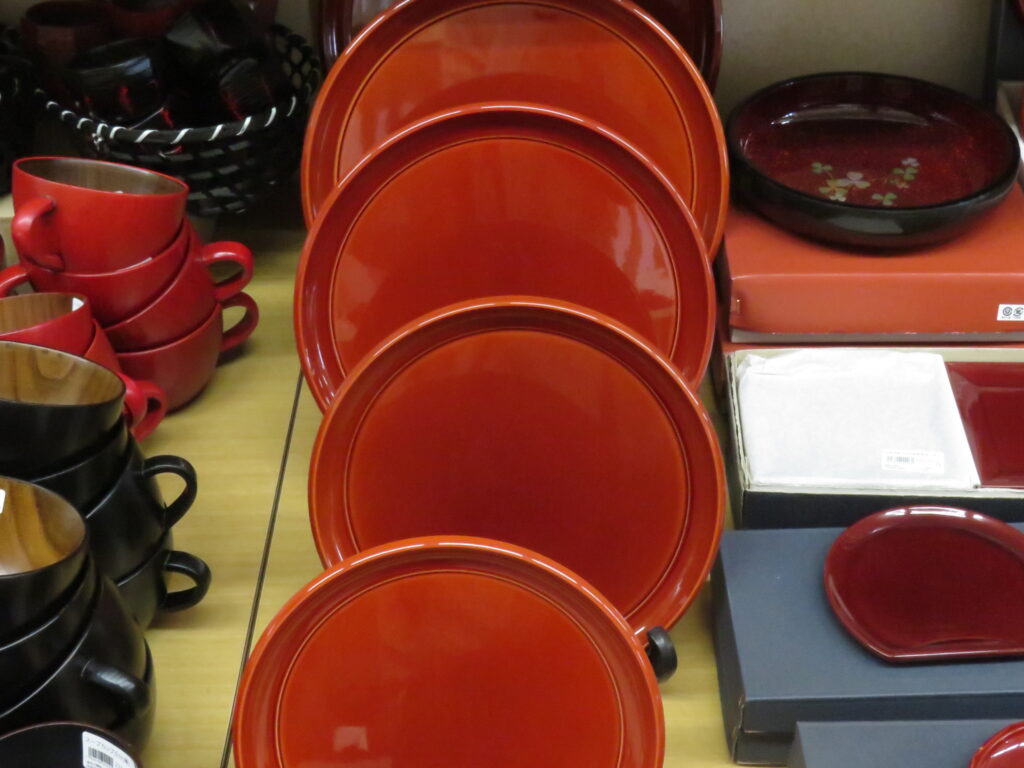
In Wakayama, the town of Kuroe is home to Kishu Shikki (Kishu lacquerware)—one of Japan’s four major lacquerware traditions.
A Legacy as One of Japan’s Four Great Lacquerwares
Kishu lacquerware stands alongside other major production areas as a pillar of Japanese urushi culture. It developed as a practical yet refined craft, supplying durable wares for everyday use while maintaining aesthetic quality.
Traditional Characteristics
- Lightweight and highly durable
- Resistant to water, heat, and daily use
- Smooth, elegant finishes (often black or vermilion)
- Historically used for bowls, trays, and serving ware
Unlike purely decorative lacquerware, Kishu shikki evolved with a strong emphasis on functionality and accessibility, making it widely used in both households and professional settings.
Read: Kuroe Lacquerware: A Hidden Tableware Source for Chefs and Restaurants
Exploring Kuroe: Japanese Lacquerware and the Dining Experience
Progressive and Contemporary Expressions
What makes Kishu shikki lacquerware especially relevant today is its ability to evolve.
Recent developments include:
- Modern minimalist designs suited for global dining scenes
- Fusion with glass—transparent vessels coated with urushi, creating a contrast between lightness and depth
- New color palettes beyond traditional black and red
- Collaborations with designers and contemporary brands
These innovations allow lacquerware to move beyond traditional Japanese cuisine and into:
- Fine dining and plating
- Luxury lifestyle products
- International design markets
Why Source Japanese Tableware?
For B2B buyers, Japanese tableware offers:
- Design philosophy rooted in seasonality and presentation
- Craftsmanship with regional identity
- Wide range from artisanal to scalable production
- Story value that enhances brand positioning
Key Considerations for Wholesale Buyers
Before selecting suppliers, consider:
- Material (porcelain, stoneware, lacquerware)
- Production scale (artisan vs. semi-industrial)
- Durability and maintenance requirements
- MOQ and export capability
- Compatibility with your brand story
Source Japanese Tableware with Cultural Depth
Work Directly with Producers Across Japan
Looking to source authentic Japanese tableware for your business?
We support chefs, retailers, and hospitality brands with:
- Direct introductions to trusted producers across Japan
- Access to both traditional and contemporary designs
- Interpretation, coordination, and on-site guidance
With a base in Wakayama, we offer unique access to evolving crafts such as Kishu lacquerware from Kuroe.
👉 Explore our B2B sourcing support and start your inquiry
Conclusion
Japanese tableware is where heritage meets innovation. From the precision of porcelain to the warmth of ceramics and the evolving artistry of lacquerware, each region offers a distinct value.
Among them, Kishu lacquerware stands out—not only as a historic craft, but as a living tradition that continues to adapt to modern design and global markets.
No responses yet