
— A Culinary Destination Beyond the Dining Scene
Introduction: Japan Is Not Just Tokyo or Kyoto
When chefs travel to Japan, most visit places like Tokyo, Kyoto, or Osaka.
These cities offer extraordinary dining experiences—but they represent the final stage of cuisine, not its origin.
If your goal is to understand ingredients, discover new flavors, and build meaningful connections, there is another path:
Wakayama.
Where Ingredients Begin, Not Just Where They Are Served
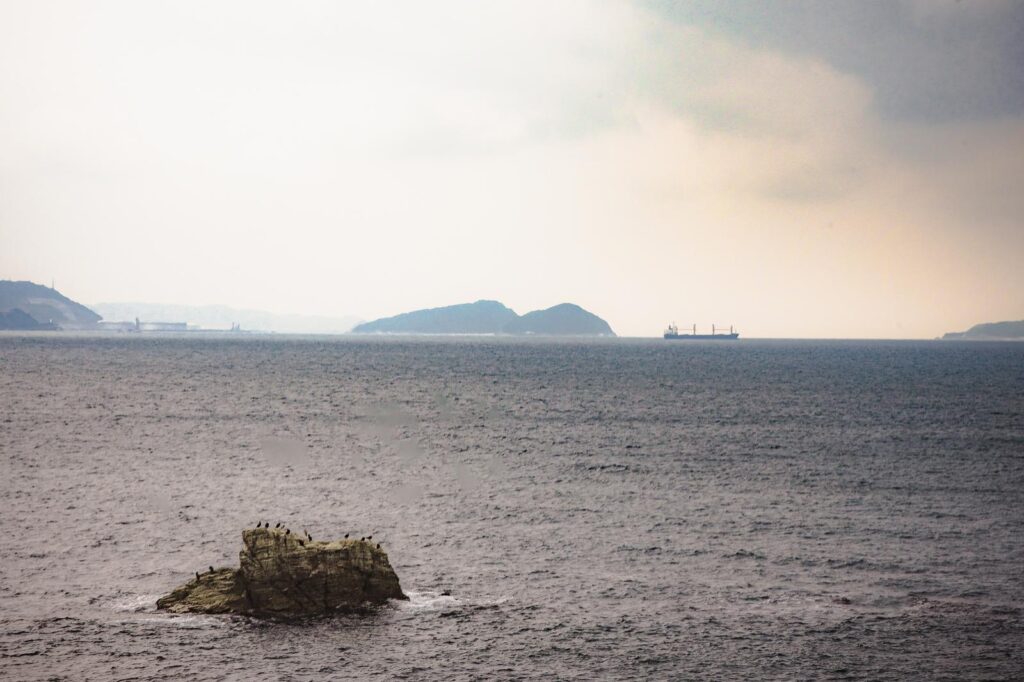
Located just south of Osaka, Wakayama is a region shaped by:
- The ocean (fresh seafood and coastal culture)
- The mountains (clean water and agriculture)
- A long history of fermentation
Unlike major cities, Wakayama offers something fundamentally different:
👉 direct access to the origin of flavor
The Birthplace of Shoyu Soy Sauce: Yuasa Town
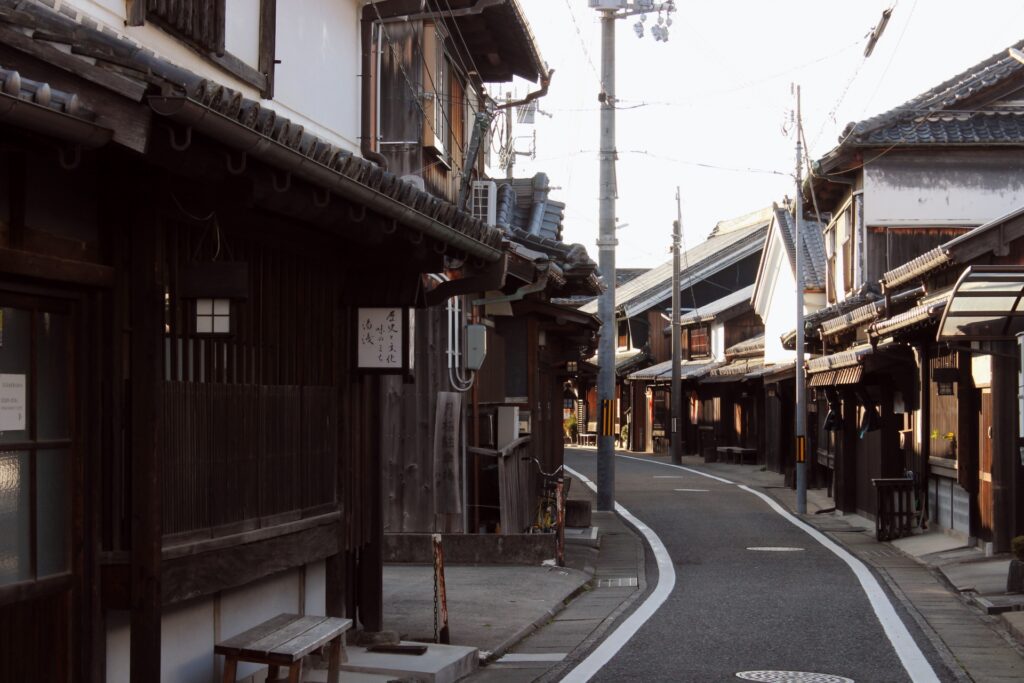
Yuasa is widely recognized as the birthplace of Japanese soy sauce.
Here, you can:
- Walk inside active breweries such as
Kadocho Soy Sauce Brewery and Marushin Shoyu Brewary - Taste soy sauce at different stages of fermentation
- Speak directly with producers
For chefs, this transforms soy sauce from a basic seasoning into:
👉 a core ingredient with depth, variation, and story
Small Scale, High Character
One of Wakayama’s defining features is its scale.
Most producers are:
- Family-run
- Small-batch
- Deeply rooted in tradition
This creates something increasingly rare:
👉 ingredients that are not standardized
For chefs, this means:
- Unique flavor profiles
- Limited availability (high differentiation)
- Strong storytelling potential
From Ingredient to Story
Today’s diners are not only interested in taste—they want context.
Wakayama enables chefs to tell stories such as:
- Visiting the birthplace of shoyu
- Meeting the producer behind an ingredient
- Understanding how climate and time shape flavor
This turns a dish into:
👉 a narrative experience
A Case from the Field
Recently, I hosted a sushi restaurant owner from the United States.
He had already sourced ingredients from across Japan—
and came to Wakayama for one final piece:
shoyu from its origin.
His visit to Yuasa Town was not about comparison.
It was about completion.
👉 Read the full case study here
Beyond Soy Sauce: A Diverse Ingredient Landscape
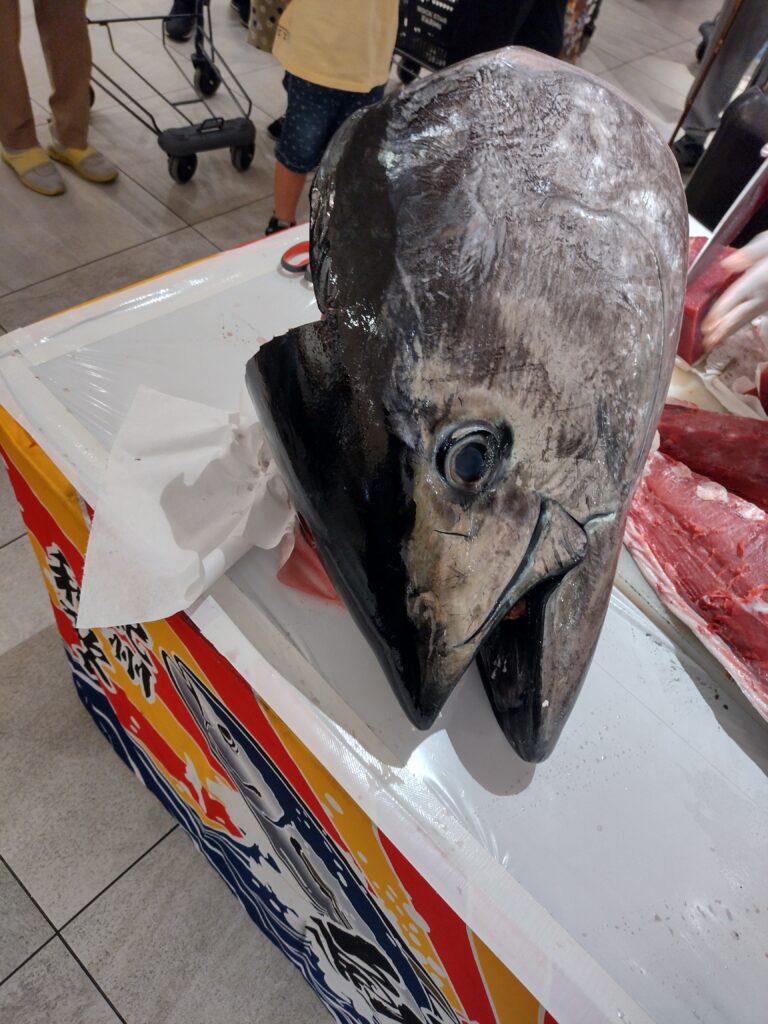
Wakayama offers a wide range of ingredients:
- Ume (Japanese plum) – from premium umeboshi to paste and vinegar
- Citrus – including mikan and regional varieties
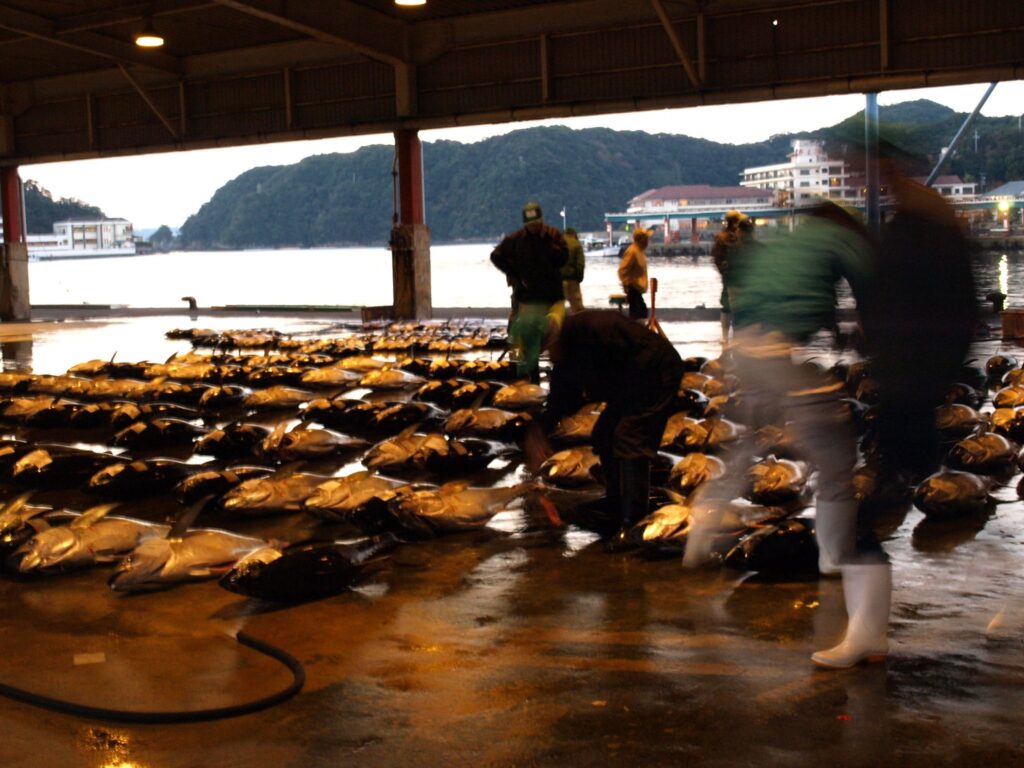
- Seafood – from the Kii Peninsula’s rich waters
- Fermented foods – including kinzanji miso
Each product reflects the region’s rhythm of nature and time.
Direct Access to Producers
This is perhaps the most important difference.
In Wakayama, you can:
- Visit production sites
- Speak directly with artisans
- Taste products in their original context
This is not a showroom experience.
👉 It is real access, built on relationships.
Why Not Just Source from Distributors?
A fair question.
Many chefs already use Japanese ingredients sourced through distributors.
However, visiting Wakayama offers:
1. Deeper Understanding
You learn how ingredients are made—not just how they taste.
2. Better Selection
You can choose based on nuance, not labels.
3. Stronger Story
You gain a narrative that cannot be replicated.
Designed for Culinary Professionals
This is not a typical food tour.
Visits are tailored for:
- Chefs
- Restaurant owners
- Buyers and importers
- Culinary media
Each experience is designed around:
- Your cuisine
- Your sourcing needs
- Your level of expertise
Sample Itinerary
Curious what a visit might look like?
👉 Explore a sample 2–3 day itinerary here
Plan Your Visit
If you are looking to:
- Discover unique Japanese ingredients
- Build relationships with producers
- Create a story-driven culinary experience
Wakayama offers something that major cities cannot.
I provide customized private visits including:
- Producer access
- Interpretation
- Flexible itinerary design
👉 Contact me to start planning your visit
Learn More About Foods, Drinks, Ingredients and Tools of Wakayama
- From Binchotan Forests to Fresh Seafood: Exploring Southern Wakayama’s Living Landscape
- Umeshu Tasting Experience in Wakayama
- Case Study: Hosting International Chefs in Yuasa, Wakayama
- Exploring Wakayama’s Seafood Processing: From Fresh Catch to Culinary Application
- Exploring Kuroe: Japanese Lacquerware and the Dining Experience
- Exploring Wakayama’s Fruit Culture: From Ume to Mikan
No responses yet