
Beyond Ingredients: The Role of Tableware in Culinary Expression
For chefs and culinary professionals, ingredients are only part of the dining experience.
Presentation, texture, and atmosphere all shape how food is perceived.
Japanese lacquerware offers a unique opportunity to explore this dimension.
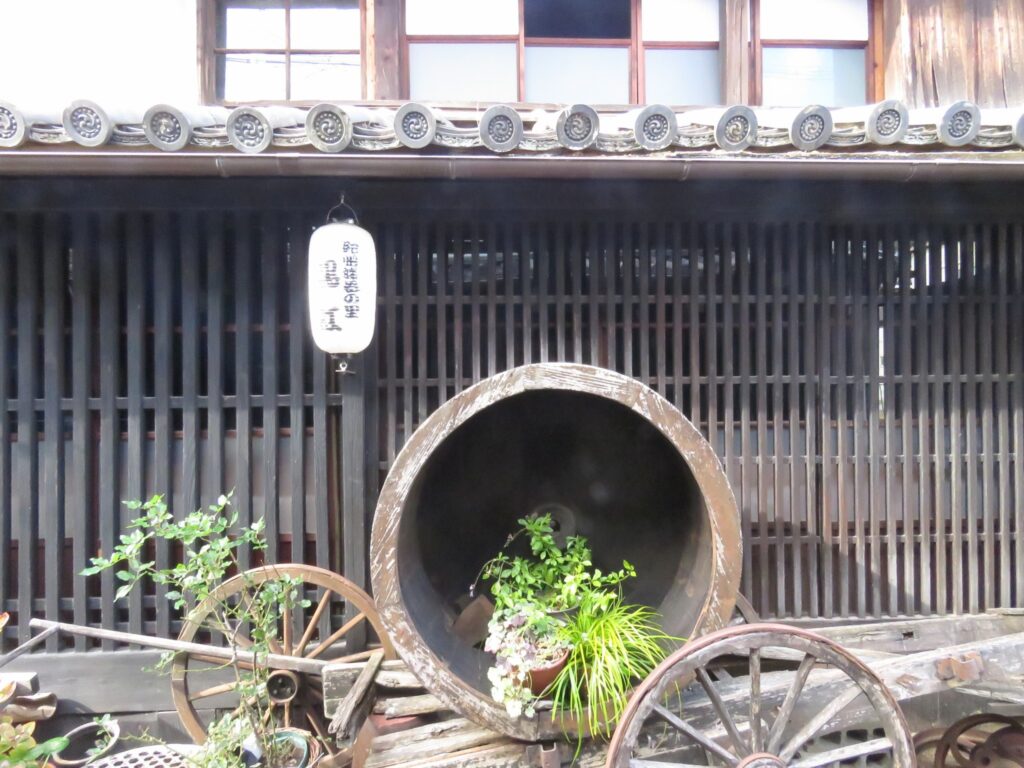
Located in Wakayama, Kuroe is a historic center of lacquerware production, where craftsmanship, daily life, and food culture have long been connected.
What You Can Experience in Kuroe
A visit to Kuroe is designed not only as a cultural introduction, but as a practical exploration of how tableware can influence dining.
1. Visiting a Lacquerware Exhibition Facility
Begin with an overview of Kuroe lacquerware—its history, techniques, and evolution.
Understanding the background of materials, coating processes, and finishing methods provides a foundation for evaluating how lacquerware functions in a dining context.
2. Understanding Lacquerware Through Guided Interpretation
Throughout the visit, you will receive detailed explanations of:
- Types of lacquerware and their uses
- Differences in finish, durability, and maintenance
- How lacquerware interacts with different types of cuisine
This allows professionals to move beyond aesthetics and consider practical application.
3. Decorative Experience with Lacquerware
Participating in a hands-on decoration experience offers insight into:
- Surface treatment and layering
- The relationship between design and usability
- The tactile qualities of lacquerware
This process provides a deeper appreciation of craftsmanship and material sensitivity.
4. Visiting a Master Craftsman’s Workshop
At a traditional workshop led by a certified artisan, you can:
- View finished works in a gallery setting
- Observe aspects of the production environment
- Participate in a small-scale workshop experience
This creates a direct connection between craftsmanship and final product.
5. Exploring a Lacquerware Production Company
A visit to a lacquerware company allows you to see how production is organized at a larger scale.
Here, you can understand:
- Workflow and division of labor
- Quality control and consistency
- The balance between tradition and modern demand
6. Experiencing Lacquerware in Use
The visit concludes at a café attached to a lacquerware shop, where you can experience food and drink served using lacquerware.
This is a critical moment—seeing how pieces function in a real dining setting:
- Weight and balance in use
- Interaction with food presentation
- Customer perception and atmosphere
Key Insights for Culinary Professionals
Tableware Shapes Perception
The same dish can be experienced differently depending on the vessel.
Lacquerware introduces warmth, depth, and visual contrast that cannot be replicated with standard materials.
Craftsmanship Adds Narrative Value
Understanding how lacquerware is made allows chefs and restaurant owners to communicate a deeper story to their guests.
This is particularly valuable in high-end or concept-driven dining.
Practical Considerations Matter
Through direct observation and explanation, professionals can evaluate:
- Durability and maintenance
- Suitability for different types of cuisine
- Integration into existing service styles
Why Kuroe
Kuroe offers a rare opportunity to explore lacquerware in context:
- A historic production area still connected to daily life
- Access to both traditional artisans and modern companies
- A scale that allows meaningful, in-depth visits
Designing a Visit for Professionals
This experience is structured to balance:
- Cultural understanding
- Hands-on interaction
- Practical application for culinary use
It can be adapted based on your interests, whether you are exploring plating, sourcing, or concept development.
→ Learn more about our approach
→ Contact us to plan your visit
No responses yet