
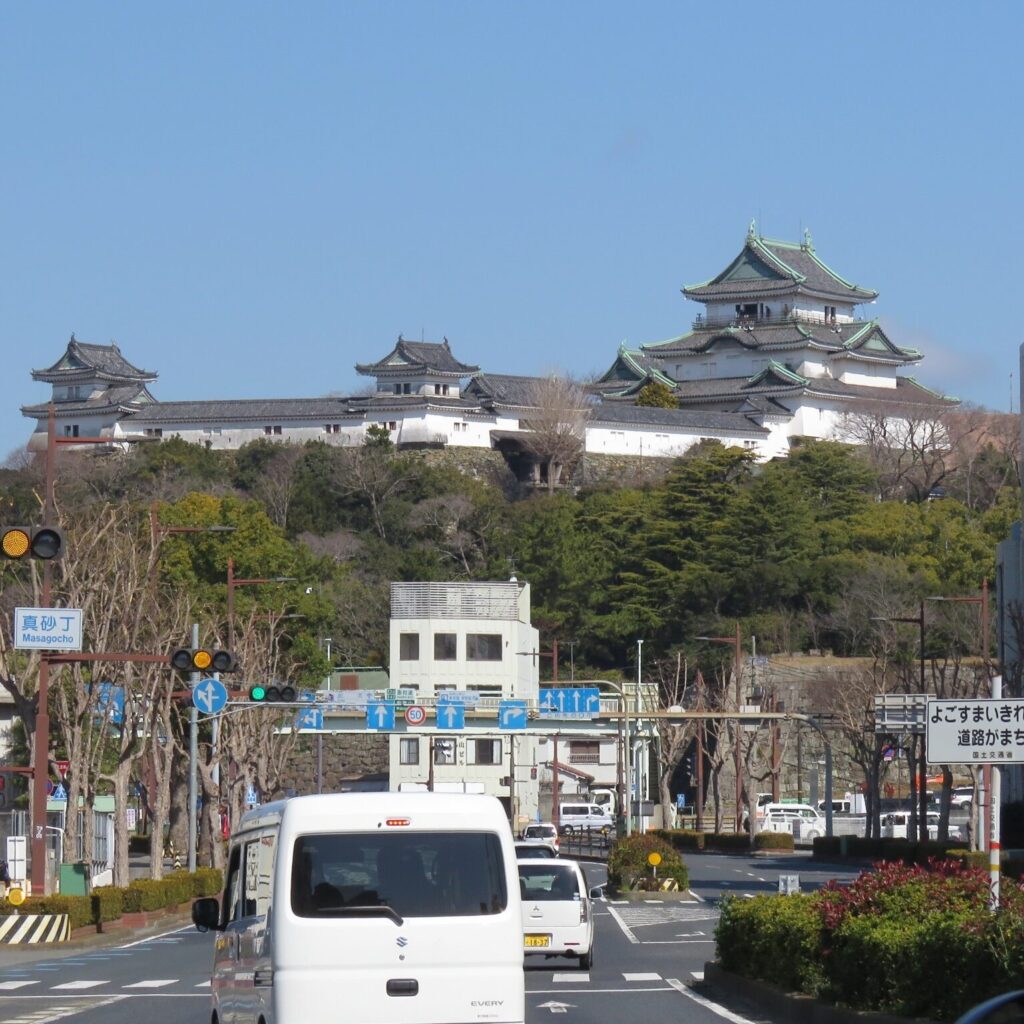
A Day in Samurai Wakayama: Cultural Experiences Around Wakayama Castle
Wakayama City is often overlooked by travelers rushing between Osaka and Kyoto. But just one hour south, a completely different rhythm of Japan still exists—quieter, deeper, and more connected to everyday life.
If you’re looking for more than sightseeing, this is where you can step into the world of samurai culture—not as a performance, but as a lived experience.
This one-day itinerary around Wakayama Castle offers a rare opportunity to experience the cultural layers of the Kishu domain, once ruled by one of the most powerful branches of the Tokugawa family.
Why Wakayama Castle Town Is Different
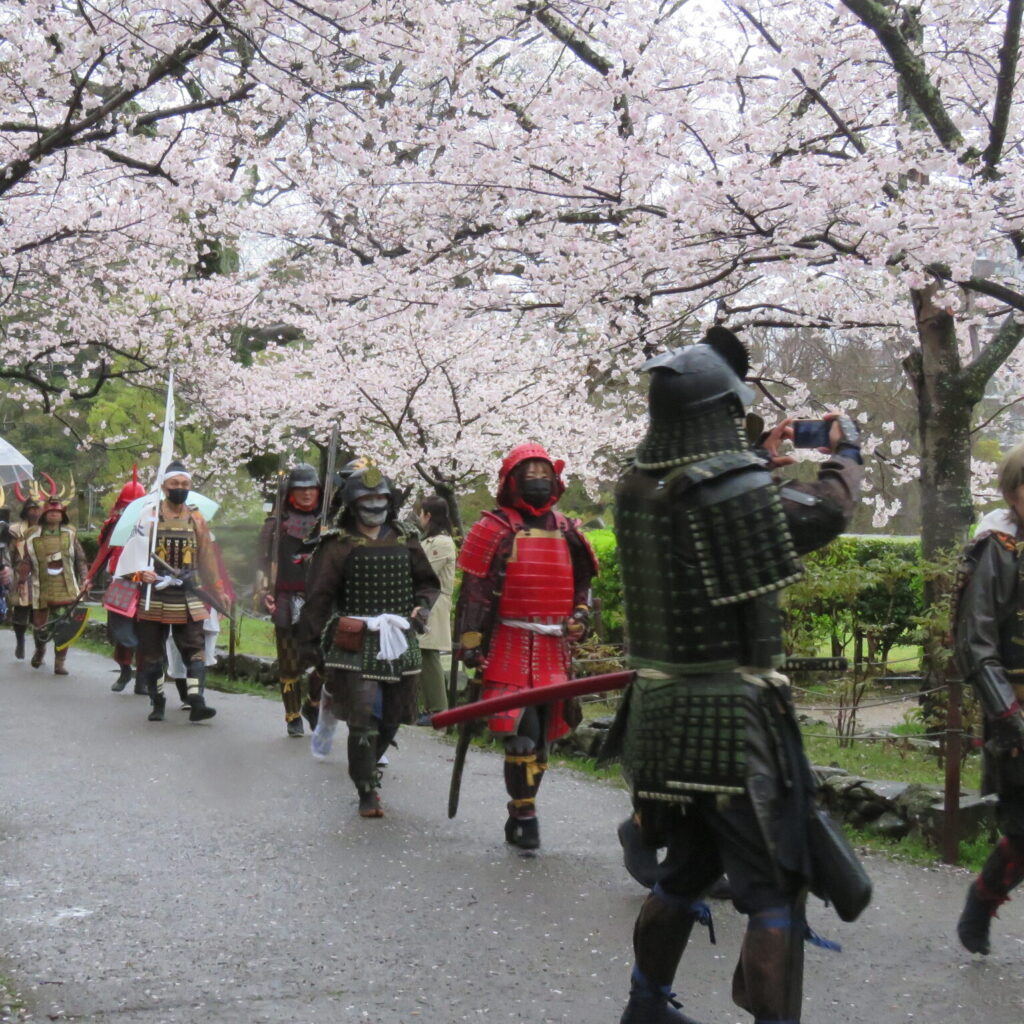
Unlike Kyoto, where culture is often presented in polished, touristic formats, Wakayama offers something more grounded.
This was the seat of the Kishu Tokugawa clan, one of the three most important branches of the Tokugawa shogunate. The culture here developed not for display—but for governance, discipline, and daily life.
That difference still shapes the experiences you can have today.
Morning: Walk Through Samurai History at Wakayama Castle
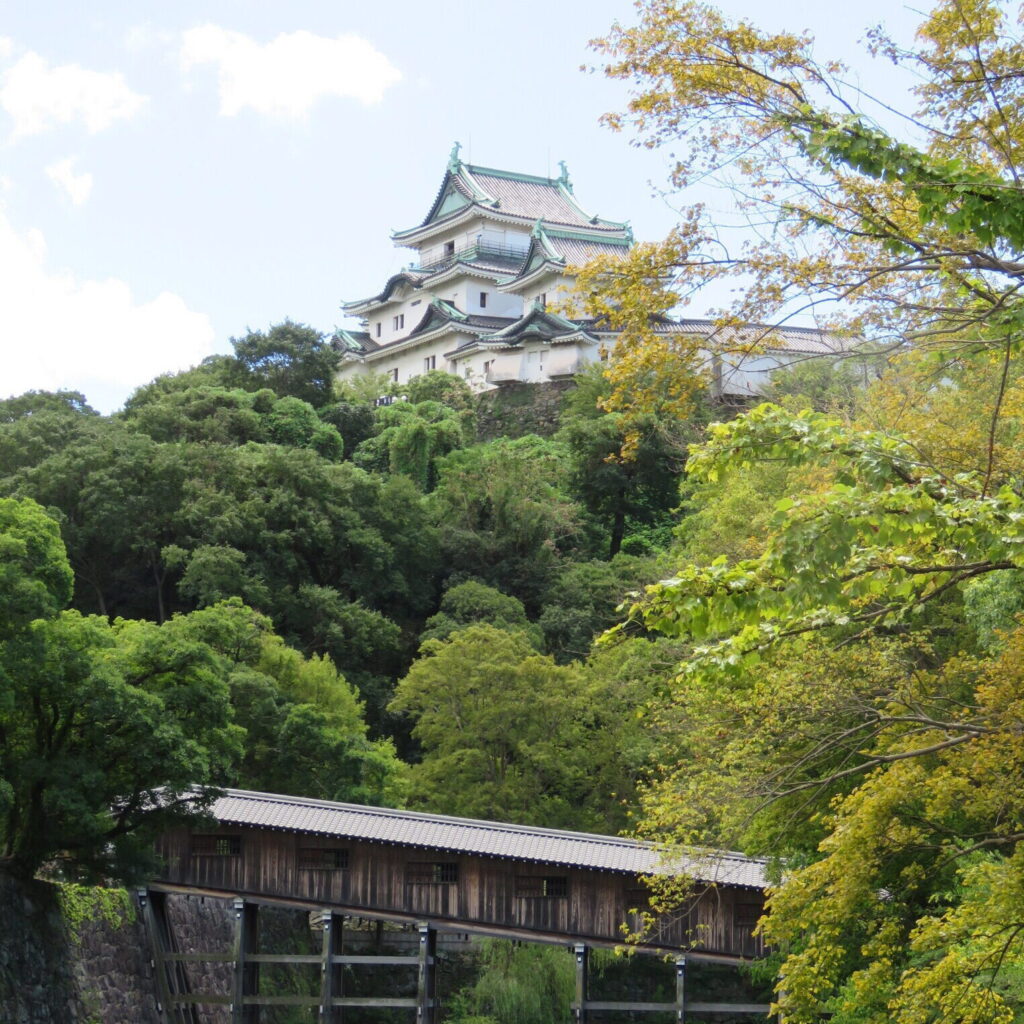
Start your day at Wakayama Castle, a reconstructed but historically significant castle surrounded by stone walls, moats, and quiet gardens.
Take your time walking the grounds. This isn’t just a photo spot—the layout reflects how power, defense, and daily life were organized in the Edo period.
If you look closely, you’ll notice:
- Strategic elevation of the main keep
- Defensive pathways and gates
- Garden spaces designed for both aesthetics and political symbolism
Step Into the Role: Samurai or Kimono Experience
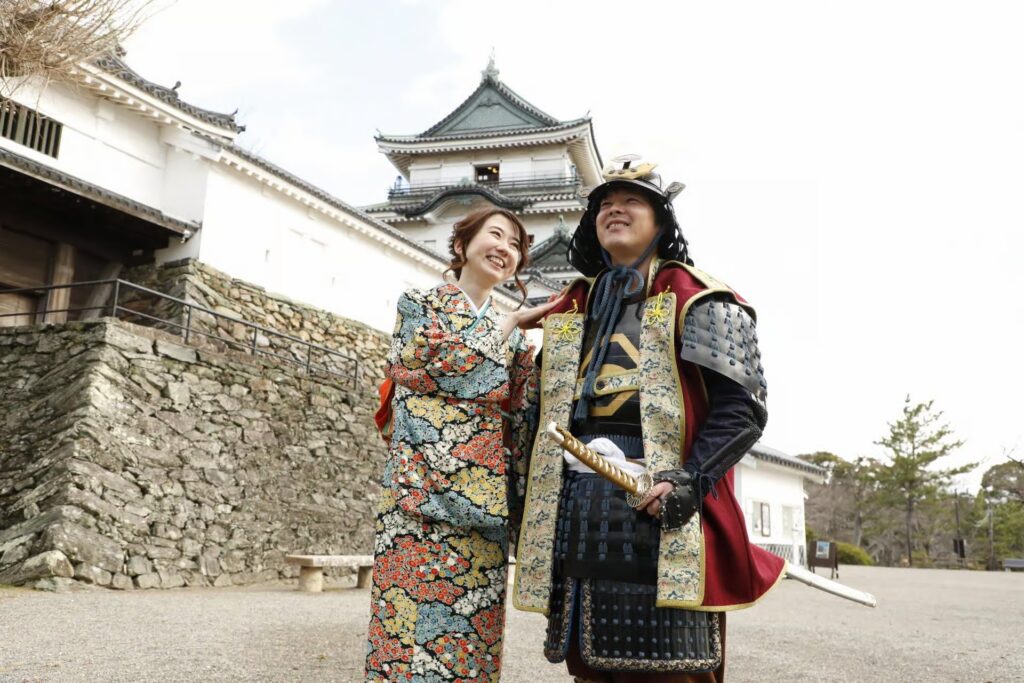
Rather than simply observing history, you can step into it.
Near the castle, you’ll find opportunities to wear:
- Samurai armor
- Kimono or traditional attire
But the key is how you approach it.
Instead of treating it as a costume photo session, think of it as:
“What did it mean to live in this role?”
How would you move, stand, or interact differently?
This shift turns a simple activity into a much deeper cultural experience.
Midday: Taste Edo-Period Cuisine Once Served to Lords
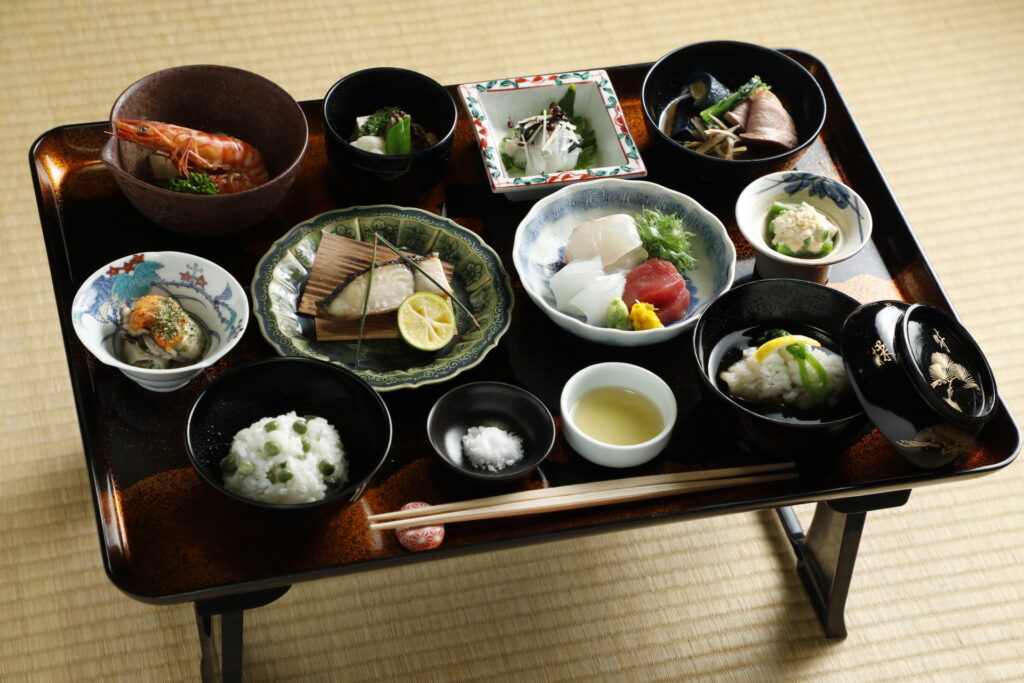
For lunch, experience a meal inspired by dishes once presented to feudal lords of the Kishu domain.
This is not just “Japanese food”—it reflects:
- Seasonal awareness
- Balance and presentation
- The political and cultural role of dining
Each dish tells a story of hierarchy, hospitality, and refinement.
Afternoon: Experience Tamiya-ryu Iaido (Samurai Sword Art)
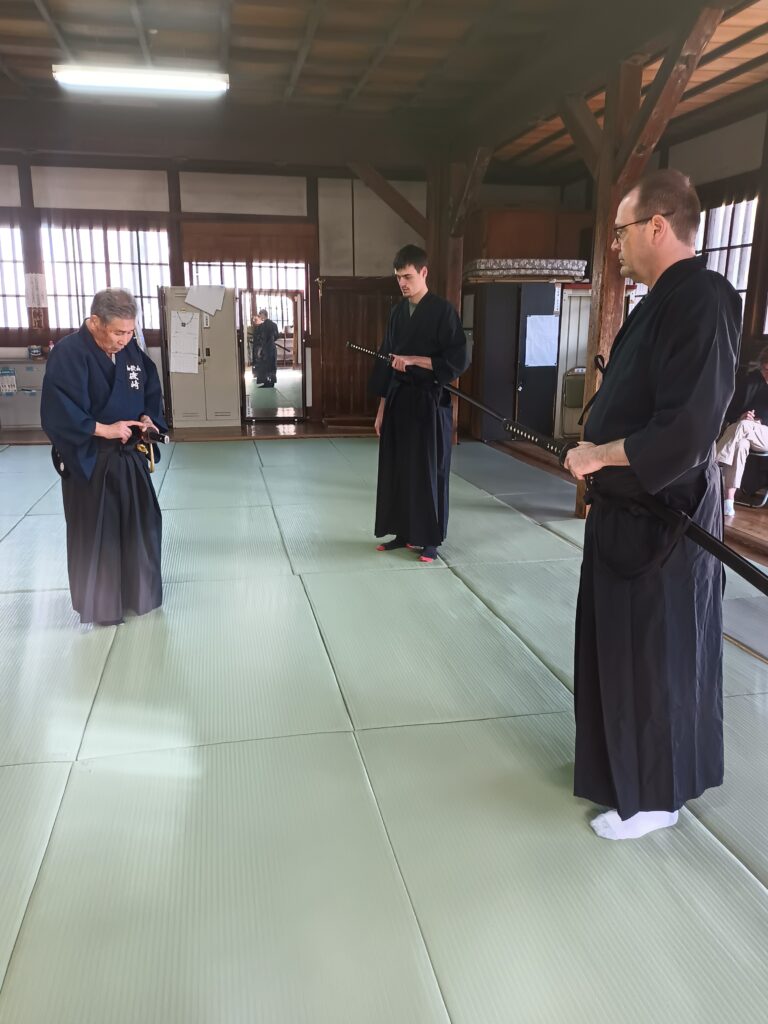
One of the most unique experiences available in Wakayama is practicing Tamiya-ryu Iaido, a traditional school of swordsmanship.
Unlike modern martial arts focused on competition, Iaido is about:
- Controlled movement
- Awareness
- Mental discipline
You’ll learn how to draw and return the sword in a single, precise motion—something that samurai trained for years to master.
It’s quiet, focused, and surprisingly introspective.
A Softer Side of Samurai Culture: Wagashi Making
To balance the intensity of sword practice, end your day with a wagashi (traditional sweets) making experience.
Wagashi are deeply connected to:
- Tea culture
- Seasonal expression
- Aesthetic sensitivity
In samurai society, these elements were just as important as martial skills.
Making your own sweets gives you a glimpse into this quieter, refined side of life.
More Than Activities: A Glimpse Into the Rhythm of Life
What makes this day special is not each activity on its own—but how they connect.
- Power (castle)
- Role (clothing)
- Discipline (Iaido)
- Refinement (food and sweets)
Together, they form a picture of how life once flowed in a samurai domain.
This is not a theme park version of Japan.
It’s a chance to experience a slower, more continuous rhythm—something that still exists in places like Wakayama.
Access from Osaka
Wakayama City is easy to reach:
- About 60–90 minutes from Osaka
- Direct trains available from Namba and Tennoji
That makes it an ideal day trip—or the starting point for a deeper journey into Wakayama’s coastal towns, fermentation culture, and rural landscapes.
Want a Deeper Experience?
This itinerary can be experienced independently, but many of the deeper elements—especially Iaido and cultural context—are difficult to access without local connections.
If you’re interested in:
- Private guided experiences
- Cultural interpretation beyond surface-level tourism
- Connecting this day to places like Yuasa (the birthplace of soy sauce)
feel free to reach out (👉 Contact).
Wakayama is not a place you simply visit.
It’s a place you begin to understand—slowly.
Continue Your Journey Beyond Wakayama City
A day around Wakayama Castle is just the beginning.
If you’re interested in experiencing the deeper cultural layers of Wakayama, consider extending your journey:
→ Discover the Birthplace of Soy Sauce in Yuasa
Walk through historic streets where Japanese shoyu was first developed, and visit traditional breweries still operating today.
👉 Read more: Why Yuasa Is the Birthplace of Shoyu Soy Sauce
→ Walk the Sacred Kumano Kodo Pilgrimage Routes
Step into one of Japan’s most spiritual landscapes, where nature and belief have shaped life for over 1,000 years.
👉 Read more: Kumano Kodo Travel Guide
→ Experience Rural Life and Slow Travel in Wakayama
Stay longer, slow down, and experience everyday life beyond sightseeing.
👉 Read more: Wakayama Slow Travel & Cultural Stays
Experience Wakayama More Deeply
If you’re looking for more than a typical tour, I offer private, customized experiences in Wakayama.
These are not fixed itineraries.
Each experience is designed based on your interests—whether that’s samurai culture, food, fermentation, or rural life.
You can combine:
- Samurai cultural experiences in Wakayama City
- Visits to traditional soy sauce breweries in Yuasa
- Hidden coastal villages and local food culture
- Pilgrimage routes in Kumano
👉 Contact me here
No responses yet