
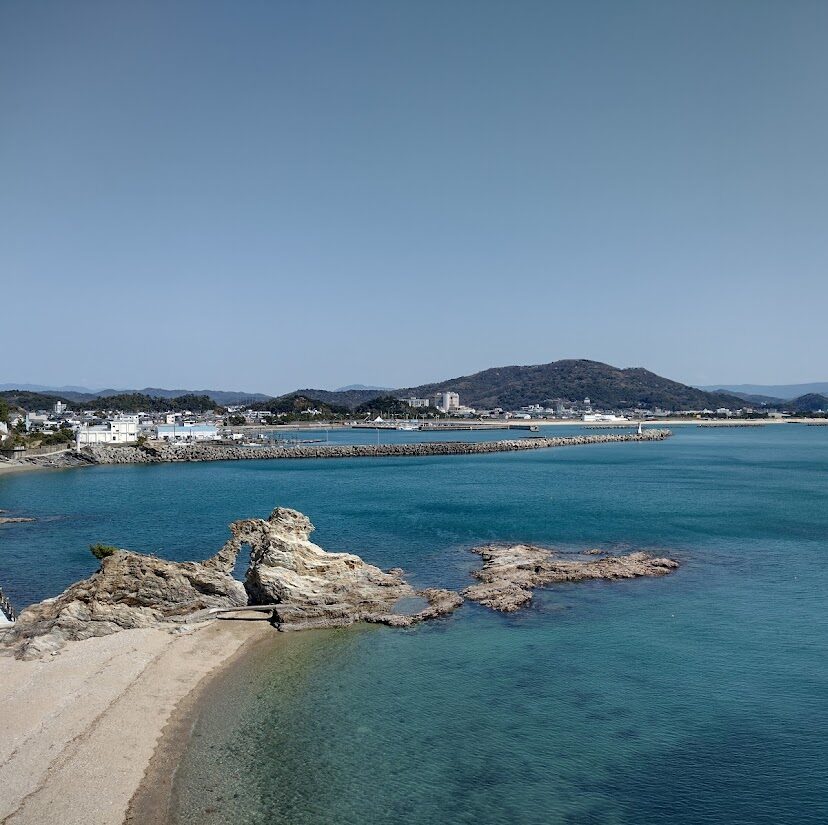
Beyond the sounds. Beyond the crowds.
Discover a Japan shaped by pilgrimage, power, and patience.
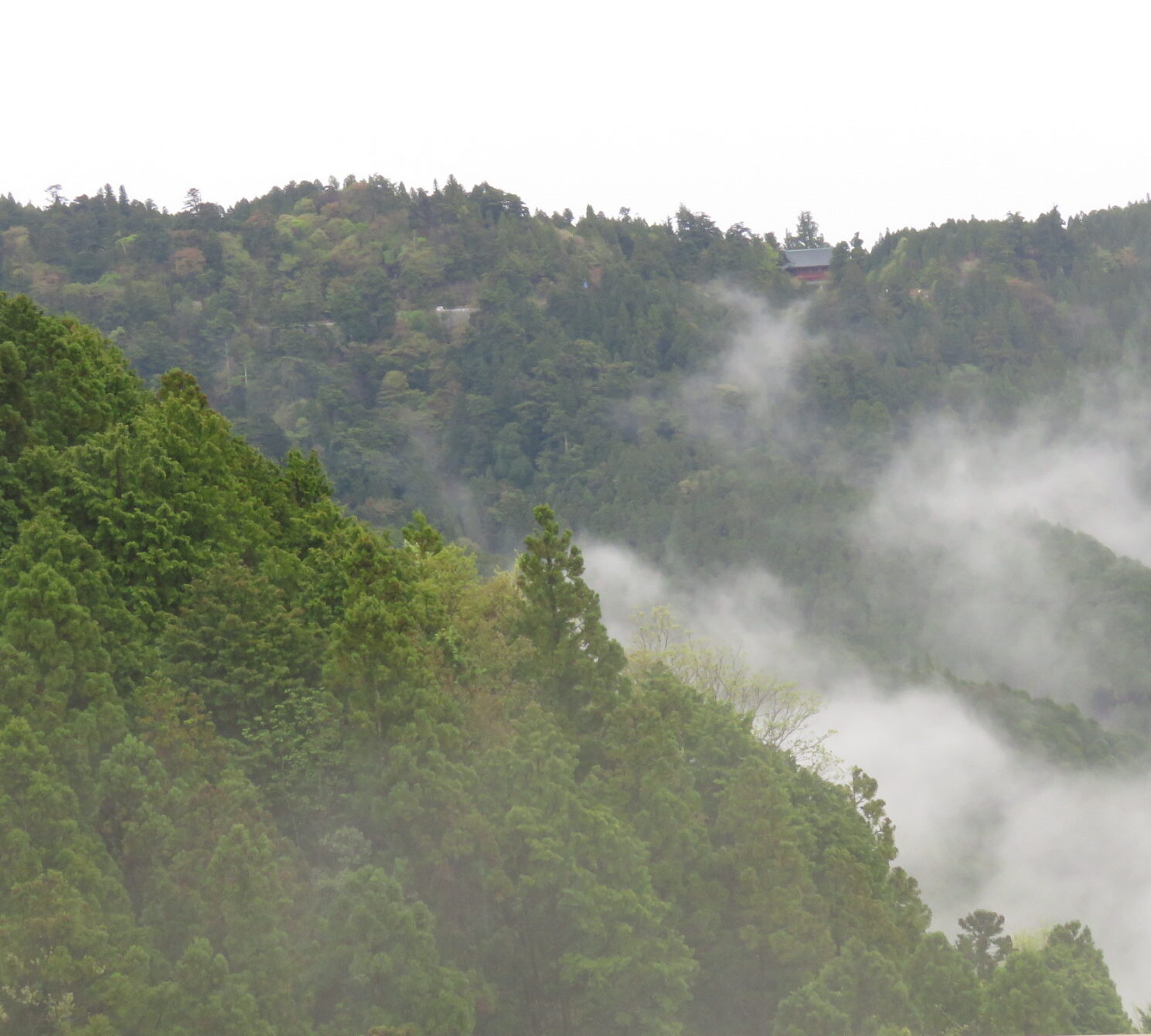
Sacred Landscapes – Pilgrimage & Spiritual Depth
In Wakayama, landscape is not merely scenery.
It is devotion carved into mountains, silence carried by cedar forests, and footsteps layered over a thousand years.
Here, travel becomes pilgrimage.
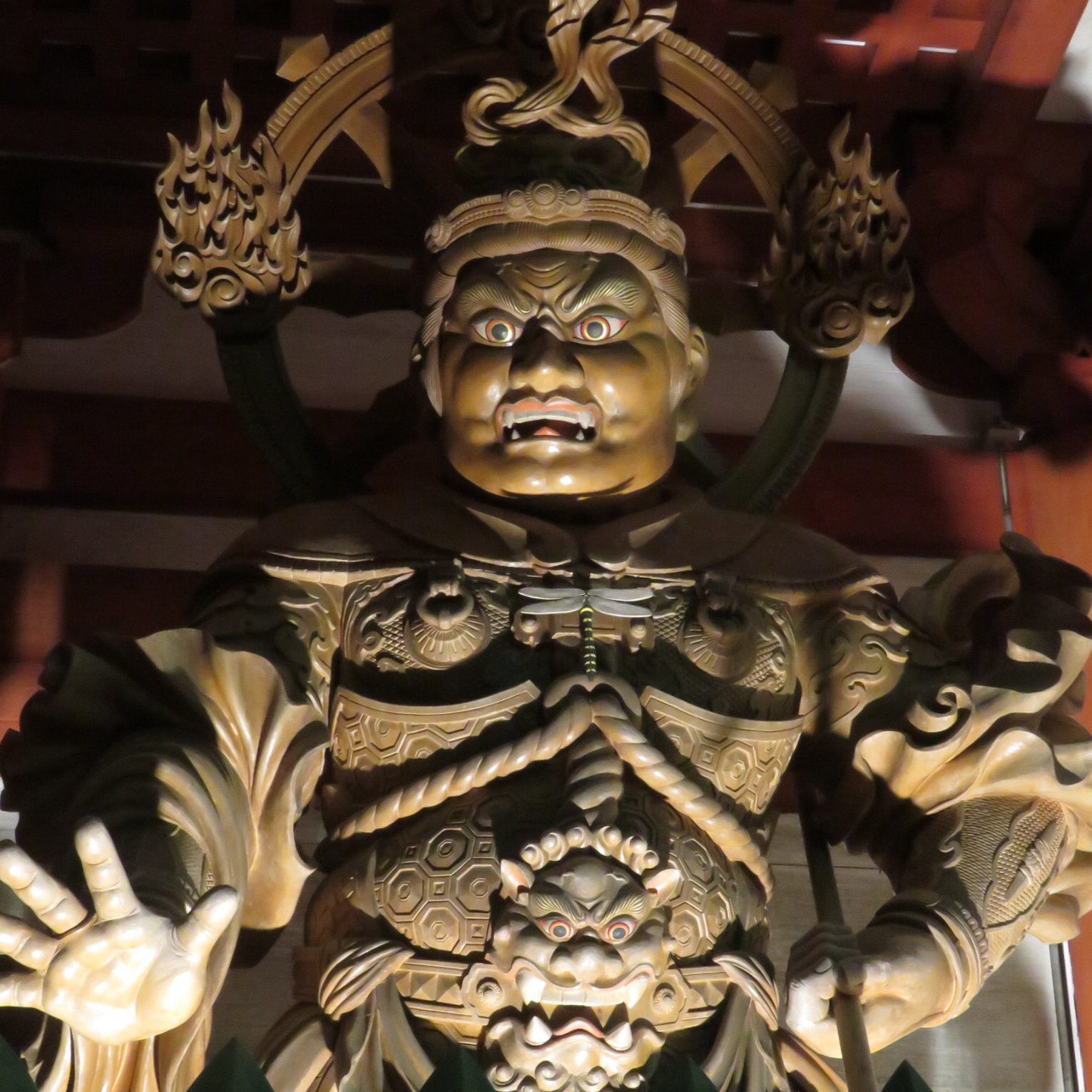
Koyasan
-The Mountains of Stillness
Founded in the 9th century by Kobo Daishi, Koyasan is the heart of Japanese esoteric Buddhism. Hidden among towering cedars, temple compounds and lantern-lit pathways lead visitors into a world where ritual, discipline, and contemplation remain alive.
Walk through Okunoin Cemetery at dawn, where mist lingers between ancient gravestones.
Enter temple halls where monks continue daily practices unchanged for centuries.
This is not a museum of faith.
It is a living sanctuary.
For discerning travelers, Koyasan offers something rare in modern Japan:
authentic spiritual continuity.
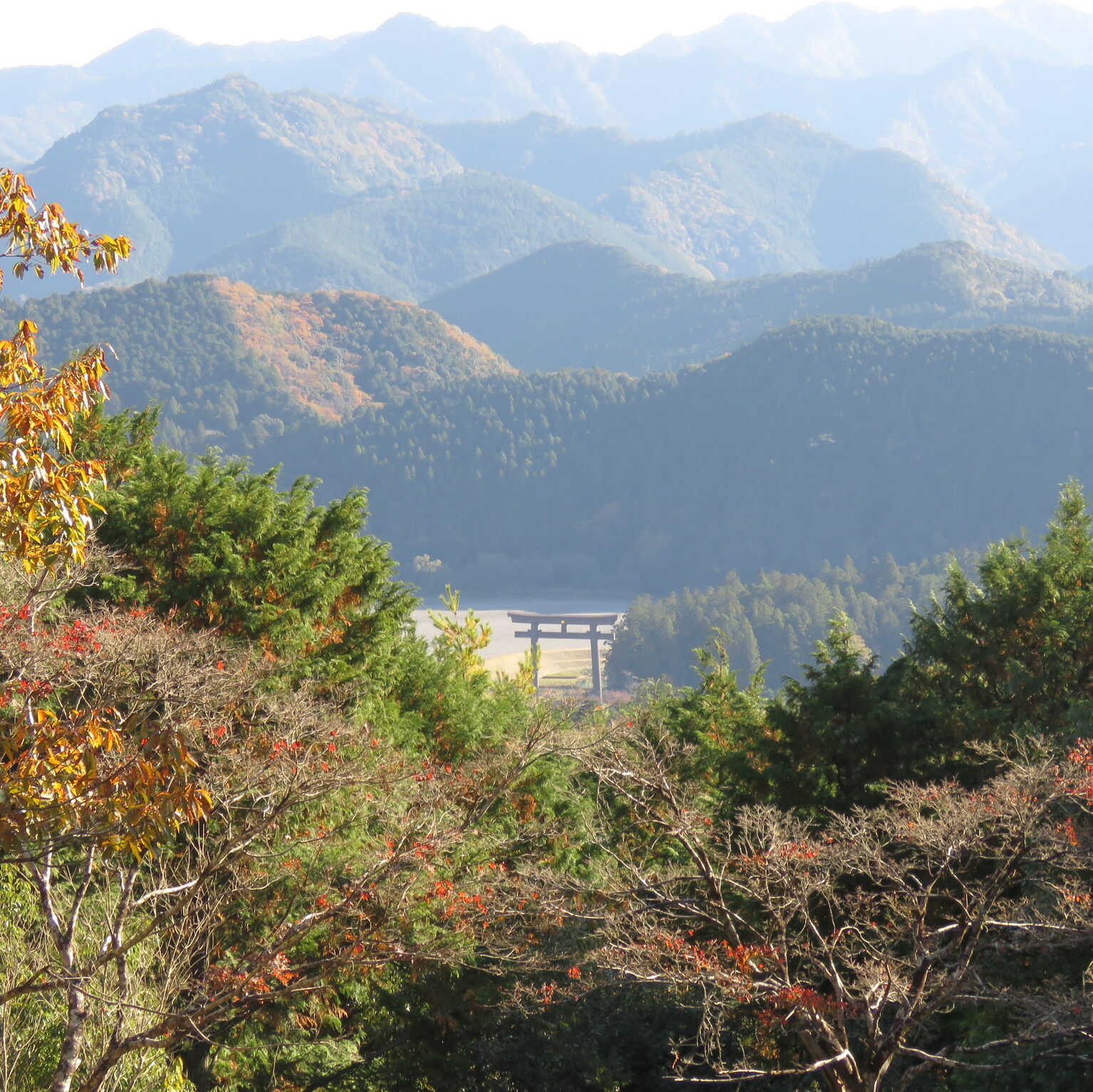
Kumano
– The Pass of resurrection
Long before leisure travel existed, emperors and aristocrats journeyed south along the Kumano Kodo in search of renewal.
These forested trails are more than hiking routes.
They are corridors of intention.
Stone steps softened by centuries of footsteps wind through moss-covered shrines and mountain villages. The rhythm of walking—steady, unhurried—becomes a meditation in itself.
Pilgrimage is not about distance.
It is about inward movement.
For many of our guests, a guided walk along a quiet section of the Kumano Kodo becomes the emotional center of their journey in Japan.
Why It Matters
While cities offer spectacle, Wakayama offers depth.
- Silence instead of crowds
- Ritual instead of performance
- Continuity instead of reconstruction
Sacred landscapes invite reflection.
They reward those who travel not only to see, but to understand.
In Wakayama, spirituality is not staged.
It breathes quietly in mountain air.
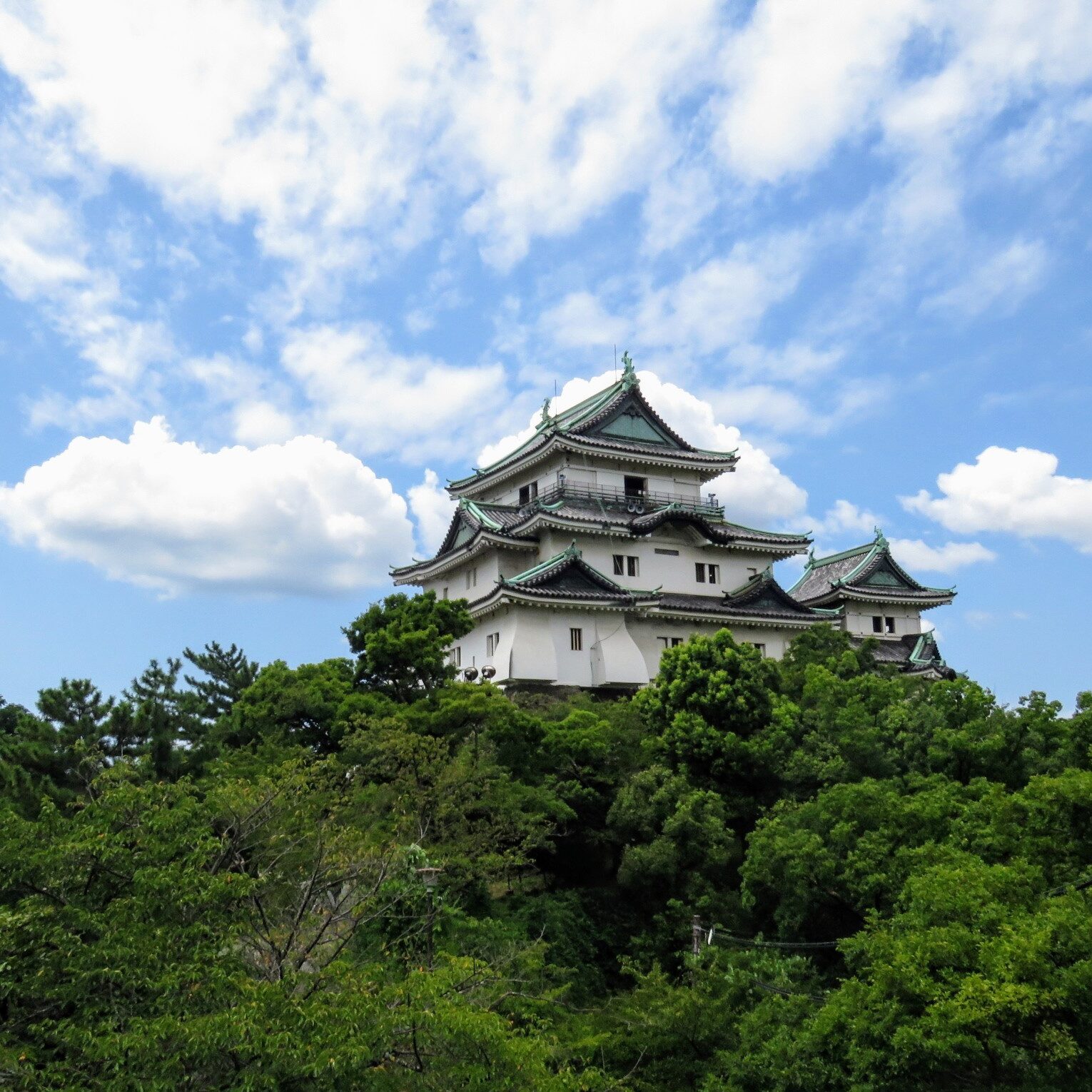
Refined Power – Feudal Elegance
In Wakayama, power was not expressed through spectacle alone.
It was refined, structured, and sustained across generations.
Here, feudal authority matured into cultural sophistication.
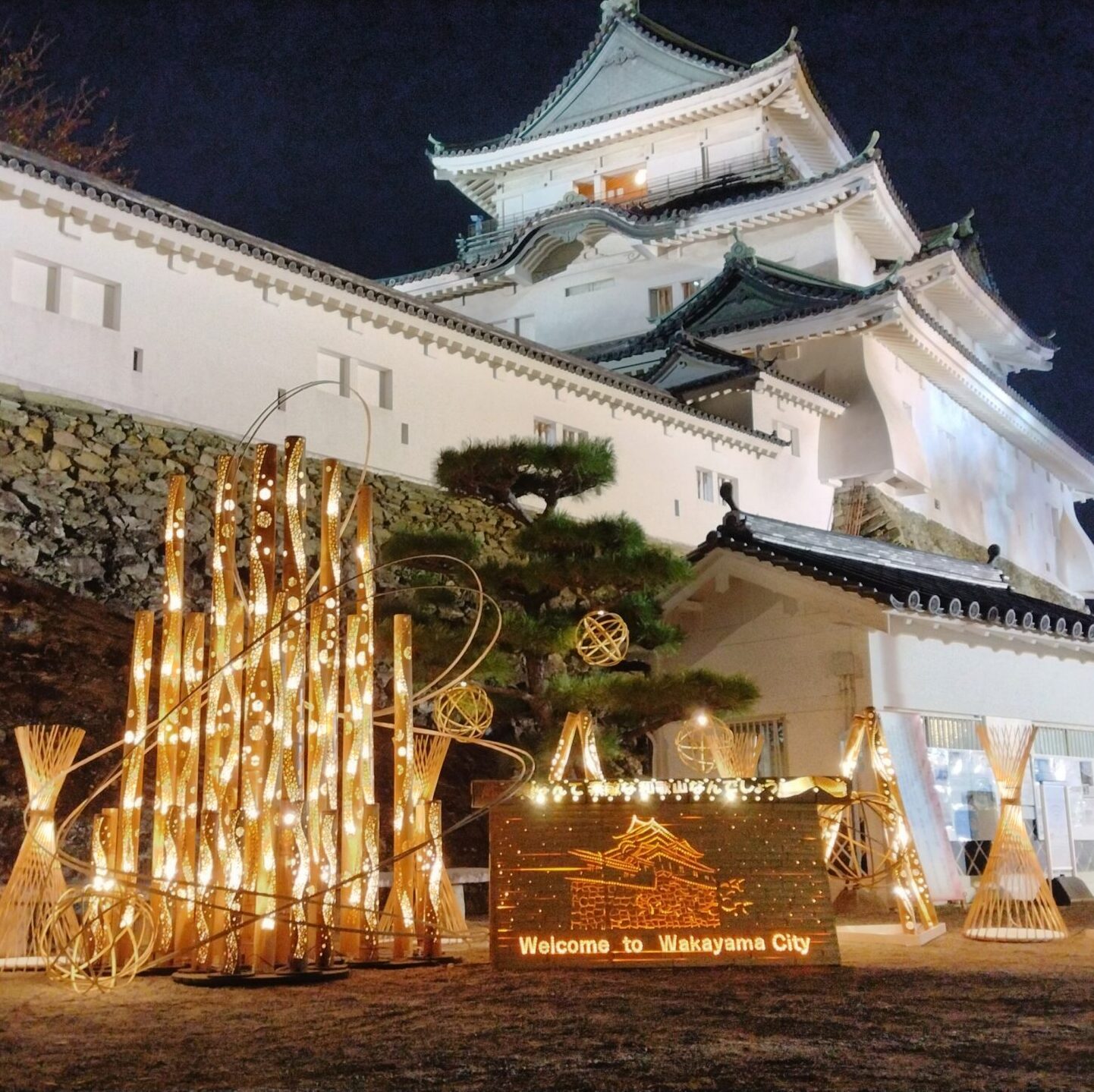
Wakayama Castle
– The Seat of the Tokugawa Legacy
Wakayama Castle was home to the Kishu Tokugawa clan—one of the three privileged branches of the Tokugawa family that ruled Japan for over 260 years.
This was not a frontier stronghold.
It was a center of governance tied directly to the shogunate.
Within its stone walls, political order was maintained through ceremony, education, and cultivated restraint. The aesthetics of the castle grounds—balanced gardens, elevated views, carefully proportioned architecture—reflect a philosophy of disciplined authority.
Power here was deliberate.
Measured.
Enduring.
Why It Matters
In many destinations, castles are monuments to conflict.
At Wakayama Castle, the deeper story is continuity.
As the seat of the Kishu Tokugawa—one of the three branches of the ruling Tokugawa family—Wakayama was not peripheral. It was structurally connected to the center of power that governed Japan for more than two and a half centuries.
This distinction changes the experience.
Here, visitors encounter not the drama of battlefield legend, but the architecture of stability—how authority was organized, refined, and sustained. Governance was expressed through ritual, education, aesthetics, and disciplined order.
For discerning travelers, this offers something rare:
- Insight into how Japan achieved long-term peace
- A lens into aristocratic culture beyond warfare
- An atmosphere of measured elegance rather than spectacle
While other historic sites impress through scale or ornamentation, Wakayama resonates through lineage and restraint.
Understanding this legacy transforms a castle visit into something more substantial:
an encounter with the political and cultural framework that shaped early modern Japan.
In Wakayama, power did not shout.
It endured.
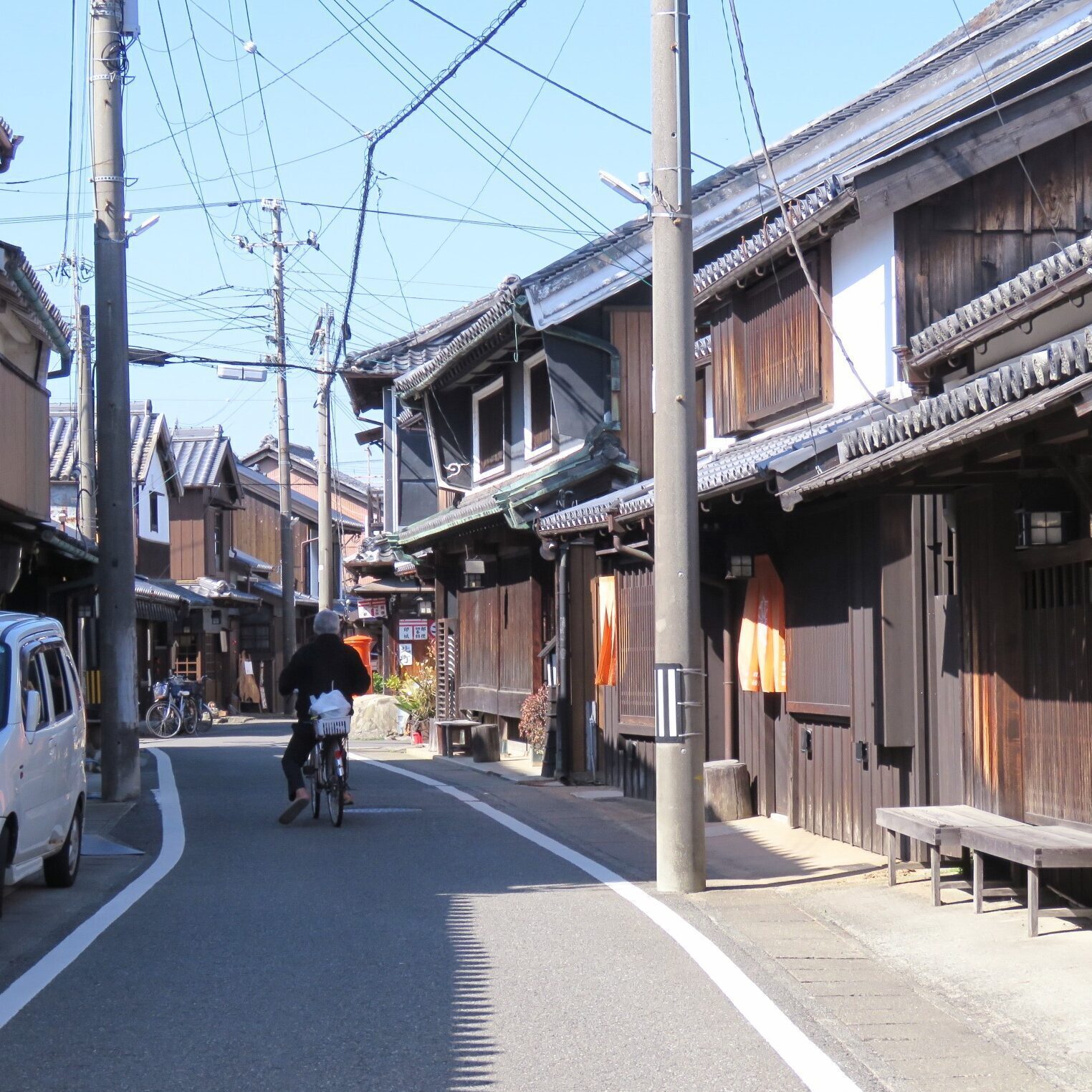
Heritage of Time – Fermentation & Craft
In Wakayama, time is not something to be saved.
It is something to be cultivated.
Across wooden storehouses and quiet coastal towns, generations have worked not to accelerate nature—but to collaborate with it.
Here, flavor is not manufactured.
It ripens.
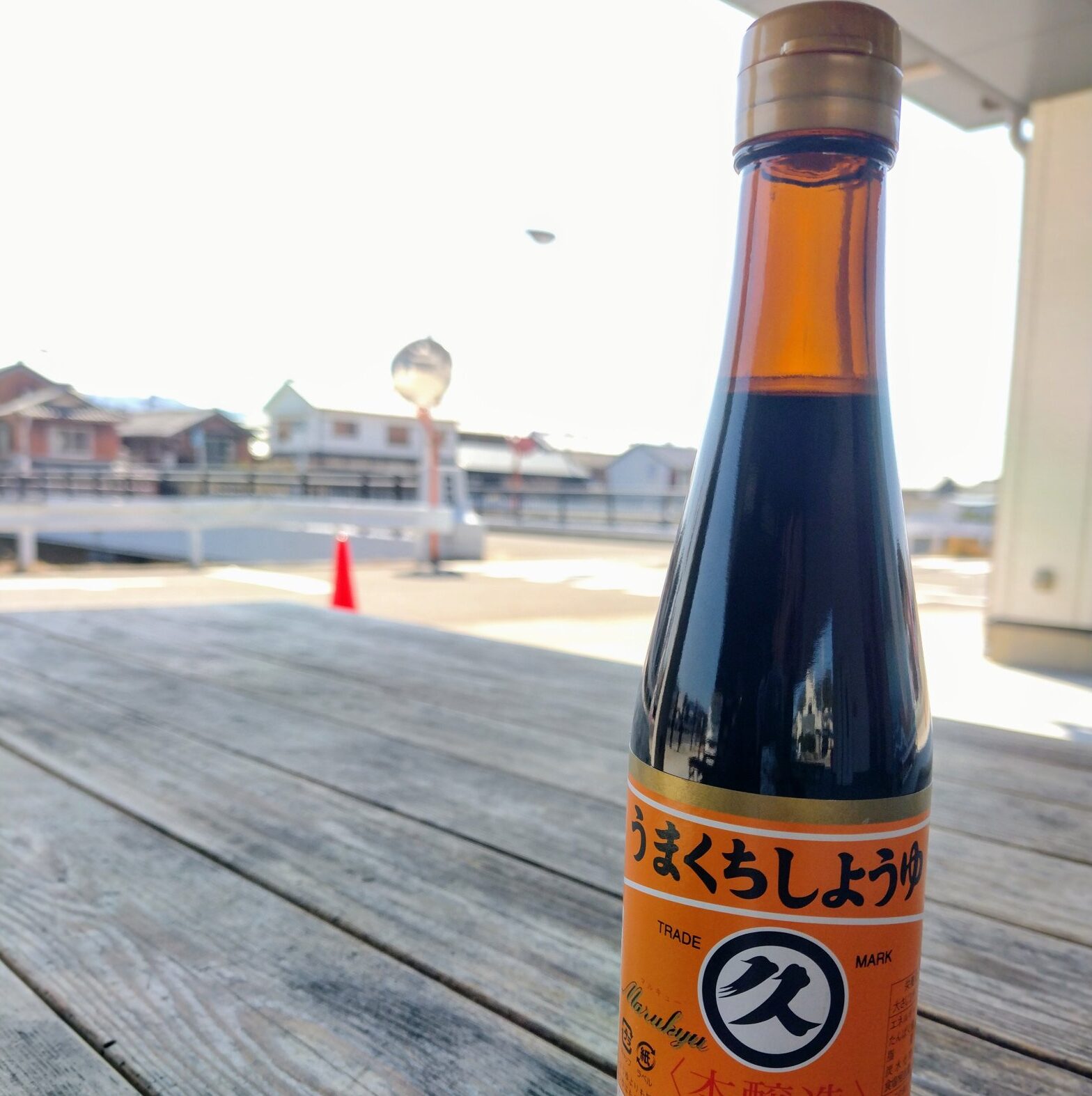
Yuasa
– Where Soy Sauce Found Its Voice
Yuasa is widely regarded as the birthplace of Japanese soy sauce.
What began centuries ago as a by-product of miso fermentation gradually evolved into something transformative: a liquid seasoning that would define Japanese cuisine.
Within traditional wooden breweries, massive cedar barrels still rest in dimly lit kura storehouses. Microorganisms—unseen yet essential—work slowly through the seasons.
Soy sauce here is not an industrial product.
It is a dialogue between climate, wood, grain, and time.
For guests familiar with wine estates or whisky distilleries, Yuasa offers a parallel world—one shaped by fermentation rather than grapes or grain.
Kinzanji Miso
– The Origin of Transformation
Before soy sauce, there was Kinzanji Miso.
This richly textured fermented paste, introduced through Buddhist culinary traditions, became the foundation from which soy sauce emerged. As fermentation progressed, liquid separated from the miso—revealing a new depth of flavor.
Soy sauce was not invented in a single moment.
It evolved.
Understanding Kinzanji Miso allows visitors to experience the lineage of taste—the quiet transformation that redefined Japanese cooking.
In this evolution lies a larger philosophy:
patience yields complexity.
Craft as Continuity
Fermentation in Wakayama is not nostalgia.
It is practice.
- Cedar barrels passed down through generations
- Recipes preserved within families
- Techniques guided by seasonal humidity and temperature
Craft here is measured not in trends, but in decades.
The result is subtlety—layers of umami that cannot be hurried.
Why It Matters
Luxury is often associated with rarity.
In Wakayama, rarity is time itself.
Fermentation represents a cultural attitude:
respect for process, trust in nature, and the willingness to wait.
For discerning travelers, tasting soy sauce or miso at its source is not a culinary stop—it is an encounter with Japan’s philosophy of transformation.
In Wakayama, time is the most precious ingredient.
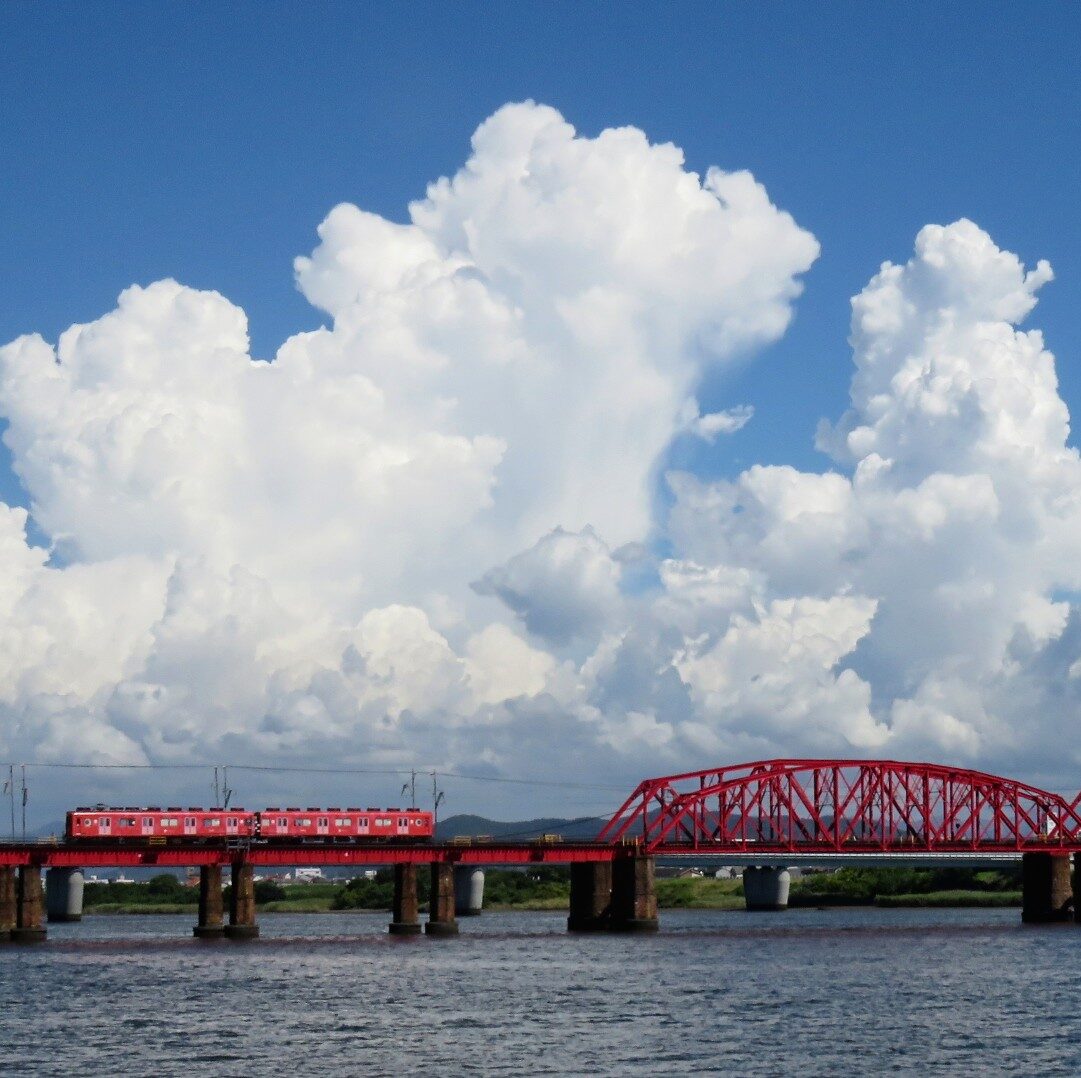
Nature in Motion – Hiking & Coastal Landscapes
In Wakayama, nature is not a backdrop.
It is an active presence—shaping belief, movement, and memory.
Mountains rise abruptly from the sea. Forest trails dissolve into mist. Limestone cliffs meet cobalt waters.
Here, landscape is experienced not from a distance, but from within.
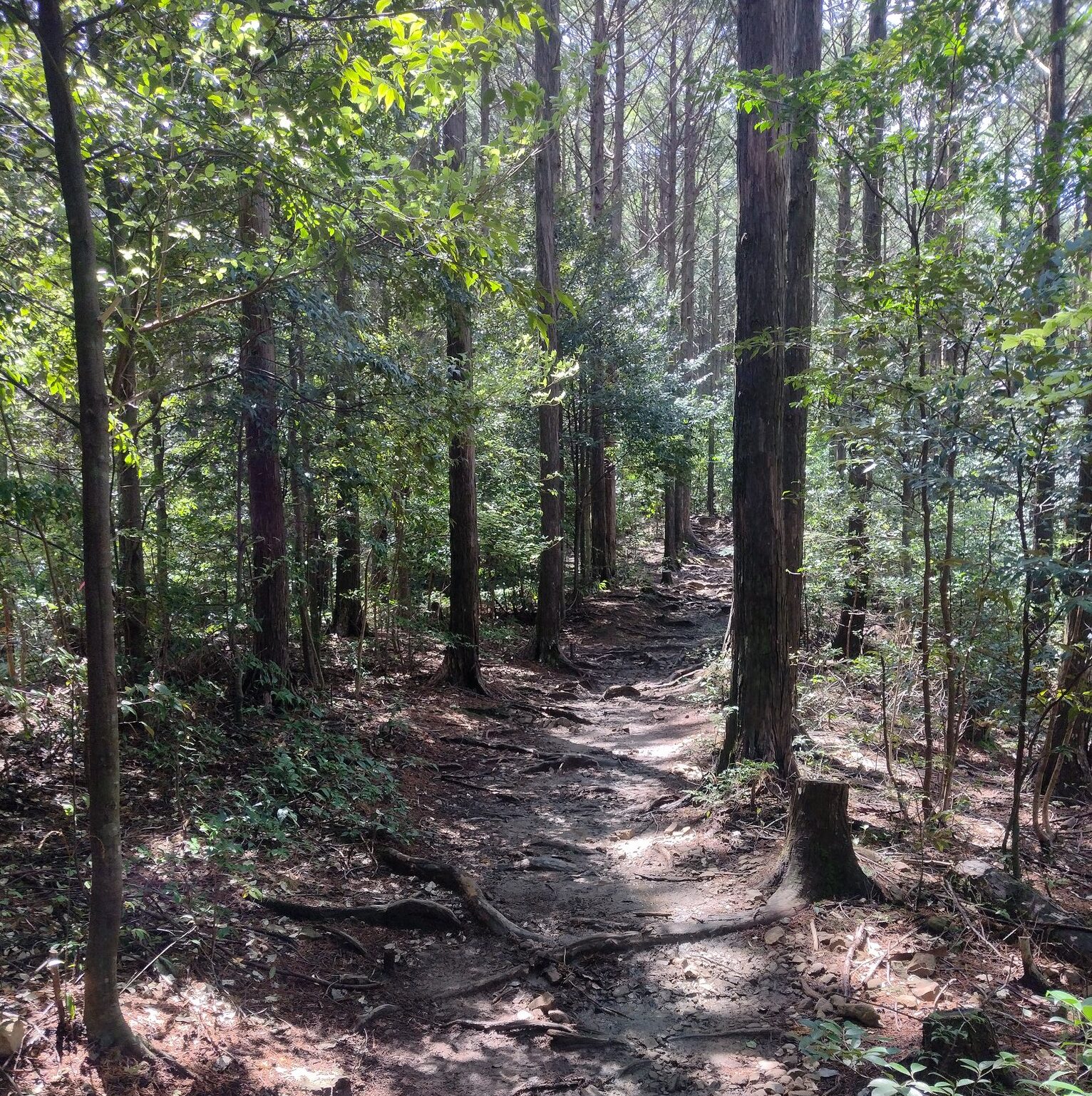
Kumano Kodo
– Walking the Sacred Forests
The Kumano Kodo is not only a spiritual corridor—it is an immersion into living terrain.
Ancient stone paths wind through cedar groves and mountain villages where seasons dictate rhythm. Each step reveals subtle shifts in light, scent, and sound.
This is not performance hiking.
It is contemplative movement.
For guests seeking depth rather than adrenaline, even a carefully chosen short section of the trail offers profound connection—to history, to landscape, and to oneself.
Walking becomes awareness.
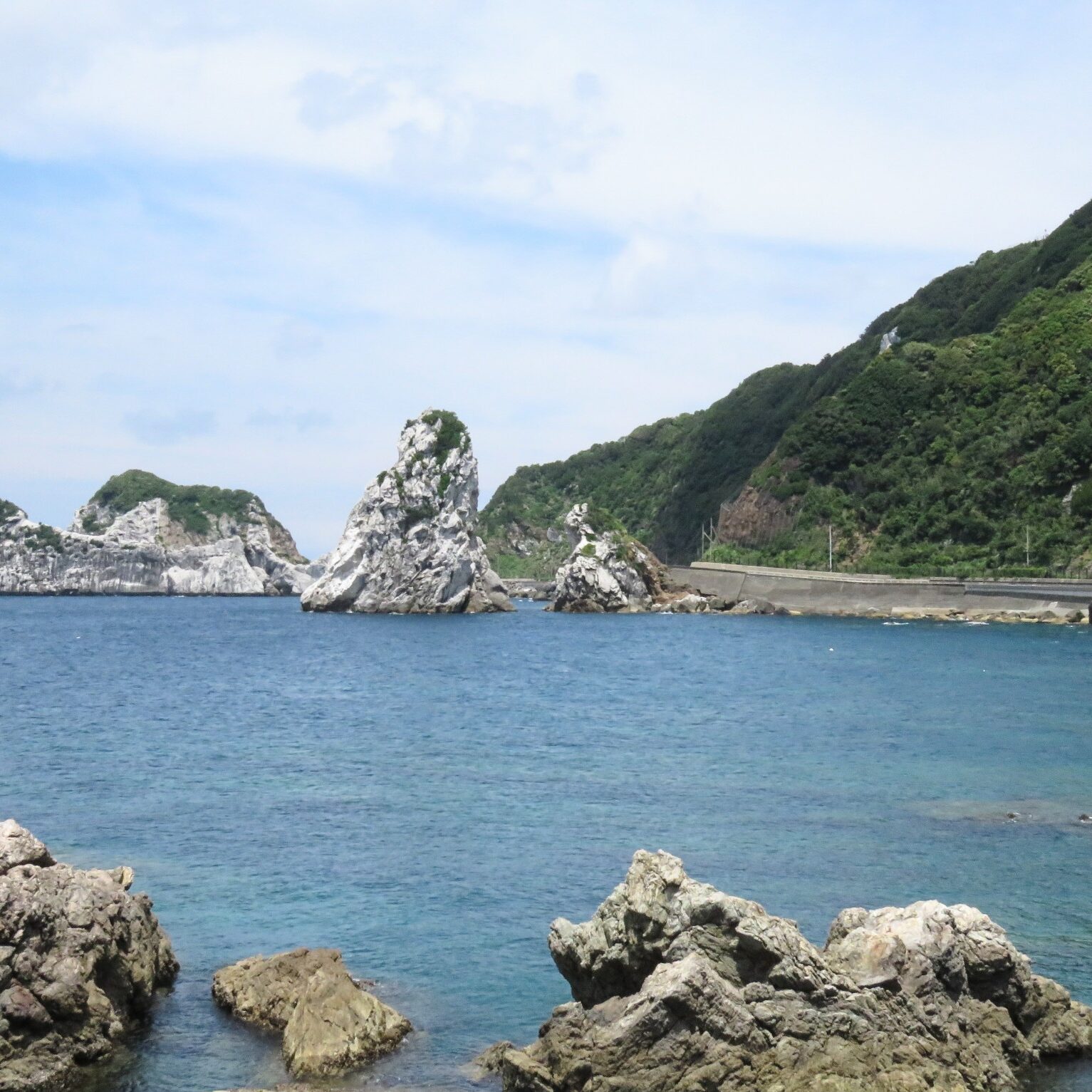
Shirasaki Coast
– Where Stone Meets Sea
Along Wakayama’s western coast, dramatic white limestone formations rise against deep blue waters.
Shirasaki Coast feels almost Mediterranean in clarity, yet distinctly Japanese in atmosphere—minimal, wind-shaped, elemental.
Stand at the cliffs and the horizon feels uninterrupted.
The air carries salt and distance.
This is nature in contrast: stone and water, permanence and motion.
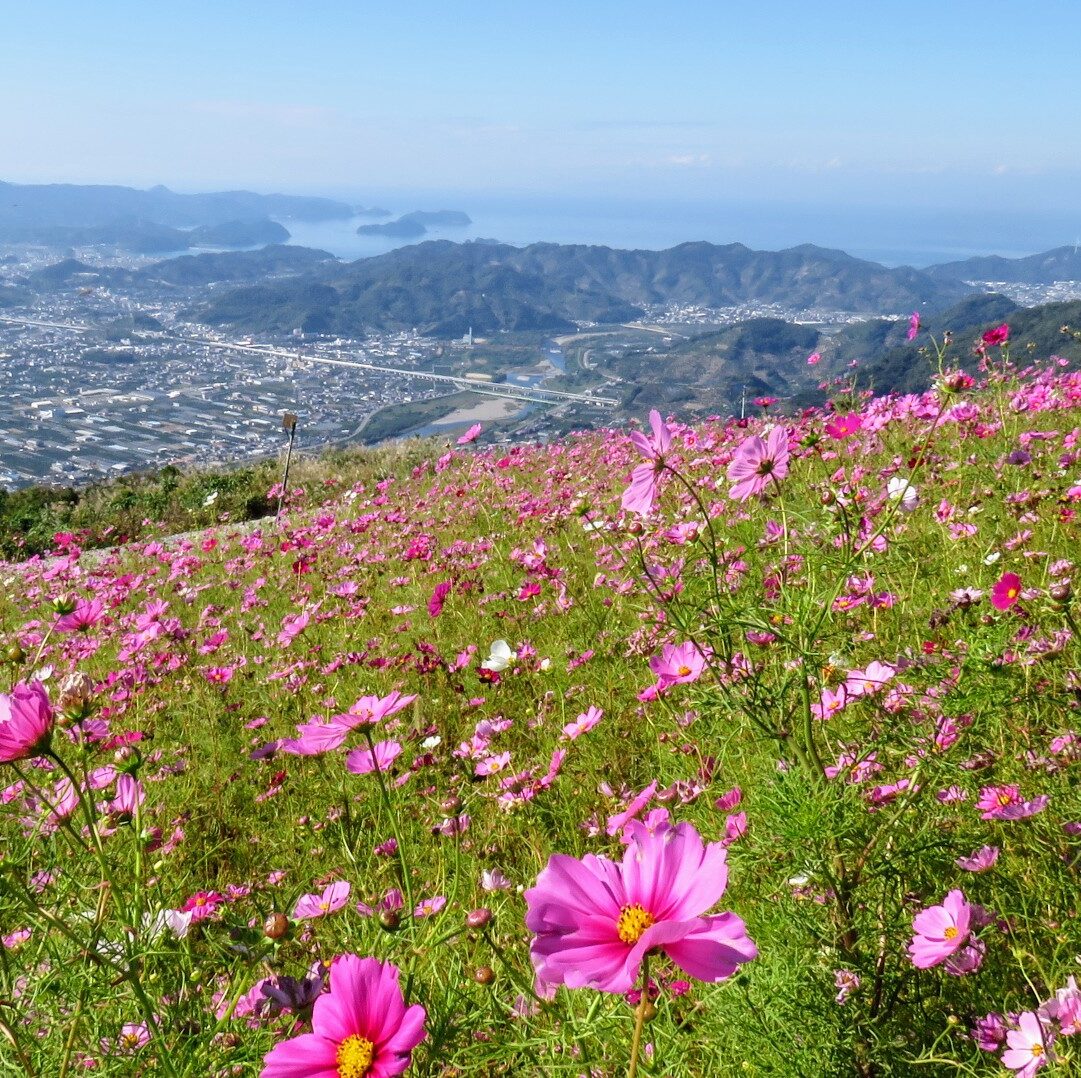
Seasonal Immersion
Wakayama’s landscapes transform with the calendar:
Spring blossoms along mountain trails
Lush summer greenery in cedar forests
Autumn foliage igniting pilgrimage paths
Crisp winter light over coastal cliffs
Nature here is not static scenery.
It is cyclical expression.
For travelers attuned to seasonality, timing becomes privilege.
Why It Matters
In an era of curated experiences, true immersion is rare.
Wakayama offers space—literal and emotional.
- Trails without congestion
- Coastlines without spectacle tourism
- Landscapes that invite presence rather than performance
Nature in motion reminds us that travel need not always accelerate.
Sometimes, the most meaningful journeys unfold step by step, breath by breath.
In Wakayama, landscape does not demand attention.
It rewards attentiveness.
Seasonal Luxury – Fruits & Gastronomy
In Wakayama, luxury is not defined by excess.
It is defined by season.
Here, flavor follows climate, sunlight, and soil. What appears on the table is inseparable from the land that produced it.
To taste Wakayama is to taste timing.

Orchard Culture – The Privilege of Ripeness
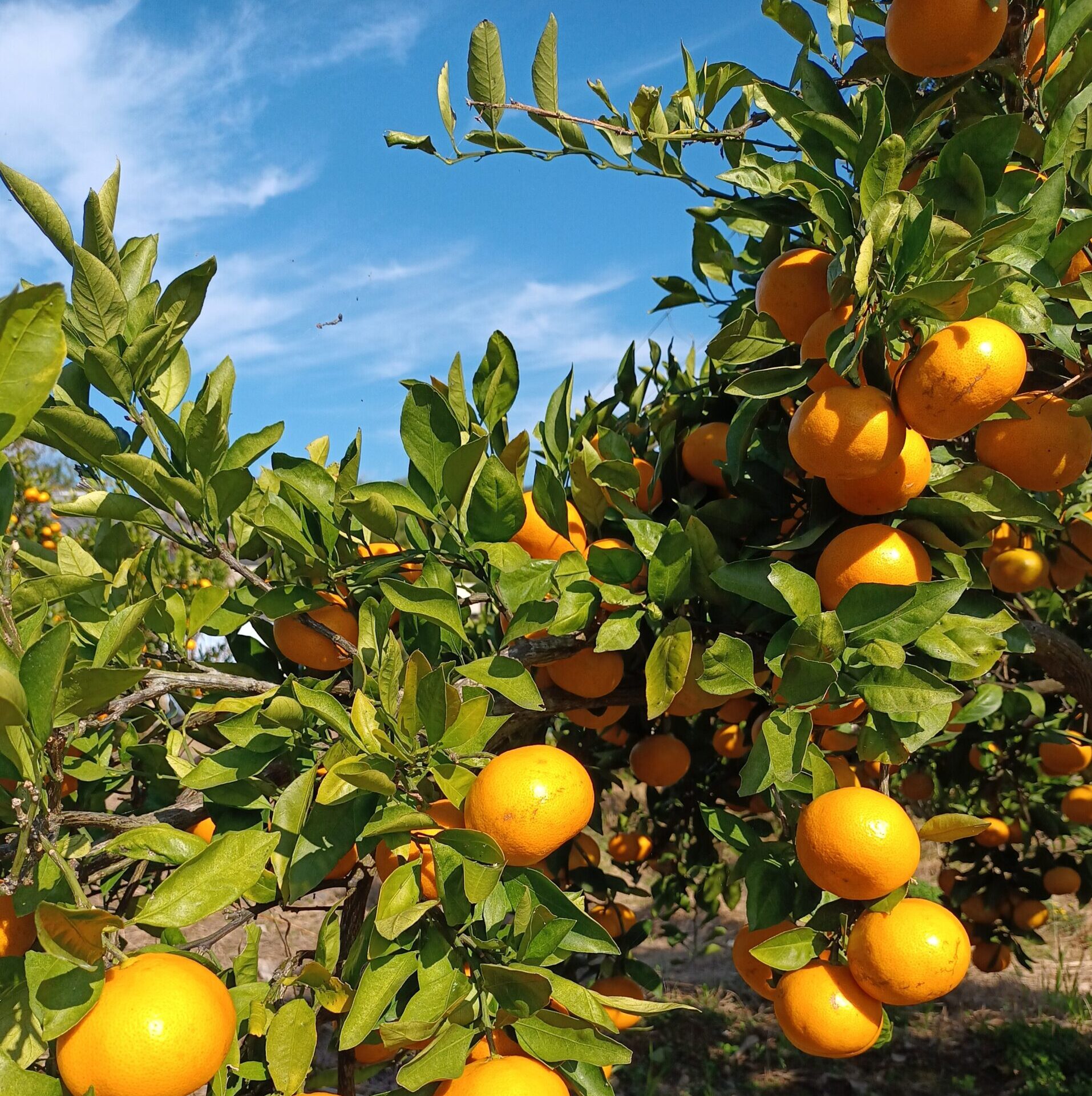
Wakayama is one of Japan’s most celebrated fruit-producing regions.
Hillsides and river valleys nurture orchards where cultivation is guided by generational knowledge and careful observation of microclimates.
- Fresh strawberries in early spring
- Fragrant peaches in early summer
- Luminous citrus in winter
- Elegant persimmons in autumn
Fruit here is not merely sweet.
It is precise.
Harvest windows are brief. Ripeness is monitored daily. Texture, acidity, and aroma must align perfectly before picking.
For discerning travelers, this offers something rare:
the opportunity to experience produce at its exact seasonal peak—often unavailable outside Japan.
Seasonality becomes exclusivity.
Coastal & Mountain Bounty
Geography shapes cuisine.
Mountain vegetables from forested slopes.
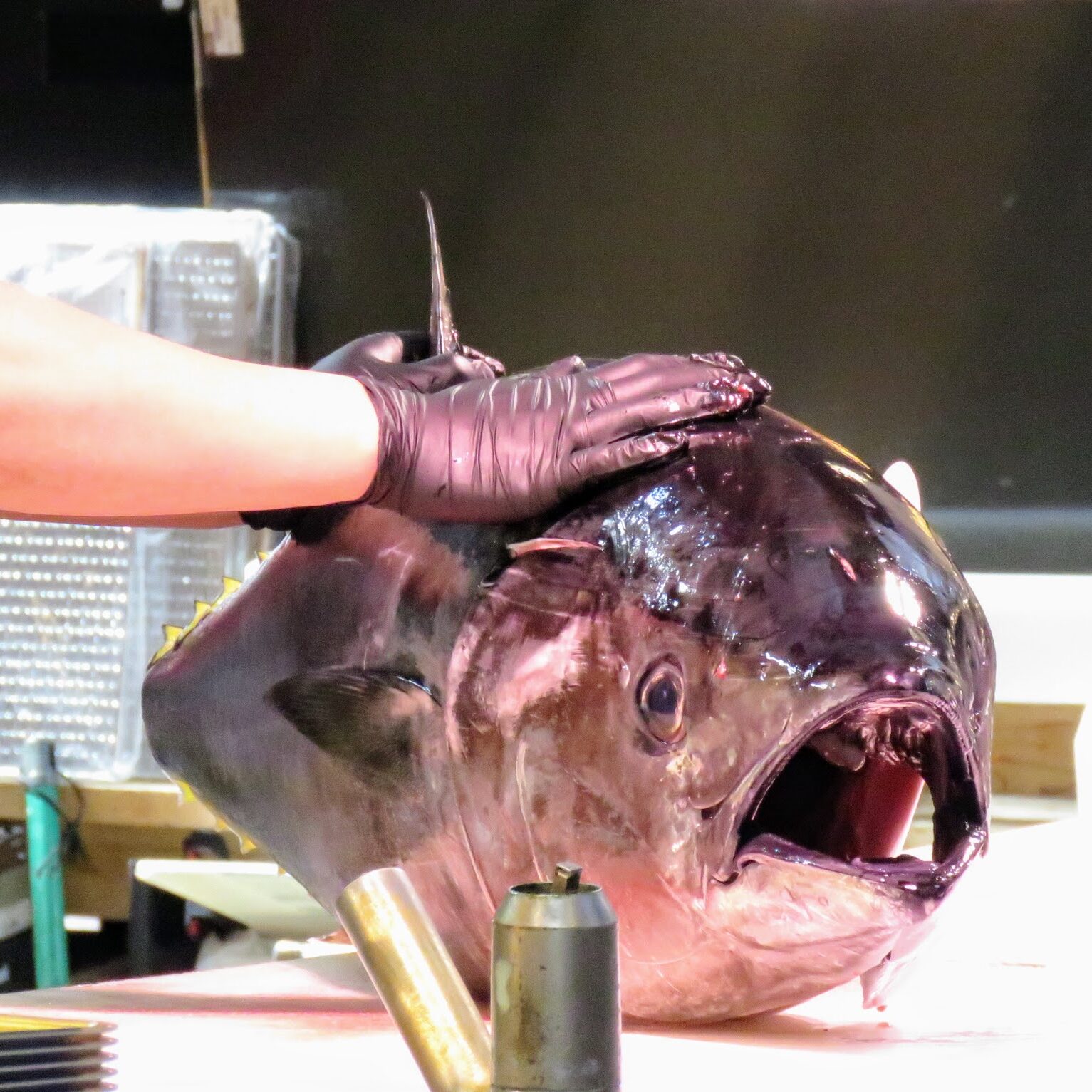
Fresh seafood from the Kii Channel.
Citrus groves overlooking the sea.
Wakayama’s compact landscape allows land and ocean to influence one another, creating a cuisine of balance—bright yet grounded, delicate yet structured.
Meals here feel regional in the truest sense: inseparable from place.
Why It Matters
True luxury is often described as rarity.
In Wakayama, rarity is seasonal alignment.
- Fruit harvested at peak maturity
- Fermented flavors shaped over months or years
- Ingredients sourced within sight of where they are served
This is not abundance for display.
It is abundance with intention.
For travelers who value authenticity over spectacle, Wakayama’s gastronomy offers something quietly profound:
the experience of a region expressing itself through taste.
In Wakayama, the finest ingredient is timing.
Why Wakayama for Discerning Travelers?
Not every destination in Japan is meant for everyone.
Wakayama is not built around spectacle.
It does not compete for attention.
It rewards those who look beyond the obvious.
For discerning travelers, this distinction matters.
Depth Over Display
While Japan’s major cities offer grandeur and visual impact, Wakayama offers immersion.
- Pilgrimage routes walked for over a millennium
- A Tokugawa legacy rooted in disciplined governance
- Fermentation traditions shaped slowly by climate and craft
This is not curated entertainment.
It is continuity.
Travel here becomes layered—historical, spiritual, and sensory.
Space & Silence
Luxury today is increasingly defined by what is absent:
- Fewer crowds
- Less noise
- More time
In Wakayama, silence is not engineered.
It is natural.
Mountain temples at dawn.
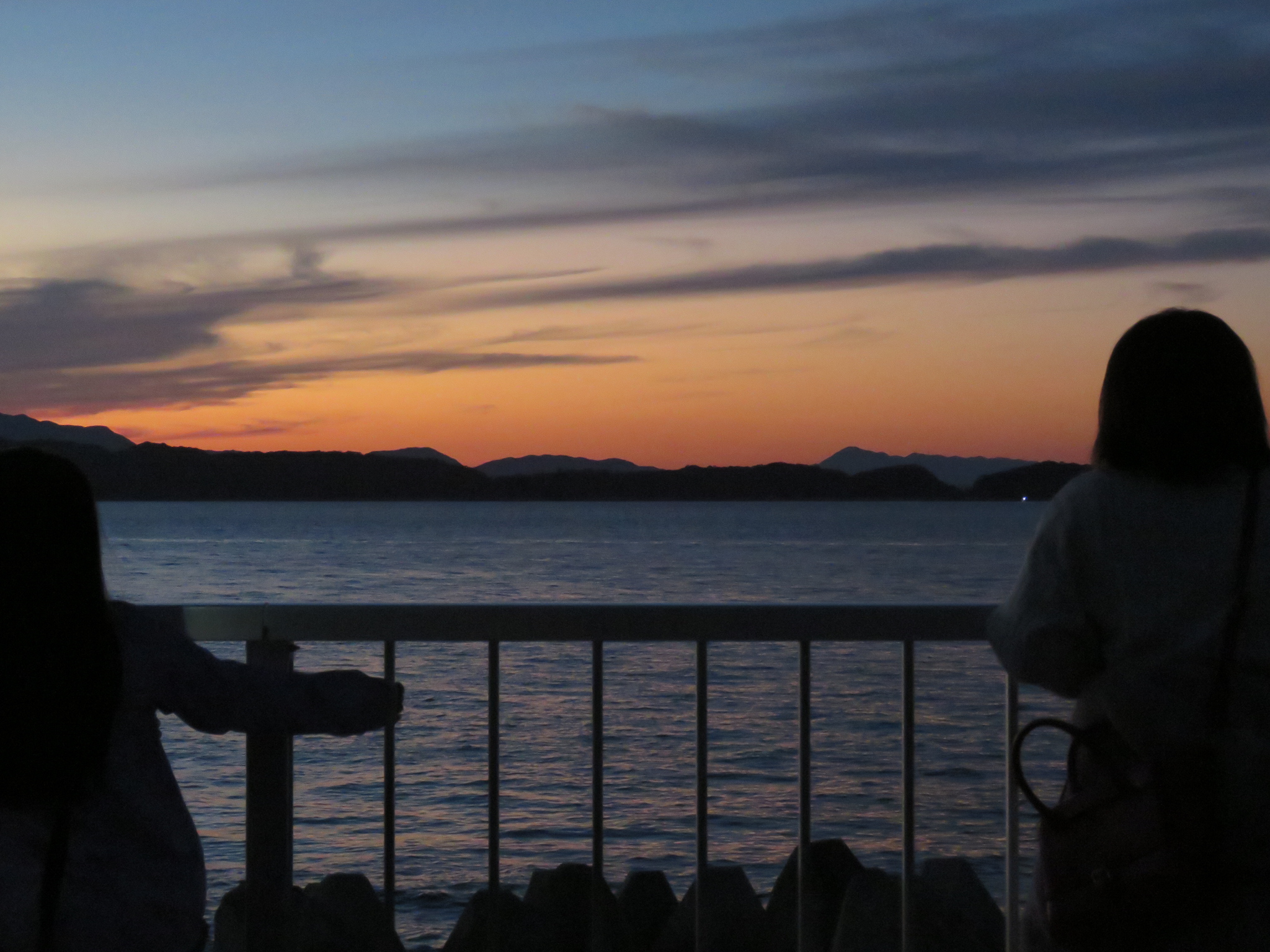
Coastal horizons uninterrupted by skyline.
Castle grounds where wind moves through trees without distraction.
Space allows reflection.
And reflection elevates travel.
Authentic Access
Wakayama’s cultural scale makes private encounters possible:
- Conversations inside working breweries
- Guided walks along lesser-known pilgrimage sections
- Seasonal orchard visits shaped around harvest timing
Here, access feels personal rather than transactional.
Craft is practiced, not performed.
Time as Luxury
Across pilgrimage paths, feudal heritage, and fermentation culture, one theme unites Wakayama:
Time.
- Time walked
- Time governed
- Time matured
For those who have learned to value time above all else, Wakayama resonates deeply.
It is a destination that does not rush to impress.
It unfolds.
A Different Kind of Prestige
Kyoto may symbolize imperial elegance.
Tokyo may represent modern dynamism.
Wakayama represents something quieter:
continuity without spectacle, refinement without excess.
For travelers who seek meaning rather than monuments, Wakayama is not a detour.
It is a deliberate choice.
Your Journey Begins Here
Wakayama is not a destination to be rushed.
It is a place to be entered thoughtfully—guided by context, shaped by season, and tailored to your pace.
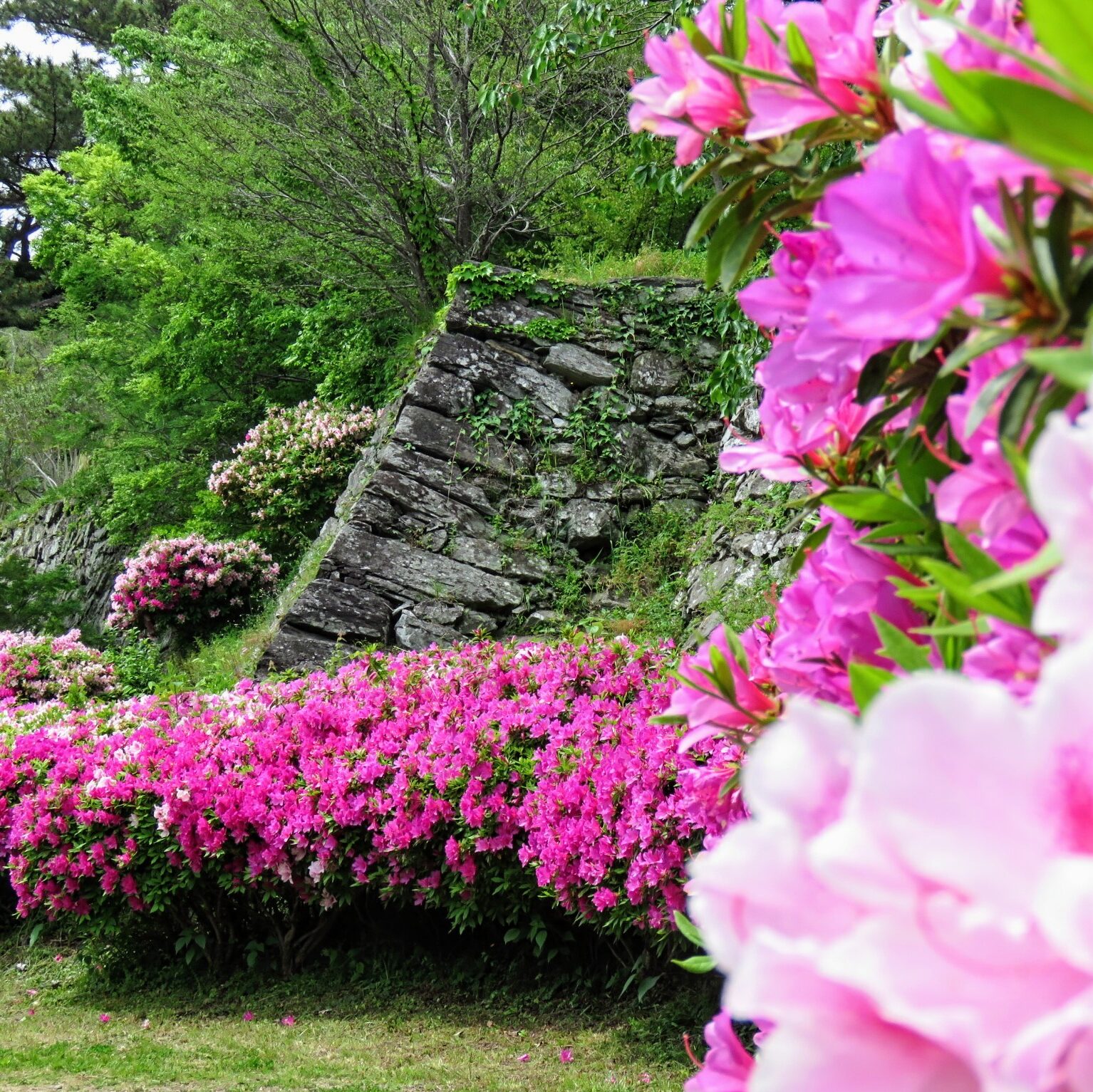
Whether you are drawn to the quiet paths of Kumano Kodo, the refined legacy of Wakayama Castle, or the living fermentation culture of Yuasa, each journey can be curated with intention.
We design private cultural experiences for travelers who value:
- Depth over speed
- Context over checklist tourism
- Meaningful encounters over mass itineraries
Every itinerary is thoughtfully arranged around your interests, travel style, and the season of your visit.
Explore Your Options
Private Wakayama Experiences
Carefully crafted journeys highlighting Wakayama’s spiritual, historical, and culinary heritage.
Bespoke Premium Journeys
Fully customized itineraries designed exclusively for you—whether for a focused day excursion or a multi-day immersion.
Wakayama reveals itself gradually.
The right guidance ensures it reveals itself fully.