
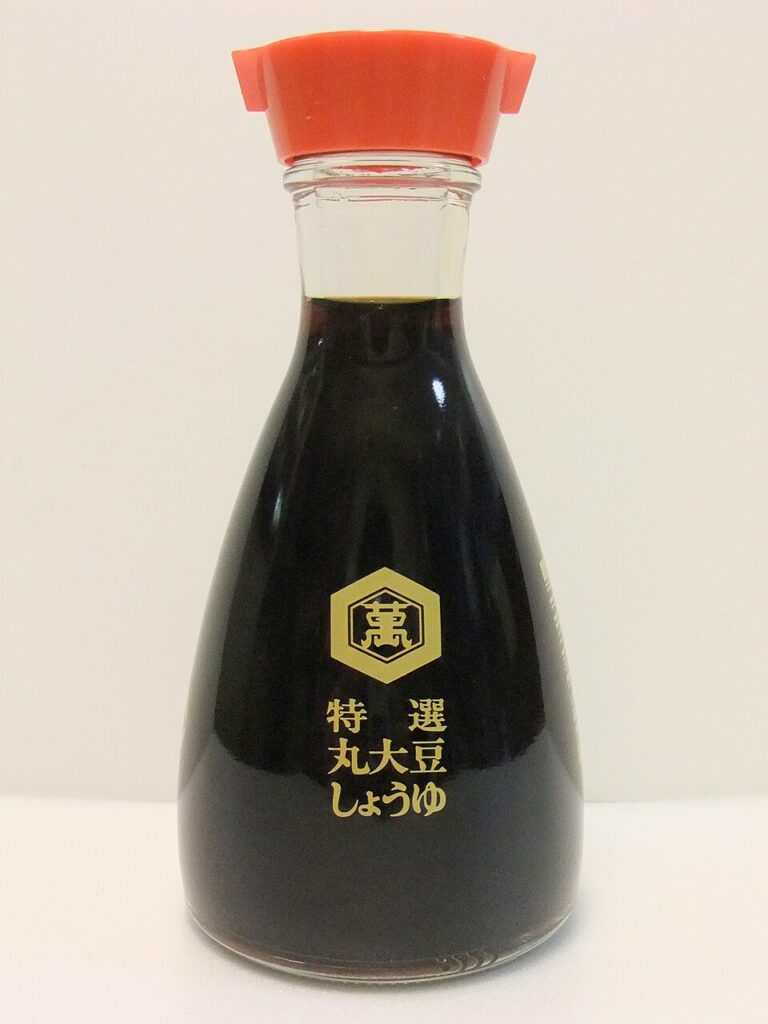
Soy sauce is one of the most essential elements of Japanese cuisine—but for many visitors, it remains surprisingly misunderstood.
In Japan, soy sauce is known as shoyu, a traditional fermented seasoning that has shaped the country’s taste for centuries.
What Is Soy Sauce (Shoyu)?
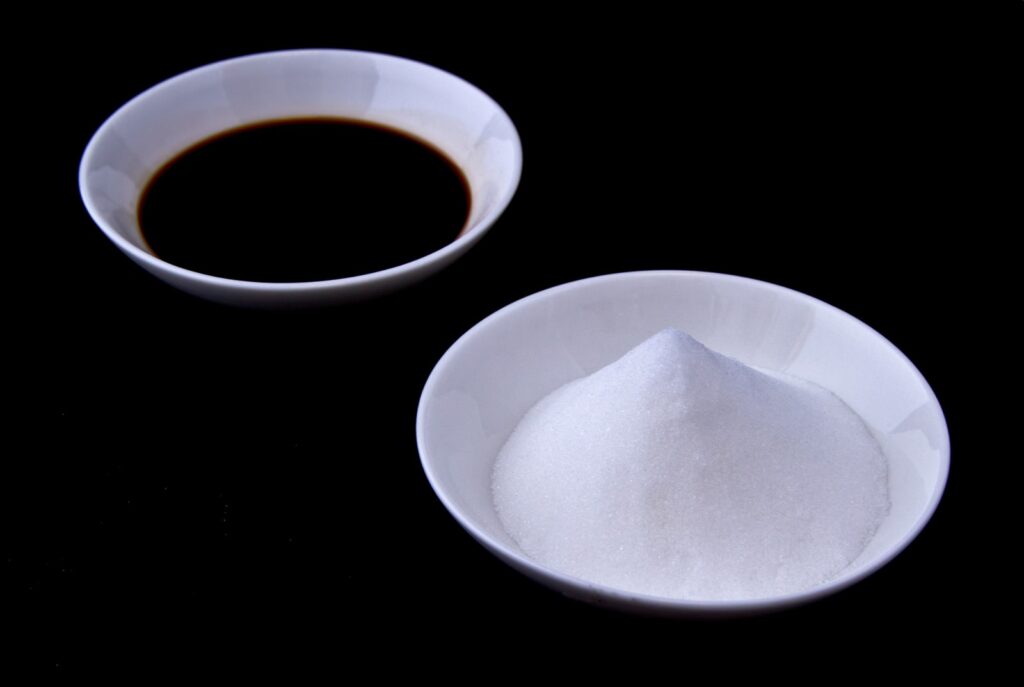
Soy sauce, or shoyu, is a fermented liquid made from:
- Soybeans
- Wheat
- Salt
- Water
Through a long and natural fermentation process, these simple ingredients transform into a deeply complex seasoning rich in umami.
The Fermentation Process Behind Shoyu
Traditional shoyu is made through a slow, natural process that can take months or even years.
Step 1: Koji (麹)
A mold culture is cultivated on soybeans and wheat.
Step 2: Moromi Mash
The mixture is combined with saltwater and begins fermentation.
Step 3: Aging & Pressing
The mash is aged over time, then pressed to produce soy sauce.
This process creates:
- Amino acids (umami)
- Aromatic complexity
- Deep, layered flavors
Why Does Shoyu Taste So Complex?
Unlike simple salty seasonings, shoyu contains natural glutamates created during fermentation.
This results in:
- Depth rather than intensity
- Balance rather than sharpness
In Japanese cuisine, shoyu enhances ingredients instead of overpowering them.
Types of Shoyu
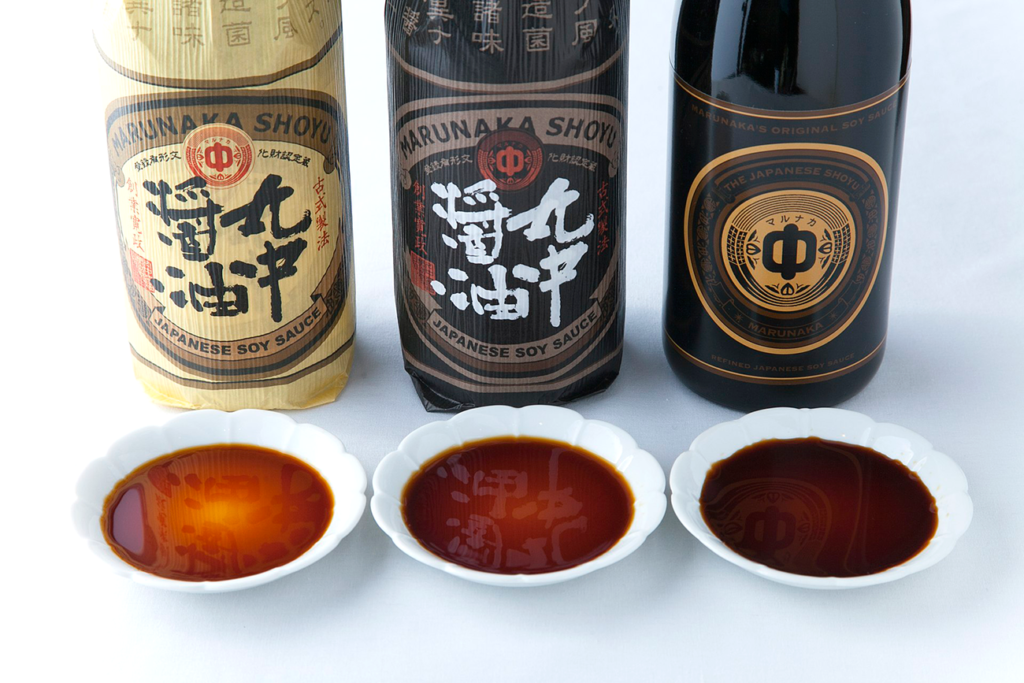
In Japan, different styles of shoyu reflect regional food cultures:
- Koikuchi (dark soy sauce) – the most common
- Usukuchi (light soy sauce) – often used in Kansai cuisine
- Tamari – richer and thicker
- Shiro (white soy sauce) – unique savory aroma and subtle sweetness
Each type offers a different expression of fermentation.
Shoyu and Japanese Culture
Shoyu is more than just soy sauce—it represents:
- The importance of fermentation
- The concept of umami
- A philosophy of harmony in cooking
It is deeply embedded in everyday Japanese life.
Where to Experience Real Shoyu
While soy sauce is used across Japan, there is one place where its story truly begins:
👉 Yuasa
This small coastal town is considered the birthplace of Japanese shoyu, where traditional brewing methods are still preserved today.
👉 Continue reading:
Yuasa Soy Sauce: The Birthplace of Japanese Shoyu
No responses yet