
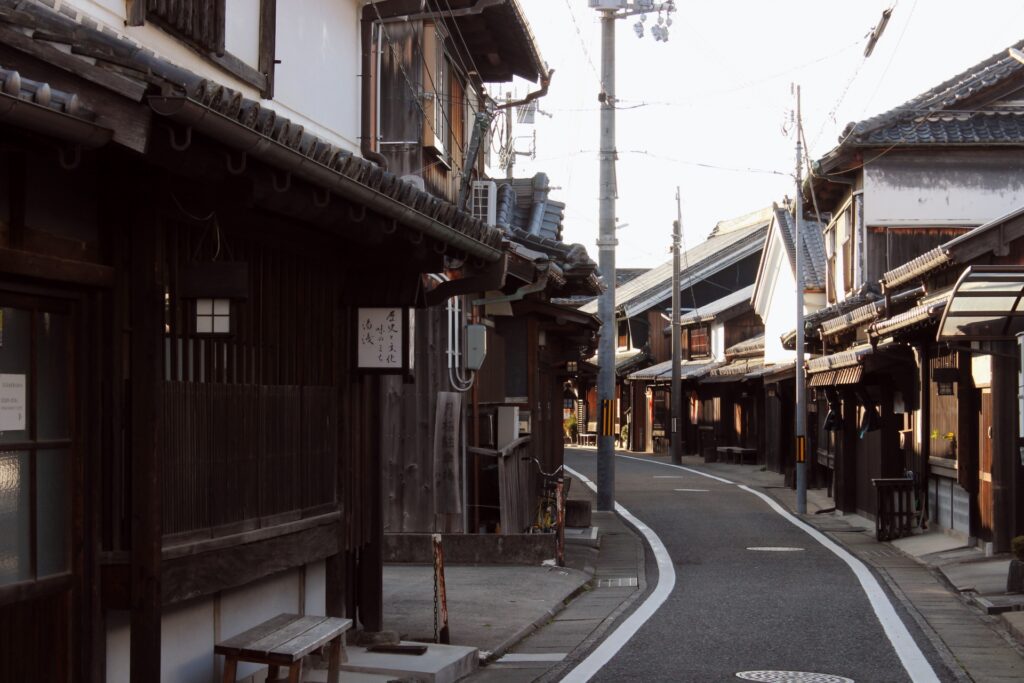
Shoyu as a Fermented Craft, Not a Condiment
In modern kitchens, flavor is often built through layering—stocks, reductions, aging.
Traditional shoyu follows a similar philosophy.
- It is fermented over months or years
- It develops natural glutamates
- It evolves through interaction with its environment
This makes shoyu closer to:
- Aged cheese
- Natural wine
- Fermented sauces
Than to a simple seasoning.
The Role of Time in Flavor
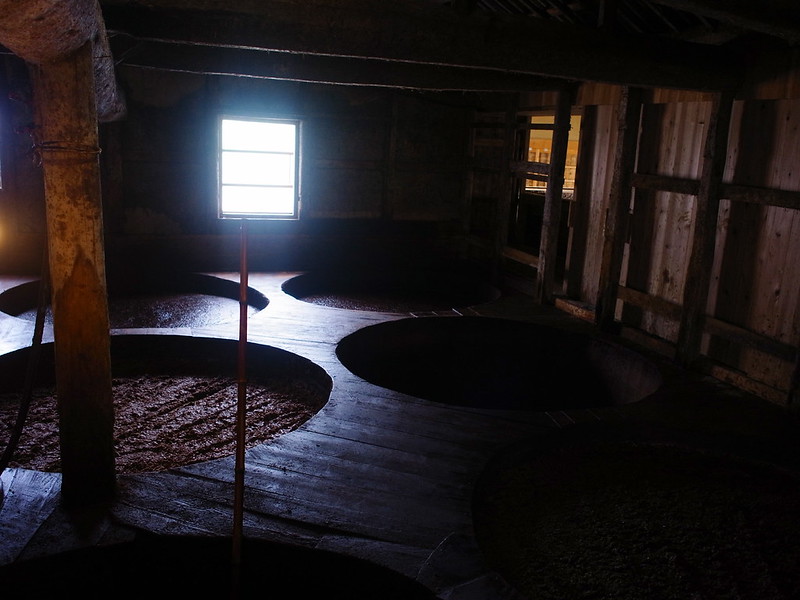
In Yuasa, traditional shoyu is still made using wooden barrels.
At places like Kadocho Soy Sauce Brewery, fermentation happens slowly, guided by:
- Ambient microorganisms
- Seasonal temperature changes
- The memory of the wooden barrels themselves
For chefs, this introduces a critical concept:
👉 Flavor is not just created—it is grown over time.
Umami: Beyond Salt
-1024x681.jpg)
What defines shoyu is not saltiness, but umami.
During fermentation, proteins break down into amino acids, creating:
- Roundness
- Depth
- Lingering finish
This allows chefs to:
- Enhance natural flavors
- Reduce the need for added salt
- Build complexity without heaviness
In this sense, shoyu functions as a natural flavor amplifier.
Terroir of Fermentation
In Western gastronomy, terroir is often associated with wine.
But in Yuasa, terroir exists in fermentation.
Each batch of shoyu reflects:
- The local climate
- The air inside the brewery
- The microbial ecosystem
Even within the same brewery, subtle differences emerge over time.
This makes shoyu not just a product—but a living expression of place.
In Western gastronomy, terroir is often associated with wine.
But in Yuasa, terroir exists in fermentation.
Each batch of shoyu reflects:
- The local climate
- The air inside the brewery
- The microbial ecosystem
Even within the same brewery, subtle differences emerge over time.
This makes shoyu not just a product—but a living expression of place.
Tradition Meets Modern Recognition
Yuasa’s shoyu culture is not frozen in the past—it continues to evolve.
At Marushin Soy Sauce, shoyu has gained international recognition, including awards such as the Monde Selection.
For chefs, this represents:
- Consistency in quality
- Adaptability to global cuisine
- A bridge between tradition and innovation
Tasting Shoyu: A Sensory Analysis
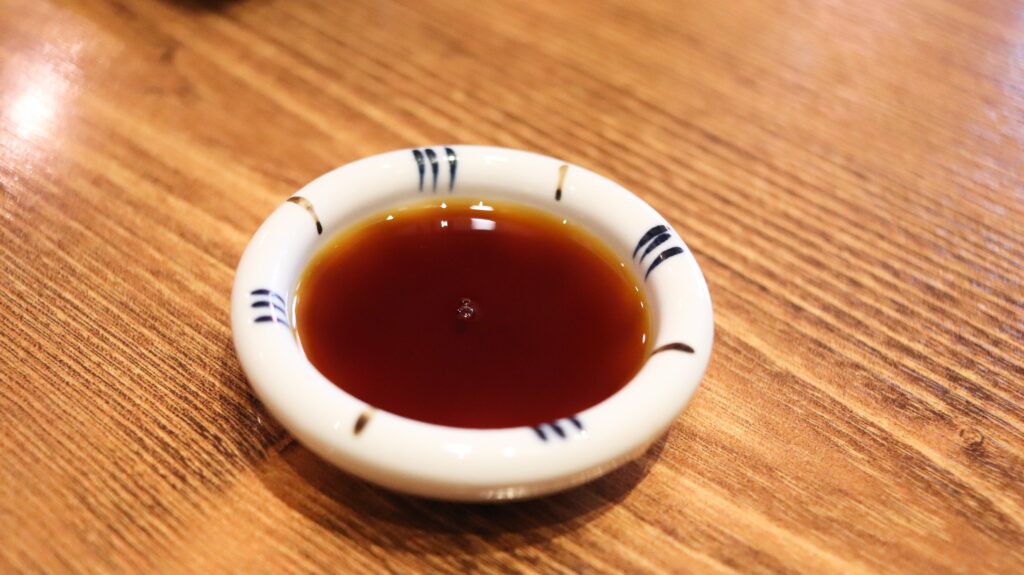
When tasting traditional shoyu, consider:
- Aroma – deep, slightly sweet, fermented notes
- Entry – gentle saltiness
- Mid-palate – expanding umami
- Finish – long, rounded, complex
This structure allows it to function similarly to:
- A finishing oil
- A reduction sauce
- A flavor base
Applications in the Kitchen
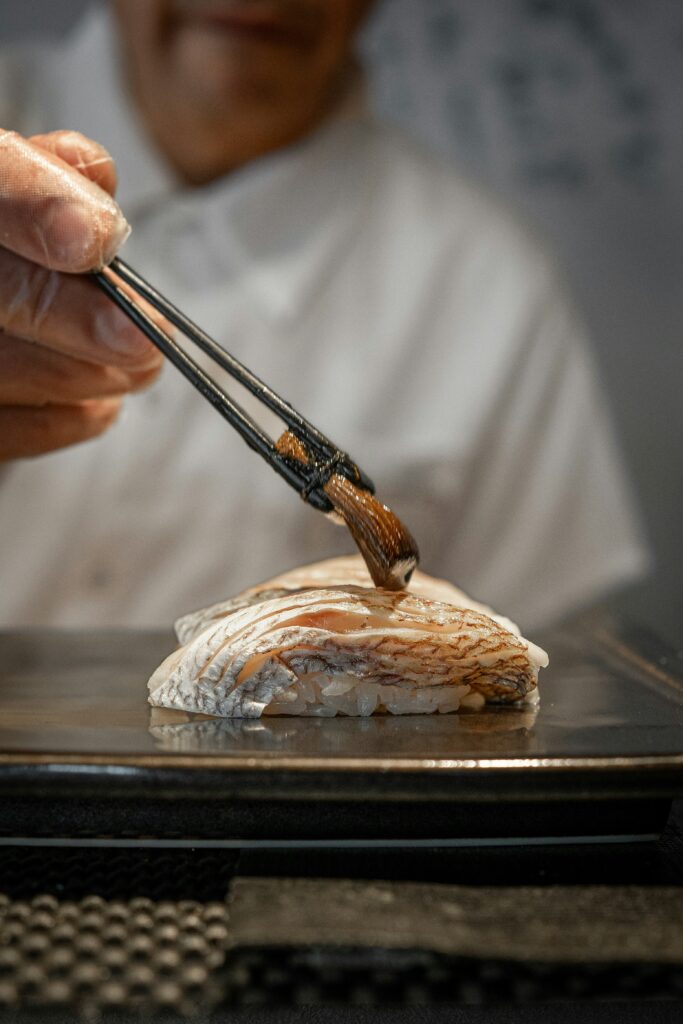
For chefs, shoyu offers versatility beyond Japanese cuisine.
It can be used to:
- Enhance meat marinades
- Add depth to vegetable dishes
- Balance sauces and reductions
Because of its fermentation complexity, even small amounts can transform a dish.
Why Visit Yuasa as a Chef?
Reading about shoyu is not enough.
In Yuasa, you can:
- Smell fermentation inside wooden breweries
- Taste various shoyu from the breweries
- Understand how environment shapes flavor
This is knowledge that cannot be replicated in a kitchen alone.
A Deeper Culinary Journey

Yuasa is not just about shoyu.
Nearby experiences connect into a broader gastronomic narrative:
- Origins of fermentation culture
- Local seafood shaped by shoyu
- Traditional techniques still in use today
For chefs, this creates a deeper understanding of Japanese cuisine as a system—not just a collection of recipes.
Experience Shoyu Through a Guided Journey
For those seeking a deeper connection, a guided experience offers:
- Direct access to breweries
- Interpretation of fermentation processes
- Cultural context behind the craft
👉 Join the Yuasa Shoyu Experience
👉 Request a Custom Gastronomy-Focused Tour
Final Thoughts
In many kitchens around the world, soy sauce is used without a second thought.
But in Yuasa, shoyu reveals its true nature—not as a seasoning, but as a craft shaped by time, environment, and human skill.
For chefs, this is not just an ingredient.
It is a new way of thinking about flavor.
No responses yet