
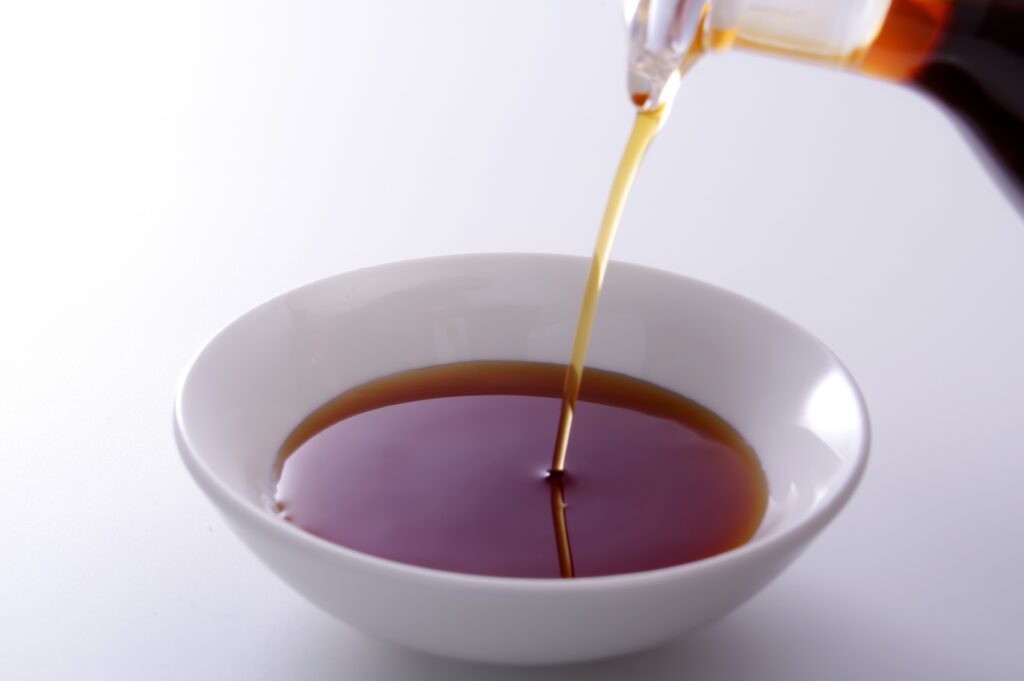
The Invention That Built the Flavor Structure of Japanese Cuisine
In December 2013, “Washoku: Traditional Dietary Cultures of the Japanese” was inscribed on the UNESCO Intangible Cultural Heritage list.
When people think of Japanese cuisine, several dishes immediately come to mind:
sushi, simmered dishes, udon noodles, and teriyaki.
And many of these dishes share a common seasoning.
That seasoning is shoyu.
For Japanese people, however, shoyu is so deeply embedded in everyday meals that we rarely stop to think about it. Precisely because it is so ordinary, we tend to overlook how closely it is connected to the culture of Japanese cuisine.
But shoyu is not merely a seasoning.
It was a fermentation technology that fundamentally transformed the structure of Japanese cooking.
And the story of this transformation begins in a small port town in Wakayama Prefecture: Yuasa.
The Taste of Japan Before Shoyu
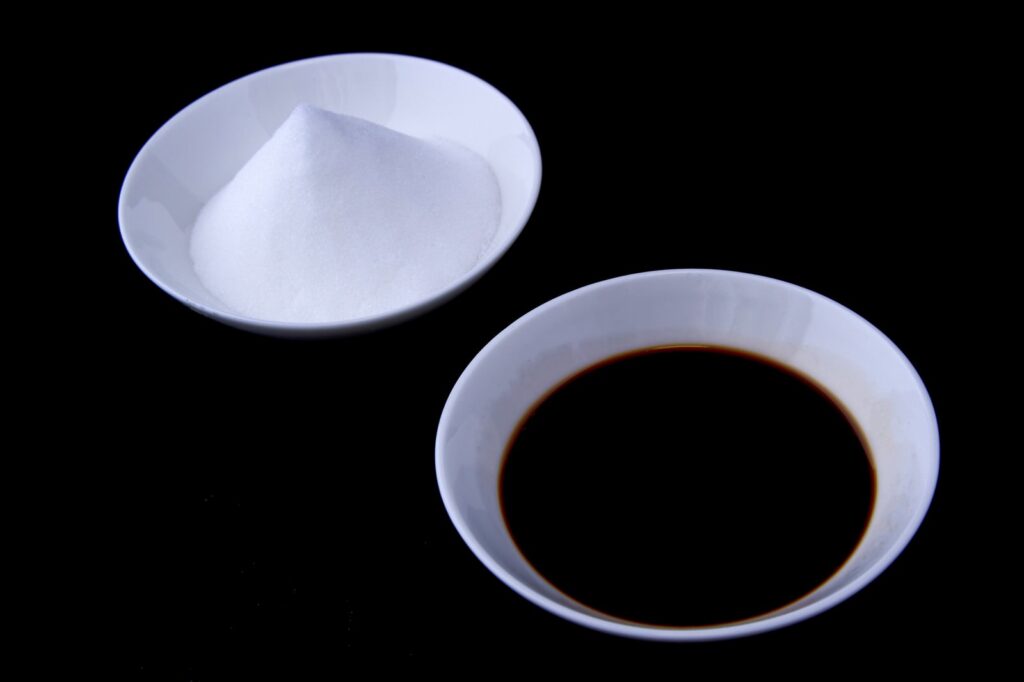
Before shoyu became widespread, Japanese cuisine relied mainly on the following seasonings:
- Salt
- Miso
- Fermented fish sauce
- Vinegar
Among these, miso was particularly important.
Miso is a fermented soybean paste that served both as a preserved food and as a vital source of nutrition.
However, miso is a paste.
It can be dissolved in soups and stews, but it is not ideal for brushing onto grilled foods or dipping raw fish.
In other words, cuisine in the age of miso was based primarily on flavors that dissolved into dishes.
Then a new type of seasoning appeared:
a liquid fermented and flavorful seasoning — shoyu.
How the Liquid Seasoning Changed Cooking
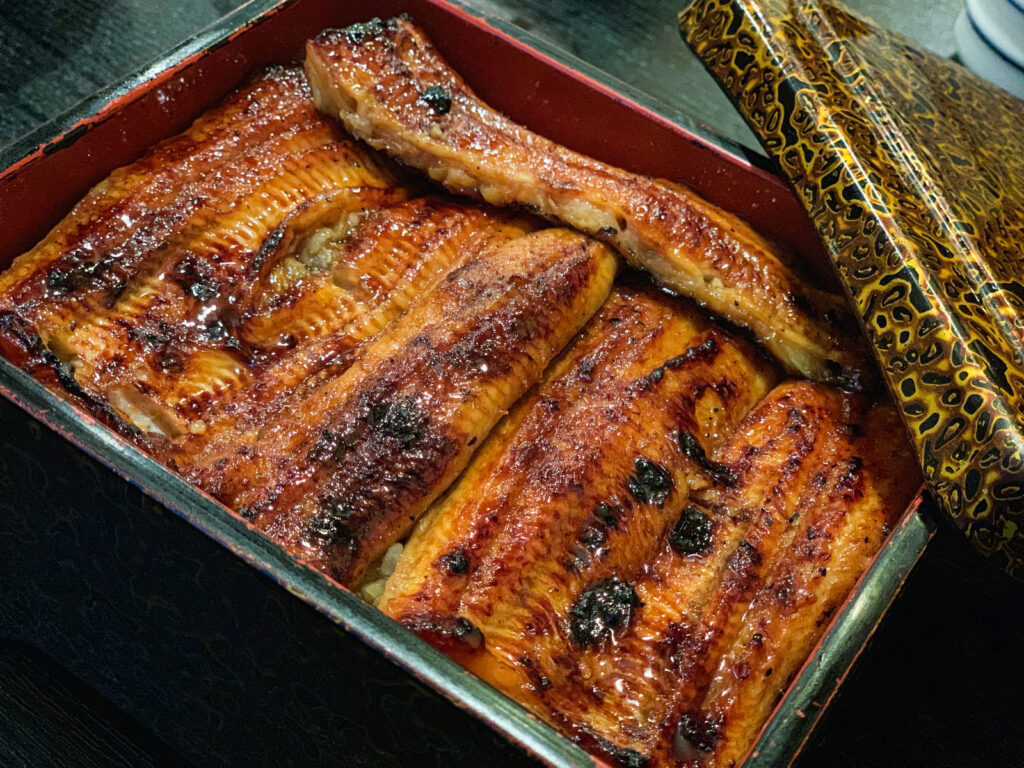
The most important characteristic of shoyu is that it is liquid.
This seemingly simple difference brought a major transformation to Japanese cuisine.
Liquid seasonings can:
- penetrate ingredients
- be brushed onto surfaces
- be used as dipping sauces
- be mixed easily
Because of these qualities, entirely new cooking techniques emerged in Japan.
For example:
Teriyaki
By brushing shoyu with sugar, mirin, and cooking sake onto grilled fish or meat, cooks could create a glossy surface and deep umami flavor.
Nimono (Simmered Dishes)
Shoyu adds depth to the flavor and brings out the sweetness.
Sashimi
Shoyu became the perfect dipping seasoning, enhancing the natural flavor of fresh fish.
In other words, shoyu dramatically expanded the freedom of seasoning in Japanese cooking.
But its role goes even further.
Shoyu naturally contains all five basic taste elements often discussed in food science:
- umami
- saltiness
- sweetness
- acidity
- bitterness
By simply adding shoyu, dishes gain depth and complexity. This is one reason Japanese cuisine is known for its delicate yet layered flavors.
Edo Food Culture and the Rise of Shoyu
Shoyu became truly widespread during the Edo period.
At that time, Japan’s largest city was Edo.
The population of Edo grew rapidly, becoming one of the largest cities in the world. As the city expanded, a vibrant street food culture developed.
Food stalls and small eateries needed dishes that were:
- quick to prepare
- bold in flavor
- consistent in taste
Shoyu proved perfect for this environment.
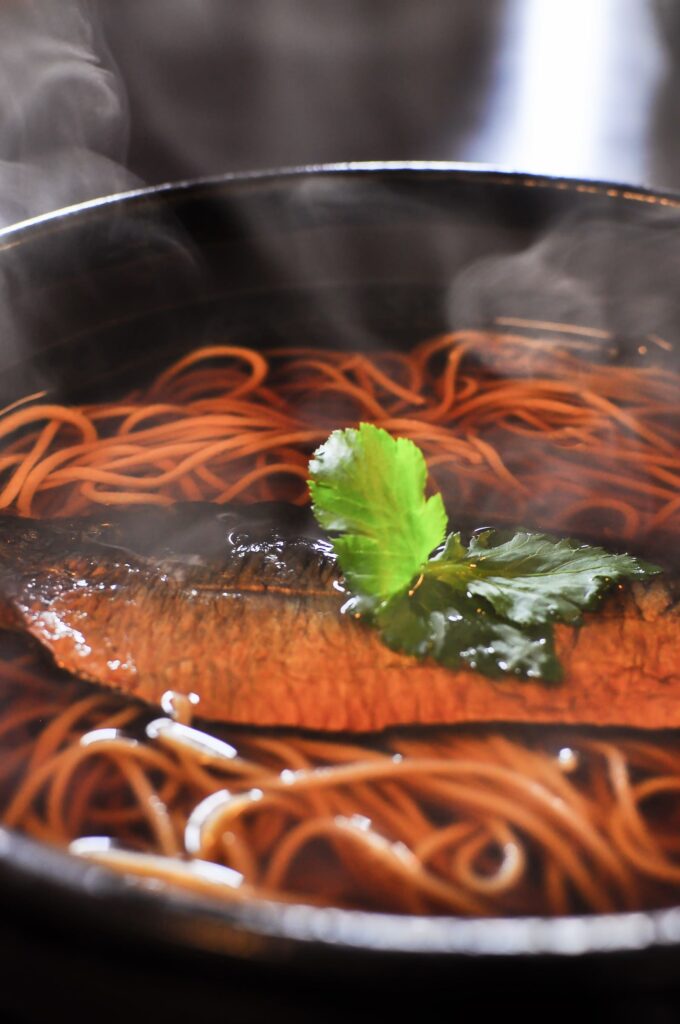
Many iconic Edo foods relied on it, including:
- sushi
- tempura
- grilled eel (unagi kabayaki)
- soba noodles
These dishes typically used sauces based on shoyu.
People in Edo especially loved the combination of sweetness, saltiness, and umami known as “amakara” — a sweet-and-savory balance.
And at the center of that flavor was shoyu.
The “Sweet and Savory” Taste of Japan
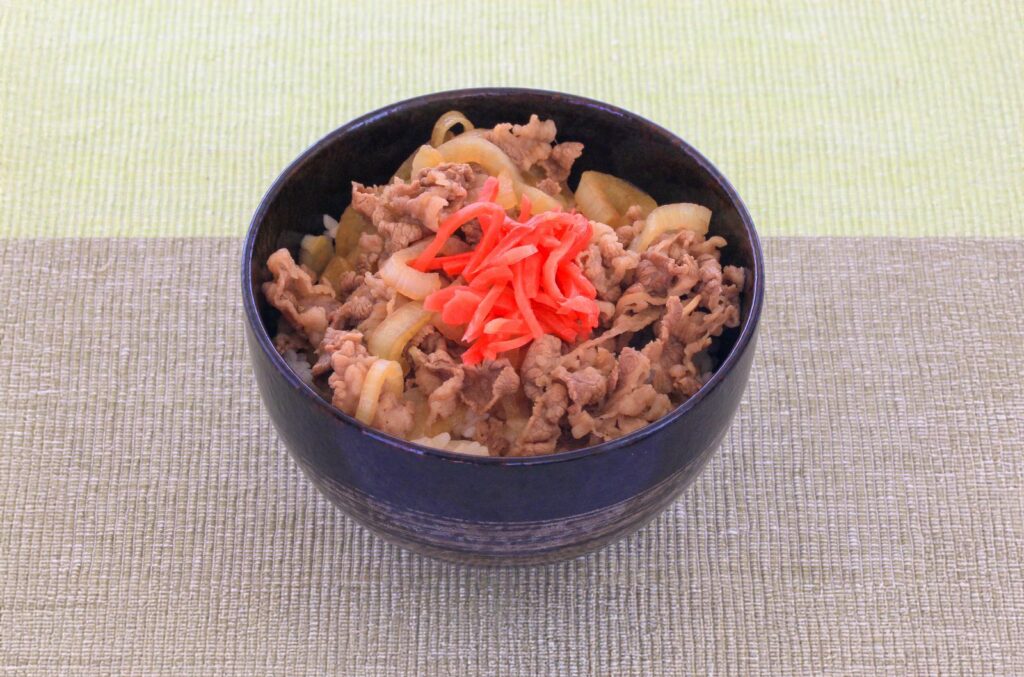
Today, the flavor balance known as amakara is considered fundamental to Japanese cuisine.
It combines:
the sweetness of sugar or mirin
the saltiness and umami of shoyu
This flavor structure forms the foundation of many popular dishes such as:
・simmered dishes
・rice bowls
・yakitori
・gyudon (beef bowls)
These foods are now loved not only in Japan but around the world.
Without shoyu, this complex flavor structure might never have developed.
In that sense, shoyu helped define what Japanese people perceive as “delicious.”
Shoyu and the Creation of a Shared National Taste
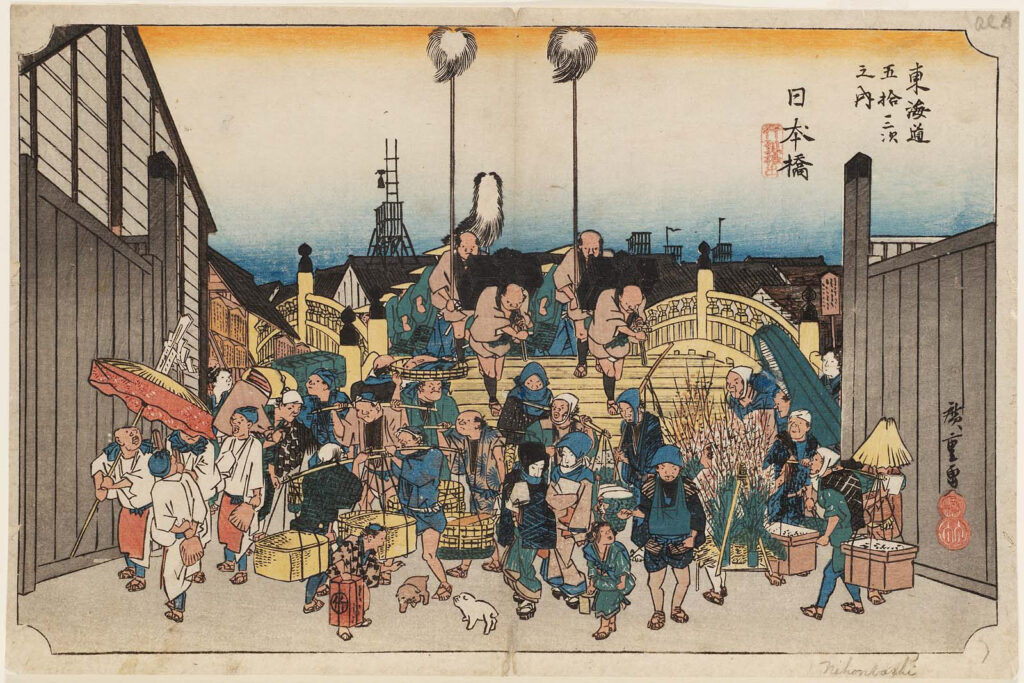
Another crucial factor was that shoyu could be distributed over long distances.
Miso varies greatly from region to region.
Shoyu, however, could be stored in barrels and transported by ship.
During the Edo period, high-quality shoyu known as “kudari (down) shoyu” was shipped mainly from regions such as Kishu’s Yuasa and Tatsuno in Harima to Edo.
From the mid-Edo period onward, production near Edo expanded in places like Noda and Choshi. Using river transport along the Tone and Edo rivers, locally produced shoyu spread rapidly.
These darker, richer varieties of soy sauce helped shape Edo’s food culture and were distributed across Japan through wholesale markets such as Nihonbashi.
As a result, shoyu played a major role in creating a shared flavor foundation across the country.
A Flavor Revolution That Began in a Small Port Town
There is no doubt that shoyu transformed Japanese cuisine.
Yet its story did not begin in a great capital city.
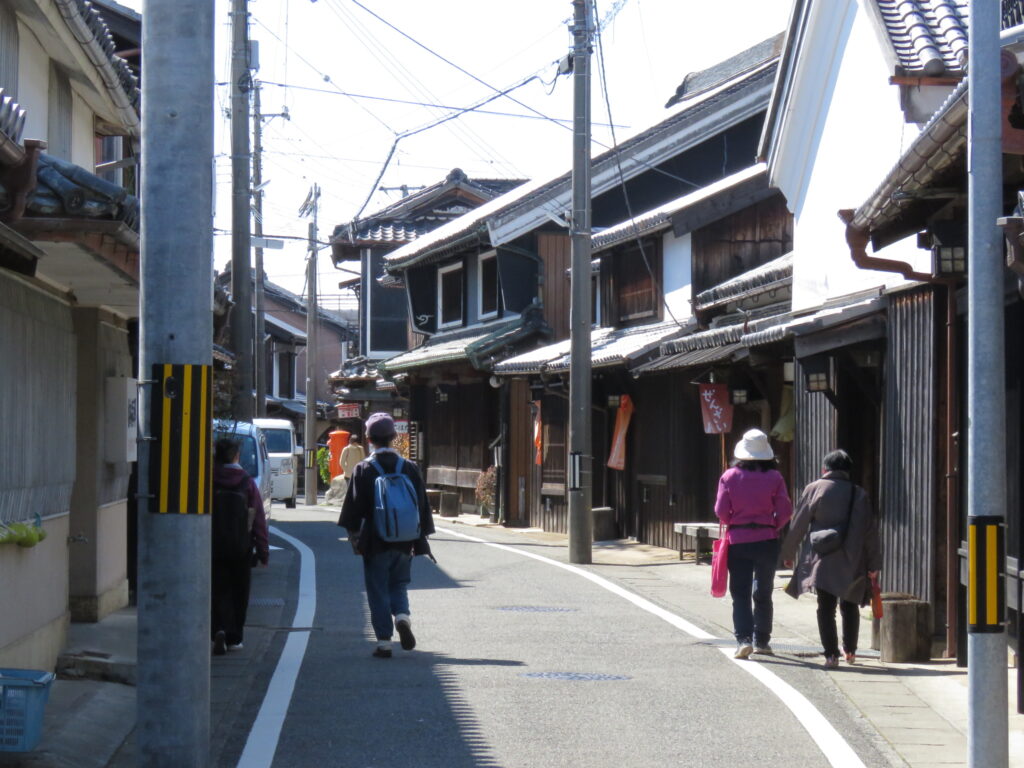
The origin lies in a small port town in Kishu (present-day Wakayama) whose population at its peak was only about 5,600 people:
Yuasa.
The fermentation techniques developed in this town
- supported the culinary culture of Edo
- built the flavor foundation of Japanese cuisine
- and eventually shaped the taste of Japanese food that spread across the world.
Today, when we eat sushi
or pour shoyu over grilled fish,
we are participating in a culinary tradition that spans several centuries.
And that history still lives within the streets of Yuasa.
When you walk through the town and smell the aroma of shoyu breweries, you are not simply encountering a seasoning.
You are encountering the technological history that shaped the taste of Japan.
Why don’t you walk around Yuasa with the story telling guide?
No responses yet